Should I Kill My Betta Fish
The question should i kill my betta fish is one of the hardest decisions a fish owner can face. This guide covers how to recognize genuine suffering, explore treatment alternatives, and make a compassionate choice when all options have been tried. You will learn about humane euthanasia methods, quality of life assessments, and how to cope with this painful decision.
If you have landed on this page, you are probably facing a really hard moment. The question should i kill my betta fish is not one that anyone wants to ask. But sometimes, loving your fish means making the toughest decision of your life. This guide will walk you through every angle of this painful topic with honesty and care.
You will learn how to recognize signs of genuine suffering, what alternatives exist, and how to make the kindest choice for your betta fish. Whether your fish is battling a severe illness or simply declining with age, this article gives you the clarity you need. Let us get into it.
Key Takeaways
- Recognize the signs: Understanding physical and behavioral changes in your betta fish helps you determine if suffering is real and ongoing.
- Try alternatives first: Many conditions that seem terminal can be treated with proper betta fish care, medication, and water management.
- Assess quality of life: Use simple questions about your fish’s daily functioning to make a more objective decision.
- Humane options exist: Clove oil euthanasia is a peaceful and widely accepted method for ending a betta fish’s suffering without pain.
- Grief is normal: Coping after this decision is an important part of the process, and you should give yourself grace and time to heal.
- Seek professional advice: A betta fish vet can provide clarity and confirm whether treatment is still viable or if end of life is the kindest path.
📑 Table of Contents
Why You Might Be Asking Should I Kill My Betta Fish
Nobody wakes up wanting to end their pet’s life. But sometimes, circumstances push betta fish owners toward this difficult question. Understanding why you are here is the first step toward finding peace with your decision.
The Emotional Weight of This Decision
Your betta fish is more than just a pet. It is a companion that greets you at the tank every morning. When that fish starts showing signs of decline, it hits hard. Many owners feel guilt, confusion, and sadness all at once. These feelings are completely normal.
The truth is, caring for a betta fish comes with real responsibility. Part of that responsibility includes knowing when suffering has become unbearable. Asking yourself should i kill my betta fish does not make you a bad owner. It shows you care deeply about your fish’s betta fish comfort and well-being.
Common Situations That Lead to This Question
Several situations can make an owner seriously consider this option. Here are the most common ones:
- Your betta fish has a severe, untreatable illness
- Your fish has stopped eating and shows no response to treatment
- Your betta is in visible pain with no relief available
- Your fish has been declining for weeks despite your best efforts
- You cannot afford veterinary care and the suffering continues
- Your fish has a terminal betta fish illness with no known cure
Each of these situations is heartbreaking. If any of them sound familiar, you are not alone. Many aquarium fish owners face this same crossroads. The important thing is that you are seeking information rather than acting out of panic. Making an informed decision is always better than making a rushed one.
Signs Your Betta Fish Is Suffering
Before you even think about ending your fish’s life, you need to understand what real suffering looks like. Sometimes, what we think is a terminal condition can actually be treated. Other times, the signs are clear and heartbreaking.
Physical Signs of Pain
Your betta fish communicates through body language. Watch for these physical warning signs:
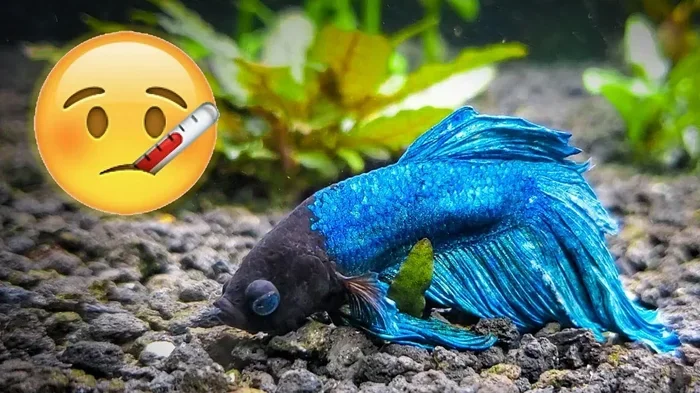
- Clamped fins held close to the body
- Visible bloating or swollen abdomen
- Faded or dull coloration
- Open sores or white patches on the body
- Labored breathing or gasping at the surface
- Loss of balance or swimming erratically
- Eyes that appear cloudy or sunken
If your fish shows multiple signs from this list, it is time to take a closer look at their betta fish health. Some conditions like fin rot or ich are treatable with proper fish tank medicine. But other conditions may be beyond treatment. The key is to observe carefully and honestly.
Behavioral Changes to Watch For
Behavioral shifts often tell the real story. A healthy betta is curious and active. When suffering sets in, you will notice:
- Lethargy and staying at the bottom of the tank constantly
- Refusing food even when offered favorite treats
- Hiding behind decorations or staying motionless for hours
- Flaring less or not at all
- Resting on the substrate and not moving
If your fish has stopped eating, check out our guide on what should I do if my betta fish isn’t eating. Loss of appetite is one of the most telling signs that something is seriously wrong with your betta fish. It can also indicate a range of issues from constipation to severe infection.
Alternatives to Killing Your Betta Fish
Before jumping to the worst conclusion, know that there are alternatives. Many conditions that seem hopeless can actually be managed or even reversed. Exploring these options first is always the right move.
Treatment Options You Can Try
Depending on what your fish is going through, several treatment paths exist:
- Water changes: Doing frequent partial water changes can work wonders. Clean water reduces stress and supports healing in your betta fish.
- Medication: Products like melafix, pimafix, or API fish cure can address bacterial and fungal infections effectively.
- Salt baths: A mild aquarium salt solution can help with certain parasites and skin infections.
- Temperature adjustment: Raising the tank temperature slightly can boost your fish’s immune system during illness.
- Isolation: Moving your fish to a quarantine tank can reduce stress and prevent the spread of disease.
Before trying any treatment, make sure you understand what condition your fish actually has. Misdiagnosis can waste precious time. If you are unsure, reaching out to a betta fish vet is always a smart first step. Professional guidance can save your fish and give you peace of mind.
When to Seek Professional Help
Sometimes home treatment is not enough. A professional can give you a definitive diagnosis and a realistic prognosis. Many online fish forums and local aquarium stores also offer free advice that can point you in the right direction.
If you have tried everything and your fish is still declining, it might be time to consider whether revival is possible. Our article on can I revive my betta fish covers this topic in depth and could give you hope or clarity. Sometimes a second opinion changes everything.
How to Know When It Is Time to Say Goodbye
This is the hardest part of the entire process. Knowing when treatment has run its course is not easy. But there are clear indicators that can help you make this decision with confidence and compassion.
Quality of Life Assessment
Think about your fish’s betta fish quality of life using these simple questions:
- Does your fish still respond to food or your presence?
- Can your fish swim without struggling or drifting aimlessly?
- Does your fish show any interest in exploring its environment?
- Is your fish in constant visible pain despite treatment?
- Has your fish been declining for more than two weeks with no improvement?
If you answered “no” to most of these questions, your fish’s quality of life has likely diminished significantly. This does not mean you have failed as an owner. It means you are being honest about what is best for your pet. Making this assessment is part of the betta fish owner responsibility that comes with caring for any living creature.
The Hard Truth About End of Life
Every living creature has a finite lifespan. Bettas typically live between three and five years in captivity. When a betta reaches the end of its natural betta fish lifespan, prolonging suffering does not honor the bond you shared. It only extends the pain for both you and your fish.
The question should i kill my betta fish becomes easier to answer when you focus on compassion. Ending life gently is not an act of cruelty. It is an act of love when all other options have been exhausted. Your fish may not be able to tell you it is suffering, but you can watch for the signs and act on its behalf.
Humane Options for a Suffering Betta Fish
If you have reached the conclusion that your fish is suffering beyond recovery, you need to know about humane options. There is a right way and a wrong way to handle this situation. Choosing the gentle path matters deeply.
What Humane Euthanasia Looks Like
Humane euthanasia for a betta fish should always be done with care and minimal stress. The most widely accepted method involves using a concentrated clove oil solution. Clove oil acts as an anesthetic that gently slows down the fish’s bodily functions until they stop naturally. This method is considered the most peaceful option available for betta fish euthanasia.
Here is a basic overview of the process:
- Mix a small amount of clove oil with warm water in a separate container
- Gently transfer your betta into the solution
- The fish will become drowsy and stop moving within minutes
- The process is peaceful and painless for your fish
Many owners who have gone through this process describe it as the kindest choice they ever made for their pet. It removes fear and pain from the equation entirely. If you are unsure about the specifics, a betta fish vet can walk you through the process or perform it for you.
What Not to Do
It is equally important to know what methods to avoid. Never use freezing, flushing, suffocation, or any method that causes prolonged distress. These approaches cause unnecessary pain and fear. Always choose the most gentle path available. Your fish trusted you to protect it, even in its final moments.
If you are still uncertain about the process, our article on can I kill my betta fish provides additional guidance and resources to help you through this difficult time. Knowledge brings comfort, especially during moments like these.
Coping After the Decision
Making the decision to end your betta fish’s suffering does not mean the grief stops there. Many owners experience a deep sense of loss and even guilt after the process. This is completely normal and part of the healing journey.
Give yourself permission to grieve. You loved your fish, and that love mattered. Your fish had a good life because of your care and attention. The fact that you agonized over this decision shows just how much you mattered as an owner. You did not fail your fish. You showed it compassion until the very end.
Some owners find comfort in creating a small memorial or keeping a photo of their fish. Others choose to honor their pet by sharing their story to help other fish owners facing similar decisions. Whatever path brings you peace, follow it without second-guessing yourself. Your betta fish care journey was meaningful, and so was your love for that little fish.
Remember, making the hardest choice out of love is one of the most selfless things a pet owner can do. Your betta fish was lucky to have someone who cared enough to ask should i kill my betta fish in the first place. That question came from a place of love, not neglect. Hold on to that truth as you move forward.
Frequently Asked Questions
Is it ever okay to kill my betta fish?
Yes, when your fish is experiencing untreatable suffering and its quality of life has severely declined, humane euthanasia is a compassionate and responsible choice. It is an act of love, not cruelty, when all other options have been exhausted.
What is the most humane way to euthanize a betta fish?
The most widely accepted method is using a concentrated clove oil solution, which acts as a gentle anesthetic. This approach is peaceful, painless, and minimizes stress for your fish during its final moments.
Can I revive my dying betta fish instead of euthanizing?
Sometimes, yes. Many conditions that appear terminal can be treated with proper medication, water changes, and care. Check our guide on reviving betta fish to explore all possible options before making a final decision.
How do I know if my betta fish is in pain?
Look for physical signs like clamped fins, labored breathing, faded coloration, and behavioral changes like lethargy or refusal to eat. If multiple signs are present, your fish is likely suffering and needs immediate attention.
Should I feel guilty about ending my betta fish’s life?
No. Feeling grief and guilt is natural, but you made the best decision you could with the information you had. Your fish had a good life because of your love and care, and choosing compassion at the end is a sign of a responsible owner.
Can a vet help me with this decision?
Absolutely. A betta fish vet can assess your fish’s condition, provide a professional diagnosis, and confirm whether humane euthanasia is the most kind option. They can also guide you through the process with care and expertise.