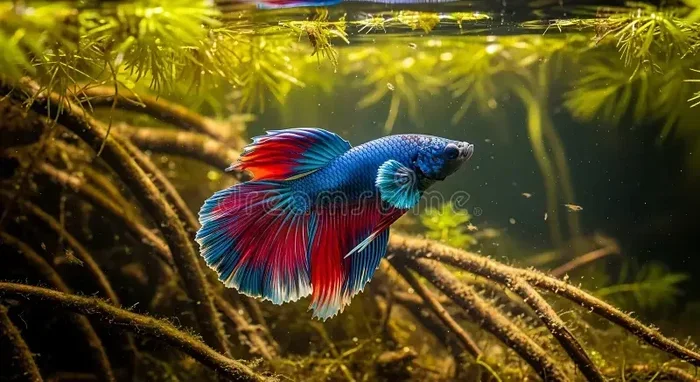
Should Betta Fish Food Float or Sink
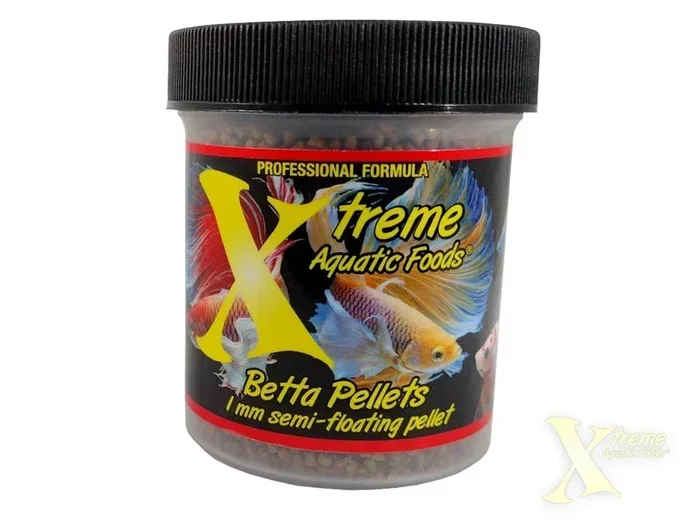
Should betta fish food float or sink? The answer depends on your betta’s feeding habits, health needs, and tank setup. Floating pellets work best for surface feeders, while sinking pellets suit fish that prefer eating near the bottom. Choosing the right type ensures proper betta fish nutrition and prevents overfeeding betta fish and water contamination.
Every betta fish owner has asked this question at least once: should betta fish food float or sink? It seems like a simple question, but the answer shapes how your fish eats, how clean your tank stays, and how healthy your betta remains over time.
The truth is that betta fish are unique. They have a special organ called the labyrinth that lets them breathe air from the surface. This means they naturally hang out near the top of the tank. So when you drop food in, they rush up to grab it. But does that mean all betta food should float? Not necessarily.
In this guide, we will break down everything you need to know about betta fish food float or sink choices. You will learn about different food types, what works best for your fish, and common mistakes to avoid. By the end, you will feel confident picking the right food every single time.
Key Takeaways
- Floating food is ideal for bettas that eat at the surface and helps you monitor how much they consume.
- Sinking food works well for bettas that prefer eating near the bottom of the tank.
- Overfeeding is the most common mistake betta owners make, regardless of food type.
- Betta fish nutrition depends on a balanced mix of protein, fiber, and occasional live or frozen foods.
- Uneaten food that sinks to the bottom can degrade water quality and harm your fish.
- Watching your betta’s feeding behavior helps you decide between floating and sinking options.
- A consistent feeding schedule matters more than whether the food floats or sinks.
📑 Table of Contents
- Why Does It Matter Whether Betta Food Floats or Sinks?
- Floating Food: Pros and Cons
- Sinking Food: Pros and Cons
- What Type of Food Do Betta Fish Actually Need?
- How Much Should You Feed Your Betta and How Often?
- Common Mistakes to Avoid When Feeding Betta Fish
- Expert Insights on Betta Feeding Habits
- Conclusion
Why Does It Matter Whether Betta Food Floats or Sinks?
You might wonder why the floating or sinking debate even matters. It matters more than most people think. The way your food behaves in the water affects your betta’s eating patterns, the cleanliness of the tank, and overall betta fish health.
Feeding Behavior and Appetite
Betta fish are natural surface feeders. They instinctively look for food at the top of the water. When food floats, it matches this natural behavior. Your betta feels comfortable and eats with confidence. On the other hand, sinking food can cause stress if your fish struggles to find it at the bottom. Some bettas will simply ignore sinking pellets and go hungry.
However, not all bettas are the same. Some enjoy diving to the bottom. If your fish does this, sinking pellets might actually be a better fit. The key is to watch your individual fish and learn its preferences.
Water Quality and Food Waste
This is a big deal. When floating food sits on the surface too long, it gets wet and soft. Eventually, it breaks apart and falls to the bottom. There, it decays and releases ammonia into the water. High ammonia levels are dangerous for bettas. They can cause fin rot, infections, and even death.
Sinking food has its own problem. If your betta does not eat it quickly, it sits on the substrate and rots. This also ruins your water quality. The best approach is to feed small amounts and remove any uneaten food after a few minutes.
Floating Food: Pros and Cons
Floating betta pellets are the most popular choice among fish keepers. They sit on the surface of the water and wait for your betta to come up and eat them. But like everything, they have advantages and disadvantages.
Benefits of Floating Food
- Easy to monitor intake. You can see exactly how much your betta eats. This helps prevent overfeeding betta fish, which is a leading cause of health problems.
- Matches natural feeding behavior. Bettas feel most comfortable eating at the surface, so floating food reduces stress.
- Less immediate water contamination. Since the food stays on top, it does not immediately dirty the substrate or filter media.
- Great for training. Many owners use floating pellets to hand-feed their bettas and build trust.
Drawbacks of Floating Food
- It gets soggy and falls. After a few minutes, floating pellets absorb water and sink. By then, your betta might have already eaten enough.
- Uneaten pieces decay. Any food left floating eventually drops to the bottom and degrades water quality.
- Not ideal for all bettas. Some bettas are bottom feeders or are too timid to come to the surface for food.
Sinking Food: Pros and Cons
Sinking pellets and slow-sinking foods serve a different purpose. They descend through the water column and settle near the bottom. Let us look at when they work well and when they do not.
Benefits of Sinking Food
- Good for bottom-dwelling bettas. Some bettas naturally forage near the substrate. Sinking food gives them easy access.
- Stays in place longer. Unlike floating food, sinking pellets do not drift around the tank before your fish finds them.
- Works well with other fish. If you keep community fish that eat below the surface, sinking food can feed everyone at once.
Drawbacks of Sinking Food
- Hard to monitor eating. You cannot easily tell if your betta has eaten enough or if food is going to waste.
- Risk of overfeeding. Because you cannot see the food as easily, you might add too much without realizing it.
- Can trap in decorations. Sinking food often gets stuck behind rocks, plants, or ornaments, where it rots unseen.
What Type of Food Do Betta Fish Actually Need?
The debate between floating and sinking food is important, but it is not the only factor. What the food is made of matters just as much. Betta fish nutrition requires a diet rich in protein, moderate in fiber, and low in fillers.
Pellets vs. Flakes
Most experts agree that betta pellets are superior to flakes. Pellets are denser, retain their shape longer, and contain fewer fillers. Flakes tend to crumble quickly and cloud the water. If you are still using flakes, consider switching to high-quality pellets for better betta fish diet results.
Some brands make floating pellets specifically for bettas. Others offer sinking versions. You can even find slow-sinking pellets that drift down gradually, giving your fish time to eat at any depth.
Live and Frozen Foods
Live and frozen foods like bloodworms, brine shrimp, and daphnia are excellent supplements. They boost protein intake and stimulate natural hunting behavior. You can also offer betta fish live food occasionally as a treat. These foods add variety and keep your betta interested in mealtime.
However, live food should not replace a staple diet. It is best used as a supplement two to three times per week. Always source live food from reputable suppliers to avoid introducing parasites into your tank.
Can Betta Fish Eat Other Types of Food?
Many owners ask whether they can share food between species. The answer is usually no. Betta food is specially formulated for bettas. For example, can betta fish eat goldfish food? No. Goldfish food lacks the protein levels bettas need and can cause nutritional deficiencies.
Similarly, can you feed betta food to tropical fish? It depends. Some tropical fish can eat betta pellets, but the reverse is not always true. Always research before mixing food types between species.
How Much Should You Feed Your Betta and How Often?
Even the best food will not help if you feed the wrong amount. Overfeeding is the number one killer of pet bettas. Excess food rots in the tank, spikes ammonia levels, and causes bloating and constipation in fish.
Feeding Schedule
A good rule is to feed your betta two to three small meals per day. Each meal should be about the size of your betta’s eye. This is roughly two to four pellets, depending on the brand. If you are unsure, check this guide on how much food should I feed my betta fish for more detailed advice.
Portion Control Tips
- Start with two pellets per feeding and wait two minutes.
- If your betta eats them quickly, add one more.
- Stop feeding as soon as your fish loses interest.
- Remove any uneaten food with a small net or turkey baster.
- Skip one feeding per week to help your betta’s digestion.
Following these steps keeps your betta at a healthy weight and your tank water clean. It also prevents the buildup of food waste in aquarium environments that can trigger bacterial blooms.
Common Mistakes to Avoid When Feeding Betta Fish
Even experienced fish keepers make feeding mistakes. Here are the most common ones and how to fix them.
Mistake 1: Overfeeding
This cannot be stressed enough. Betta fish have tiny stomachs. They look like they are always hungry, but they only need small amounts. If your betta’s belly looks round and tight after eating, you have given too much.
Mistake 2: Ignoring Uneaten Food
Some owners drop food in and walk away. Any food left sitting in the tank will decay within hours. This pollutes the water and stresses your fish. Always remove uneaten food after five minutes.
Mistake 3: Switching Foods Too Often
Betta fish thrive on routine. Switching between floating pellets, sinking pellets, flakes, and live food every day can cause digestive upset. Stick to one staple food and vary the diet with occasional treats.
Mistake 4: Not Watching Your Fish Eat
Feeding time is bonding time. Watch your betta eat every day. This helps you spot changes in appetite early, which can signal illness or stress. If your betta suddenly stops eating, check the water parameters and look for signs of disease.
Expert Insights on Betta Feeding Habits
Understanding your betta’s natural behavior gives you an edge as an owner. In the wild, bettas live in shallow rice paddies and slow-moving streams. They eat insects, larvae, and small crustaceans that fall on the water surface. This is why they are programmed to feed at the top.
When you keep a betta in a tank, you are recreating a tiny version of that environment. Floating food mimics what they would find naturally. But remember that every fish is different. Some bettas adapt to eating at any level in the tank. The best approach is to observe your fish and adjust accordingly.
If you notice your betta not eating or acting sluggish after meals, consider the food type and portion size. Sometimes switching from a floating pellet to a slow-sinking variety makes all the difference. Other times, the issue is simply overfeeding or poor water quality.
For more tips on betta behavior and feeding patterns, check out this article on do betta fish get food off the bottom to understand how your fish interacts with different food types at various tank levels. You can also learn more about do betta fish eat flakes or pellets to find the best staple food format for your pet.
Conclusion
So, should betta fish food float or sink? The honest answer is that it depends on your fish. Floating food works great for most bettas because it matches their surface-feeding instincts. Sinking food can be useful for bottom-feeding bettas or community tanks. The most important thing is to feed the right amount of high-quality food on a consistent schedule.
Pay attention to your betta’s behavior. Watch how it eats. Keep the water clean. Remove uneaten food promptly. These simple habits will keep your betta healthy and happy for years to come. The debate between floating and sinking is just one piece of the puzzle. What truly matters is that your fish gets the nutrition it needs without any negative side effects.
Start by choosing a high-quality pellet brand, feed small portions, and adjust as you learn your fish’s preferences. Your betta will thank you with vibrant colors, energetic swimming, and a long, healthy life.
Frequently Asked Questions
Can betta fish eat both floating and sinking food?
Yes, many bettas do just fine with both types. Some owners alternate between floating pellets during the day and sinking pellets in the evening. The key is to monitor how much your fish eats and adjust portions accordingly. Mixing food types can also provide variety, which keeps your betta interested in meals.
What happens if my betta refuses to eat sinking food?
If your betta ignores sinking food, it is likely because the fish prefers eating at the surface. Try switching to floating pellets or slow-sinking varieties that drift down gradually. You can also try soaking sinking pellets for a few seconds before adding them to the tank, which makes them more appealing. Hunger will usually encourage your betta to try new food types within a day or two.
How can I tell if I am overfeeding my betta?
Signs of overfeeding include a swollen belly, uneaten food accumulating in the tank, cloudy water, and lethargy after meals. If you notice any of these symptoms, reduce the portion size and skip one feeding per week. A healthy betta should have a slightly rounded but not bloated belly and should eat eagerly within one to two minutes of food being added.
Is floating food better for monitoring betta health?
Yes, floating food makes it much easier to observe how much your betta eats. You can see exactly how many pellets remain after each feeding, which helps you gauge appetite and detect changes early. If your betta suddenly stops eating floating food, it could signal illness or stress. This visibility is one of the biggest advantages of floating pellets over sinking options.
How often should I feed my betta fish?
Most experts recommend feeding adult bettas twice a day, with small portions each time. Some owners prefer once-daily feedings, which also works well. For more specific guidance on portion sizes and frequency, you can refer to detailed advice on how much food should I feed my betta fish. Always remove uneaten food after five minutes to maintain clean water.
Can uneaten betta food cause serious tank problems?
Absolutely. Uneaten food decays quickly and releases ammonia, which is toxic to bettas even in small amounts. It also promotes algae growth and can spike nitrate levels. This is especially true for sinking food that gets trapped under decorations or in the substrate. Always remove uneaten food promptly and perform regular water changes to keep your tank healthy.