Should Betta Fish Have Air Pump
Should betta fish have an air pump? The answer might surprise you. While bettas can survive without one, the right air pump improves oxygen levels and water circulation. This guide covers when an air pump helps, when it’s unnecessary, and how to keep your betta thriving.
Keeping a betta fish healthy means getting the basics right. One question every betta owner faces is whether they need an air pump. The answer isn’t always simple. Many beginners assume all fish tanks need constant aeration. But bettas are unique creatures with special needs.
In this guide, we’ll explore everything you need to know about betta fish air pump setups. We’ll look at how bettas breathe, when an air pump helps, and when you can skip it. By the end, you’ll know exactly what your betta needs to stay happy and healthy.
Key Takeaways
- Bettas don’t always need an air pump: They breathe atmospheric air using their labyrinth organ.
- An air pump boosts oxygen: It increases water surface agitation and improves overall water quality.
- Tank size matters: Smaller tanks benefit more from additional aeration.
- Watch for signs of low oxygen: Gasping at the surface is a clear warning sign.
- Filters often replace air pumps: A good filter can provide enough water movement for most setups.
- Noise can be an issue: Some air pumps create vibrations that stress bettas.
📑 Table of Contents
How Betta Fish Breathe
Understanding how bettas breathe is the first step. Unlike most fish, bettas have a special organ called the labyrinth organ. This lets them pull oxygen directly from the air above the water. That’s why you often see your betta floating near the surface, taking a gulp of air.
This unique ability means bettas don’t rely solely on dissolved oxygen in the water. They can breathe atmospheric air just like we do. But that doesn’t mean water oxygen doesn’t matter. Your tank still needs enough dissolved oxygen for overall health. Water quality plays a huge role in your betta’s long life.
The Labyrinth Organ Explained
The labyrinth organ works like a tiny lung. It extracts oxygen from air bubbles your betta swims to the surface for. This adaptation evolved because bettas live in shallow, warm waters in the wild. These waters often have low oxygen levels. So the labyrinth organ is a survival tool.
Because of this, bettas can survive in conditions other fish can’t. But surviving and thriving are two different things. A well-oxygenated tank helps your betta feel energized and active. It supports healthy fins, bright colors, and a strong immune system.
Do Betta Fish Need an Air Pump?
Here’s the short answer: not always. Many bettas live perfectly fine without an air pump. But that doesn’t mean an air pump never helps. It depends on your tank setup, size, and other equipment. Let’s break down when you need one and when you don’t.
Some aquarists believe every tank needs constant aeration. That’s a myth. Bettas come from slow-moving waters in the wild. They don’t always need strong water flow. But in a closed tank environment, things work differently. Waste builds up faster. Oxygen gets used up quicker. That’s where aeration comes in.
When You Don’t Need an Air Pump
You can skip the air pump if your tank has a good filter. Many filters create enough water surface agitation on their own. Hang-on-back filters and sponge filters both work well. They move the water surface gently, allowing oxygen to dissolve naturally.
Also, if you keep your tank under 5 gallons, a filter might be enough. Small tanks exchange gases at the surface more easily. And if your betta seems active and healthy, your current setup is probably working fine. Betta fish care doesn’t always require extra equipment.
When an Air Pump Helps
There are times when an air pump makes a real difference. If your tank is over 10 gallons, extra aeration can help. Larger tanks have more water volume, which means more oxygen demand. An air pump keeps things balanced.
You should also consider an air pump if you don’t use a filter. Filters and air pumps work together to maintain tank aeration. Without a filter, waste builds up fast. An air pump helps circulate water and prevent stagnant spots. It also supports beneficial bacteria that keep your tank clean.
If you notice your betta gasping at the surface often, that’s a red flag. It could mean low dissolved oxygen. An air pump increases surface agitation and boosts oxygen levels quickly. This is one of the clearest signs your betta needs better aeration.
Benefits of Using an Air Pump with Bettas
Even when bettas don’t strictly need an air pump, there are real benefits. Adding one to your setup can improve your tank in several ways. Let’s look at the top advantages.
- Better oxygen exchange: Air pumps increase the surface area where gas exchange happens. More oxygen enters the water, and carbon dioxide escapes.
- Improved water circulation: Stagnant water pockets can trap waste. An air pump keeps water moving throughout the tank.
- Support for beneficial bacteria: Aerobic bacteria need oxygen to break down toxins. An air pump helps these bacteria thrive.
- Temperature consistency: Moving water heats and cools more evenly. This keeps your betta fish tank at a stable temperature.
- Decorative appeal: Air stones create bubbles that many owners find visually pleasing.
One thing to watch out for is water flow. Bettas prefer calm water. Strong currents can stress them out and make it hard to swim. If you use an air pump, choose a gentle air stone. Place it near the back of the tank or under a filter. This spreads the bubbles without creating a strong current.
Air Pump vs. Filter: What’s the Difference?
People often confuse air pumps with filters. They do different jobs. A filter cleans the water by removing debris and toxins. An air pump adds oxygen and moves water. Sometimes a filter does both. Other times you need both separately.
A sponge filter is a great example. It acts as both a filter and an air pump. Air pushes through the sponge, pulling water through it. This cleans the water and adds oxygen at the same time. For betta tanks, sponge filters are a popular choice because they provide gentle flow.
If you’re wondering whether your betta needs both, check out our guide on should a betta fish have a filter. It covers everything you need to know about choosing the right filtration.
Signs Your Betta Needs More Oxygen
Knowing the warning signs of low oxygen is important. Bettas can’t tell you when something’s wrong. But their behavior shows it. Watch for these key signs that your betta fish oxygen levels might be too low.
- Gasping at the surface: This is the most obvious sign. Your betta is trying to get more air than usual.
- Sluggish movement: A healthy betta is curious and active. Low oxygen can make them lethargic.
- Rapid gill movement: If you notice their gills moving fast, they’re working hard to get oxygen.
- Staying near the surface: Bettas normally explore the whole tank. If they stay at the top constantly, something’s off.
- Loss of appetite: A stressed or oxygen-deprived betta often stops eating.
If you see any of these signs, test your water. Check temperature, pH, and ammonia levels. Often, adding an air pump or adjusting your filter solves the problem fast. The earlier you catch it, the better for your fish.
Choosing the Right Air Pump for Your Betta Tank
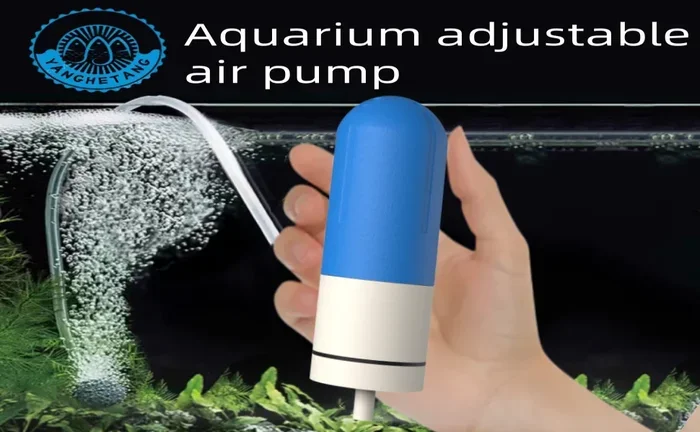
If you decide to add an air pump, picking the right one matters. Not all air pumps are created equal. A too-powerful pump can stress your betta. A too-weak one won’t do much. Here’s what to look for.
Size Matters
Match the air pump to your tank size. Small tanks under 5 gallons need a gentle pump. Look for adjustable models. You can dial back the airflow to keep it soft. For larger tanks, a slightly stronger pump works better. But always aim for gentle flow, not a strong current.
Noise Level
Noise is a real concern with air pumps. Some models vibrate loudly and disturb your betta. Bettas are sensitive to sound and vibration. A noisy pump can cause stress and even affect their sleep. Choose a pump labeled as “quiet” or “whisper.” These are designed to minimize vibrations.
Placing the pump on a soft surface also helps. A foam pad underneath absorbs vibrations. You can also run the air tubing through the tank wall to muffle sound. Small changes make a big difference.
Air Stones and Diffusers
The air stone you choose affects how the pump performs. Fine-pore air stones create tiny bubbles. They look nice and provide gentle aeration. Coarse air stones make bigger bubbles with more agitation. For bettas, fine-pore stones are usually the better choice.
Place the air stone near the back or side of the tank. Avoid putting it right in front of your betta’s favorite resting spot. Bettas like calm areas to relax. You want the aeration to be present but not overwhelming.
Common Mistakes About Air Pumps and Bettas
Many betta owners make avoidable mistakes when it comes to aeration. Learning from these common errors can save you time and protect your fish. Here are the top mistakes to avoid.
- Assuming all tanks need air pumps: Every setup is different. A good filter might be all you need.
- Using a too-powerful pump: Strong currents stress bettas. Always choose gentle aeration.
- Ignoring water temperature: Warm water holds less oxygen. In hot rooms, you might need extra aeration.
- Forgetting to clean the air stone: Mineral buildup reduces airflow. Clean your air stone every few weeks.
- Not monitoring water quality: An air pump doesn’t replace regular water changes and testing.
Another mistake is buying an air pump just because someone told you to. Do your own research. Every tank has different needs. What works for a goldfish tank might not work for a betta setup. Pay attention to your fish’s behavior. They’ll tell you if something isn’t right.
If you want to learn more about how bettas interact with water movement, check out our article on do betta fish like air pump circulation. It dives deeper into how bettas respond to different flow levels.
The Truth About Bettas and Air Pumps
So, should betta fish have an air pump? The honest answer is: it depends. Bettas are hardy fish that can adapt to many conditions. They don’t always need extra aeration. But when they do, an air pump can make a noticeable difference in their health and happiness.
The key is to pay attention to your specific setup. Consider your tank size, filter type, and water temperature. Watch your betta’s behavior daily. These simple steps tell you more than any rule book ever could. A healthy betta is an active, colorful, curious fish. If yours is showing those traits, your current setup is working.
Remember that betta fish tank maintenance goes beyond just aeration. Regular water changes, proper feeding, and good filtration all play a role. An air pump is just one tool in your kit. Use it when it makes sense, and skip it when it doesn’t.
Finally, understand that bettas have individual preferences. Some bettas love gentle bubbles. Others ignore them completely. Observe your fish and adjust accordingly. The best setup is the one that keeps your betta comfortable and thriving for years to come.
If you’re curious about whether bettas need to come up for air at all, we answer that question in detail in our article on do betta fish have to come up for air. It’s a fascinating look at their natural breathing behavior.
Conclusion
Should betta fish have an air pump? The answer is: it depends on your setup. Bettas can live without one thanks to their unique labyrinth organ. But an air pump offers real benefits when used correctly. It boosts oxygen, improves circulation, and supports a healthier tank environment.
The best approach is to understand your betta’s needs and monitor their behavior. Watch for signs of low oxygen. Choose gentle equipment that won’t stress your fish. And remember, a good filter often does the job of an air pump on its own. Keep your tank clean, your water fresh, and your betta happy. That’s the real secret to a thriving betta fish air pump setup.
Frequently Asked Questions
Can a betta fish live without an air pump?
Yes, bettas can live without an air pump. They have a labyrinth organ that lets them breathe air from the surface. As long as your tank has a good filter and regular water changes, your betta will be fine without one.
How do I know if my betta needs more oxygen in the tank?
Watch for signs like gasping at the surface, sluggish movement, or staying near the top constantly. These behaviors often mean your water’s oxygen levels are low. Adding an air pump or adjusting your filter can help quickly.
Will an air pump stress my betta fish?
It can, if the pump is too powerful. Strong water currents make bettas uncomfortable. Choose a gentle air pump and a fine-pore air stone. Keep the flow soft and avoid placing it near your betta’s favorite resting spot.
What is the best air pump size for a betta tank?
Match the pump to your tank size. Small tanks under 5 gallons need a gentle, adjustable pump. Larger tanks over 10 gallons may need a slightly stronger model. Always aim for soft, steady airflow rather than strong bursts.
Do betta fish prefer still water or moving water?
Bettas prefer calm, still water with gentle movement. In the wild, they live in slow-moving streams and rice paddies. Strong currents can stress them. A sponge filter or gentle air stone provides the ideal balance of movement and calm.
Can an air pump replace a filter in a betta tank?
No, an air pump cannot replace a filter. Filters remove debris and toxins from the water. Air pumps add oxygen and circulate water. They work together but serve different purposes. For the best results, use both or choose a filter that provides adequate water movement on its own.