Was My Betta Fish in Pain
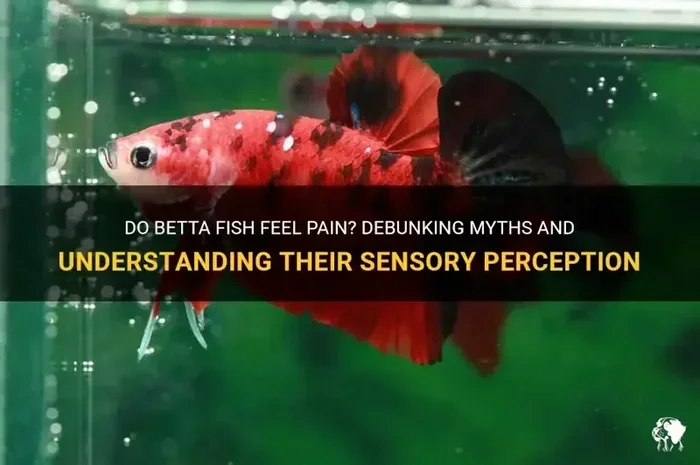
Was my betta fish in pain? Understanding the signs of pain in betta fish helps you act fast and save your pet. Clamped fins, loss of appetite, and unusual hiding are clear distress signals. This guide covers the top causes, visible symptoms, and simple steps to relieve your betta fish pain and keep your aquarium healthy.
Was my betta fish in pain? This is a question every betta owner asks at some point. If your fish has been acting differently, it could be a sign of betta fish pain or distress. Understanding the signs of pain in betta fish helps you respond quickly and effectively.
Betta fish are resilient, but they feel discomfort just like any other living creature. Whether it is a minor issue or something serious, catching the early symptoms of fish pain makes all the difference. In this guide, we will walk you through everything you need to know about identifying, treating, and preventing betta fish discomfort.
We will cover the most common causes of pain, the visible signs to watch for, and practical steps you can take at home. By the end, you will feel confident in your ability to keep your betta healthy and happy.
Key Takeaways
- Know the Signs: Clamped fins, color fading, and rapid breathing are key indicators that your betta was in pain.
- Common Causes: Poor water quality, fin rot, and aggressive tankmates are the top reasons bettas experience discomfort.
- Act Fast: Early detection and treatment can prevent serious health decline and even death in betta fish.
- Prevention Works: Regular tank maintenance and proper feeding go a long way in keeping your betta pain-free.
- Behavior Matters: Changes in swimming patterns or hiding behavior often signal that something is wrong.
- Home Remedies Help: Simple steps like water changes and salt baths can ease mild pain and stress.
- Consult a Vet: Severe or persistent symptoms need professional fish veterinary care for the best outcome.
📑 Table of Contents
- How Do You Know if Your Betta Fish Is in Pain?
- Common Causes of Pain in Betta Fish
- Can Betta Fish Feel Pain in Their Fins?
- How to Treat a Betta Fish in Pain
- Preventing Pain and Keeping Your Betta Healthy
- Common Mistakes That Cause Betta Fish Pain
- When to See a Veterinarian
- Key Takeaways
- Final Thoughts
How Do You Know if Your Betta Fish Is in Pain?
Bettas cannot tell us when they hurt. They show it through their body and behavior. Learning to read these betta fish behavior changes is the first step in helping your fish.
Physical Signs of Pain in Betta Fish
Look closely at your betta’s body. Several physical changes can signal that your fish is suffering. Here are the most common betta fish symptoms to watch for:
- Clamped fins: When a betta holds its fins close to its body, it often means pain or stress.
- Faded color: A healthy betta has bright, vivid colors. Dullness or paleness can indicate distress.
- Red or inflamed gills: Swollen or discolored gills suggest infection or irritation.
- Fin rot or torn fins: Ragged or decaying fins are a clear sign of fin damage and possible pain.
- Swollen body: Bloating can point to internal issues that cause significant discomfort.
- Rapid breathing: If your betta is breathing fast at the surface, it may be in pain or stressed.
Behavioral Signs That Your Betta Is in Pain
Behavioral changes are often the first clue that something is wrong. Bettas in pain act differently from their normal selves. Watch for these fish pain signs:
- Hiding in corners: If your betta is why is my betta fish hiding in the corner, it could be trying to escape discomfort.
- Staying in one spot: A betta that refuses to move may be feeling weak or in pain.
- Swimming in circles: This unusual movement can signal neurological stress or physical pain.
- Loss of appetite: A betta that stops eating is a betta that needs attention.
- Flaring at nothing: Excessive flaring can be a response to internal stress or external irritation.
- Lethargy: Less activity than usual often means your fish is not feeling well.
Understanding these betta fish behavior changes helps you catch problems early. The sooner you act, the better the chances of recovery.
Common Causes of Pain in Betta Fish
Several factors can cause your betta to experience pain. Identifying the root cause is essential for proper treatment. Here are the most common reasons bettas suffer.
Poor Water Quality
Dirty water is the number one enemy of betta fish. Ammonia and nitrite buildup in the tank irritates the gills and skin. Over time, this leads to fish discomfort and serious health issues. A tank that has not been cleaned in weeks can quickly become toxic.
Always test your water parameters regularly. Keep ammonia and nitrite levels at zero. Regular water changes are the simplest way to prevent pain caused by poor tank conditions.
Fin Rot and Infections
Fin rot is a bacterial or fungal infection that eats away at your betta’s fins. It causes pain, redness, and eventually fin loss. Bettas with torn fins from sharp decorations or aggressive tankmates are especially vulnerable.
If you notice frayed or discolored fins, act quickly. Early treatment with aquarium salt or medication can stop the infection from spreading.
Inappropriate Tank Conditions
Betta fish need specific conditions to thrive. Water that is too cold, too hot, or has the wrong pH causes ongoing betta fish stress. A tank that is too small also limits movement and increases toxin buildup.
Keep the water temperature between 76 and 82 degrees Fahrenheit. A tank of at least 5 gallons gives your betta room to swim and stay healthy.
Aggressive Tankmates
Putting your betta with aggressive fish can lead to fin nipping and constant stress. Even fish that seem peaceful can bother a betta. If your betta is always on edge, its tankmates might be the cause of the pain.
Can Betta Fish Feel Pain in Their Fins?
Many owners wonder whether bettas truly feel pain. The answer is yes. Bettas have nerve endings throughout their bodies, including their fins. When fins are damaged or infected, the pain is real and affects their quality of life.
Research on fish pain has grown significantly in recent years. Studies confirm that fish, including bettas, respond to painful stimuli in ways similar to other animals. They avoid painful situations and show behavioral changes when hurt.
For more on this topic, you can read our detailed article on do betta fish feel pain in their fins. Understanding this helps you take your betta’s discomfort seriously and respond with proper care.
How to Treat a Betta Fish in Pain
Once you identify that your betta is in pain, the next step is treatment. The approach depends on the cause. Here are practical steps you can take at home.
Step 1: Test the Water
Start by testing your tank water. Use a liquid test kit to check ammonia, nitrite, nitrate, and pH levels. If any parameter is off, perform a 25 to 50 percent water change immediately. Clean water is the foundation of recovery.
Step 2: Isolate if Needed
If you have other fish in the tank, consider moving your betta to a quarantine tank. This gives it a stress-free environment to heal. It also prevents the spread of any contagious infection.
Step 3: Treat Infections
For fin rot or bacterial infections, use aquarium-safe medications. Melafix and Pimafix are popular options for mild cases. Always follow the dosage instructions carefully. Overmedicating can harm your betta more than the infection itself.
Step 4: Provide Comfort
Keep the tank quiet and dimly lit. Bettas heal better in calm environments. Avoid sudden movements around the tank and limit handling. Adding live plants can also help your betta feel safe and reduce fish stress.
Preventing Pain and Keeping Your Betta Healthy
Prevention is always better than cure. A well-maintained tank and proper care routine keep betta fish pain away. Here are the best practices every betta owner should follow.
Maintain Clean Water
Perform regular water changes of 25 to 30 percent every week. Use a gravel vacuum to remove waste from the substrate. Clean filters monthly, but never replace all filter media at once. This preserves beneficial bacteria that keep your tank stable.
Feed a Balanced Diet
Offer high-quality betta pellets as the staple diet. Supplement with frozen or live foods like brine shrimp and bloodworms. Avoid overfeeding, which can cause bloating and water quality issues. Feed small amounts twice a day.
Choose the Right Tank Setup
A minimum 5-gallon tank with a heater and filter is ideal. Add soft substrate and gentle decorations. Avoid sharp objects that can tear fins. Plants, whether real or silk, provide hiding spots that reduce stress.
Monitor Your Betta Daily
Spend a few minutes each day observing your betta. Notice any changes in color, appetite, or swimming patterns. Early detection of betta fish symptoms leads to faster treatment and better outcomes.
Common Mistakes That Cause Betta Fish Pain
Many well-meaning owners accidentally cause their bettas pain. Avoid these common mistakes:
- Using tiny bowls: Small containers lead to poor water quality and stress.
- Skipping water changes: Toxins build up fast in unfiltered bowls.
- Overcrowding the tank: Too many fish increases aggression and waste.
- Ignoring temperature: Cold water weakens the betta’s immune system.
- Using untreated tap water: Chlorine and chloramine in tap water harm fish gills and skin.
Avoiding these mistakes creates a safe, comfortable home for your betta. A little effort goes a long way in preventing betta fish discomfort.
When to See a Veterinarian
Home treatment works for mild cases. But some situations need professional help. If your betta shows no improvement after a few days of treatment, consult a fish veterinarian. Severe bloating, open sores, or inability to swim are red flags that need urgent attention.
A vet can diagnose underlying conditions that are not visible to the naked eye. They can also prescribe stronger medications if needed. Do not wait too long. Delaying treatment can worsen the condition and reduce your betta’s chances of recovery.
Remember, a betta that is suffering deserves proper care. Trust your instincts as an owner. If something feels wrong, it probably is.
Key Takeaways
- Watch for physical signs: Clamped fins, faded color, and fin rot are clear pain indicators.
- Monitor behavior: Hiding, staying in one spot, and loss of appetite signal distress.
- Fix water quality first: Poor water is the leading cause of betta fish pain and stress.
- Treat infections promptly: Early use of aquarium salt or medication prevents worsening conditions.
- Prevent with good habits: Regular water changes, proper feeding, and a suitable tank setup keep pain away.
- Know when to call a vet: Severe or persistent symptoms need professional fish veterinary care.
Final Thoughts
Was my betta fish in pain? Now you have the tools to answer that question with confidence. Recognizing the signs of pain in betta fish early can save your fish’s life. From physical symptoms like clamped fins to behavioral changes like hiding and loss of appetite, every signal matters.
The most important thing you can do is stay observant. Check your water, watch your betta’s behavior, and act quickly when something seems off. A little attention and care go a long way in keeping your betta healthy and pain-free.
If you have noticed your betta swimming in circles or staying in one spot, do not ignore these signs. They are your betta’s way of telling you it needs help. Take action today and give your fish the comfortable, happy life it deserves.
Finally, if your betta is hiding in the corner more than usual, this could also be a sign of stress or pain. Address the issue quickly with the tips and guidance from this article. Your betta depends on you for its well-being, and with the right knowledge, you can make sure it thrives.
Frequently Asked Questions
How can I tell if my betta fish is in pain?
Look for physical signs like clamped fins, faded color, rapid breathing, and fin rot. Behavioral changes such as hiding, staying in one spot, loss of appetite, and lethargy are also strong indicators of betta fish pain. If you notice several of these signs together, your fish is likely experiencing discomfort.
What causes pain in betta fish?
The most common causes are poor water quality, fin rot, infections, inappropriate tank conditions, and aggressive tankmates. Ammonia buildup, incorrect temperatures, and small tanks all contribute to betta fish stress and physical pain.
Can I treat my betta fish pain at home?
Yes, mild cases can often be treated at home. Start with a water change, test your water parameters, and use aquarium salt or mild medications for infections. Keep the tank calm and quiet. However, severe symptoms like open sores or severe bloating require a visit to a fish veterinarian.
How do I prevent my betta from experiencing pain?
Maintain clean water with regular changes, feed a balanced diet, and keep the tank at the right temperature. Avoid sharp decorations and aggressive tankmates. A well-set-up 5-gallon tank with a heater and filter is the best prevention against betta fish discomfort.
Do betta fish feel pain in their fins?
Yes, bettas have nerve endings in their fins and can feel pain from damage, infections, or irritation. Fin rot, torn fins, and fin nipping from tankmates all cause real pain. For more details, you can read about whether betta fish feel pain in their fins on our site.
When should I take my betta to a vet?
Take your betta to a vet if home treatment does not improve symptoms within a few days. Severe bloating, open wounds, inability to swim, or persistent loss of appetite are urgent signs. A professional fish veterinarian can diagnose hidden conditions and provide stronger treatment options.