What Affects Betta Fish Activity
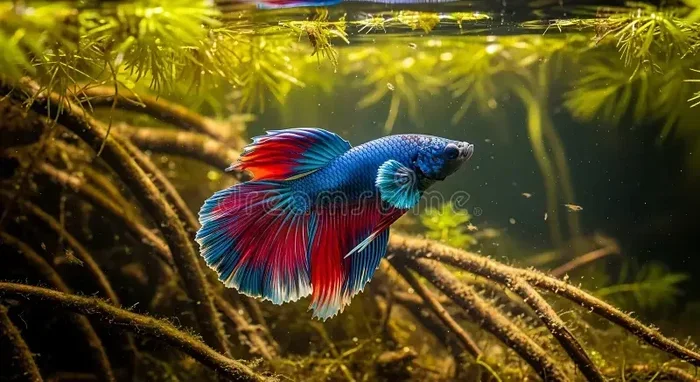
Many factors influence betta fish activity, from water temperature and tank size to feeding habits and tank mates. Understanding what drives your betta’s energy levels helps you create a thriving environment. This guide covers the top causes of lethargy and hyperactivity, with practical tips to keep your betta healthy and engaged.
Have you ever watched your betta fish sit at the bottom of the tank and wondered what went wrong? Maybe your betta used to be lively and now seems totally still. Or perhaps your betta is swimming frantically and won’t settle down. Either way, betta fish activity is a window into their overall health and happiness.
There are many reasons a betta’s energy levels change. Some causes are easy to fix. Others need a closer look at your tank setup. In this article, we will break down everything that affects how active your betta fish is. You will learn what to watch for, what to change, and how to keep your fish thriving.
Whether you are a new betta owner or have kept these fish for years, this guide gives you the answers you need. Let us dive in and explore the world of betta fish behavior together.
Key Takeaways
- Water temperature plays a huge role: Bettas need warm water between 76-82°F to stay active and healthy.
- Tank size matters for behavior: A tank that is too small or too large can affect your betta’s activity levels.
- Feeding habits directly impact energy: Overfeeding or underfeeding can make your betta sluggish or restless.
- Tank mates and environment shape mood: Stress from aggressive fish or lack of stimulation reduces activity.
- Water quality is a silent killer: Poor water conditions cause lethargy and long-term health problems.
- Lighting and day-night cycles count: Bettas need a consistent schedule to maintain natural activity patterns.
📑 Table of Contents
- Why Betta Fish Activity Levels Matter
- Water Temperature and Its Effect on Betta Activity
- Water Quality and How It Drives Betta Behavior
- Tank Size and Environment
- Feeding Habits and Their Impact on Energy
- Tank Mates and Social Factors
- Lighting and Day-Night Cycles
- Health Issues That Reduce Betta Activity
- Common Mistakes That Lower Betta Activity
- Expert Insights on Betta Fish Activity
- Conclusion
Why Betta Fish Activity Levels Matter
Active bettas are happy bettas. When your fish swims around the tank exploring, interacting with decorations, and coming to the surface for food, that is a great sign. But when activity drops or spikes suddenly, something is off. Paying attention to betta fish behavior helps you catch problems early.
A healthy betta fish should be curious and alert. They should swim smoothly and respond to their surroundings. If you notice changes in how much or how often your betta moves, it is time to investigate. Early action can prevent serious health issues down the road.
Signs of Normal Activity
Before we look at what goes wrong, let us talk about what normal looks like. A healthy betta fish will:
- Swim around the tank throughout the day
- Come to the surface to breathe and eat
- Explore plants and decorations
- Build bubble nests (in males)
- Respond to movement near the tank
These behaviors show that your betta is comfortable and engaged. If your fish is doing most of these things regularly, you are on the right track.
Water Temperature and Its Effect on Betta Activity
Water temperature is one of the biggest factors that affects betta fish activity. Bettas are tropical fish, and they need warm water to stay healthy. When the temperature drops too low, their metabolism slows down. This makes them sluggish and tired.
On the other hand, water that is too hot can cause stress and hyperactivity. Your betta may swim erratically or gasp at the surface. The ideal range for a betta fish tank is between 76 and 82 degrees Fahrenheit.
For more detailed guidance on the perfect range, check out our article on What Water Temperature Do Betta Fish Like. It covers temperature preferences in depth and helps you dial in your setup.
What Happens When Water Is Too Cold
If the water drops below 74°F, your betta will start to slow down. You may notice:
- Floating near the bottom of the tank
- Refusing to eat
- Clamped fins close to the body
- Slow or labored breathing
These are signs of a cold-stressed betta. Adding an aquarium heater can quickly solve this problem. Always use a thermometer to monitor the temperature daily.
What Happens When Water Is Too Hot
Water above 84°F can cause the opposite problem. Your betta may become restless and swim aggressively. Hot water also holds less oxygen, which adds to the stress. If your tank is in a sunny spot, move it away from direct sunlight to avoid temperature spikes.
Water Quality and How It Drives Betta Behavior
Clean water is the foundation of a healthy, active betta. Poor water quality is one of the top reasons bettas become inactive. Ammonia, nitrite, and nitrate buildup in the tank can make your fish feel unwell and tired.
Even if the water looks clear, harmful chemicals can be present. This is why regular testing and water changes are so important. A water change of 25 to 30 percent every week keeps the tank fresh and your betta energized.
The Role of pH Level
Betta fish prefer a pH level between 6.5 and 7.5. Water that is too acidic or too alkaline can irritate their gills and skin. This leads to stress, which directly affects activity levels. If you are unsure about your water’s pH, grab a simple test kit from your local pet store.
For a deeper look at the best water options, read our guide on What Water Does Betta Fish Need. It covers pH, hardness, and more.
How Ammonia Affects Your Betta
Even tiny amounts of ammonia can harm your betta. Signs of ammonia exposure include:
- Red or inflamed gills
- Rapid breathing
- Hiding more than usual
- Loss of appetite
If you spot these signs, test the water immediately and perform a large water change. Your betta’s activity level should improve once the water is clean again.
Tank Size and Environment
The size and setup of your tank play a big role in betta fish activity. A cramped space makes your fish feel trapped and stressed. A well-designed tank gives your betta room to explore and stay active.
Many people think bettas are fine in tiny bowls. That is a myth. Bettas need at least 5 gallons of water to thrive. In a small bowl, they get bored quickly and become lethargic. A larger tank with gentle filtration gives them space to swim and stay fit.
For the right tank size for your betta, visit our article on What Size Tank Should Betta Fish Live In. It helps you choose the perfect home for your fish.
Why Tank Setup Matters
Your tank setup affects more than just space. Here are key environmental factors that influence betta fish behavior:
- Hiding spots: Plants and caves give your betta places to rest and feel safe.
- Open swimming areas: Bettas need room to glide around freely.
- Filter flow: Too strong a current exhausts your betta. Use a sponge filter for gentle flow.
- Substrate: A soft, smooth substrate prevents fin damage and looks natural.
Adding live plants is another great way to boost activity. Plants create a more natural environment and give your betta things to explore. Check out our guide on What Live Plants For Betta Fish for the best plant options.
Feeding Habits and Their Impact on Energy
What and how you feed your betta directly affects their activity levels. A well-fed betta is an active betta. But overfeeding or feeding the wrong foods can cause energy crashes and health problems.
Bettas are carnivores. They need protein-rich food to stay healthy. High-quality betta pellets should be the staple of their diet. You can also offer frozen or live foods like brine shrimp and bloodworms as treats.
For more ideas on what to feed your betta beyond regular food, see our article on What To Feed Betta Fish Besides Fish Food. It is packed with helpful suggestions.
How Overfeeding Affects Activity
Overfeeding is one of the most common mistakes betta owners make. When you give your fish too much food, several problems follow:
- The tank gets dirty faster from uneaten food
- Your betta becomes bloated and uncomfortable
- Digestion issues reduce energy levels
- Excess waste raises ammonia levels
A bloated, overfed betta will swim less and rest more. Feed your betta 2 to 3 pellets twice a day. Skip one feeding day per week to help their digestive system reset.
Underfeeding and Low Energy
On the flip side, not enough food leaves your betta weak and tired. A malnourished fish will have low activity levels and faded colors. If your betta is losing weight or looking thin, increase the portion size slightly or add more frequent feedings.
Tank Mates and Social Factors
Bettas are known for being solitary fish. But that does not mean they enjoy total isolation. The right tank mates can provide stimulation and reduce boredom. The wrong tank mates, however, cause stress and reduce activity.
Male bettas, in particular, should not be housed with other male bettas. They will fight and become highly stressed. Even female bettas can be aggressive if the tank is too small or overcrowded.
For the best tank mate options, read our article on What Types Of Fish Can Live With A Betta. It lists compatible species that won’t stress out your betta.
Signs of Stress from Tank Mates
If your betta is stressed by other fish, you may notice:
- Hiding in corners or behind decorations
- Flaring fins at other fish constantly
- Loss of color
- Rapid or erratic swimming
- Refusing to eat
Remove aggressive tank mates right away. Give your betta a peaceful environment to recover their energy and natural activity patterns.
Lighting and Day-Night Cycles
Many people overlook lighting when thinking about betta fish activity. But light plays a big role in regulating your fish’s sleep-wake cycle. Bettas need a consistent day-night schedule to stay healthy and active.
Too much light can overstimulate your betta and keep them awake. Too little light can make them sleepy and depressed. Aim for 8 to 10 hours of light per day. Use a timer on your tank light to keep the schedule consistent.
Also, avoid placing the tank near a window where direct sunlight can cause temperature swings. A simple LED aquarium light on a timer is the best setup for most betta tanks.
How Lighting Affects Sleep Patterns
Bettas need darkness to sleep properly. If your tank light stays on all night, your betta may become restless. Over time, lack of sleep leads to a weakened immune system and low activity. Give your betta a dark, quiet period each night to recharge.
Health Issues That Reduce Betta Activity
Sometimes, low activity is a sign of illness. Bettas are prone to several common health problems that drain their energy. Knowing the signs helps you act fast and get your fish the care they need.
The most common health issues that affect betta fish activity include:
- Fin rot: Caused by bacteria, this leads to ragged or dissolving fins and lethargy.
- Swim bladder disease: Makes it hard for your betta to swim normally, causing them to float or sink.
- Parasites: Internal or external parasites drain energy and cause scratching against decorations.
- Bloating: Often from overfeeding or poor diet, bloating makes bettas inactive and uncomfortable.
If your betta shows signs of illness, isolate them in a quarantine tank and check the water parameters. For more information on betta health concerns, see our article on Do Betta Fish Carry Disease That Affects Humans to understand potential risks.
Quick Tips to Boost Betta Activity
Want to see your betta more active? Try these simple tips:
- Keep the water temperature steady between 76 and 82°F
- Perform weekly water changes of 25 to 30 percent
- Feed a balanced diet of pellets and occasional treats
- Add live plants and gentle decorations for exploration
- Use a timer for consistent lighting
- Avoid aggressive tank mates
- Test water parameters regularly with a liquid test kit
These small changes can make a big difference in your betta’s energy and overall well-being. A happy betta is an active betta.
Common Mistakes That Lower Betta Activity
Even experienced fish keepers make mistakes. Here are the most common errors that reduce betta fish activity and what you can do about them.
Mistake 1: Keeping your betta in a tiny bowl. A bowl under 5 gallons restricts movement and builds toxins fast. Upgrade to a proper tank as soon as possible.
Mistake 2: Skipping water changes. Dirty water stresses your betta and lowers their immune system. Stick to a weekly maintenance schedule.
Mistake 3: Overfeeding. Excess food clouds the water and causes bloating. Feed small amounts and remove any uneaten food after a few minutes.
Mistake 4: Ignoring tank mates. Housing your betta with aggressive fish creates constant stress. Choose peaceful, compatible species.
Mistake 5: Neglecting the heater. Room temperature water is too cold for bettas. An aquarium heater is a must-have, not a luxury.
Expert Insights on Betta Fish Activity
Veterinarians and experienced betta keepers agree on a few key points about betta fish behavior. First, every betta has a unique personality. Some are naturally more active than others. Age also plays a role. Younger bettas tend to be more energetic, while older fish slow down naturally.
Second, changes in activity are usually gradual. If your betta suddenly becomes very inactive or very hyperactive, that is a red flag. Gradual changes are more likely tied to seasonal shifts or minor environmental adjustments.
Finally, observation is your best tool. Spend a few minutes each day watching your betta. Note their swimming patterns, eating habits, and interaction with the tank. Over time, you will learn what is normal for your fish and spot problems quickly.
Conclusion
Betta fish activity depends on many factors working together. Water temperature, quality, tank size, feeding habits, tank mates, lighting, and health all play a role. By paying attention to these areas, you can create the perfect environment for a happy, active betta.
Start with the basics. Keep the water warm and clean. Feed a balanced diet. Give your betta enough space and gentle company. These simple steps go a long way toward keeping your fish vibrant and engaged.
Remember, a healthy betta is an active betta. Use the tips in this guide to make smart changes today. Your fish will thank you with energy, color, and personality for years to come.
Frequently Asked Questions
Why is my betta fish not moving much?
Low activity in betta fish is often caused by cold water, poor water quality, or overfeeding. Check the temperature first and make sure it is between 76 and 82°F. Then test the water for ammonia and nitrite levels. If both are fine, consider adjusting your feeding routine.
How can I make my betta fish more active?
Keep the water temperature stable, perform regular water changes, and provide a well-sized tank with plants and decorations. A balanced feeding schedule and compatible tank mates also help boost your betta’s energy and natural curiosity.
Is it normal for betta fish to be less active at night?
Yes, bettas naturally slow down at night. They need darkness to sleep properly. If your betta is active during the day and rests at night, that is perfectly normal and healthy. Avoid leaving tank lights on overnight.
Can stress cause a betta fish to become inactive?
Absolutely. Stress from aggressive tank mates, poor water conditions, or a cramped tank can make a betta fish hide and become lethargic. Reducing stressors and improving the environment usually brings back their natural activity levels.
What temperature is too cold for a betta fish?
Water below 74°F is too cold for betta fish. At this temperature, their metabolism slows and they become sluggish. Always use an aquarium heater to maintain a stable and warm temperature in your betta tank.
Does tank size really affect betta fish activity?
Yes, tank size has a direct impact on how active your betta is. A tank smaller than 5 gallons limits swimming space and allows toxins to build up quickly. A properly sized tank gives your betta room to explore and stay physically and mentally stimulated.