How Smart Is My Betta Fish
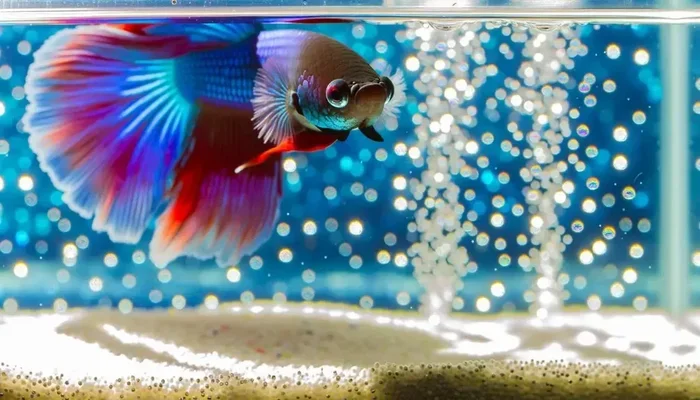
Your betta fish is far smarter than most people realize. Bettas can recognize their owners, learn tricks, solve simple problems, and even remember things for months. This guide covers everything about betta fish intelligence, from memory and learning to training tips that will surprise you.
Have you ever stared into your betta fish tank and wondered if your fish is just floating around or actually thinking? The truth might surprise you. Betta fish intelligence is a fascinating topic that has gained a lot of attention among fish keepers and scientists alike.
These colorful little creatures are far more capable than most people give them credit for. Bettas can recognize their owners, remember patterns, and even learn simple tricks. If you have ever asked yourself, “How smart is my betta fish?” this article has your answer.
We will explore everything from betta fish cognition and memory to training techniques and signs of intelligence. By the end, you will see your betta in a completely new light. Let us dive in.
Key Takeaways
- Betta fish have impressive memory: They can remember things for months and recognize their owners.
- Betta fish can learn tricks: With patience, you can train your betta to follow your finger, jump, and more.
- They show problem-solving skills: Bettas can navigate mazes and figure out simple puzzles.
- Betta fish have distinct personalities: Each fish shows unique behavior and emotional responses.
- Tank enrichment boosts intelligence: A stimulating environment keeps your betta mentally sharp.
- Betta fish interact with their owners: They can recognize faces and respond to routine.
- Signs of a smart betta include curiosity, responsiveness, and alertness.
📑 Table of Contents
- Understanding Betta Fish Intelligence
- Betta Fish Memory: More Than You Think
- Training Your Betta Fish: Proof of Intelligence
- Betta Fish Behavior and What It Reveals
- Tank Enrichment and Mental Stimulation
- How Smart Is My Betta Fish Compared to Other Fish?
- Common Myths About Betta Fish Intelligence
- Conclusion
Understanding Betta Fish Intelligence
When we talk about how smart betta fish are, we are really asking how they think, learn, and respond to the world around them. Fish intelligence is not the same as human intelligence, but that does not mean it is not real or impressive.
Betta fish belong to the gourami family, and they have a relatively complex brain for a fish. Their brain allows them to process information, form memories, and make decisions based on past experiences. This is more than many people expect from a small aquarium pet.
What Does Intelligence Look Like in Fish?
In the fish world, intelligence shows up in different ways. It is not about solving math problems. Instead, it is about survival behaviors, learning ability, and adaptation. A smart betta fish will:
- Recognize feeding times and get excited when you approach the tank
- Remember where food appears even after being moved to a different part of the tank
- React to their owner differently than to strangers
- Explore new objects in their environment with curiosity
- Learn to avoid dangers after a negative experience
These behaviors show that betta fish are constantly processing information. They are not just swimming around on autopilot. Every movement and reaction tells us something about their mental capabilities.
Betta Fish Memory: More Than You Think
One of the most studied areas of betta fish intelligence is memory. The old myth that fish have a three-second memory has been completely debunked. Research shows that bettas can retain information for months.
Studies have demonstrated that betta fish can remember the location of food sources, recognize patterns, and recall avoidance behaviors long after the experience. This kind of memory is essential for survival in the wild and shows a level of cognitive ability that goes beyond simple reflexes.
If you want to test your own fish, try checking what affects betta fish memory span to understand how long your fish can hold onto information.
How Long Can a Betta Remember Things?
Research suggests that betta fish can remember things for up to several months. In experiments, bettas trained to navigate a maze were able to recall the route weeks later without any refresher training. This is a strong indicator of both short-term and long-term memory.
In home aquariums, owners often report that their bettas recognize them after weeks or even months of not seeing them. The fish will swim to the front of the tank and display excitement when their owner approaches. This kind of recognition is a clear sign of memory and association.
Training Your Betta Fish: Proof of Intelligence
One of the best ways to see how smart your betta fish is is to try training it. Yes, betta fish can be trained! With patience and consistency, you can teach your betta to follow your finger, swim through hoops, and even jump for food.
Training works because bettas are capable of associative learning. This means they can connect a specific action with a specific result. When they learn that following your finger leads to food, they will keep doing it.
Basic Training Techniques
Here are some simple training steps you can try at home:
- Start with finger following. Place your finger on the outside of the tank. When your betta swims toward it, reward with food. Repeat daily.
- Use a target stick. A small stick or pencil placed near the water surface can teach your betta to swim to a specific spot.
- Try hoop jumping. Lower a small hoop into the tank and guide your betta through it with food rewards.
- Be patient and consistent. Training sessions should be short, around 5 to 10 minutes, to keep your betta engaged.
Training not only proves intelligence but also strengthens the bond between you and your fish. It provides mental stimulation that keeps your betta healthy and active.
If you are interested in training your betta, also check out our guide on how to properly feed your betta fish to understand the best reward-based training methods.
Betta Fish Behavior and What It Reveals
Behavior is one of the clearest windows into betta fish cognition. The way your betta acts throughout the day tells you a lot about its mental state and intelligence level. Paying attention to these behaviors can help you understand your fish better.
Signs of a Smart Betta Fish
Not all bettas show the same level of intelligence, but there are common signs that point to a sharp fish:
- Curiosity about new objects placed in the tank
- Responsiveness to external stimuli like sounds or movement outside the tank
- Exploring the entire tank rather than staying in one spot
- Recognizing their owner and reacting differently to familiar vs. unfamiliar people
- Showing boredom or frustration when the environment is too repetitive
If your betta does any of these things, you have a fish that is paying attention and processing its surroundings. This is a strong indicator of above-average intelligence for a fish.
Some owners notice their betta staring at them from the tank, which is actually a sign of awareness and recognition. Bettas are naturally curious creatures, and their alertness shows mental engagement.
Understanding Betta Fish Personalities
Just like people, every betta fish has its own personality. Some are bold and adventurous, while others are shy and cautious. These personality differences are tied to individual cognitive styles and show that bettas are not all the same.
A bold betta might explore every corner of the tank and approach new things quickly. A shy betta might hide more often and take longer to warm up. Neither is “smarter” than the other. They are simply different in how they process and respond to their environment.
Understanding your betta’s personality helps you provide better care. For example, a highly curious betta needs more tank enrichment to stay mentally stimulated. A shy betta might need more hiding spots to feel secure.
Tank Enrichment and Mental Stimulation
A big part of keeping your betta mentally sharp is providing the right environment. A bare tank with nothing but a filter and a heater is not enough for a smart fish. Bettas need enrichment to stay healthy and engaged.
Tank enrichment means adding elements that stimulate your betta’s mind and natural behaviors. This can include plants, caves, tunnels, and even puzzle feeders. The more your betta has to think and explore, the more its intelligence stays active.
Best Enrichment Ideas for Betta Fish
- Live or silk plants: These give your betta places to explore and hide, which encourages natural behavior.
- Floating logs and leaves: Bettas love resting on these, and they add visual variety to the tank.
- Puzzle feeders: These make your betta work a little for food, which keeps its problem-solving skills sharp.
- Mirror sessions (short): Brief mirror exposure can stimulate your betta and provide mental exercise.
- Regular tank rearrangements: Moving decorations occasionally gives your betta a “new environment” to explore.
Providing enrichment is not just about fun. It directly impacts your betta’s well-being. A mentally stimulated betta is a healthier, happier, and more active fish. On the flip side, a betta with no stimulation can become bored and depressed.
If you want to learn more about keeping your betta mentally and physically healthy, read about how to cure betta fish depression for helpful tips on boosting your fish’s mood and engagement.
How Smart Is My Betta Fish Compared to Other Fish?
Betta fish are often considered one of the smarter freshwater aquarium fish. Compared to many common community fish like tetras or guppies, bettas show higher levels of awareness, learning ability, and behavioral complexity.
While they are not as intelligent as mammals or birds, they hold their own among fish species. Their cognitive abilities are comparable to other gourami species and some cichlids, which are known for being relatively smart fish.
Here is a quick comparison of betta fish intelligence against other common aquarium fish:
| Fish Species | Learning Ability | Memory Span | Social Intelligence |
|---|---|---|---|
| Betta Fish | High | Several months | Moderate (territorial) |
| Goldfish | Moderate | Several months | Low |
| Guppies | Low to Moderate | Short-term | Moderate (schooling) |
| Cichlids | High | Long-term | Moderate to High |
| Tetras | Low | Short-term | High (schooling) |
As you can see, bettas rank high in learning ability and memory. This makes them one of the best fish species for owners who want to interact with and train their pets.
It is also worth noting that bettas are solitary fish by nature. Unlike schooling fish that rely on group intelligence, bettas have evolved to be independent problem solvers. This independence is a key part of their cognitive makeup.
If you have noticed your betta pacing back and forth in the tank, this could be a sign of boredom or frustration. Providing more mental stimulation can help reduce this behavior and keep your betta engaged.
Common Myths About Betta Fish Intelligence
There are several myths floating around about betta fish and their intelligence. Let us clear up some of the most common misconceptions.
Myth 1: Fish Only Have a Three-Second Memory
This is perhaps the most persistent myth about fish intelligence. The truth is that betta fish can remember things for months. Studies have proven this time and again. Your betta remembers you, its feeding schedule, and its environment.
Myth 2: Bettas Are Just Pretty Faces
While bettas are absolutely beautiful, they are far from being just decoration. They are active, curious, and responsive creatures that interact with their environment and their owners in meaningful ways.
Myth 3: Small Brain Means Small Intelligence
Brain size does not always equal intelligence. Bettas have a brain that is perfectly adapted for their needs. They may not be solving complex equations, but their ability to learn, remember, and adapt is genuinely impressive for a creature their size.
Myth 4: Bettas Cannot Feel Anything
Research shows that bettas can experience stress, excitement, and even boredom. Their behavioral responses to different situations suggest a level of emotional awareness that goes beyond simple instinct.
Understanding these myths helps us appreciate our bettas for what they truly are. They are not just pets. They are thinking, feeling creatures that deserve our respect and attention.
If you ever notice changes in your betta’s behavior that concern you, it is important to know the difference between normal behavior and signs of illness. Check out our guide on how to tell if your betta fish is sick to learn what to watch for.
Conclusion
So, how smart is my betta fish? The answer is clearer now. Betta fish are surprisingly intelligent creatures with strong memories, the ability to learn, and distinct personalities. They can recognize their owners, solve simple problems, and respond to their environment in meaningful ways.
By providing a stimulating tank environment, engaging in training, and paying attention to their behavior, you can help your betta reach its full cognitive potential. The more you interact with your fish, the more you will discover just how capable and aware it really is.
Your betta is not just swimming around aimlessly. It is observing, learning, and remembering every day. And that is something worth appreciating every time you look into the tank.
Frequently Asked Questions
Can betta fish recognize their owners?
Yes, betta fish can recognize their owners through visual cues and association with feeding times. Many owners report that their bettas swim to the front of the tank and show excitement when they approach.
How can I tell if my betta fish is bored?
Signs of boredom in bettas include lethargy, repetitive swimming patterns, and lack of interest in food or surroundings. Providing tank enrichment like plants, caves, and puzzle feeders can help keep your betta mentally stimulated.
Can betta fish learn tricks?
Absolutely. With patience and positive reinforcement, bettas can learn to follow fingers, swim through hoops, and even jump for food. Training sessions should be short and consistent for the best results.
Do betta fish have feelings?
While we cannot measure feelings the same way we do in humans, bettas do show behavioral responses that suggest emotional awareness. They can experience stress, excitement, and frustration based on their environment and interactions.
Is it normal for my betta fish to stare at me?
Yes, bettas often stare at their owners because they are curious and alert. This behavior shows awareness and recognition. If you notice your betta staring at you frequently, it is a sign of a mentally engaged fish.
How does tank setup affect betta fish intelligence?
A well-enriched tank with plants, hiding spots, and varied scenery keeps your betta mentally active. A bare, boring tank can lead to lethargy and reduced cognitive engagement. Adding enrichment elements directly supports your betta’s mental health and sharpness.