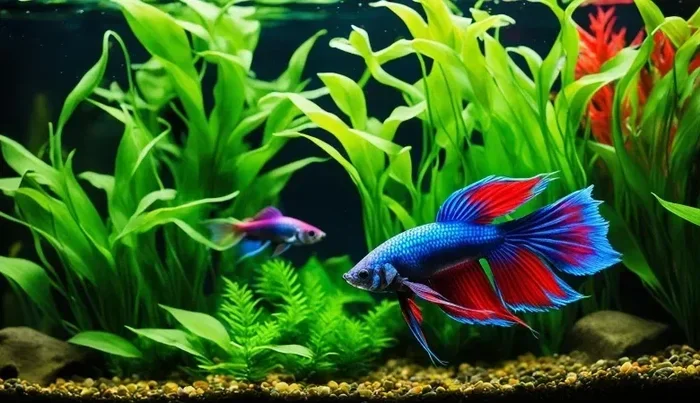
Do Betta Fish Jump Out of Their Bowls

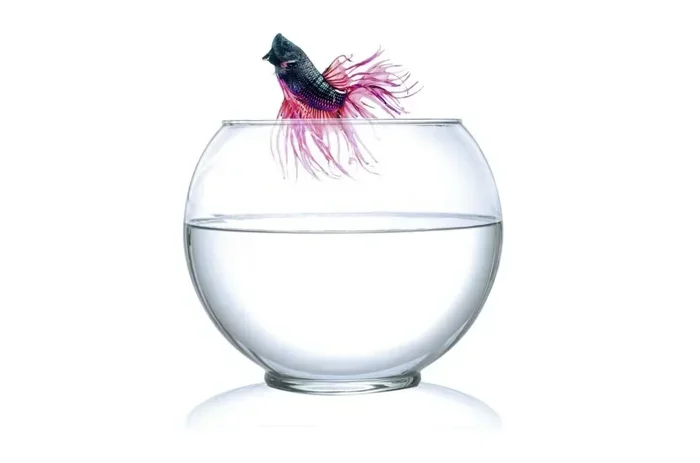
Yes, betta fish can and do jump out of their bowls, and it happens more often than most owners realize. Understanding why betta fish jump out of their bowls is the first step toward keeping your pet safe and healthy. This guide covers the main causes, prevention methods, and essential bowl setup tips every betta owner should know.
Do betta fish jump out of their bowls? The short answer is yes, and it is something every betta owner needs to take seriously. Betta fish are natural jumpers, and their small, round bowls make it incredibly easy for them to launch themselves out. When a betta jumps out of its bowl, the results can be tragic if no one acts fast. This article will walk you through exactly why betta fish jump out of water, what drives this behavior, and how you can stop it from happening.
Whether you are a new betta owner or have had these beautiful fish for years, understanding betta fish jumping is essential. A lot of people think bettas are low-maintenance pets that can live in tiny bowls with no fuss. That is a myth. Bettas need proper care, a safe environment, and smart setup choices to stay healthy and happy. One of the most important parts of that setup is preventing escapes.
By the end of this guide, you will know exactly what causes your betta to jump, how to set up a safe bowl or tank, and what to do if your fish does escape. Let us dive right in.
Key Takeaways
- Betta fish jump out of bowls due to stress, poor water quality, and lack of cover.
- A tight-fitting lid or mesh cover is the single most effective way to prevent escapes.
- Bowl size matters — small bowls increase stress and jumping behavior in bettas.
- Water temperature and quality play a big role in your betta’s overall behavior.
- Bettas are natural jumpers, so prevention should always be part of your setup.
- Quick action after a jump can save your betta’s life if they land outside the water.
📑 Table of Contents
Why Do Betta Fish Jump Out of Their Bowls?
Betta fish jump for a reason. It is not random behavior or a sign that your fish is trying to escape you. Understanding the reasons why betta fish jump out of their bowls is the key to fixing the problem.
Natural Instinct and Curiosity
In the wild, bettas live in shallow rice paddies, slow-moving streams, and flood plains in Southeast Asia. These environments often have low water levels, which means bettas naturally jump to explore, catch insects above the water, and move between pools. Your pet betta carries this same instinct, even in a bowl on your desk.
When a betta sees movement above the water, like a flying insect or a shadow, it may leap out of curiosity. This is normal betta fish behavior and shows that your fish is alert and active. The problem starts when there is nothing stopping them from actually getting out.
Stress and Poor Water Quality
Stress is one of the biggest reasons bettas jump. When the water in their bowl is dirty, too warm, or low in oxygen, bettas become stressed. A stressed betta is more likely to try jumping out of the tank or bowl in search of better conditions.
Common causes of stress include:
- Dirty water with high ammonia or nitrite levels
- Water that is too warm or too cold
- Lack of hiding spots or enrichment
- Bright lights shining directly into the bowl
- Aggressive tank mates or loud noises nearby
If your betta fish is puffing out its gills or staying at the top of the bowl gasping, those are clear signs of stress. Many owners ask why does my betta fish jump out of the water, and poor water quality is almost always the answer.
Low Oxygen Levels
Betta fish have a special organ called the labyrinth organ that lets them breathe air from the surface. In a small bowl with low oxygen levels, your betta may jump out of the water to find fresher air. This is especially common in bowls without a filter or air pump.
Adding a gentle filter and maintaining good water flow can help increase oxygen levels. You can also learn more about why betta fish jump out of the water by observing when the jumping happens most often — usually at night or early morning when oxygen levels are lowest.
Bowl Size and Space
Do betta fish like a lot of space? Absolutely. A tiny bowl restricts movement and makes bettas feel trapped. When a fish feels confined, it is more likely to exhibit jumping behavior. A bowl that is too small also means water parameters fluctuate faster, which adds to stress.
Most experts recommend at least a 5-gallon tank for a single betta. Anything smaller, like a classic round bowl, makes it harder to maintain stable conditions and increases the chance of your betta trying to escape.
How to Prevent Your Betta Fish from Jumping Out
The good news is that preventing betta fish jumping out of bowls is totally doable with the right setup. Here are the most effective methods every betta owner should use.
Use a Lid or Cover
The single best way to stop your betta from escaping is to put a tight-fitting lid or mesh cover on the bowl or tank. Betta fish can squeeze through surprisingly small gaps, so make sure there are no openings large enough for your fish to fit through.
Many aquarium hoods work great for this. You can also use a mesh screen cut to size. Some owners even use plastic wrap with small holes for airflow, though a proper mesh cover is a better long-term solution.
If you have ever wondered will betta fish jump out of their bowl, the answer is yes — unless you put a cover on it. This is the most important step you can take.
Increase Bowl Size
Upgrading from a tiny bowl to a larger tank gives your betta more room to swim and reduces stress. A 5-gallon or larger tank with a proper lid is the ideal setup. Larger water volumes also stay more stable, which means fewer sudden changes that can stress your fish out.
Here is a quick comparison of bowl sizes and their effects on betta behavior:
- Under 1 gallon: Very high stress, frequent jumping, poor water quality, short lifespan
- 1-3 gallons: Moderate stress, occasional jumping, needs frequent water changes
- 5+ gallons: Low stress, minimal jumping, stable water parameters, healthier fish
Keep Water Quality High
Clean water is one of the best ways to reduce betta fish stress and prevent jumping. Regular water changes, proper filtration, and testing for ammonia and nitrite levels should be part of your routine.
Quick tips for maintaining great water quality:
- Change 25-30% of the water every week
- Use a water conditioner to remove chlorine and chloramine
- Test water parameters at least once a week
- Avoid overfeeding, which fouls the water quickly
- Keep the water temperature between 76-82°F (24-28°C)
Add Plants and Enrichment
Betta fish love to explore. Adding live or silk plants, caves, and other decorations gives your betta things to do and reduces boredom. A bored or understimulated betta is more likely to try jumping out of the tank.
You can also find out more about what do betta fish have inside their tank to understand how enrichment affects their behavior. Plants also help oxygenate the water naturally, which supports better breathing at the surface.
Lower the Water Level Slightly
This might sound counterintuitive, but leaving a small gap between the water surface and the lid can actually help. Betta fish need to access the surface to breathe air. A small gap gives them room to do so without building up too much pressure, which can sometimes trigger a jump.
However, the gap should be small enough that your betta cannot squeeze through. The goal is to balance air access with escape prevention.
What to Do If Your Betta Fish Jumps Out
If you find your betta fish on the floor or outside the bowl, do not panic. Time is critical, but you can save your fish if you act quickly.
Step-by-Step Rescue Guide
- Gently pick up your betta with a soft net or damp hands. Never grab with dry hands or squeeze.
- Place the fish back in the bowl or tank immediately. Make sure the water is clean and at the right temperature.
- Check for injuries like damaged fins, redness, or difficulty swimming.
- Observe your betta for the next few hours. Look for signs of stress like hiding, not eating, or erratic swimming.
- Add a pinch of aquarium salt (if appropriate) to help with any minor wounds or stress recovery.
After a jump, many owners notice their betta hanging at the top of the tank or acting differently. This is normal right after the shock, but if it lasts more than a day, check your water parameters and consider a partial water change.
Also, take a moment to figure out why your betta fish jumped out of the tank in the first place. Was the water dirty? Was the bowl too small? Was there no lid? Addressing the root cause is the only way to prevent it from happening again.
Common Mistakes Betta Owners Make
Even well-meaning owners make mistakes that increase the risk of their betta jumping out. Here are the most common ones to avoid.
Using a Bowl With No Lid
This is the number one mistake. Many people buy a cute round bowl, fill it with water, and leave it open. Without a lid, your betta is one jump away from being on your floor, possibly injured or worse. Always use a cover, no matter how small your setup is.
Overfeeding Your Betta
Overfeeding causes water quality to drop fast. Dirty water leads to stress, and stressed bettas jump more. Feed your betta small amounts 1-2 times a day and remove any uneaten food after a few minutes.
Ignoring Water Temperature
Betta fish are tropical and need warm, stable water. Cold water slows them down and makes them sluggish, while hot water reduces oxygen levels. Both conditions can trigger escape attempts. Do betta fish bowls need a heater? Yes, especially in rooms that get cold at night.
Placing the Bowl in a High-Traffic Area
Bettas can get startled by sudden movements, loud noises, or vibrations. Placing the bowl near a TV, door, or busy hallway can cause chronic stress, which increases jumping behavior. Choose a quieter spot where your betta can feel safe.
Expert Tips for a Safe Betta Setup
Here are some pro tips that experienced betta owners swear by to keep their fish safe and happy.
- Always use a lid. This is non-negotiable. A mesh or fitted lid is the best investment you can make.
- Keep the tank at least 5 gallons. Larger is always better for betta health and behavior.
- Test water weekly. A simple test kit takes minutes and catches problems before they hurt your fish.
- Do not keep your betta in a bowl with no filter. A gentle sponge filter helps maintain clean water and stable oxygen levels.
- Watch your betta’s behavior daily. If you notice your betta swimming near the surface more than usual or trying to jump, check the water quality and temperature right away.
- Do not add aggressive tank mates. Fin-nipping fish or fast swimmers can stress your betta into jumping.
Many owners also wonder do betta fish know their owner. While bettas can recognize feeding routines and respond to their owners, this does not prevent jumping behavior. The instinct to jump is deeply wired and independent of bonding.
If you are considering adding more fish to your setup, learn about do betta fish like a lot of space to understand how tank size affects their comfort and reduces stress-related jumping.
Conclusion
Do betta fish jump out of their bowls? Yes, they absolutely do, and it is up to you as the owner to prevent it. The main reasons bettas jump include natural instinct, stress, poor water quality, low oxygen, and inadequate space. The best ways to stop it are using a proper lid, upgrading to a larger tank, maintaining clean water, and adding enrichment to reduce boredom.
Taking these steps not only keeps your betta from escaping but also improves its overall health and lifespan. A safe, well-maintained bowl or tank gives your betta the environment it needs to thrive. Remember, a happy betta is a betta that stays right where it belongs — in the water.
Start making changes today. Put a lid on your bowl, check your water parameters, and give your betta the space it deserves. Your fish will thank you with vibrant colors, energetic swimming, and years of companionship.
Frequently Asked Questions
Why do betta fish jump out of their bowls?
Betta fish jump out of their bowls for several reasons, including stress, poor water quality, low oxygen levels, and natural curiosity. In the wild, bettas live in shallow water and jump to explore and catch insects. Without a proper cover, this instinct leads to escapes.
Can a betta fish survive after jumping out of its bowl?
Yes, if you act quickly. Pick up the fish gently, place it back in clean water, and check for injuries. The sooner you return your betta to its bowl or tank, the better its chances of recovery. Monitor the fish closely for the next few hours.
What is the best way to prevent betta fish from jumping out?
The best prevention method is using a tight-fitting lid or mesh cover on the bowl or tank. You should also maintain good water quality, keep the temperature stable, and provide enough space. A 5-gallon tank with a proper lid is the ideal setup.
Do betta fish jump more at night?
Yes, many betta owners report that their fish jump more at night or in the early morning. This is often linked to lower oxygen levels during these times. A good filter and gentle air pump can help maintain oxygen levels and reduce nighttime jumping.
Is it safe to keep a betta fish in a bowl without a lid?
No, it is not safe. An uncovered bowl leaves your betta vulnerable to escaping, drying out, and injury. Even if your betta has never jumped before, the risk is always present. Always use a secure cover on any betta bowl or tank.
How big should a betta fish tank be to reduce jumping?
A tank of at least 5 gallons is recommended for a single betta. Larger tanks provide more stable water conditions, more swimming space, and less stress. All tanks should have a secure lid to prevent jumping regardless of size.
=== INTERNAL LINKS USED ===
1. why betta fish jump out of the water
2. will betta fish jump out of their tank
3. do betta fish have things inside their tank
4. do betta fish bowls need a heater