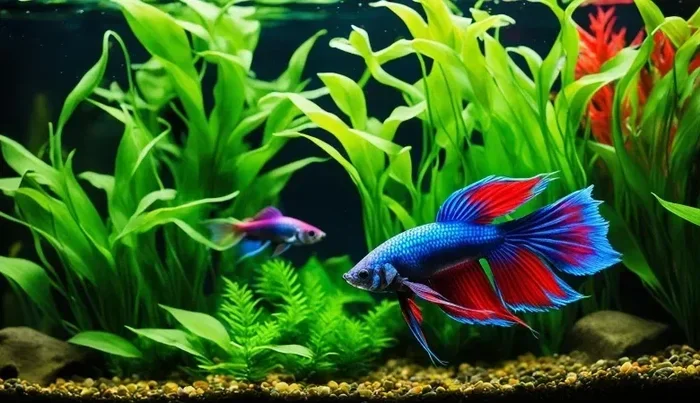
Can You Put Neon Tetras With Betta Fish in the Same Tank
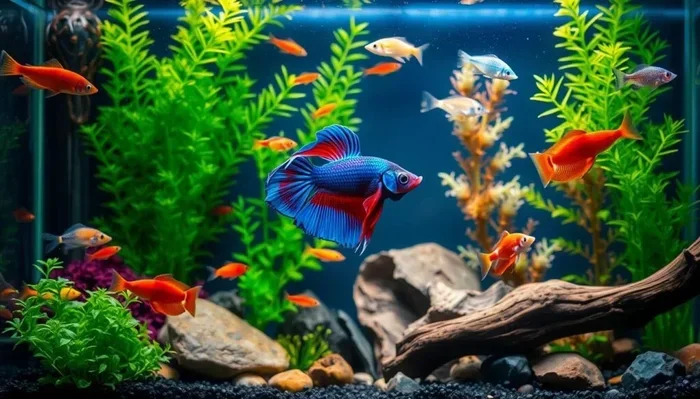
Can you put neon tetras with betta fish in the same tank? Many aquarium enthusiasts wonder about this combination. The answer is yes, but it requires careful planning, a large enough tank, and close monitoring. This guide will show you how to create a peaceful community tank by understanding both species’ needs and setting up the environment correctly.
So you’re thinking about creating a community tank and wondering, can you put neon tetras with betta fish in the same aquarium? It’s a common question among fish enthusiasts, and the answer isn’t a simple yes or no. Many people dream of a colorful tank with a majestic betta and a school of shimmering neon tetras. While it’s possible, it requires a good understanding of both species’ needs and careful planning. In this guide, we’ll dive deep into the compatibility of bettas and neon tetras, covering everything from temperament to tank setup, so you can make an informed decision for your aquarium.
Key Takeaways
- Temperament matters: Bettas can be aggressive, while neon tetras are peaceful but may nip fins.
- Tank size is critical: A minimum of 20 gallons is recommended, with 30 gallons being ideal.
- Setup with hiding places: Dense plants and decorations reduce stress and prevent aggression.
- Introduction process: Slow acclimation is essential to minimize shock and conflict.
- Monitor for stress: Watch for signs like hiding, color loss, or aggression and act quickly.
- Alternative tank mates: If this combo fails, consider other peaceful fish like corydoras or honey gouramis.
📑 Table of Contents
Understanding Betta Fish Temperament
Betta fish, also known as Siamese fighting fish, have a reputation for being aggressive. This is especially true for male bettas, who are territorial and will fight other fish that they perceive as a threat. However, not all bettas are the same. Their temperament can vary based on genetics, sex, and environment.
Betta Aggression Factors
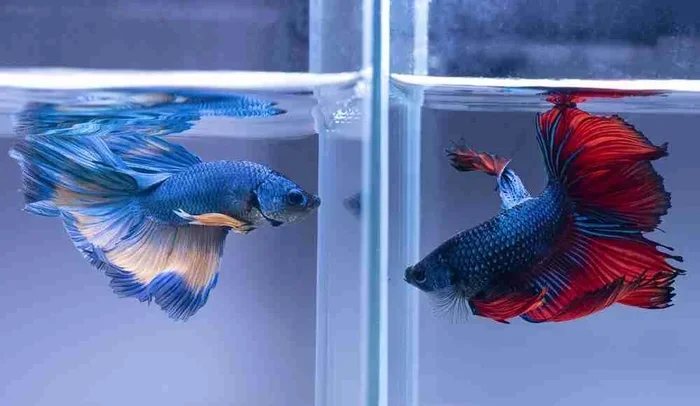
Male bettas are the ones to watch out for. They will often flare their gills and fins when they see another fish, and they might attack if they feel their space is invaded. Female bettas can be more peaceful, but they still have their own pecking order. It’s important to know that bettas have long, flowing fins, which can make them targets for nipping from other fish. For more on betta compatibility, check out our guide on can you put betta fish with other tropical fish.
Male vs. Female Betta Behavior
If you’re considering a community tank, a female betta might be a better choice. They are less likely to be aggressively territorial, but they can still be feisty. However, even with a female, you need to monitor interactions closely. Remember, every betta has its own personality, so there are no guarantees. Understanding betta fish temperament is key to successful cohabitation.
Understanding Neon Tetra Behavior
Neon tetras are small, peaceful fish that are popular for their bright colors. They are schooling fish, meaning they do best in groups of six or more. This schooling behavior helps them feel safe and reduces stress. However, their small size and peaceful nature can make them vulnerable to more aggressive fish.
Schooling Instincts
Neon tetras are not solitary fish. They thrive when kept in a school, where they can swim together and display their natural colors. A school of neon tetras can be a beautiful sight in a well-planted tank. But this also means they need enough space to swim and hide. Tetra schooling behavior is an important factor in aquarium compatibility. Schooling fish like neon tetras have specific needs. Learn more about can you put schooling fish with a betta to see if they are a good match.
Neon Tetra Fin Nipping
While neon tetras are generally peaceful, they are known to occasionally nip at the fins of other fish. This behavior is more common when they are stressed or hungry. It’s important to provide them with a varied diet and keep their environment clean to minimize stress. This neon tetra fin nipping tendency is something to watch for in a community tank.
Key Factors for Successful Cohabitation
Keeping bettas and neon tetras together is not impossible, but it requires attention to several key factors. The success of this combination depends on tank size, setup, water conditions, and how you introduce the fish. Aquarium compatibility between these species is achievable with the right approach.
Tank Size Matters
One of the most important factors is tank size. Neon tetras need a school of at least six, and they require swimming space. A betta also needs room to swim and explore. A tank that is too small will lead to stress and aggression. The general recommendation is a minimum of 20 gallons for a community tank with one betta and a school of neon tetras. However, a larger tank, like 30 gallons, is even better as it provides more space and dilutes any waste. Tank size considerations are critical for both species’ well-being.
Tank Setup and Hiding Places
The tank setup is crucial for reducing stress and preventing aggression. Dense planting with live or silk plants provides hiding places for both species. Betta fish need places to hide when they feel threatened, and neon tetras also appreciate cover. Avoid sharp decorations that could tear the betta’s fins. Can you put plants in with betta fish? Yes, and they are highly recommended. Plants like java moss, water sprite, and floating plants can create a natural environment that mimics their wild habitat. Hiding places for betta are essential to reduce stress and aggression.
Water Parameters and Filtration
Both species prefer similar water conditions: warm water between 76-82°F, a pH of 6.5-7.5, and soft to moderately hard water. However, bettas are more sensitive to water quality, so a strong filter with gentle flow is important. Neon tetras also need clean water to prevent diseases like neon tetra disease. Regular water changes are non-negotiable. Proper filter and water quality management is key to a healthy tank.
| Characteristic | Betta Fish | Neon Tetra |
|---|---|---|
| Minimum Tank Size | 5 gallons (solo) | 20 gallons (for school) |
| Water Temperature | 76-82°F | 70-81°F |
| pH Range | 6.5-7.5 | 6.0-7.0 |
| Temperament | Aggressive/territorial | Peaceful/schooling |
| Diet | Carnivorous | Omivorous |
Step-by-Step Guide to Introducing Neon Tetras
Introducing new fish to an established betta requires patience. A sudden introduction can cause stress and aggression. The best method is a slow, gradual introduction. This community aquarium setup technique ensures a smoother transition for both species.
The Slow Introduction Method
- First, set up a separate quarantine tank for the neon tetras. This allows you to ensure they are healthy before adding them to the main tank.
- After quarantine, float the bag containing the neon tetras in the betta tank for 15-20 minutes to equalize temperature.
- Then, use a drip line to slowly introduce tank water into the bag over the course of an hour. This helps the tetras acclimate to the water parameters.
- Finally, gently release the tetras into the tank. Turn off the lights to reduce stress and let them find hiding places.
It’s also a good idea to feed the betta before introducing the tetras. A full betta is less likely to be aggressive. However, always monitor the interaction closely for the first few days. Betta and tetra coexistence requires patience and observation.
Recognizing and Managing Stress
Even with careful planning, things can go wrong. It’s important to know the signs of stress in both bettas and neon tetras so you can take action quickly. Betta fish stress signs and tetra behavior changes are key indicators of problems.
Signs of Stress in Betta Fish
- Excessive hiding
- Flaring gills constantly
- Chasing or attacking other fish
- Loss of appetite
- Faded color
Signs of Stress in Neon Tetras
- Loss of color (becoming pale)
- Refusing to school
- Hiding all the time
- Rapid breathing
- Clamped fins
If you notice any of these signs, separate the fish immediately. You can use a tank divider or a separate tank for the betta until the aggression subsides. Quick action can save both species from long-term harm.
Alternative Tank Mates if This Combo Doesn’t Work
Sometimes, despite your best efforts, bettas and neon tetras just don’t get along. If that happens, it’s best to find a different tank mate for your betta. There are several peaceful fish that can coexist with bettas, such as corydoras catfish, honey gouramis, or snails. Can you put other types of fish with a betta? Yes, but you need to choose carefully. Avoid fish with long, flowing fins that might attract aggression, and always research the specific needs of any potential tank mate. Peaceful fish for betta include species that are calm and non-aggressive, making them better candidates for a community tank.
Conclusion
In conclusion, can you put neon tetras with betta fish in the same tank? The answer is yes, but it’s not a decision to take lightly. It requires a large tank, careful setup, and constant monitoring. If you’re willing to put in the effort, you can create a beautiful community tank. However, if you’re new to fishkeeping, it might be better to start with a betta alone or with simpler tank mates. Remember, the well-being of your fish should always come first. With the right knowledge and preparation, you can provide a happy and healthy home for both your betta and neon tetras. Understanding neon tetra care and betta fish tank mates is essential for long-term success.
Frequently Asked Questions
What size tank is needed for betta and neon tetras?
A minimum of 20 gallons is recommended for one betta and a school of six neon tetras. However, a 30-gallon tank provides more space and reduces stress for both species.
Can neon tetras live with a male betta?
It’s possible but not recommended for beginners. Male bettas are more aggressive and territorial, which can lead to stress and injury for the neon tetras. A female betta might be a better choice for a community tank.
How do I introduce neon tetras to a betta tank?
Use a slow acclimation method: float the bag for 15-20 minutes, then use a drip line to gradually mix tank water over an hour. This minimizes shock and reduces the risk of aggression.
What are the signs of aggression between bettas and neon tetras?
Signs include the betta chasing or flaring at the tetras, tetras hiding excessively, fin nipping, or loss of color in either species. If observed, separate the fish immediately.
Can I keep a single neon tetra with a betta?
No, neon tetras are schooling fish and need at least six companions to thrive. A single tetra will be stressed and more vulnerable, which can lead to health issues.
What other fish can live with bettas if neon tetras don’t work?
Peaceful tank mates like corydoras catfish, honey gouramis, or snails are good alternatives. Always research compatibility and introduce new fish slowly to ensure a harmonious tank.