Do Betta Fish Have Tongues
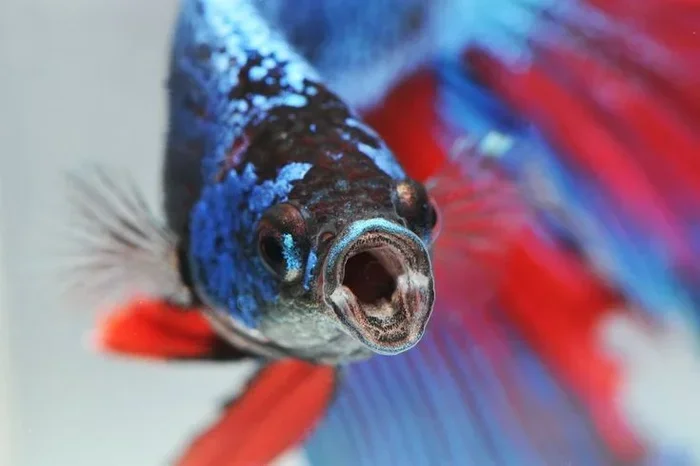
Yes, betta fish do have tongues, but they are very different from human tongues. A betta fish tongue is a small, bony structure called the basihyal located on the floor of the mouth. It does not move freely like our tongue. Instead, it helps push food toward the throat during swallowing. Understanding betta fish anatomy can help you care for your fish better and spot health issues early.
Key Takeaways
- Betta fish do have tongues: They are small, fixed bony structures called basihyals, not soft and movable like human tongues.
- The tongue helps with swallowing: It pushes food from the mouth to the throat and aids in digestion.
- Betta fish taste through their mouth and lips: They have taste buds that help them identify food and avoid harmful substances.
- A betta fish tongue is not visible from outside: You need to look closely inside the mouth to see it.
- Tongue problems are rare but possible: Infections or injuries can affect a betta’s ability to eat properly.
- Betta fish have teeth too: They use small teeth along with the tongue to process food.
- Understanding mouth anatomy improves care: Knowing how bettas eat helps you choose the right food and feeding routine.
📑 Table of Contents
- Do Betta Fish Have Tongues?
- The Role of the Tongue in Betta Fish Health
- How Betta Fish Taste Their Food
- Betta Fish Mouth Anatomy: More Than Just a Tongue
- How Betta Fish Breathe While Eating
- Common Myths About Betta Fish Tongues
- How to Keep Your Betta Fish’s Mouth Healthy
- Final Thoughts on Betta Fish Tongues
Do Betta Fish Have Tongues?
Many fish owners wonder about the details of their pet’s body. One common question is whether betta fish have tongues. The answer is yes. But a betta fish tongue is nothing like the tongue you use to taste your favorite food. It is a small, fixed bone inside the mouth. It plays an important role in how your betta eats and swallows.
Betta fish belong to a group called gouramis. This family of fish has a unique mouth structure. Their tongues are part of a complex system that helps them survive in shallow, warm waters. Learning about this structure gives you a better picture of how bettas function every day.
The betta fish mouth is designed for grabbing and crushing small food. The tongue works alongside teeth and the jaw to make this happen. Without the tongue, swallowing food would be much harder. So even though it looks simple, it does a lot of important work behind the scenes.
What Does a Betta Fish Tongue Look Like?
If you ever get a close look inside a betta’s mouth, you will notice something interesting. The tongue is not soft and floppy. It is a flat, bony plate. This bone is called the basihyal. It sits firmly on the floor of the mouth. It does not stick out or move around. That is the biggest difference between a betta tongue and a human tongue.
The basihyal is usually a light pinkish or white color. It is thin but sturdy. It connects to the bottom of the mouth and stays in place at all times. Some fish owners are surprised to see it because they expected something more like a dog or cat tongue.
The shape of the tongue can vary slightly from fish to fish. But in most bettas, it looks like a small shelf. It has a slightly rough surface. This roughness helps grip food during the swallowing process. It is a clever design that nature came up with over thousands of years.
How Does the Tongue Help a Betta Fish Eat?
The tongue plays a key role in the feeding process. When a betta spots food, it swoops in and grabs it with its mouth. The teeth, which are small but sharp, start breaking the food apart. Then the tongue pushes the crushed food toward the back of the throat.
This pushing action is essential. Without it, the fish would struggle to swallow. The tongue acts like a conveyor belt of sorts. It moves food in one direction only, toward the throat. This prevents food from falling back out of the mouth.
Betta fish are carnivorous by nature. They eat small insects, larvae, and tiny crustaceans in the wild. The tongue helps them handle these types of food efficiently. In captivity, they eat pellets, flakes, and frozen foods. The tongue adapts to all of these textures with ease.
It is also worth noting that bettas use their betta fish teeth together with the tongue. The teeth grind food into smaller pieces. The tongue then guides these pieces down. This teamwork makes the whole eating process smooth and effective.
The Role of the Tongue in Betta Fish Health
A healthy tongue is important for a betta’s daily life. When the tongue works well, the fish eats normally and stays active. But what happens when something goes wrong? Understanding this helps you spot problems early.
Can a Betta Fish Lose Its Tongue?
In rare cases, a betta fish can suffer tongue damage. This usually happens due to injury or infection. Bacterial infections can cause swelling inside the mouth. If left untreated, the infection might affect the tongue or surrounding tissues.
Physical injuries are another cause. Sharp decorations in a tank can cut the inside of a betta’s mouth. Poor water quality weakens the fish’s immune system. This makes it easier for infections to take hold. Always check your tank for rough or sharp objects.
Some fish diseases target the mouth area. One common issue is mouth fungus. It appears as white, cotton-like growths around the lips and inside the mouth. If you notice this, treat it quickly with appropriate medication. Early action can save the tongue and the fish.
Signs of Tongue or Mouth Problems in Bettas
Watch for these warning signs that something might be wrong with your betta’s mouth:
- Drooling or mucus buildup: Excess slime around the mouth can signal infection.
- Difficulty eating: If your betta drops food often, the tongue or teeth might be affected.
- Swelling inside the mouth: Redness or puffiness is a red flag.
- Clamped mouth: A betta that keeps its mouth slightly closed may be in pain.
- Loss of appetite: A fish that stops eating needs attention right away.
If you see any of these signs, act fast. Move the fish to a quarantine tank. Check the water parameters. Treat with appropriate anti-bacterial or anti-fungal medication. A healthy mouth means a healthy betta.
How Betta Fish Taste Their Food
Here is something fascinating. Betta fish can taste their food. But they do not just use their tongue for this. Taste buds are located on the lips, inside the mouth, and even on the fins in some cases. This means a betta can sense flavor before it even swallows.
The tongue itself has taste receptors too. These receptors help the fish decide if something is edible or dangerous. In the wild, this ability keeps bettas safe. They can avoid toxic insects or spoiled food sources. In your aquarium, this helps them sort through different types of food.
Next time you feed your betta, watch closely. You might notice it tasting the food before committing to eat. It will nibble, hold, and then swallow. This behavior shows just how important the sense of taste is for these little fish.
Betta Fish Mouth Anatomy: More Than Just a Tongue
The mouth of a betta fish is a complex system. The tongue is just one part. Several other structures work together to make eating possible. Let us break down the key parts.
The Jaw
The jaw provides the power. It opens and closes the mouth with precision. Betta fish have both upper and lower jaws. The upper jaw is slightly wider. Together, they create a strong grip on food items.
The Teeth
Many people do not realize that bettas have teeth. They are small and located deep in the back of the mouth. These teeth are used for crushing food. They are not sharp enough to hurt you if you handle your betta. But they are perfect for breaking down pellets and live food.
If you want to learn more about this, check out our article on do betta fish have teeth. It covers everything you need to know about betta teeth.
The Lips
Betta fish have flexible lips. These lips help guide food into the mouth. They also hold the food in place while the teeth do their job. The lips are sensitive and contain many taste buds.
The Throat and Esophagus
Once the tongue pushes food to the back of the mouth, it travels down the throat. The esophagus carries it to the stomach. The whole process happens in seconds. It is a well-oiled machine that works every single time your betta eats.
How Betta Fish Breathe While Eating
Betta fish have a special organ called the labyrinth organ. This organ allows them to breathe air from the surface. It is one of the reasons bettas can survive in low-oxygen water. But how does this relate to eating and the tongue?
When a betta eats, it often comes up to the surface for air at the same time. The tongue helps coordinate this process. It pushes food down while the fish takes a breath. This multitasking ability is remarkable and unique to bettas and their relatives.
If you are curious about how often your betta needs to surface for air, read our guide on do betta fish have to come up for air. It explains the breathing habits of bettas in detail.
The connection between breathing and eating is important. A betta that struggles to breathe may also lose its appetite. This is why maintaining good water quality and proper tank conditions is so vital. A stressed fish eats less, and a fish that eats less loses its tongue function over time due to overall health decline.
Common Myths About Betta Fish Tongues
There are several myths floating around about betta fish tongues. Let us clear them up once and for all.
Myth 1: Betta Fish Tongues Look Like Human Tongues
This is the most common myth. People imagine a small pink tongue that moves freely. In reality, the betta tongue is a fixed bony plate. It does not move like a human tongue. It does not stick out. It stays in place and does its job quietly.
Myth 2: Betta Fish Cannot Taste Without a Movable Tongue
Some believe that a fixed tongue means no sense of taste. This is false. Betta fish taste food through buds on their lips, mouth walls, and fins. The tongue has taste receptors too. So even without movement, bettas can fully enjoy and evaluate their meals.
Myth 3: Betta Fish Tongues Grow Back If Damaged
Unlike some animals, fish tongues do not regenerate fully. If the basihyal is severely damaged, it may not grow back. This is why prevention and quick treatment of mouth injuries are so important. Keep your tank safe and clean to protect your betta’s mouth.
How to Keep Your Betta Fish’s Mouth Healthy
Prevention is always better than cure. Here are simple steps to keep your betta’s mouth and tongue in great shape.
- Maintain clean water: Change 25% of the tank water weekly. Clean water prevents bacterial infections that can harm the mouth.
- Feed high-quality food: Use pellets made for bettas. Avoid cheap flakes that crumble and create excess waste.
- Remove sharp decorations: Check your tank for rough edges or sharp plastic plants. Replace them with soft silk plants.
- Watch feeding behavior: Observe your betta during meals. If it drops food or struggles to eat, investigate the cause.
- Quarantine sick fish: If you notice mouth fungus or swelling, isolate the fish immediately. Treat with appropriate medication.
- Keep the tank stress-free: Provide hiding spots and gentle filtration. A stress-free fish has a stronger immune system.
These simple habits go a long way. They protect not just the tongue but the entire mouth and digestive system of your betta.
Final Thoughts on Betta Fish Tongues
The betta fish tongue is a small but mighty part of your fish’s body. It may not be the most glamorous topic, but it matters. Understanding how your betta eats, tastes, and swallows gives you a deeper appreciation for these amazing creatures.
From the fixed basihyal bone to the taste buds on the lips, every part of the mouth works together. This teamwork allows bettas to thrive in aquariums around the world. Next time you feed your betta, take a moment to think about all the amazing things happening inside that tiny mouth.
Keep your tank clean, feed quality food, and watch for warning signs. Your betta will reward you with vibrant colors and lively behavior. A healthy mouth leads to a healthy fish, and a healthy fish makes for a happy owner.
For more fascinating facts about betta fish anatomy, explore our other articles. Learn about do betta fish have nostrils and discover how these beautiful fish experience the world around them.
Frequently Asked Questions
Can betta fish stick out their tongues?
No, betta fish cannot stick out their tongues. The tongue is a fixed bony plate called the basihyal. It stays attached to the floor of the mouth at all times. Unlike humans or dogs, bettas do not have a flexible, movable tongue.
Do betta fish use their tongues to taste food?
Yes, betta fish use their tongues along with other parts to taste food. Taste buds are found on the tongue, lips, and inside the mouth. Some fish even have taste buds on their fins. This helps bettas identify food and avoid harmful substances.
What does a betta fish tongue look like?
A betta fish tongue is a thin, flat bony structure. It is usually light pink or white in color. It sits firmly on the floor of the mouth and does not move. You would need a magnifying glass or close inspection to see it clearly.
Can a betta fish tongue get infected?
Yes, infections can affect the tongue and surrounding mouth area. Bacterial or fungal infections are the most common causes. Poor water quality and injuries from sharp tank decorations increase the risk. Watch for swelling, mucus, or difficulty eating as warning signs.
Do betta fish tongues help with digestion?
Yes, the tongue plays a role in digestion. It pushes food from the mouth toward the throat. This helps the fish swallow efficiently. Once swallowed, the food moves to the stomach for further digestion. The tongue is the first step in this process.
Are betta fish tongues the same as other fish tongues?
Most fish tongues are similar in structure. They are bony plates called basihyals. However, some fish species have more flexible tongues. Betta fish tongues are fairly standard for gourami family members. They are fixed in place and serve the same basic function across the family.