Do Betta Fish Eat Planaria
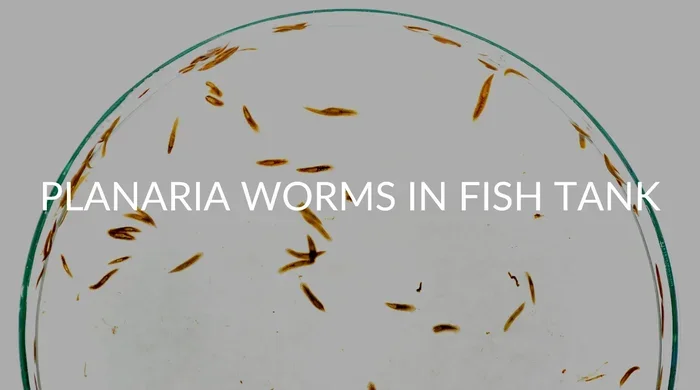
Yes, betta fish can and often do eat planaria. These small flatworms are a common nuisance in freshwater aquariums, and many bettas will snack on them as part of their natural hunting behavior. Understanding how planaria enter your tank and how bettas interact with them helps you keep your aquarium clean and your fish healthy.
Have you ever spotted tiny, white, wiggly creatures crawling across the glass or substrate of your fish tank? Those are likely planaria, and if you own a betta fish, you might be wondering whether your finned friend will take care of the problem. The short answer is yes, betta fish eat planaria, but there is a lot more to this story than a simple yes or no.
Planaria are small flatworms that can show up in freshwater aquariums uninvited. They reproduce quickly, and before you know it, they can become a real nuisance. Many betta owners look to their fish as a natural solution. And while bettas do hunt and eat these pests, relying on them alone is not always the best strategy. Let us dive deep into this topic and cover everything you need to know.
Key Takeaways
- Betta fish do eat planaria: These flatworms are a natural food source that bettas readily hunt and consume.
- Planaria are common aquarium pests: They often enter tanks through new plants, driftwood, or contaminated food.
- Betta behavior helps with pest control: Your betta’s scavenging instincts make it a natural planaria controller.
- Overpopulation of planaria signals a problem: Too many flatworms usually means excess food or poor tank maintenance.
- Not all bettas will eat planaria: Some fish ignore them, so manual removal may still be needed.
- Prevention is better than cure: Proper tank hygiene stops planaria from ever becoming a major issue.
📑 Table of Contents
- What Are Planaria and Why Do They Appear in Aquariums?
- Do Betta Fish Eat Planaria?
- How to Tell If Your Betta Is Eating Planaria
- How to Control Planaria in Your Aquarium
- Comparing Betta Fish to Other Planaria Control Methods
- Preventing Planaria Infestations Long-Term
- When to Worry About Planaria in Your Betta Tank
- Final Thoughts
What Are Planaria and Why Do They Appear in Aquariums?
Planaria are tiny flatworms that belong to the class Turbellaria. They are usually white or translucent and measure only a few millimeters long. You will often find them crawling on the glass, hiding in the substrate, or clinging to decorations in your fish tank.
How Do Planaria Get Into Your Tank?
Planaria rarely appear out of nowhere. They usually hitch a ride on new plants, driftwood, or rocks that you add to your aquarium. Even contaminated fish food or water from an infested source can introduce them. This is why quarantining new additions before adding them to your main tank is so important.
These worms thrive in environments where there is excess organic matter. Overfeeding your fish, poor water circulation, and inadequate cleaning all create perfect conditions for planaria overpopulation. They feed on detritus, dead plant material, and leftover food. So if you are seeing a lot of them, it is often a sign that something in your tank maintenance routine needs adjusting.
Are Planaria Dangerous to Fish?
For most freshwater fish, planaria are not directly dangerous. However, they can become a problem in large numbers. They compete with your fish for food, and in extreme cases, they may irritate the skin or gills of smaller, more sensitive species. For betta fish, the risk is generally low, but a heavy infestation is never ideal for any aquarium ecosystem.
Do Betta Fish Eat Planaria?
This is the question at the heart of our discussion, and the answer is a encouraging yes. Betta fish are natural hunters with strong scavenging instincts. They will actively seek out and eat small organisms like planaria, especially when these worms are moving across surfaces in the tank.
Why Bettas Make Good Planaria Hunters
Betta fish are opportunistic feeders. In the wild, they eat insects, larvae, and small invertebrates. Planaria fit right into this diet profile. When your betta spots a planarium wiggling nearby, its natural hunting instinct kicks in. Many betta owners report seeing their fish snatch up these flatworms within minutes of them appearing.
Here are some reasons why bettas handle planaria well:
- Natural foraging behavior: Bettas love to explore and hunt, making them excellent at finding hidden worms.
- Keen senses: Bettas can detect small movements in the water, which helps them spot planaria easily.
- Versatile diet: Bettas accept a wide range of food sources, including live prey like these worms.
Limitations of Relying on Your Betta
While it is great that your betta can help with pest control, there are limitations. Not every betta will eat planaria. Some fish simply ignore them. Others may only nibble occasionally, which does little to curb a growing population. Also, if the planaria outbreak is severe, your betta alone will not be able to keep up.
Think of your betta as part of the solution, not the entire solution. Combining your fish’s natural hunting with good tank maintenance gives you the best results. You can also check our guide on do betta fish eat live food for more on what bettas naturally hunt in the aquarium.
How to Tell If Your Betta Is Eating Planaria
Noticing whether your betta is actually eating planaria can be tricky. These worms move quickly and hide well. However, there are a few signs that suggest your fish is on the job.
Signs Your Betta Is Hunting Planaria
Watch for these behaviors near the substrate and glass walls of the tank:
- Increased foraging activity: Your betta is actively searching the bottom and sides of the tank more than usual.
- Snatching motions: You see quick, darting movements toward small white worms.
- Reduced planaria sightings: Over time, you notice fewer worms in the tank.
Some bettas also show excitement during feeding time when they sense movement near the bottom. This is especially common if your fish is used to eating live food like brine shrimp or bloodworms. If your betta already has a taste for live prey, it is much more likely to go after planaria too.
When Your Betta Is Not Interested
If your betta ignores the planaria completely, do not worry. Not every fish has the same appetite for these worms. Some bettas are simply less interested in hunting small invertebrates. In these cases, you will need to take manual steps to reduce the population. You can also try offering your betta more engaging live food options to stimulate its hunting instincts. For related reading on what bettas eat, check out do betta fish eat smaller fish to understand their predatory tendencies better.
How to Control Planaria in Your Aquarium
Even if your betta is a willing planaria hunter, you should still take active steps to manage and prevent infestations. Let us look at the most effective methods.
1. Reduce Overfeeding
The number one cause of planaria outbreaks is excess food. When you overfeed your betta, leftover food sinks to the bottom and decays. This creates a feast for planaria and other pests. Feed your betta small amounts once or twice a day, and remove any uneaten food within a few minutes.
2. Improve Tank Maintenance
Regular water changes and gravel vacuuming go a long way in keeping planaria numbers under control. Aim for a 25 percent water change every week. Clean the substrate thoroughly to remove organic debris where planaria breed. A well-maintained aquarium ecosystem is far less attractive to these pests.
3. Use a Planaria Trap
If the infestation is heavy, a planaria trap can be very effective. These simple devices attract worms with food bait and trap them inside. Place the trap near the substrate where you see the most activity. It is a chemical-free method that works well alongside your betta’s natural hunting.
4. Avoid Adding Contaminated Items
Always quarantine new plants, rocks, and decorations before adding them to your tank. Rinse plants thoroughly and consider dipping them in a diluted bleach solution (rinsed well afterward). This simple step prevents planaria and many other pests from entering your aquarium in the first place.
Comparing Betta Fish to Other Planaria Control Methods
There are several ways to deal with planaria in an aquarium. Here is how betta fish compare to other popular methods.
| Method | Effectiveness | Safety for Fish | Effort Level |
|---|---|---|---|
| Betta fish hunting | Moderate | Very safe | Low |
| Planaria traps | High | Very safe | Medium |
| Chemical treatments | Very high | Risky if not dosed correctly | Low |
| Manual removal | Low to moderate | Safe | High |
| Prevention (maintenance) | Preventive only | Very safe | Medium |
As you can see, using your betta fish for planaria control is safe and low-effort, but it works best as part of a broader strategy. Combining your betta’s hunting with traps and good maintenance gives you the most reliable results.
Preventing Planaria Infestations Long-Term
The best way to deal with planaria is to prevent them from ever becoming a problem. Prevention is simple and mostly comes down to consistent habits.
Build a Solid Maintenance Routine
Set a schedule for water changes, substrate cleaning, and filter maintenance. Stick to it every week. A clean tank with good water flow discourages planaria from settling in. Make sure your filter is running properly and providing adequate circulation throughout the tank.
Feed Smart
Only feed your betta what it can consume in two to three minutes. Remove any leftovers promptly. This not only prevents planaria but also keeps your water quality high. For more on feeding best practices, you might want to read do betta fish eat regular fish food to understand proper feeding habits.
Inspect Everything Before Adding It
New plants, decorations, and even gravel should be rinsed and inspected. If you buy plants from a store, they often carry hidden pests. Quarantining them in a separate tank for a week or two before introducing them to your main setup is a smart move.
When to Worry About Planaria in Your Betta Tank
Occasional planaria sightings are normal and nothing to panic about. Even the cleanest tanks can get a few worms now and then. However, you should take action if you notice any of the following:
- Large numbers of planaria: If you see worms covering the glass, substrate, or decorations in clusters, the population is out of control.
- Your betta seems stressed: While rare, a heavy planaria presence can irritate sensitive fish.
- Declining water quality: Planaria often appear alongside poor water parameters. Test your water and address any issues immediately.
- Your betta stops eating: If your fish loses interest in its regular food, something may be off. Investigate the tank conditions.
For more on betta behavior and eating habits, you can explore do betta fish eat other to understand what drives their feeding responses.
Final Thoughts
Betta fish do eat planaria, and they can be a helpful part of keeping these pests under control. Their natural hunting instincts make them efficient little predators for small aquarium organisms like flatworms. However, your betta alone is not a complete solution. You still need to maintain good tank hygiene, avoid overfeeding, and use additional methods like traps when the infestation is heavy.
The best approach combines your betta’s natural abilities with proactive prevention. Keep your tank clean, feed wisely, and inspect new additions before adding them. With these habits in place, planaria will rarely become a serious problem in your aquarium.
Remember, a healthy tank starts with consistent care. Your betta fish is a wonderful companion and a capable little hunter. Give it the right environment and a balanced diet, and it will reward you with a cleaner, happier aquarium.
Frequently Asked Questions
Are planaria harmful to betta fish?
In most cases, planaria are not directly harmful to betta fish. However, a heavy infestation can compete with your betta for food and may irritate sensitive fish. Keeping the population under control through regular maintenance and your betta’s natural hunting is the best approach.
How quickly do planaria reproduce in a fish tank?
Planaria reproduce surprisingly fast. They can double their population within a few weeks if there is plenty of food and organic matter in the tank. This is why early detection and consistent tank maintenance are so important to prevent an outbreak from getting out of hand.
Can I use chemicals to kill planaria if my betta is in the tank?
Chemical treatments for planaria can be risky in a tank with living fish. Many commercial planaria killers are toxic to invertebrates and can harm your betta as well. It is always safer to start with non-chemical methods like traps, reduced feeding, and improved maintenance before considering any chemical options.
What else can betta fish eat besides planaria?
Bettas are versatile eaters and enjoy a varied diet. They readily eat live foods like brine shrimp, bloodworms, and daphnia. You can also feed them high-quality pellets, frozen foods, and occasional treats like blanched peas. For more ideas, check out our guide on do betta fish eat special food for safe and nutritious options.
Do all betta fish hunt planaria actively?
No, not all bettas show the same interest in hunting planaria. Some fish are enthusiastic hunters and will seek out worms eagerly, while others may ignore them entirely. A betta’s willingness to hunt depends on its individual personality, diet, and how well-fed it already is.
How can I tell the difference between planaria and other small worms in my tank?
Planaria are flat, white, and triangle-shaped at the head. They move with a gliding motion rather than curling like nematodes or threadworms. If you spot small, flat, white worms crawling on the glass or substrate, they are most likely planaria. A quick search online with a photo can also help confirm the identification.