Do Betta Fish Hide
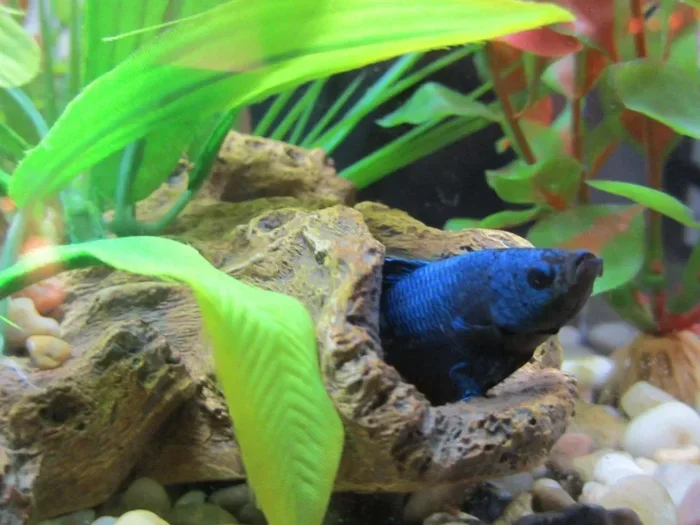
Do betta fish hide for many reasons, from natural shyness to stress and illness. Understanding why betta fish hide helps you create a safer, more comfortable tank. This guide covers the most common causes and practical fixes so your fish feels secure and stays healthy.
Do betta fish hide is one of the most common questions new fish owners ask. If you have noticed your betta slipping behind rocks, diving into corners, or staying out of sight, you are not alone. This behavior can be completely normal, or it can be a warning sign. Let us explore everything you need to know about why bettas hide and what you can do about it.
Betta fish are popular pets around the world. They are colorful, active, and full of personality. But they also have a strong instinct to seek shelter. This comes from their natural habitat in the warm, shallow waters of Southeast Asia. In the wild, bettas live among dense vegetation, fallen leaves, and narrow spaces. These environments give them a sense of safety. When they feel threatened or unsure, their first reaction is often to find a hiding spot.
Understanding this behavior is the first step toward being a better betta owner. The more you know about what triggers hiding, the better you can set up a tank that keeps your fish healthy and visible. Why do betta fish hide is not just a curiosity question. It is a key part of responsible fish care.
## Why Do Betta Fish Hide
There are many reasons a betta might hide. Some are perfectly normal, while others need your attention. Let us break down the most common causes.
### Natural Instinct and Shyness
Betta fish are naturally cautious creatures. In the wild, they are both predators and prey. This means they have strong instincts to stay alert and avoid danger. Even in a safe home tank, that instinct does not disappear overnight.
Many bettas take time to adjust to a new environment. You might notice your fish hiding more during the first few days after you bring it home. This is completely normal. Give your betta a few days to explore and feel comfortable. Most bettas become more active once they learn the tank is safe.
### Stress and Poor Water Conditions
Stress is one of the biggest reasons bettas hide. When the water in the tank is not clean or the conditions are wrong, your fish will feel uneasy. Stressed betta fish often retreat to corners or behind objects to cope.
Common causes of stress include high ammonia levels, wrong pH balance, and temperature swings. Betta fish need warm water between 76 and 82 degrees Fahrenheit. If the water is too cold or too hot, your fish may hide and become sluggish. Regular water changes and a good filter help keep stress levels low.
### Bright Lighting
Betta fish come from shady, heavily planted areas in the wild. Bright, direct aquarium lights can overwhelm them. If your tank lights are too intense, your betta may hide to escape the glare.
Consider using softer lighting or adding floating plants that create natural shade. This simple change can make a big difference in how comfortable your fish feels.
### Lack of Hiding Spots
A bare tank with no decorations can leave a betta feeling exposed. Fish need places to retreat to when they want privacy. Without enough hiding spots, some bettas may still find corners to hide in, but they will not feel secure.
Adding plants, caves, and driftwood gives your betta options. It helps them feel in control of their space. For more ideas on what to put in your tank, check out this article on do betta fish have things inside their tank for great decoration tips.
### Aggressive Tank Mates
Not all fish get along. If you keep your betta with aggressive or fin-nipping species, your betta will likely hide to protect itself. Bettas have long, flowing fins that make them targets for bullies.
Always research tank mates carefully. Some good options include peaceful snails, ghost shrimp, and certain small tetras. Avoid keeping two male bettas together. They will fight, and stress levels will skyrocket.
## When Hiding Becomes a Problem
Occasional hiding is normal. But when does hiding become a concern? Learning to tell the difference is important for your fish’s health.
### Sudden Change in Behavior
If your betta was active and social and suddenly starts hiding all the time, something is wrong. A sudden shift in behavior often points to illness or a sharp change in the environment.
Check the water parameters first. Test for ammonia, nitrite, and nitrate levels. Even small spikes in ammonia can make a fish very sick. If the water looks fine, look for other symptoms like loss of color, clamped fins, or loss of appetite.
### Hiding and Not Eating
A betta that hides and refuses food is a betta in trouble. Healthy bettas are eager eaters. They will come to the surface or swim to the front of the tank when it is feeding time.
If your fish disappears and will not eat for more than two days, take action. Check the water temperature and quality. Look for signs of disease like white spots, red patches, or swollen areas. Early treatment can save your fish’s life.
### Hiding to Die
Sometimes, a betta will hide because it is dying. This is a sad reality, but it happens. A fish that is very sick or near the end of its life often seeks out dark, quiet places. If your betta is hiding and showing signs of severe distress, it may be time to consult a veterinarian who specializes in fish.
To understand more about this serious behavior, you can read our article on do betta fish hide to die for deeper insights.
## How to Create a Comfortable Tank for Your Betta
The goal is to make your tank a place where your betta feels safe enough to swim freely. Here are practical steps you can take right away.
### Add Plenty of Plants and Decorations
Live plants are the best option because they also help keep the water clean. But artificial plants work well too, as long as the leaves are soft and do not tear fins. Bettas love plants like Java fern, Anubias, and Amazon sword.
Add caves, hollow logs, and terracotta pots turned on their sides. These create cozy hiding spots that your betta will appreciate. The more options you provide, the more secure your fish will feel.
### Keep the Lighting Soft
Use dimmable LED lights or set a timer so the lights are not on full brightness all day. A natural day and night cycle helps bettas feel at ease. Aim for 8 to 10 hours of light per day.
Floating plants like frogbit or water lettuce naturally reduce light intensity. They also give your betta a sense of being closer to its natural home.
### Maintain Clean Water
Clean water is the foundation of a healthy tank. Test the water at least once a week. Change 25 to 30 percent of the water every week to keep waste and toxins under control.
Use a gentle filter that does not create too much current. Bettas are not strong swimmers and prefer calm water. A filter with an adjustable flow setting is ideal.
### Keep the Tank Size Right
A tank that is too small causes stress and makes hiding more frequent. The minimum tank size for a single betta is 5 gallons. A 10-gallon tank is even better because it gives your fish room to explore and swim.
For more on tank size, check out our guide on do betta fish like 10 gallon tank to learn why bigger is almost always better.
## Understanding Betta Fish Personality and Behavior
Every betta has its own personality. Some are bold and curious, always swimming to the front of the tank. Others are shy and prefer to stay hidden most of the time. Neither behavior is wrong.
If you have a naturally shy betta, do not panic. Give it time and the right environment, and it may become more visible over weeks or even months. Patience is one of the most important tools in betta care.
You can learn more about why bettas behave the way they do in our article on why do betta fish hide, which covers the deeper behavioral reasons behind this common habit.
### Signs Your Betta Is Happy and Healthy
A happy betta is a visible betta. Look for these positive signs:
- Swimming actively around the tank
- Coming to the surface when you approach
- Eating eagerly at feeding time
- Showing off bright, vivid colors
- Building bubble nests at the surface
- Flaring fins occasionally out of curiosity
If your fish shows most of these signs, even if it hides sometimes, you are doing a great job.
## Quick Tips to Reduce Hiding
Here is a fast list of things you can do today to help your betta feel more comfortable:
- Test your water parameters and fix any imbalances
- Add live or silk plants for natural cover
- Lower the tank lighting intensity
- Remove any aggressive tank mates
- Keep the water temperature stable and warm
- Feed a varied, high-quality diet
- Spend time near the tank so your betta gets used to you
## Common Mistakes That Cause Excessive Hiding
Many new betta owners make mistakes without realizing it. Here are the most common ones to avoid.
### Overcrowding the Tank
Too many fish or too many decorations can make a tank feel cramped. Bettas need open swimming space as well as hiding spots. A cluttered tank causes stress and increases hiding.
### Ignoring Water Changes
Skipping water changes leads to a buildup of harmful chemicals. Even with a filter, regular changes are essential. Set a weekly reminder to stay on track.
### Using the Wrong Decorations
Sharp or rough decorations can injure a betta’s delicate fins. Avoid rocks with jagged edges or plastic plants with stiff leaves. Stick to smooth, betta-safe materials.
### Not Giving Time to Adjust
When you first bring a betta home, it needs time to adjust. Do not try to handle or interact with it too much during the first few days. Let it settle in quietly.
## Expert Insights on Betta Hiding Behavior
Experienced betta keepers agree that hiding is a normal part of betta life. The key is knowing when it crosses the line from normal to concerning. Most experts recommend observing your fish daily and noting any changes in behavior.
A good practice is to keep a simple log of your betta’s activity. Note how much time it spends hiding versus swimming. Over time, you will start to see patterns. This makes it much easier to spot problems before they become serious.
If your betta is hiding more than usual, the first thing to check is the water quality. This solves the majority of behavior-related issues. Next, look at the tank setup. Finally, consider whether anything in the environment has changed recently, like a new tank mate or a shift in lighting.
## Final Thoughts
Understanding why do betta fish hide is one of the most valuable skills a betta owner can develop. It helps you build a better home for your fish and catch health problems early. Most of the time, hiding is simply a natural behavior that your betta uses to feel safe.
By providing a clean, warm, and well-decorated tank, you give your betta the confidence to explore and show off its beautiful colors. Pay attention to changes in behavior, keep the water quality high, and be patient. Your betta will thank you with a long, healthy, and happy life.
A hiding betta is not always a sick betta. But a betta that suddenly starts hiding and stops eating definitely needs your care. Trust your instincts as an owner. You know your fish better than anyone.
For more helpful tips on betta care and behavior, explore our other articles on the site. We are here to help you become the best betta owner you can be.
Key Takeaways
- Hiding is natural: Betta fish hide because it is part of their instinctive behavior, especially in new environments.
- Stress is a major trigger: Poor water conditions, bright lights, and aggressive tank mates can cause hiding.
- Health issues matter: Sudden or excessive hiding may signal illness or injury that needs attention.
- Tank setup is key: Adding plants, caves, and decorations gives bettas safe spots to feel secure.
- Observation is essential: Watch for changes in hiding patterns to catch problems early.
- Simple fixes work: Small adjustments to lighting, water quality, and tank layout reduce hiding significantly.
Frequently Asked Questions
Why is my betta fish hiding all of a sudden?
A sudden change in hiding behavior usually points to stress or illness. Check your water parameters first, including ammonia, nitrite, and temperature. Look for other symptoms like loss of appetite or pale color. Fixing the water quality often resolves the problem quickly.
Is it normal for a betta fish to hide a lot?
Yes, some bettas are naturally shy and prefer to hide more than others. This is especially common in new environments. As long as your fish is eating and swimming actively when it comes out, occasional hiding is perfectly normal and nothing to worry about.
Can a betta fish hide because it is sick?
Absolutely. Illness is one of the most common reasons for excessive hiding. If your betta is hiding and also refusing food, has clamped fins, or shows spots or redness, it may be sick. Quarantine the fish and treat it promptly to improve its chances of recovery.
How do I make my betta fish come out of hiding?
Start by improving water quality and lowering the tank lights. Add soft plants and hiding spots so your fish feels secure. Spend quiet time near the tank so it gets used to your presence. Offer favorite foods at feeding time to encourage activity and exploration.
Do betta fish hide when they are dying?
Some bettas do seek out dark, quiet places when they are very ill or near the end of life. If hiding is accompanied by severe symptoms like inability to swim, loss of color, or refusal to eat for several days, consult a fish veterinarian for guidance and support.
What tank setup reduces hiding in betta fish?
A well-planted tank with soft lighting, gentle filtration, and plenty of smooth decorations helps bettas feel safe. A minimum 5-gallon tank with caves, plants, and open swimming space is ideal. For more setup ideas, visit our guide on do betta fish like to hide to learn what bettas prefer in their environment.