Do Betta Fish Have Taste Buds
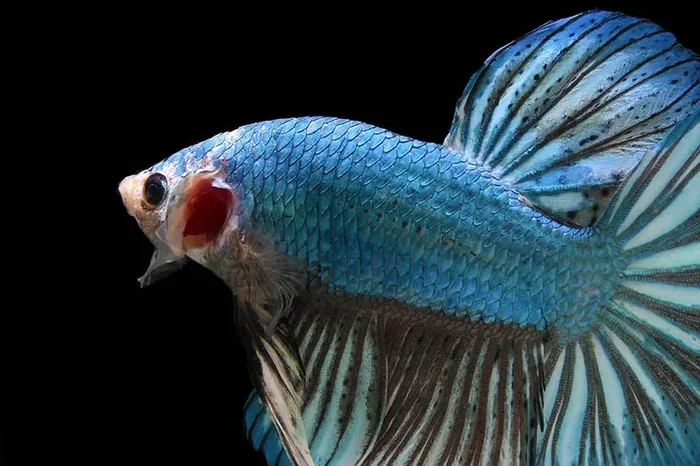
Do betta fish have taste buds? Yes, they do! Betta fish can actually taste their food and detect flavors in the water around them. Their taste buds are located on their fins, mouth, and even their lips, helping them decide what to eat and what to avoid. Understanding how betta fish taste perception works can help you choose better foods and keep your fish healthy and happy.
Have you ever wondered if your betta fish can actually taste their food? It is a fun question, and the answer might surprise you. Do betta fish have taste buds? The short answer is yes. Betta fish have a well-developed sense of taste that helps them navigate their world and decide what to eat. Unlike humans, who taste food through their tongue and mouth, bettas can detect flavors in the water around them. Their betta fish taste buds are spread across their body, giving them a unique way to experience the world.
Understanding how betta fish taste perception works is more than just a fun fact. It has real practical value for any betta owner. When you know how your fish taste their food, you can make smarter choices about what to feed them. This leads to a healthier, happier fish. In this article, we will explore everything about betta taste buds. We will look at where they are, how they work, and what they can taste. Let us dive right in.
Key Takeaways
- Betta fish do have taste buds: They can detect flavors through special receptors in their mouth, fins, and lips.
- Taste buds are located in surprising places: Not just in the mouth, bettas taste through their entire body surface.
- They use taste to decide what to eat: Betta fish taste receptors help them identify safe and nutritious food in the water.
- Taste affects feeding behavior: A betta’s sense of taste influences how eagerly and how often they eat.
- You can use this knowledge to improve their diet: Offering foods that appeal to their taste preferences leads to better nutrition and health.
- Betta taste is different from human taste: They detect flavors dissolved in water, not through chewing like we do.
📑 Table of Contents
- How Do Betta Fish Taste Their Food?
- Where Are Betta Fish Taste Buds Located?
- What Can Betta Fish Taste?
- How Taste Buds Affect Betta Fish Feeding Behavior
- Tips for Feeding Betta Fish Based on Their Sense of Taste
- Expert Insights on Betta Fish Taste
- Quick Tips for Supporting Your Betta’s Sense of Taste
- Conclusion
How Do Betta Fish Taste Their Food?
Betta fish taste their food in a very different way than we do. Humans chew food and let it mix with saliva before taste receptors kick in. Betta fish, on the other hand, detect flavors through the water. When food enters their mouth or touches their skin, special cells send signals to their betta fish brain. These signals tell the fish whether the food is good to eat or something to avoid.
The process is actually quite fascinating. Betta taste receptors are sensitive to chemicals dissolved in water. When a piece of food lands near your betta, the fish first detects it through its taste system. Then it decides whether to eat it. This happens very quickly. In fact, bettas can evaluate food in just a fraction of a second. Their fish taste system is highly adapted for life in water.
One key thing to remember is that bettas do not taste the way we do. They do not have a tongue in the human sense. Instead, they have taste buds distributed across different parts of their body. This means they can taste food before it even reaches their mouth. It is like having taste sensors all over your body, which is pretty amazing when you think about it.
The Role of the Betta Fish Brain in Taste
The betta fish brain plays a central role in processing taste signals. When taste receptors detect flavors, the brain interprets them almost instantly. This helps the fish react quickly to its environment. A betta that tastes something unpleasant will spit it out right away. One that detects something nutritious will start eating eagerly.
Because the brain handles taste processing so efficiently, bettas rarely eat something harmful by mistake. Their aquatic taste buds work together with their sense of smell to create a full picture of what is around them. This dual sensory system makes bettas excellent at finding good food in murky or complex environments.
Where Are Betta Fish Taste Buds Located?
Here is where things get really interesting. Betta fish taste buds are not just in their mouth. They are spread across several body parts. This is quite different from humans, where taste buds are mainly on the tongue. Let us look at the specific locations.
- Mouth and Lips: The most obvious location. Betta taste buds inside the mouth and on the lips help them evaluate food before swallowing.
- Fins: Yes, bettas can taste through their fins! The fin cells act as taste receptors that detect chemicals in the water.
- Barbels (Whisker-Like Sensory Organs): Some fish have barbels near the mouth that help with taste. Bettas have small sensory organs near their mouth that serve a similar purpose.
- Body Surface: The entire body of a betta fish has some capacity to detect taste-related chemicals in the water.
This widespread distribution of taste buds gives bettas a 360-degree sense of taste. They can detect flavors from any direction. This is a huge advantage in the wild, where food sources can come from any angle. Even in a home aquarium, this system helps bettas find food quickly and efficiently.
It is also worth noting that bettas have betta fish sensory organs called the lateral line. This system runs along the sides of their body and detects vibrations and pressure changes in the water. While it is not a taste system, it works closely with taste buds to give the fish a complete picture of its surroundings. Together, these systems make bettas highly aware of their environment.
What Can Betta Fish Taste?
Now that we know where taste buds are, let us talk about what bettas can actually taste. Their fish taste receptors are tuned to detect specific chemicals in the water. These chemicals are released by food, plants, and even other organisms.
Betta fish can generally taste the following:
- Protein-rich substances: Bettas are carnivorous by nature. They can detect the chemical signature of proteins, which signals a good food source.
- Plant-based compounds: While not their primary diet, bettas can taste plant matter and may nibble on it occasionally.
- Fatty or oily substances: High-energy foods that contain fats trigger a positive taste response in bettas.
- Unpleasant or toxic substances: Bettas can taste chemicals that signal danger and will avoid them.
It is important to note that betta fish flavor detection is not the same as human flavor detection. Bettas do not experience “sweet” or “salty” in the way we do. Instead, they detect chemical compounds that indicate nutrition or danger. Their taste system is built for survival in aquatic environments, not for culinary enjoyment.
One interesting fact is that bettas can also taste things in the water that are not food. They can detect the chemical signals released by other fish. This helps them understand their social environment. For example, if you have betta fish companions in a community tank, your betta can taste chemical cues from its tankmates through the water.
How Taste Buds Affect Betta Fish Feeding Behavior
Understanding betta fish taste perception gives you insight into why your fish eats the way it does. Taste buds directly influence feeding behavior in several important ways.
First, taste affects food acceptance. If a betta does not like the taste of a particular food, it will refuse to eat it. This is why some bettas are picky eaters. They are using their taste system to evaluate what you offer them. If you have ever wondered why your betta spits out a certain food, the taste buds are at work.
Second, taste drives food-seeking behavior. Bettas use their taste system to locate food in the aquarium. When you drop flakes or pellets into the water, the betta can taste the chemical trail they leave behind. This helps the fish find the food even in a busy tank with lots of decorations and plants.
Third, taste influences feeding frequency. Bettas that are offered food they enjoy will eat more eagerly and consistently. Those offered food they do not like may eat less or refuse entirely. This is why variety in diet matters so much. Offering different types of food keeps the betta feeding preferences satisfied and ensures balanced nutrition.
Common Feeding Mistakes Related to Taste
Many betta owners make mistakes when it comes to feeding. Here are a few to avoid:
- Offering only one type of food: This can lead to taste fatigue and nutritional gaps. Rotate between flakes, pellets, frozen, and live foods.
- Overfeeding: Bettas may eat even if they are full because the food tastes good. Feed small amounts two to three times a day.
- Ignoring food quality: Low-quality foods may have additives that taste unpleasant to bettas. Choose high-quality brands with natural ingredients.
- Not removing uneaten food: Old food changes the taste of the water, which can discourage your betta from eating fresh food later.
Tips for Feeding Betta Fish Based on Their Sense of Taste
Now that you understand how bettas taste their food, here are some practical tips to use this knowledge. These tips will help you keep your betta healthy and satisfied.
1. Choose Foods with Strong Natural Flavors
Betta fish respond well to foods with strong natural scents and flavors. Frozen or live foods like brine shrimp, bloodworms, and daphnia are excellent choices. These foods release strong chemical signals in the water that bettas can easily detect through their taste system. The natural taste of these foods is hard for bettas to resist.
2. Soak Dry Foods Before Feeding
Dry flakes and pellets can taste bland when they first hit the water. Soaking them for a few minutes before feeding helps release more flavor compounds. This makes the food more appealing to your betta’s aquatic taste buds. It also makes the food easier to digest.
3. Vary the Diet Regularly
Just like humans, bettas can get bored with the same food. Rotating between different food types keeps their taste experience fresh and exciting. Try alternating between high-quality flakes, pellets, frozen foods, and occasional live treats. This variety supports both their taste preferences and their nutritional needs.
4. Watch for Signs of Taste Dislike
If your betta consistently refuses a particular food, it is probably because the taste is not appealing. Do not force it. Instead, try a different food type. Watch your betta’s reaction to new foods carefully. A fish that eagerly swims to the surface is enjoying the taste. One that ignores the food may find it unappealing.
5. Keep the Water Clean for Better Taste Detection
Clean water helps bettas detect flavors more effectively. Dirty water contains excess chemicals and waste that can mask or alter food flavors. Regular water changes keep the taste environment clear and allow your betta’s betta fish taste buds to work at their best. This is another reason why water quality matters so much for overall betta health.
Expert Insights on Betta Fish Taste
Fish biologists who study betta fish sensory systems have found some fascinating details about how taste works in these fish. Research shows that bettas have a more refined sense of taste than many other freshwater fish. This is likely because bettas evolved in shallow, warm waters where finding food required sharp sensory abilities.
Dr. several aquatic researchers have noted that betta taste receptors are particularly sensitive to amino acids. Amino acids are the building blocks of proteins, which are essential for betta health. This sensitivity helps bettas identify protein-rich food sources quickly and efficiently. It is a survival adaptation that has served bettas well in the wild and continues to work in home aquariums.
The sense of taste in bettas also connects to their betta fish behavior in interesting ways. For example, bettas often “taste” the water around new objects or tank mates before deciding how to react. This cautious approach is a direct result of their taste system being active all the time, not just during feeding.
One more expert insight worth sharing is that bettas can distinguish between different brands of the same type of food. Some fish owners report that their bettas eagerly eat one brand of pellets but ignore another. This preference is likely driven by subtle differences in taste and chemical composition. It is a clear reminder that bettas are more perceptive than we often give them credit for.
Quick Tips for Supporting Your Betta’s Sense of Taste
- Feed at the same times each day to build a routine your betta can anticipate.
- Use high-quality foods with natural ingredients and no artificial fillers.
- Observe your betta’s eating habits and adjust the diet accordingly.
- Keep water parameters stable so taste detection is not affected by water quality changes.
- Introduce new foods gradually to allow your betta’s taste system to adjust.
Conclusion
Do betta fish have taste buds? Absolutely. Betta fish have a sophisticated taste system that plays a vital role in their daily lives. From detecting food to evaluating its quality, taste buds help bettas make quick and effective decisions about what to eat. Their taste receptors are spread across their mouth, fins, and body, giving them a unique and powerful way to experience their aquatic world.
As a betta owner, understanding this sense gives you a real advantage. You can choose better foods, feed more effectively, and keep your fish healthier and happier. The next time you drop food into your tank, remember that your betta is using its taste system to evaluate every bite. Treat that sense with respect by offering high-quality, varied foods and keeping the water clean.
Betta fish taste perception is just one of many fascinating aspects of these beautiful fish. The more you learn about how your betta experiences the world, the better equipped you are to provide excellent care. Keep exploring, keep learning, and enjoy the journey of being a betta fish owner.
Frequently Asked Questions
How many taste buds do betta fish have?
Betta fish have thousands of taste buds distributed across their body, including their mouth, fins, and lips. The exact number varies from fish to fish, but their widespread distribution is what gives bettas such a strong sense of taste in water.
Can betta fish taste food before eating it?
Yes, bettas can taste food before it even reaches their mouth. Their taste buds on the fins and body surface detect chemicals released by food in the water. This allows them to evaluate whether the food is worth eating from a distance.
Do betta fish have a tongue?
Betta fish do not have a tongue like humans do. Instead, they have taste buds distributed throughout their mouth and on other parts of their body. This is why their sense of taste works differently from ours. You can learn more about betta anatomy in our article on do betta fish have tongues.
What foods do betta fish prefer based on taste?
Betta fish generally prefer protein-rich foods like brine shrimp, bloodworms, and high-quality pellets. Their taste receptors are tuned to detect amino acids and other compounds found in animal-based proteins. Avoiding foods with heavy fillers will keep your betta interested and healthy.
Can dirty water affect a betta’s sense of taste?
Yes, dirty water can significantly affect how a betta tastes and detects food. Excess waste and chemicals in the water can mask food flavors and confuse the taste receptors. Regular water changes and good filtration help keep the taste environment clear.
Are betta fish taste buds similar to human taste buds?
No, betta fish taste buds work very differently from human taste buds. Humans taste through the tongue and mouth, while bettas detect flavors dissolved in water through receptors spread across their entire body. Their system is adapted for aquatic life, not for chewing and tasting solid food.