Do Betta Fish Float When Dead
Do betta fish float when dead? Yes, a dead betta fish often floats to the surface due to gas buildup and loss of muscle control. Understanding the signs of a dead betta fish helps you respond quickly and protect your other aquarium pets. This guide covers why betta fish float after death, how to tell if your betta is truly dead, and what steps to take next.
Have you ever walked up to your betta fish tank and found your fish floating at the top? It is a scary moment for any fish owner. You wonder, do betta fish float when dead? The answer is yes, but there is much more to understand about this topic. A dead betta fish does not always float right away. Sometimes it sinks first and rises later. Other times, a living betta floats because of health problems. This guide helps you tell the difference and gives you clear steps to follow.
Knowing the signs of a dead betta fish is important for every aquarium owner. Whether you have had bettas for years or just started your first tank, this information saves you stress and confusion. We will cover what happens when a betta dies, why floating happens, how to confirm death, and what to do next. Let us dive in and make sure you are fully prepared.
Key Takeaways
- Dead betta fish often float: Gas accumulation and muscle relaxation cause a deceased betta to rise to the surface.
- Look for multiple signs: Color changes, lack of movement, and unresponsiveness confirm a betta has passed away.
- Not all floating means death: Swim bladder disease and other health issues can make a living betta float too.
- Act quickly when you find a dead fish: Remove the body promptly to protect water quality and other tank inhabitants.
- Prevention is key: Clean water, proper feeding, and a healthy tank environment reduce the risk of betta fish death.
- Know the difference: A sleeping or sick betta behaves very differently from a dead one.
📑 Table of Contents
- Do Betta Fish Float When Dead?
- Signs Your Betta Fish Has Died
- Why Do Living Betta Fish Float?
- How to Confirm if Your Betta Is Dead
- What to Do When Your Betta Fish Dies
- How to Prevent Betta Fish Death
- Common Mistakes That Lead to Betta Death
- When to Call a Veterinarian
- Final Thoughts on Do Betta Fish Float When Dead
Do Betta Fish Float When Dead?
The short answer is yes. When a betta fish dies, its body often floats to the surface. But this does not happen instantly every time. The process depends on several factors, including water temperature, the fish’s size, and what caused the death. Understanding why betta fish float after death helps you respond with confidence instead of panic.
After a betta passes away, its muscles relax completely. The swim bladder, which controls buoyancy, stops working. Gas builds up inside the body as decomposition begins. This gas makes the fish lighter than water, causing it to rise. In most cases, you will see the dead betta fish floating at the top within a few hours to a day after death.
The Science Behind Why Dead Fish Float
Living fish control their buoyancy using an organ called the swim bladder. This tiny sac fills with gas to help the fish stay at different depths. When a betta dies, the swim bladder no longer functions. The body starts to decompose, producing gases like methane and hydrogen sulfide. These gases get trapped inside the body cavity. The result is a fish that floats belly-up at the surface.
Water temperature plays a big role too. Warmer water speeds up decomposition. In a heated betta tank, a dead fish may float faster. Cooler water slows the process down. This is why some owners report their fish sinking first and floating hours later. The betta fish behavior after death follows a predictable pattern once you understand the science.
Signs Your Betta Fish Has Died
Floating is not the only sign of a dead betta. You need to look at the full picture. Several physical and behavioral signs confirm whether your fish has passed away. Catching these signs early helps you take action quickly.
Physical Signs of a Dead Betta
Watch for these clear physical indicators:
- No movement at all: A dead betta does not respond to anything. Not food, not light, not tapping on the glass.
- Color changes: A healthy betta has bright, vivid colors. A dead fish often turns pale, white, or grayish.
- Eyes become dull: The eyes of a living betta look clear and slightly protruding. Dead fish eyes appear sunken or cloudy.
- Fins hang limp: Living bettas hold their fins open or slightly spread. A dead fish’s fins droop and lie flat against the body.
- Body orientation: Most dead bettas float with their belly facing upward. Some float sideways or head-down depending on gas distribution.
If you notice most of these signs combined with floating, your betta has likely passed away. You can also check our article on What Does A Betta Fish Look Like When It S Dead for more detailed visual guides.
Behavioral Signs Before Death
Betta fish often show changes in behavior before they die. These fish illness symptoms are easy to miss if you do not pay close attention:
- Loss of appetite: Your betta refuses food for more than two to three days.
- Lethargy: The fish stays at the bottom or hides constantly instead of exploring.
- Labored breathing: You notice rapid gill movement or gasping at the surface.
- Clamped fins: The fins stay folded close to the body instead of flowing naturally.
- Loss of balance: The betta tips to one side or struggles to stay upright.
These signs do not always mean death is immediate. But they tell you something is seriously wrong. Quick action can sometimes save a sick betta before it reaches the point of betta fish death.
Why Do Living Betta Fish Float?
Here is where things get tricky. Not every floating betta is dead. A living betta can float for many reasons. Knowing the difference between a dead fish and a sick fish is critical. You do not want to mistakenly throw away a fish that can still be saved.
Swim Bladder Disease
The most common reason a living betta floats is swim bladder disease. This condition affects the organ that controls buoyancy. A fish with swim bladder problems may float at the top, sink to the bottom, or float sideways. It does not mean the fish is dead. It means the fish needs help.
Common causes of swim bladder disease include:
- Overfeeding, which causes bloating and puts pressure on the swim bladder.
- Constipation from a diet low in fiber or high in dry pellets.
- Sudden changes in water temperature that shock the fish’s system.
- Bacterial or parasitic infections that inflame the swim bladder.
For more on why bettas float at the surface, read our article on Why Do Betta Fish Float To The Top. It covers treatment options and prevention tips in detail.
Other Reasons Living Bettas Float
Swim bladder disease is not the only cause. Here are other reasons a living betta may float:
- Stress: Loud noises, bright lights, or aggressive tank mates can cause a betta to stay at the surface.
- Low oxygen levels: Poor water circulation or high temperatures reduce dissolved oxygen. The betta gasps at the top.
- Water quality issues: Ammonia or nitrite spikes make fish uncomfortable and change their swimming patterns.
- Sleeping behavior: Bettas sometimes rest near the surface or lay on plant leaves while sleeping.
If your fish is still breathing and responsive, it is probably alive. Watch closely for gill movement. A living betta will show slow, steady gill beats even while floating.
How to Confirm if Your Betta Is Dead
When you find your betta floating, do not jump to conclusions right away. Follow these steps to confirm whether the fish has passed away.
Step-by-Step Confirmation Process
- Watch the gills for two minutes: Gently tap the glass near the fish. A living betta will show slight gill movement or a fin twitch. No response at all is a warning sign.
- Check for breathing: Look closely at the gills and mouth. A dead fish does not breathe. No mouth or gill movement means the fish has likely passed.
- Test water parameters: Use a liquid test kit to check ammonia, nitrite, and nitrate levels. Poor water quality can cause fish to appear dead when they are actually sick.
- Look at the body closely: Check for signs of decomposition like cloudiness, bloating, or a foul smell. These strongly indicate death has occurred.
- Try feeding: Drop a small piece of food near the fish. A living betta may show interest or at least react. A dead fish ignores it completely.
If you confirm your betta has died, do not leave the body in the tank. Decomposition releases harmful toxins that pollute the water and endanger your other fish. Remove the body as soon as possible.
What to Do When Your Betta Fish Dies
Losing a pet fish is never easy. But knowing exactly what to do in the moment helps you handle the situation properly. Here is a clear action plan for every betta owner.
Immediate Steps After Death
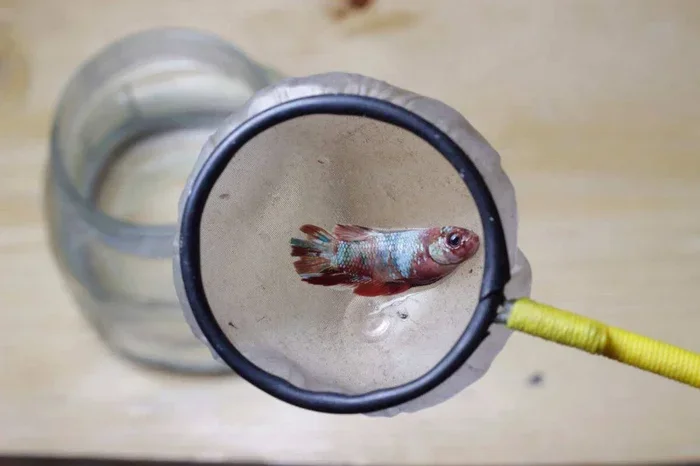
- Remove the body: Use a small net or container to take the fish out of the tank. Do not leave it to decompose in the water.
- Test the water: Check ammonia, nitrite, and nitrate levels. A dead fish can spike ammonia, which harms remaining tank mates.
- Do a partial water change: Replace 25 to 50 percent of the tank water with fresh, dechlorinated water at the same temperature.
- Observe other fish: Watch your remaining tank inhabitants for signs of stress or illness over the next 24 to 48 hours.
If you have other fish in the tank, their behavior after one dies can tell you a lot. Healthy fish continue eating and exploring. Stressed fish hide, stop eating, or swim erratically. For guidance on handling a dying betta before it passes, check out What Do You Do When Your Betta Fish Is Dying.
Understanding Why Your Betta Died
Preventing future losses starts with understanding what went wrong. Common causes of betta fish death include:
- Poor water quality: The number one killer of aquarium fish. Ammonia and nitrite build up fast in small tanks.
- Overfeeding: Excess food rots and pollutes the water. Betta stomachs are tiny and need small portions.
- Wrong tank setup: Too small a tank, lack of filtration, or no heater creates an unhealthy environment.
- Incompatible tank mates: Aggressive fish can injure or stress a betta to death.
- Old age: Bettas typically live three to five years. Natural death is a normal part of fish ownership.
Understanding these causes helps you create a better environment for future fish. Prevention always works better than treatment.
How to Prevent Betta Fish Death
The best way to deal with a dead betta is to prevent it from happening in the first place. A healthy tank environment keeps your fish alive and thriving for years.
Tank Setup Essentials
- Tank size: At least 5 gallons for a single betta. Larger tanks are even better for stable water conditions.
- Filtration: Use a gentle sponge filter that does not create strong currents. Bettas prefer calm water.
- Heating: Maintain water temperature between 78 and 80 degrees Fahrenheit with a reliable aquarium heater.
- Decorations: Provide hiding spots and soft plants. Avoid sharp decorations that can tear fins.
Water Maintenance Schedule
- Weekly: Test water parameters and perform a 25 percent water change.
- Monthly: Clean the substrate and check filter media. Rinse filter sponges in removed tank water, never tap water.
- Daily: Feed small amounts once or twice. Watch for any changes in behavior or appearance.
Clean water is the foundation of betta fish care. When your water quality stays stable, your fish stays healthy. For more on maintaining a healthy environment, see our guide on When Do You Clean A Betta Fish S Tank.
Proper Feeding Habits
Feeding mistakes are one of the biggest causes of betta health problems. Follow these simple rules:
- Feed small amounts twice a day: Only give what your betta can eat in two minutes.
- Use high-quality pellets: Look for betta-specific pellets with high protein content.
- Add variety: Offer frozen or live food like bloodworms or brine shrimp once or twice a week.
- Skip one day a week: This helps prevent constipation and gives the digestive system a rest.
A well-fed betta is a healthy betta. But overfeeding leads to bloating, swim bladder issues, and poor water quality. Balance is everything.
Common Mistakes That Lead to Betta Death
Many new fish owners make mistakes that shorten their betta’s lifespan. Learning from these errors saves fish lives.
Mistake 1: Keeping Bettas in Tiny Bowls
Betta fish need space to swim and explore. A tiny bowl with no filter or heater creates toxic conditions fast. A 5-gallon tank is the minimum for a single betta.
Mistake 2: Ignoring Water Changes
Even with a filter, waste builds up over time. Regular water changes remove harmful chemicals before they reach dangerous levels. Skipping water changes is one of the fastest ways to kill a betta.
Mistake 3: Overcrowding the Tank
Bettas are territorial and do not always get along with other fish. Adding too many tank mates causes stress, fights, and disease. Keep your betta in a peaceful, appropriately sized setup.
Mistake 4: Not Quarantining New Fish
Introducing a new fish without quarantine can spread diseases to your existing betta. Always observe new fish in a separate tank for at least two weeks before adding them to your main tank.
When to Call a Veterinarian
Sometimes a sick betta needs professional help. If your fish shows signs of illness but is still alive, a fish veterinarian can make a big difference. Look for a vet who specializes in aquatic animals. Early treatment of bacterial infections, parasites, or swim bladder issues can save your fish’s life.
Keep a basic fish first-aid kit on hand. It should include water conditioner, aquarium salt, and broad-spectrum fish medications. These supplies help you respond fast when problems arise.
Final Thoughts on Do Betta Fish Float When Dead
So, do betta fish float when dead? Yes, they often do, but floating alone does not always mean your fish has passed away. A living betta can float because of swim bladder disease, stress, or water quality problems. The key is to look at the full picture: check for gill movement, body color, fin position, and responsiveness. If you confirm your betta has died, remove the body promptly, test your water, and take steps to prevent future losses.
Understanding betta fish floating behavior is one of the most important skills for any fish owner. It helps you protect your fish, maintain a healthy tank, and respond calmly in difficult moments. Every fish owner loses a fish at some point. What matters most is what you learn from the experience and how you apply it going forward.
Keep your water clean, feed wisely, and watch your fish closely every day. These simple habits give your betta the best chance at a long, healthy, and happy life. Your fish depends on you. And with the knowledge you have gained today, you are ready to be the best owner possible.
Frequently Asked Questions
How long after a betta fish dies does it float?
A dead betta fish usually floats within a few hours to one day after death. Warmer water speeds up the process because decomposition happens faster. Cooler water may delay floating by several hours or even a day.
Can a betta fish be floating and still alive?
Yes, absolutely. A living betta can float at the surface due to swim bladder disease, stress, low oxygen, or overfeeding. Check for gill movement and responsiveness before assuming a floating fish is dead.
Why does my betta fish float on its side?
Floating on the side often indicates swim bladder disease or a digestive issue. It can also be caused by poor water quality or stress. Test your water parameters and observe your fish closely for other symptoms.
Should I remove a dead betta fish immediately?
Yes, remove a dead betta as soon as you confirm it has passed. A decomposing fish releases ammonia and other toxins that pollute the water and harm remaining tank inhabitants.
What should I do if my betta fish keeps floating but seems alive?
Test your water parameters first. Then check for signs of swim bladder disease or infection. Fast your fish for one to two days and offer a small amount of peeled peas, which can help with constipation and bloating.
Can poor water quality cause a betta to float?
Yes, poor water quality is one of the most common causes of abnormal floating behavior. High ammonia or nitrite levels stress the fish and can damage the swim bladder. Regular water changes keep your tank safe and stable.