Do Betta Fish Float to the Top When They Die
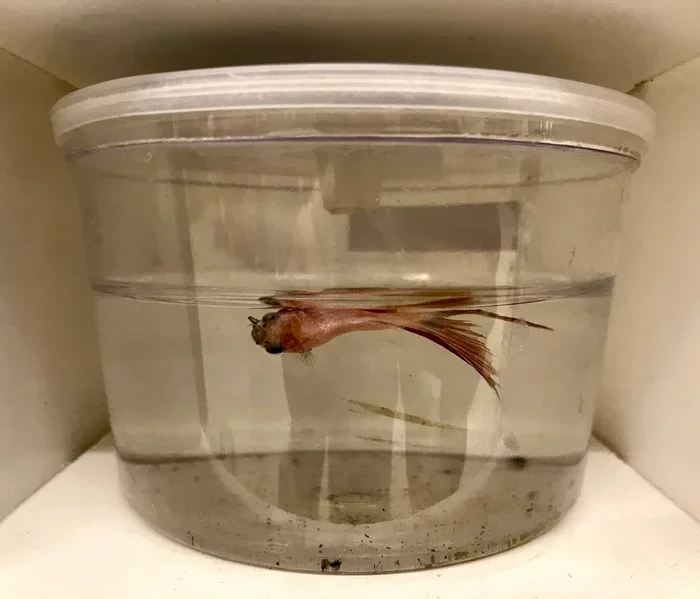
Do betta fish float to the top when they die? The answer is not always straightforward. A floating betta fish might be deceased, but it could also be suffering from swim bladder issues, stress, or poor water conditions. Understanding betta fish behavior after death and while alive helps you respond correctly and keep your fish healthy.
You walk up to your betta fish tank one morning and notice something unsettling. Your betta is floating at the top, not moving like it usually does. Your heart drops. Do betta fish float to the top when they die? It is a question every betta owner dreads asking, and one that carries a lot of confusion online.
The truth is more nuanced than you might think. A floating betta fish is not always a dead betta fish. Sometimes it is a sign of a treatable condition. Other times, unfortunately, it is too late. This guide walks you through everything you need to know about betta fish floating behavior, what it means, and what you should do right now.
Whether you are a first-time betta owner or have kept these beautiful fish for years, understanding why betta fish float to the top can make all the difference. Let us break it down together.
Key Takeaways
- A dead betta fish often floats to the top because gas buildup occurs after death, but this is not always immediate.
- Swim bladder disorder is a common reason live bettas float at the surface and mimics death symptoms.
- Poor water quality and low oxygen levels can cause bettas to stay at the top of the tank.
- Checking for gill movement and response to stimuli is the best way to confirm if a floating betta is alive or dead.
- Not all floating bettas are dying — many reasons are treatable with proper care.
- When do betta fish die often shows warning signs before the final floating stage.
- Acting quickly when you notice unusual floating behavior can save your betta’s life.
📑 Table of Contents
What Happens When a Betta Fish Dies
The Science Behind a Floating Dead Fish
When a betta fish dies, its body goes through changes that affect buoyancy. The most common reason a dead betta floats is gas buildup inside the body. After death, the digestive system and tissues start to decompose. This process releases gases like methane and hydrogen sulfide. These gases get trapped in the body cavity and make the fish float belly-up at the surface.
However, this does not happen instantly. In the early stages after death, a betta may sink to the bottom first. The body is still dense before gas forms. Over time — usually a few hours to a day — the fish will rise to the top. This is why you sometimes hear stories of people finding their betta floating after it had already passed.
Not all dead fish float. Some remain sunken at the bottom, especially in tanks with strong filtration or current. Water temperature also plays a role. Warmer water speeds up decomposition, which means gas builds up faster. Colder water slows the process down.
How Long After Death Does a Betta Float?
There is no fixed timeline. Several factors determine how quickly a dead betta rises to the surface:
- Water temperature: Warmer water accelerates decomposition and gas production.
- Tank size: Smaller tanks may show floating sooner due to concentrated gases.
- Body size: Larger bettas may take longer to float than smaller ones.
- Water flow: Strong filter currents can keep a body submerged longer.
- Gut contents: A recently fed fish may float faster due to internal gas from digestion.
If you ever wonder when do betta fish die and what happens immediately after, this floating timeline is important to understand. It can help you determine whether your fish has been dead for hours or days.
Why Do Betta Fish Float to the Top
Swim Bladder Disorder
The swim bladder is an internal organ that helps bettas control their buoyancy. When the swim bladder is not working properly, the fish loses the ability to stay at a normal depth. Many live bettas float to the top because of swim bladder issues.
This condition is often confused with death because the fish stays motionless at the surface. But the fish is still alive. Swim bladder disorder can be caused by:
- Overfeeding, which compresses the swim bladder
- Constipation or digestive blockages
- Bacterial or parasitic infections
- Sudden changes in water temperature
- Physical injury or birth defects
The good news is that swim bladder disorder is often treatable. Fasting the fish for two to three days can help clear blockages. Adjusting the water temperature slightly can also ease symptoms. If the cause is bacterial, a vet-approved treatment may be needed.
Low Oxygen Levels at the Surface
Bettas are labyrinth fish. This means they have a special organ that allows them to breathe air directly from the surface. When oxygen levels in the water drop too low, bettas naturally spend more time at the top, gulping air.
This behavior can look alarming, especially if your betta is floating and not swimming normally. Common causes of low oxygen include:
- Poor water circulation in the tank
- High water temperature, which holds less dissolved oxygen
- Overcrowded tanks with too many fish
- Excess waste and decaying organic matter
- Clogged or dirty filters
Regular water changes and proper filtration go a long way in preventing oxygen depletion. A gentle air stone or sponge filter can also help increase oxygen exchange at the surface.
Stress and Environmental Factors
Bettas are sensitive creatures. Changes in their environment can cause stress, which leads to unusual behavior including floating at the top. Common stressors include:
- Sudden changes in water parameters like pH or ammonia levels
- Bright lights or lack of hiding spots
- Aggressive tank mates
- Noise or vibrations near the tank
- Being kept in too small a tank
If your betta is floating at the top but still responsive, stress might be the culprit. Try to identify and remove the stressor. Give your betta time to adjust. A calm, stable environment works wonders for betta health.
Signs Your Betta Fish May Have Passed Away
Visual Cues of a Dead Betta
It can be hard to tell the difference between a betta that is floating because it is dead and one that is alive but unwell. Here are the key visual signs to look for:
- No gill movement: Watch closely at the gills. If there is no movement at all, the fish has likely passed away.
- Eyes becoming cloudy or sunken: Healthy bettas have bright, clear eyes. Cloudiness is a strong indicator of death.
- Body color fading: A dead betta often loses its vibrant color and looks pale or white.
- No response to food or stimuli: Even a very sick betta will usually react to food or a gentle tap on the glass.
- Limp body: A living betta, even one with swim bladder issues, will have some muscle tone. A dead fish goes completely limp.
What To Do If You Suspect Your Betta Has Died
If you believe your betta has passed, take a moment to confirm before taking any action. Gently remove the fish from the tank and examine it closely. Check the gills, the eyes, and the body for any signs of life. A betta that is truly deceased will feel limp and show no response to touch.
If the fish has indeed passed, remove it from the tank promptly. A decomposing body can quickly pollute the water, which can harm any remaining fish in the tank. Dispose of the body respectfully or follow your local guidelines for pet disposal.
Take this time to check your water parameters. If something in the tank caused the death, you want to address it before adding a new fish. Testing for ammonia, nitrite, and nitrate levels is a smart first step.
Common Reasons Bettas Float at the Top (That Are Not Death)
Swim Bladder Issues Are Treatable
As mentioned earlier, swim bladder disorder is one of the most common reasons a live betta floats at the top. It is important to know that many bettas recover fully from swim bladder problems with proper care.
Try these steps at home:
- Stop feeding for 48 to 72 hours to let the digestive system reset.
- Feed a peeled, cooked pea (no shell) to help with constipation.
- Raise the water temperature slightly to around 78 to 80 degrees Fahrenheit.
- Keep the tank clean with regular water changes.
- Avoid overfeeding in the future — bettas only need small portions once or twice a day.
If the floating does not improve after a few days, consult a veterinarian who specializes in fish. Early intervention can make a big difference.
Normal Surface Behavior
Sometimes bettas just like to hang out at the top of the tank. This is perfectly normal behavior. Bettas are natural surface dwellers in the wild. They frequent the shallow waters of rice paddies and slow-moving streams in Southeast Asia. Hanging near the surface is part of their natural behavior, especially if they are waiting for food or basking in the light.
If your betta is active, eating well, and has vibrant colors, floating at the top is probably nothing to worry about. However, if the floating is accompanied by lethargy, loss of appetite, or labored breathing, it is time to investigate further.
When Floating Is a Warning Sign
Not all floating is harmless. Sometimes it signals a serious health issue that needs immediate attention. Warning signs that your floating betta is in trouble include:
- Rapid or labored breathing at the surface
- Refusing to eat for more than two days
- Visible sores, redness, or swelling on the body
- Clamped fins held close to the body
- Lying on its side or upside down at the surface
If you notice any of these signs, test your water quality immediately. High ammonia or nitrite levels can be lethal to bettas. A partial water change of 25 to 50 percent can help stabilize the tank while you investigate further.
How To Tell If Your Betta Fish Is Still Alive
The Finger Test
If you are unsure whether your floating betta is alive or dead, try the finger test. Gently place your finger near the fish’s mouth or tail. A living betta will usually flinch or move away slightly, even if it is weak. A dead betta will not respond at all.
Be gentle during this test. A stressed or sick fish may only give a slight movement. Do not chase or grab the fish aggressively, as this can cause more harm.
Observing Breathing Patterns
Watch the gills closely. A living betta will have a steady, rhythmic gill movement. Even a very sick fish usually breathes in some way. If the gills are completely still, the fish has most likely passed away. Also watch for mouth breathing, which can indicate low oxygen or gill disease.
Sometimes a betta that is very weak will breathe rapidly or gulp air at the surface. This is a sign of distress, not death. It means the fish is still fighting and may be salvageable with the right intervention.
What To Do If Your Betta Fish Is Floating
Immediate Steps
If you find your betta floating at the top, do not panic. Follow these steps calmly:
- Observe carefully. Look for gill movement, eye response, and any sign of life.
- Check the water temperature. Make sure it is in the ideal range of 76 to 82 degrees Fahrenheit.
- Test the water. Check ammonia, nitrite, nitrate, and pH levels using a liquid test kit.
- Do a partial water change. Replace 25 to 30 percent of the tank water with dechlorinated water at the same temperature.
- Turn off the lights. Dimming the environment can reduce stress for a struggling fish.
Long-Term Prevention
Preventing future floating incidents comes down to good husbandry. Keep your tank clean, feed appropriately, and maintain stable water parameters. Here are some habits that help:
- Perform weekly water changes of 20 to 30 percent
- Do not overfeed — remove uneaten food within five minutes
- Keep the tank at a stable temperature with a reliable heater
- Use a gentle filter that does not create strong currents
- Provide hiding spots and plants for enrichment
- Quarantine new fish before adding them to the main tank
Taking these steps seriously greatly reduces the risk of swim bladder problems, oxygen depletion, and other issues that cause bettas to float at the top. A healthy environment leads to a healthy fish.
When To Seek Professional Help
If your betta is floating and none of the home remedies seem to work, it is time to see a professional. Fish veterinarians and experienced aquarists can diagnose conditions that are not visible to the naked eye. Bacterial infections, internal parasites, and organ failure all require expert treatment.
Do not wait too long. The sooner you seek help, the better the chances of recovery. Many floating bettas can be saved if treatment begins early enough.
Conclusion
So, do betta fish float to the top when they die? Sometimes they do, but not always. A floating betta can be a sign of swim bladder disorder, low oxygen, stress, or a treatable illness. It can also, unfortunately, mean the fish has passed away.
The key takeaway is to stay calm and observe carefully. Check for gill movement, body response, and other signs of life before jumping to conclusions. If your betta is alive but floating, there are steps you can take to help it recover. And if the worst has happened, knowing what to look for gives you the answers you need to move forward.
Understanding betta fish behavior — whether floating, sinking, or staying at the surface — is one of the most valuable skills any betta owner can develop. The more you know, the better you can care for your fish and prevent problems before they start.
Keep learning, keep observing, and give your betta the best life possible. Your fish depends on you, and that is a responsibility worth taking seriously.
Frequently Asked Questions
Why is my betta fish floating at the top but still breathing?
This usually means your betta is alive but experiencing a health issue. Swim bladder disorder, low oxygen levels, or stress are common causes. Test your water parameters and check for other symptoms like clamped fins or loss of appetite. Acting quickly can often resolve the problem.
Can a betta fish recover from floating at the top?
Yes, many bettas recover fully from floating episodes. Swim bladder issues, stress, and poor water conditions are often treatable at home with fasting, water changes, and temperature adjustments. The sooner you identify the cause, the better the chance of recovery.
How long does it take for a dead betta fish to float?
It can take anywhere from a few hours to over a day for a dead betta to float to the surface. The timeline depends on water temperature, tank size, and body condition. A fish that sinks first and then floats later is a common pattern after death.
Is floating always a sign that my betta fish is dying?
No, floating is not always a sign of dying. Many live bettas float at the top due to swim bladder issues, low oxygen, or normal surface behavior. Only by checking for gill movement and response to stimuli can you determine if the fish is truly in danger.
What should I do if my betta fish is floating and not moving?
Start by observing the gills for any movement. Check water temperature and quality immediately. Perform a partial water change and dim the lights. If the fish shows no response after these steps, it may have passed away. Consult a fish vet if you are unsure.
How can I prevent my betta from floating to the top?
Maintain clean water with regular changes, avoid overfeeding, keep the temperature stable, and ensure good oxygen levels. A well-maintained tank with proper filtration goes a long way in preventing floating issues. Watch for early warning signs like loss of appetite or unusual swimming patterns.