Do Betta Fish Eat Mealworms
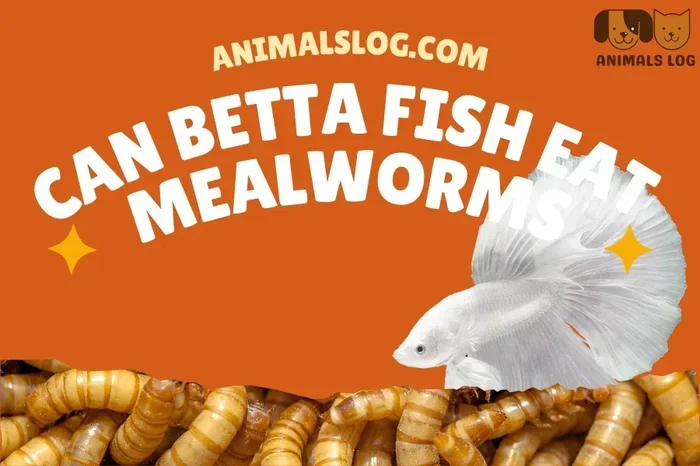
Yes, betta fish can eat mealworms, and they make a great protein-rich treat when fed in moderation. Mealworms are packed with nutrients that support betta fish health, but they should never replace a balanced betta fish diet. This guide covers everything you need to know about safely adding mealworms to your fish tank feeding routine.
Do betta fish eat mealworms? This is a question many fish owners ask when they want to add variety to their pet’s diet. The short answer is yes. Mealworms can be a healthy and exciting treat for your betta. But there is more to know before you drop one into your tank.
Bettas are carnivorous fish. They thrive on a diet rich in protein. In the wild, they hunt insects, larvae, and small creatures. Mealworms naturally fit into this diet. However, feeding them the right way matters a lot. Too many mealworms can cause health problems. Too few, and your fish misses out on a great treat.
This article covers everything you need to know. We will look at the nutritional value of mealworms, how to feed them safely, and what alternatives exist. By the end, you will feel confident about adding this food to your betta fish feeding schedule.
Key Takeaways
- Mealworms are safe for bettas: They provide high protein and essential nutrients that benefit your fish.
- Feed in moderation: Mealworms should be an occasional treat, not a staple food.
- Use live or freeze-dried options: Both are safe, but avoid seasoning or preservatives.
- Watch for overfeeding signs: Bloating and constipation can occur if you feed too many.
- Size matters: Cut large mealworms into small pieces to prevent choking.
- Not a replacement for staple food: Always pair treats with quality betta pellets or flakes.
📑 Table of Contents
- What Are Mealworms and Why Do Bettas Love Them?
- Can You Feed Mealworms to Betta Fish Safely?
- How Often Should You Feed Mealworms to Bettas?
- Mealworms vs. Other Betta Fish Food Options
- Benefits of Feeding Mealworms to Your Betta
- Common Mistakes to Avoid When Feeding Mealworms
- Can Baby Betta Fish Eat Mealworms?
- Expert Insights on Feeding Mealworms to Bettas
- Quick Tips for Feeding Mealworms to Your Betta
- Conclusion
What Are Mealworms and Why Do Bettas Love Them?
Mealworms are the larvae of darkling beetles. They are small, white, and wriggly. Fish find them irresistible. Their movement triggers a betta’s natural hunting instinct. This makes mealworms an excellent live food option.
Mealworms are high in protein and fat. They also contain important vitamins and minerals. For bettas, protein is essential. It keeps their muscles strong and their colors bright. A protein-rich food for bettas like mealworms can boost energy and support growth.
Nutritional Breakdown of Mealworms
Here is what mealworms offer nutritionally:
- Protein: Around 20% to 25% per serving
- Fat: Around 13% to 15% per serving
- Fiber: Small amounts for digestion
- Vitamins: B12, B6, and other B vitamins
- Minerals: Iron, zinc, and potassium
These nutrients make mealworms a valuable addition to betta fish nutrition. However, the fat content means they should not be the main food source. Think of mealworms as a supplement, not a meal.
Can You Feed Mealworms to Betta Fish Safely?
Yes, you can feed mealworms to betta fish safely. But there are important rules to follow. Not all mealworms are the same. Some are better than others. Let us break this down.
Live Mealworms vs. Freeze-Dried Mealworms
You have two main options. Live mealworms and freeze-dried mealworms. Both work well for bettas.
Live mealworms are the most natural choice. They move in the water. This excites your betta and encourages natural hunting behavior. Live food also retains more nutrients. If you can get live mealworms, they are the top choice.
Freeze-dried mealworms are a great alternative. They are shelf-stable and easy to store. They still provide good protein. However, they lose some moisture during drying. Soaking them in tank water before feeding helps. It makes them easier to digest.
Avoid mealworms from bait shops. These may carry parasites or chemicals. Always buy from reputable pet food suppliers. Clean, safe mealworms protect your betta fish health.
How to Prepare Mealworms for Your Betta
Preparation is simple. Follow these steps:
- Take one or two mealworms out of the container.
- If using live ones, rinse them gently in clean water.
- For large mealworms, cut them in half. This prevents choking.
- Drop them into the tank near your betta.
- Watch your fish eat them within a few minutes.
Remove any uneaten mealworms after 10 minutes. Leftover food can dirty the tank. Dirty water leads to health problems. Keep the tank clean for the best results.
How Often Should You Feed Mealworms to Bettas?
Mealworms should be an occasional treat. They are not meant for daily feeding. A good rule is once or twice a week. This keeps the treat special and prevents overfeeding.
Overfeeding is one of the biggest mistakes fish owners make. Bettas have small stomachs. They are about the size of their eye. Too much food causes bloating. It can also lead to constipation and swim bladder issues.
Signs of Overfeeding
Watch for these warning signs after feeding mealworms:
- Swollen belly: The fish looks bloated hours after eating
- Floating or sinking oddly: Difficulty maintaining balance
- Refusing food: Your betta ignores its regular meals
- Lethargy: The fish seems tired and less active
If you notice any of these, stop feeding treats for a few days. Offer plain betta pellets instead. Your fish will recover quickly with a lighter diet.
Mealworms vs. Other Betta Fish Food Options
Mealworms are not the only treat option. Bettas enjoy a variety of foods. Let us compare mealworms to other popular choices.
| Food Type | Protein Content | Best For | Feeding Frequency |
|---|---|---|---|
| Live Mealworms | High (20-25%) | Occasional treat and enrichment | 1-2 times per week |
| Freeze-Dried Bloodworms | High (25-30%) | Treat and variety | 1-2 times per week |
| Live Brine Shrimp | High (20-25%) | Active feeding and breeding | 1-2 times per week |
| Betta Pellets | Balanced (30-40%) | Daily staple food | Daily, 2-3 pellets |
| Betta Flakes | Moderate (25-30%) | Daily staple food | Daily, small pinch |
As you can see, mealworms work best alongside a quality staple food. Many owners feed betta fish regular fish food daily and add live treats a couple of times a week. This balanced approach keeps fish healthy and happy.
If you want to explore more food options, check out our guides on what live foods bettas can eat and whether bettas can eat standard fish food. These resources help you build the perfect betta fish meal plan.
Benefits of Feeding Mealworms to Your Betta
Adding mealworms to your betta’s diet has several benefits. Here is why many fish owners choose this treat:
1. Natural Hunting Instinct
Mealworms move in the water. This triggers your betta’s instinct to hunt. Watching your fish chase a mealworm is fascinating. It also provides mental stimulation. A stimulated fish is a happier fish. This reduces stress and improves overall behavior.
2. High Protein Content
Protein is the building block of a betta’s body. It supports muscle growth, vibrant colors, and a strong immune system. Mealworms deliver protein in a form bettas recognize. This is similar to what they would eat in the wild.
3. Easy to Find and Store
Mealworms are available at most pet stores. You can also buy them online. Live mealworms stay fresh in a container for weeks. Freeze-dried ones last even longer. They are a convenient option for busy fish owners.
4. Great for Picky Eaters
Some bettas are picky. They refuse pellets or flakes. Offering a mealworm can tempt them back to eating. The movement and scent attract even the most stubborn fish. If your betta is a fussy eater, mealworms are worth trying.
Common Mistakes to Avoid When Feeding Mealworms
Even with good intentions, mistakes happen. Here are common errors to avoid:
Feeding Too Many at Once
One or two mealworms per feeding is enough. Bettas are small fish. Their stomachs cannot handle large amounts. Overfeeding leads to dirty water and health issues. Keep portions small and feeding frequency low.
Using Wild-Caught Mealworms
Mealworms from your garden may carry pesticides or parasites. These can make your betta very sick. Always use mealworms from a trusted source. Pet stores and aquarium supply shops are the safest option.
Skipping the Soaking Step
Freeze-dried mealworms expand in water. If you drop them in dry, they can swell inside your betta’s stomach. This causes bloating and discomfort. Always soak dried mealworms for a minute before feeding.
Replacing Staple Food with Treats
This is the biggest mistake. Mealworms are treats. They should never replace a balanced diet. Quality betta pellets provide all the daily nutrients your fish needs. Use mealworms to complement, not replace, their main food.
For more tips on proper feeding, read our article on do betta fish eat special food. It covers how to balance treats with daily nutrition.
Can Baby Betta Fish Eat Mealworms?
Baby bettas, also called fry, have different dietary needs. They need very small, easily digestible food. Live baby brine shrimp is the best option for fry. Mealworms are too large and hard for young fish to eat safely.
Wait until your betta is fully grown before offering mealworms. A mature betta can handle them easily. For fry, stick to finely crushed pellets and live micro-foods. This ensures proper growth without digestive problems.
Expert Insights on Feeding Mealworms to Bettas
Experienced fish keepers agree on a few key points. Mealworms are a fantastic treat when used correctly. They add variety and enrichment to your fish’s life. However, variety should not replace consistency. A steady diet of quality pellets keeps bettas healthy long-term.
Many experts recommend rotating treats. One week you offer mealworms. The next week, try bloodworms or brine shrimp. This rotation provides a wider range of nutrients. It also keeps your betta interested in food. A bored fish may stop eating, and that leads to bigger problems.
Quick Tips for Feeding Mealworms to Your Betta
- Feed small portions: One or two mealworms per session is plenty.
- Soak dried mealworms: This prevents digestive issues from expansion.
- Cut large worms in half: This makes them easier to eat and digest.
- Feed in the evening: Bettas are more active and hungry at night.
- Remove leftovers: Uneaten food pollutes the water quickly.
- Buy from trusted sources: Avoid wild-caught or unverified mealworms.
- Pair with staple food: Always offer pellets or flakes alongside treats.
Conclusion
Do betta fish eat mealworms? Absolutely yes. Mealworms are a safe, nutritious, and exciting treat for your betta. They provide high-quality protein and satisfy natural hunting instincts. Just remember to feed them in moderation. Use them as a supplement to a balanced staple diet. With the right approach, mealworms can make mealtime more fun and nutritious for your fish.
Keep your betta fish diet varied but controlled. Offer treats like mealworms once or twice a week. Pair them with quality pellets and flakes. Watch your fish for any signs of overfeeding. A healthy, well-fed betta is a beautiful and active companion. Enjoy the process of finding what works best for your fish.
Frequently Asked Questions
Are mealworms safe for betta fish?
Yes, mealworms are safe for betta fish when fed in moderation. They are high in protein and provide essential nutrients. Always source mealworms from reputable pet suppliers to avoid contaminants or parasites.
Can I feed my betta dried mealworms instead of live ones?
Yes, dried or freeze-dried mealworms work well. Soak them in tank water before feeding to prevent them from expanding in your betta’s stomach. Both live and dried options provide good nutrition for your fish.
How many mealworms can I feed my betta at once?
One or two mealworms per feeding is enough. Bettas have very small stomachs. Overfeeding with mealworms can cause bloating, constipation, and water quality issues in your tank.
Are mealworms better than bloodworms for bettas?
Both are excellent treats with similar protein content. Live bloodworms are another popular choice for bettas. The best approach is to rotate between different live and dried treats to provide nutritional variety.
Can baby betta fish eat mealworms?
No, baby bettas should not eat mealworms. They are too large and hard for fry to digest. Stick to live baby brine shrimp or finely crushed pellets until your betta is fully grown.
How often should I feed mealworms to my betta?
Feed mealworms once or twice a week as an occasional treat. Daily feeding of mealworms is not recommended because of their high fat content. A balanced staple diet of betta pellets should always remain the main food source.