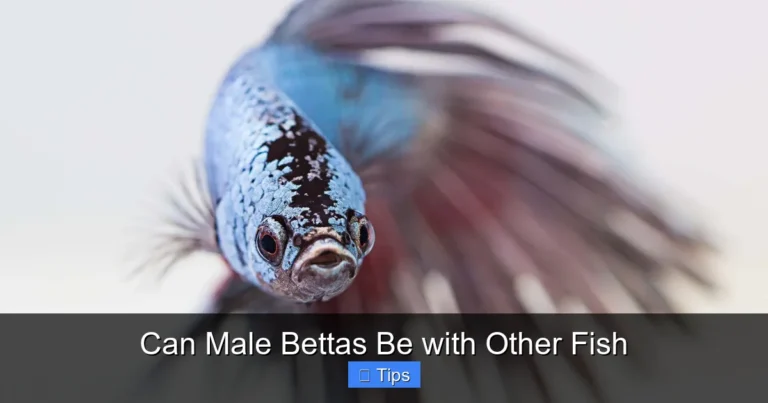
Can You Put Betta Fish With Shrimp What You Need To Know
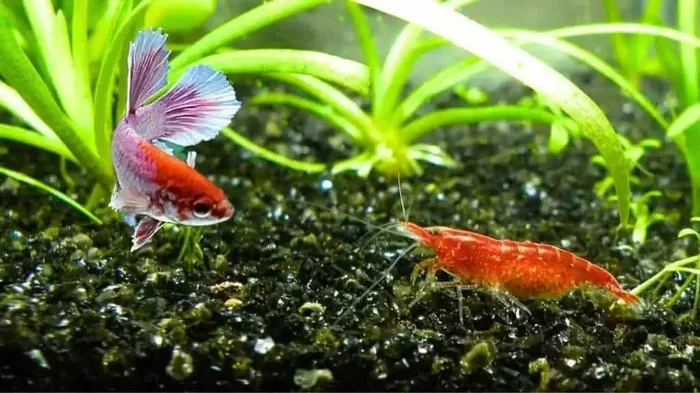
Can You Put Betta Fish With Shrimp? The short answer is yes, but only with the right shrimp species, proper tank setup, and careful observation. This guide covers which shrimp are safest, how to create a stress‑free environment, and common mistakes to avoid so your betta and shrimp can thrive together.
Key Takeaways
- Choose the Right Shrimp: Cherry, ghost, and Amano shrimp are among the safest species for betta tanks.
- Tank Size Matters: A 10‑gallon tank gives both fish and shrimp enough space to establish territory.
- Water Parameters Must Match: Keep temperature 78‑80°F, pH 6.5‑7.5, and perform regular water changes.
- Provide Hiding Spots: Live plants, driftwood, and caves give shrimp refuge and reduce betta aggression.
- Monitor Behavior Closely: Watch for signs of stress, bullying, or predation in the first 2‑3 weeks.
- Feed Appropriately: Offer high‑quality betta pellets plus occasional shrimp‑friendly foods like algae wafers.
📑 Table of Contents
Understanding Betta Fish and Shrimp Compatibility
When hobbyists ask “Can You Put Betta Fish With Shrimp?” they often worry about the betta’s notorious territorial nature. In the wild, male bettas protect their nesting sites and may view small moving creatures as food. However, many aquarists have successfully combined these two groups in a well‑planned aquarium.
Research shows that compatibility depends on species selection, tank environment, and individual temperament. For a deeper dive into the basics of betta‑shrimp pairings, check out our dedicated article on betta fish and shrimp compatibility. This resource explains the biological reasons behind successful pairings and outlines the key factors you must consider before adding both inhabitants to the same water.
First, understand that not all shrimp are created equal. Some species are more resilient and less likely to be seen as prey. Next, the betta’s personality can range from calm to highly aggressive. Observing your fish’s behavior before introducing shrimp is essential. Finally, tank dynamics such as hiding places and feeding schedules can tip the balance toward harmony or conflict.
Why Compatibility Matters
- Stress Reduction: Proper hiding spots and compatible tank mates lower cortisol levels in both species.
- Natural Behaviors: Shrimp can help control algae and leftover food, mimicking natural ecosystem balance.
- Aesthetic Appeal: A mixed tank adds color and movement, creating a visually striking display.
Best Shrimp Species for Betta Tanks
Not every shrimp species is a good match for a betta. Below are the top choices that hobbyists recommend for a peaceful mixed tank.
Cherry Shrimp (Neocaridina davidi)
Cherry shrimp are bright red and relatively hardy. They thrive in the same temperature range as bettas and are small enough that a large betta usually ignores them. However, juvenile bettas may still see them as snacks, so introduce them when the betta is fully grown and calm.
Ghost Shrimp (Palaemonetes paludosus)
Ghost shrimp are translucent and active swimmers. They are excellent algae eaters and will not compete with betta for food. Their larger size can deter a betta from chasing them, but they may become prey if the betta is particularly hungry.
Amano Shrimp (Caridina multidentata)
Amano shrimp are renowned for their algae‑eating prowess. They are slightly larger than cherry shrimp and have a more robust nature, which helps them survive in a betta’s territory. Their calm demeanor makes them a solid choice for community tanks.
For additional insights on other safe tank mates, such as freshwater snails, see our guide on freshwater snails with betta. This article explores how snails coexist with bettas and can further enrich your aquarium ecosystem.
Species to Avoid
- Tropical shrimp that are too large (e.g., giant river prawns) can stress bettas.
- Highly aggressive shrimp may attack a betta’s territory.
- Shrimp that require very different water parameters can cause health issues for the betta.
Setting Up a Safe Mixed Tank
Environment is the foundation of any successful betta‑shrimp pairing. A well‑structured tank reduces stress and encourages natural behaviors.
Tank Size and Filtration
Start with a minimum of 10 gallons. Larger volumes dilute waste and stabilize water parameters. Use a gentle filter that creates slight water flow without strong currents, which bettas dislike.
Water Parameters
- Temperature: 78‑80°F (26‑27°C)
- pH: 6.5‑7.5 (slightly acidic to neutral)
- Hardness: 4‑8 dGH
- Ammonia/Nitrite: Zero (perform weekly water tests)
Perform 20‑30% water changes weekly to maintain cleanliness. Stable parameters prevent shrimp molting issues and betta stress.
Hiding Spots and Visual Barriers
Provide plenty of hiding places for shrimp. Live plants such as Java Fern, Anubias, and Amazon Sword create natural cover. Driftwood and caves also offer refuge. For betta, include a few open swimming zones and a gentle surface area for breathing.
Consider adding a layer of fine sand or small gravel for shrimp to scour for food. This substrate also supports beneficial bacteria that aid in the nitrogen cycle.
Lighting
Use moderate lighting (8‑10 hours per day). Too much light can cause algae overgrowth, while too little can make shrimp more visible to the betta. A balanced light schedule helps both species maintain natural circadian rhythms.
Feeding and Health Management
Proper nutrition is essential for both betta and shrimp. Overfeeding can pollute water and trigger aggression.
Betta Diet
- High‑quality betta pellets (2‑3 small pellets per day)
- Live or frozen foods like brine shrimp or bloodworms (once weekly)
- Occasional vegetable matter (e.g., blanched peas)
Shrimp Diet
- Algae wafers or sinking shrimp pellets
- Protein‑rich foods like Daphnia or mosquito larvae
- Natural foraging opportunities (uneaten betta food, biofilm)
Feed sparingly and remove any uneaten food after 2‑3 minutes. This keeps water quality high and reduces the chance of betta viewing shrimp as a food source.
Health Monitoring
Watch for signs of stress in both species:
- Betta: Frayed fins, lethargy, loss of color, rapid breathing.
- Shrimp: Clamping of claws, pale coloration, slow movement, molting difficulties.
If you notice aggression, consider adding more plants or rearranging décor to create visual barriers. For male betta aggression, our article on other fish with male betta offers valuable insights on reducing territorial disputes.
Common Mistakes and How to Fix Them
Mistake #1: Overcrowding
Adding too many fish or shrimp at once creates competition. Start with one betta and a small group of shrimp (2‑3 individuals). Gradually increase numbers after observing peaceful interactions.
Mistake #2: Ignoring Water Parameters
Failing to test water regularly leads to hidden problems. Invest in a simple liquid test kit and log readings weekly.
Mistake #3: Lack of Hiding Places
Without cover, shrimp become easy targets. Add more plants, driftwood, and small caves. Rearrange décor if you notice increased hiding behavior.
Mistake #4: Feeding Too Much
Excess food decays, polluting the tank. Feed only what can be consumed within a few minutes.
Mistake #5: Mixing Incompatible Species
Some fish, like goldfish or cichlids, are not suitable tank mates. Stick to compatible tropical species if you plan to expand beyond betta and shrimp.
Expert Tips and Final Recommendations
Even experienced aquarists can refine their approach. Here are a few expert pointers to keep your betta‑shrimp tank thriving.
- Acclimate slowly: Use a drip method when introducing shrimp to the betta tank to reduce shock.
- Observe during feeding: Watch how your betta reacts when shrimp are present; intervene if he shows excessive interest.
- Maintain a stable environment: Consistent temperature and pH are more important than frequent water changes.
- Consider breeding: If you enjoy watching nature, betta and cherry shrimp can breed under the right conditions, offering a rewarding hobby extension.
- Document your progress: Keep a simple log of water parameters, feeding amounts, and behavior observations. This helps you spot trends early.
By following these guidelines, you’ll answer the question “Can You Put Betta Fish With Shrimp?” with confidence. The key is patience, proper planning, and continuous observation. Your mixed tank can become a beautiful, balanced ecosystem that showcases the best of both fish and invertebrates.
Conclusion
In summary, yes—betta fish can coexist with certain shrimp species when you prioritize compatibility, environment, and care. Choose hardy shrimp like cherry, ghost, or Amano, set up a well‑structured 10‑gallon tank, maintain stable water parameters, and provide ample hiding spots. Monitor behavior, feed responsibly, and avoid common pitfalls such as overcrowding or overfeeding.
Remember to reference trusted resources like our dedicated article on betta fish and shrimp compatibility for deeper insights. With the right approach, your aquarium will flourish, offering both visual appeal and the satisfaction of managing a harmonious community.
Take the first step today—research your shrimp choice, prepare a suitable habitat, and watch your betta and shrimp build a peaceful partnership. Happy fishkeeping!
Frequently Asked Questions
Can betta fish eat shrimp?
Yes, betta fish are carnivorous and will readily eat small shrimp, especially live or frozen varieties. However, feeding them shrimp regularly can lead to digestive issues if not balanced with proper betta pellets. It’s best to treat shrimp as an occasional treat rather than a staple food.
Are all shrimp safe with bettas?
No, not all shrimp are safe. Large or aggressive shrimp can stress a betta, while species requiring different water parameters may cause health problems. Cherry, ghost, and Amano shrimp are generally the safest choices.
How many shrimp can I keep with one betta?
A good rule of thumb is to start with 2‑3 small shrimp and observe their interaction. If the betta shows no aggression after a week, you can gradually increase the number, but avoid overcrowding to maintain water quality and reduce stress.
What tank size is needed for betta and shrimp?
A minimum of 10 gallons is recommended. This volume provides enough swimming space for the betta and allows shrimp to establish territories and find hiding spots without feeling crowded.
How do I know if my betta is stressed by the shrimp?
Watch for signs such as clamped fins, lethargy, loss of color, or rapid breathing. Shrimp may also exhibit stress by staying hidden, clamping claws, or failing to molt properly. Adjust the tank setup if these signs appear.
Do betta fish and shrimp need different feeding schedules?
They can share the same feeding schedule. Offer betta pellets twice daily and supplement with shrimp‑friendly foods like algae wafers. Remove any uneaten food after a few minutes to keep the water clean and prevent aggression.