Can Starfish Live with Betta Fish
No, starfish cannot live with betta fish. The two species have completely incompatible biological needs—betta fish are freshwater labyrinth fish from Southeast Asia, while all starfish are strictly marine invertebrates requiring saltwater. Attempting to house them together would be fatal for the starfish due to wrong water chemistry and likely fatal for the starfish due to betta aggression or poor water conditions. This combination is one of the worst possible tank pairings for both animals’ welfare.
So, you’ve got a beautiful, flowing betta fish in its solo tank, or maybe you’re planning one. You’re looking at that empty space and thinking, “What can I add to make this more interesting?” Your eyes land on the fascinating, alien beauty of a starfish. They seem so calm, so passive, just sitting on the bottom. It seems like a match made in heaven, right? The vibrant, active betta paired with the serene, star-themed bottom-dweller.
Let’s stop right there. This is one of the most dangerous and misguided pairings you could consider in the aquarium hobby. The short, blunt answer is no, a starfish cannot live with a betta fish. Not “it’s not recommended.” Not “it’s tricky.” It is an absolute, physiological impossibility that would result in the suffering and death of the starfish, and very likely significant stress or harm to your betta. The reasons aren’t about personality clashes alone; they go to the very core of what these animals are. Before we dive into the specific reasons, we need to understand that we are trying to mix two completely different worlds: the freshwater realm of the betta and the marine realm of the starfish.
Key Takeaways
- Fundamental Incompatibility: Betta fish require freshwater, while all starfish species are marine animals that need saltwater with specific gravity and chemistry. There is no overlap in their survivable water parameters.
- Water Parameter War: Bettas thrive in soft, acidic to neutral freshwater (pH 6.5-7.5, 0 salinity). Starfish require stable, alkaline saltwater (pH 8.0-8.4, salinity 1.023-1.025 SG). A tank cannot be cycled for both simultaneously.
- Aggression and Predation Risk: Bettas are famously territorial and may nip at or attack slow-moving starfish, causing injury or stress. Some larger starfish could potentially harm a betta, though this is less common.
- Different Dietary Needs: Bettas are carnivorous surface feeders. Starfish have varied but specific diets (detritus, corals, sponges, bivalves) that cannot be met in a freshwater community tank.
- Welfare Over Aesthetics: The desire for a unique aquarium should never override the basic, non-negotiable physiological needs of an animal. This pairing fails on every essential care requirement.
- Focus on Proven Compatibles: Invest time in researching peaceful, freshwater tank mates with similar water parameter needs to your betta, such as certain rasboras, corydoras catfish, or snails.
- Starfish Are Advanced Hobbyists: Starfish belong in sophisticated, well-established marine reef or nano-reef setups with impeccable water quality, not in a beginner-friendly freshwater betta tank.
📑 Table of Contents
Understanding the Fundamental Biological Chasm
To grasp why this combination is a non-starter, we must separate fact from fantasy. The fantasy is a peaceful community tank. The fact is that you are dealing with two organisms from entirely separate evolutionary paths, with bodies adapted for utterly different environments.
The Betta Fish: A Freshwater Labyrinth Fish
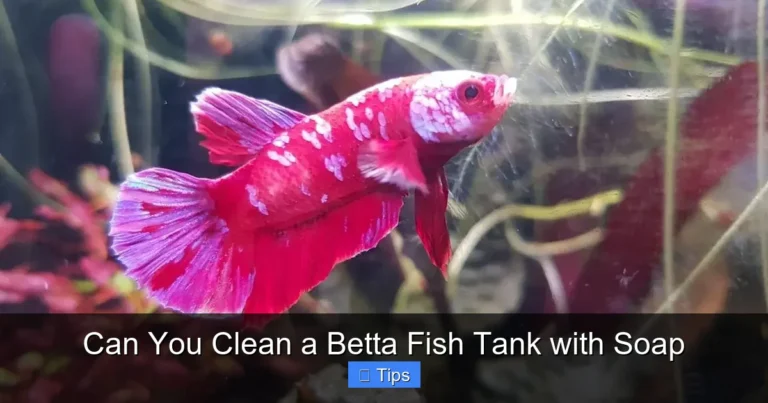
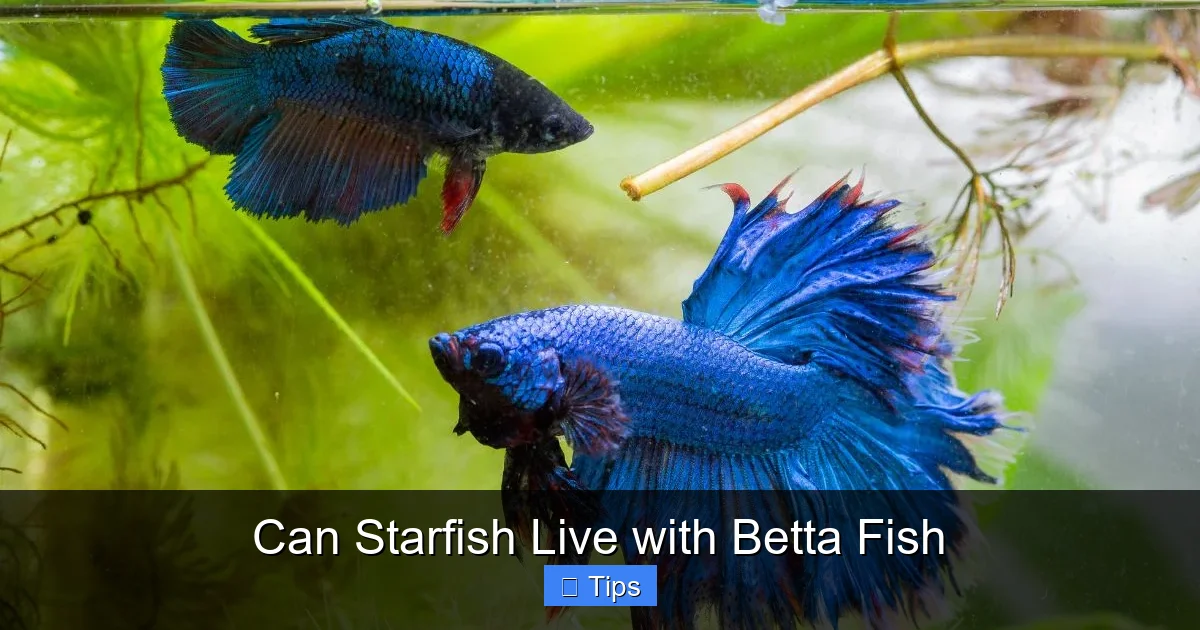
The Siamese fighting fish, or betta (Betta splendens), is a freshwater fish native to the shallow, slow-moving waters of Thailand, Cambodia, and Vietnam. They are members of the gourami family and possess a unique organ called the labyrinth organ. This specialized structure allows them to breathe atmospheric air directly from the surface, a crucial adaptation for surviving in warm, oxygen-poor waters like rice paddies and stagnant ponds. Their entire physiology—from their gills and kidneys to their skin—is designed for a freshwater environment. Freshwater is hypotonic, meaning it has a lower salt concentration than the fish’s internal fluids. Their kidneys work hard to excrete excess water while retaining essential salts. They thrive in soft, acidic to neutral water (pH typically 6.5-7.5) with a temperature range of 76-82°F (24-28°C).
The Starfish: A Strictly Marine Invertebrate
Starfish, or sea stars, are not fish at all. They are echinoderms, related to sea urchins and sand dollars. Every single one of the over 2,000 known starfish species is 100% marine. They are found only in saltwater oceans, from tidal pools to the deep sea. Their biology is a masterpiece of adaptation to seawater, which is hypertonic—it has a higher salt concentration than their body fluids. They do not have gills like fish. Instead, they use a unique water vascular system and tube feet for locomotion, feeding, and respiration. This system pumps seawater through their body, and any disruption to the precise salinity and mineral content (especially calcium and alkalinity) of that water is catastrophic. Their skin is permeable, and they rely on the osmoregulatory balance of the surrounding saltwater to function. They require stable, alkaline saltwater with a specific gravity (salinity) typically between 1.023 and 1.025 and a pH of 8.0-8.4.
The Unbridgeable Divide: Osmoregulation
The core reason this pairing fails is osmoregulation—how an animal controls the flow of water and salts across its membranes. Put a marine starfish in freshwater, and its cells will absorb water uncontrollably (freshwater rushes in due to osmosis), causing them to swell and burst. Its delicate water vascular system will fail. It will die within hours, possibly minutes, from systemic shock and cell lysis. Conversely, a freshwater betta placed in saltwater would dehydrate rapidly as water is pulled from its body into the more concentrated saltwater. Its kidneys and gills would be overwhelmed, leading to a swift and painful death. There is no middle ground. You cannot have a tank that is “kind of” freshwater for the betta and “kind of” saltwater for the starfish. It is one or the other, and the needs are diametrically opposed.
Tank Conditions and Water Parameters: A Conflict of Needs
Assuming, for a moment, we could solve the freshwater/saltwater paradox (we cannot), we would still have an insurmountable list of incompatible tank requirements. The environment each creature needs is a blueprint for its health, and these blueprints are drawn on different planets.
Visual guide about Can Starfish Live with Betta Fish
Image source: housedpet.com
Water Chemistry: pH, GH, KH, and Salinity
Let’s look at the numbers. A healthy betta tank aims for:
- pH: 6.5 – 7.5 (soft to slightly hard)
- GH (General Hardness): 3-4 dGH (50-70 ppm) – soft water
- KH (Carbonate Hardness): 3-5 dKH (50-90 ppm) – provides pH stability
- Salinity: 0 ppt (parts per thousand)
- Temperature: 76-82°F (24-28°C)
Now, a common, hardy marine starfish like a Chocolate Chip Starfish (Protoreaster nodosus) or a Brittle Star needs:
- pH: 8.0 – 8.4
- GH: Not typically measured in marine; instead, we focus on…
- KH (Alkalinity): 7-12 dKH (125-215 ppm) – critically important for pH stability
- Salinity: 1.023 – 1.025 SG (32-35 ppt)
- Calcium: 400-450 ppm
- Magnesium: 1250-1350 ppm
- Temperature: 72-78°F (22-26°C) – often cooler than a betta’s ideal
You cannot simultaneously have a salinity of 0 and 35 ppt. You cannot have a pH of 6.8 and 8.2. The moment you add marine salt to a betta tank, you begin a lethal process for the fish. The moment you try to dilute a marine tank for a starfish, you begin a lethal process for the starfish. The mineral demands (calcium, magnesium) for a starfish’s skeleton and tube feet are also completely alien to a freshwater biotope.
Filtration and Water Quality
Bettas produce a moderate bioload and are often kept in filtered tanks, but they are also frequently kept in unfiltered, heavily planted “walstad” bowls. Starfish, however, are extremely sensitive to ammonia, nitrite, and especially nitrate. They are often considered the “canary in the coal mine” for marine tank health. A marine tank requires powerful, efficient protein skimming and/or substantial live rock to manage the biological load and maintain pristine, ultra-stable water conditions. A betta filter, designed for a 5-10 gallon freshwater tank, would be woefully inadequate for a marine system supporting a starfish, which also needs robust flow to bring food particles to its tube feet. The filtration needs are orders of magnitude different.
Tank Setup and Substrate
A betta tank can be bare-bottom, have sand, or gravel. A starfish tank, particularly for species that sift or burrow, often requires a deep sand bed (DSB) of specific, sugar-fine marine sand. This sand bed hosts beneficial bacteria and microfauna that help process waste and provide food. The substrate itself is part of the marine environment’s chemistry. Gravel or inappropriate sand in a marine tank can trap detritus and cause toxic gas pockets. Furthermore, many starfish are sensitive to copper, a common medication used in freshwater tanks (for ich, etc.). A betta tank setup has zero consideration for this marine toxin.
Risks of Mixing: Aggression, Stress, and Disease
Even if we waved a magic wand and created a tank with a bizarre, stable water parameter that both could somehow survive in (they can’t), the behavioral and health risks would be severe and immediate.
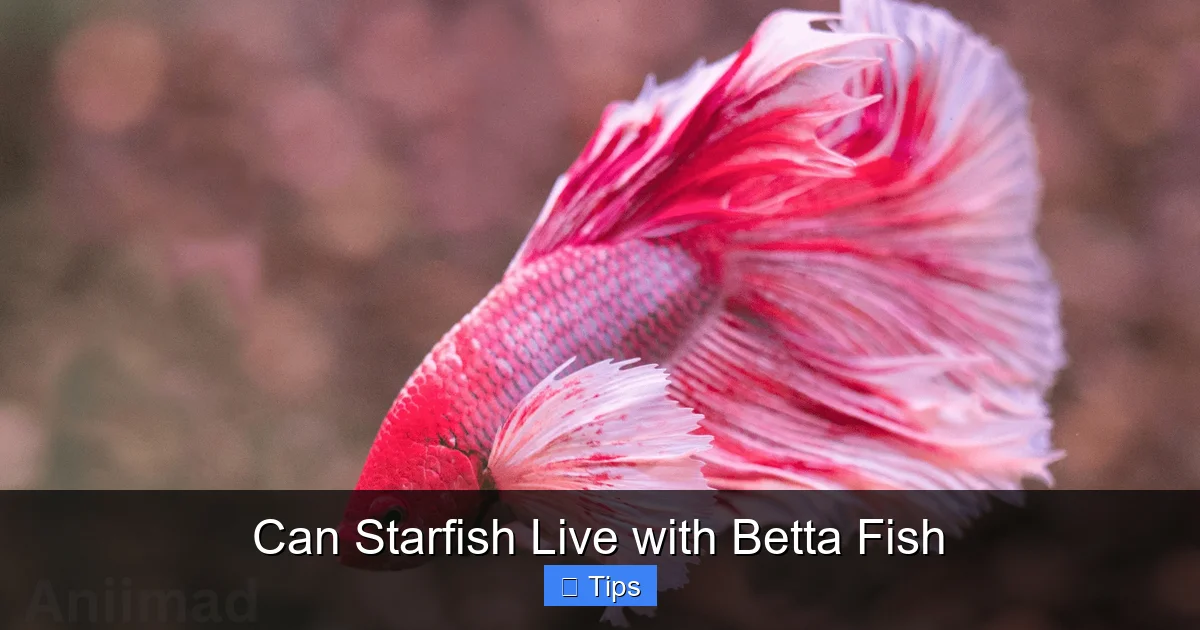
Visual guide about Can Starfish Live with Betta Fish
Image source: aniimad.com
Betta Aggression: The Instinct to Attack
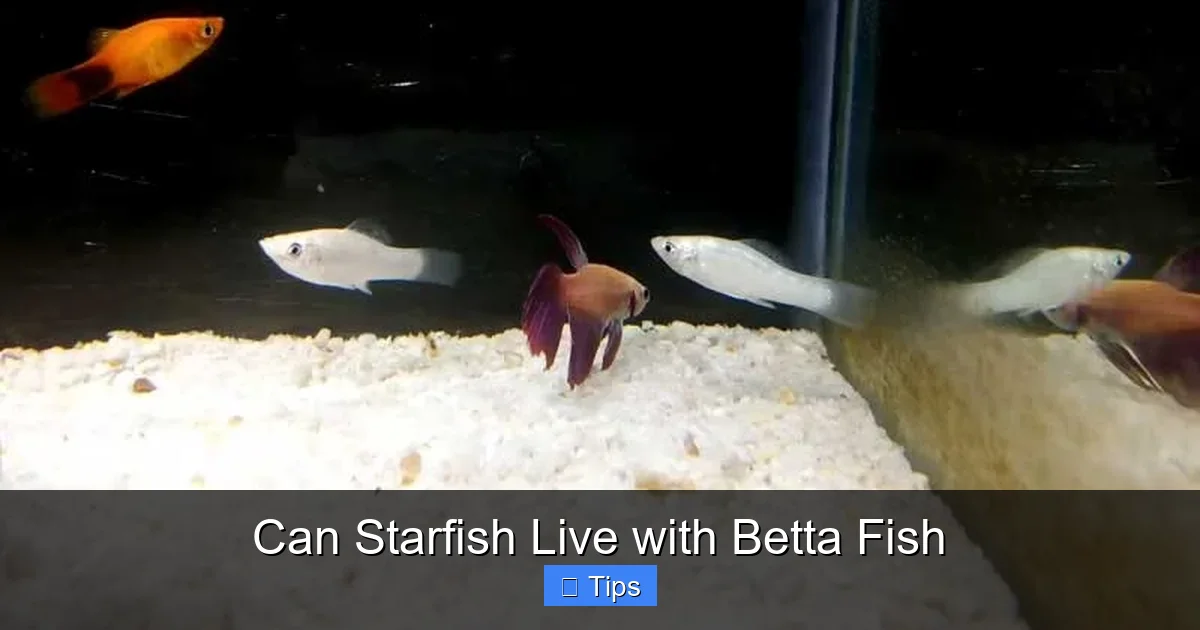
Bettas are famously territorial, especially males. Their aggression is not just toward other bettas; they will flare (extend their gills and fins to appear larger) at any fish they perceive as a rival or a threat. A slow-moving, textured starfish crawling on the substrate is an irresistible target. The betta may:
- Nip at the starfish’s arms: Causing physical injury, which for a starfish can mean permanent damage, loss of an arm, or a fatal infection since they have limited regenerative capabilities under stress.
- Harass it constantly: Preventing the starfish from feeding or resting. Chronic stress suppresses the immune system of both animals.
- Mistake it for food: The starfish’s movement might trigger a predatory response.
While some bettas are more mellow, you cannot rely on personality. It is a gamble with the starfish’s life. The betta’s labyrinth organ means it can breathe air and is active at the surface, but that doesn’t mean it ignores activity on the tank bottom.
Starfish Stress and Sensitivity
Starfish are invertebrates with a simple nervous system. They do not “think” like fish, but they absolutely feel stress and environmental toxins. Their response to poor conditions is often to “shed” an arm or, in severe cases, completely disintegrate—a process called <
Frequently Asked Questions
What is can starfish live with betta fish?
can starfish live with betta fish is an important topic with many practical applications.