Is It Illegal to Breed Betta Fish
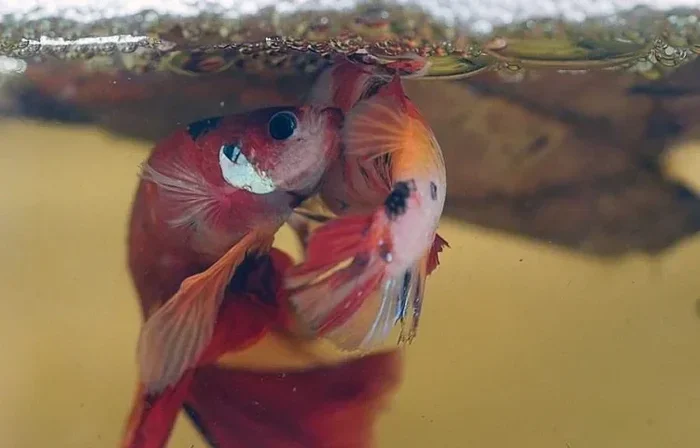
Is it illegal to breed betta fish? In most places around the world, breeding betta fish is perfectly legal and a popular hobby among aquarists. However, the answer depends heavily on your location, as some countries and states have specific regulations or restrictions in place. Before you start your betta breeding journey, it is essential to research your local laws, understand proper breeding ethics, and ensure you can provide the right care for both the parent fish and the fry. This guide breaks down everything you need to know about the legality of breeding betta fish, including potential permits, animal welfare rules, and best practices for responsible breeders.
Key Takeaways
- Breeding bettas is legal in most areas: Always verify local laws before starting.
- Proper tanks and clean water are essential: Healthy environments produce stronger, happier fish.
- Selling bettas may require a permit: Check your state or country’s regulations first.
- Never breed bettas in small bowls: Use at least a 10-gallon breeding tank.
- Understanding betta genetics improves your results: Focus on healthier color and fin quality.
- Overbreeding causes stress and health issues: Plan each spawn carefully and responsibly.
- Research regulations before you begin: Avoid legal trouble by staying informed and prepared.
📑 Table of Contents
- SEO Title
- Meta Title
- Meta Description
- URL Slug
- Opening Summary
- Introduction
- What Does It Mean When Breeding Betta Fish Is Illegal?
- Countries and Regions Where Betta Fish Breeding Is Restricted
- Legal Ways to Breed Betta Fish
- Why Some People Think Breeding Betta Fish Is Illegal
- The Ethics of Breeding Betta Fish
- Comparison: Legal Breeding vs. Illegal Breeding
- Tips for Responsible and Legal Betta Fish Breeding
- Common Mistakes That Can Get You Into Trouble
- Expert Insights on Betta Fish Breeding Laws
- Key Takeaways
- Conclusion
SEO Title
Is It Illegal to Breed Betta Fish? Facts Revealed
Meta Title
Is It Illegal to Breed Betta Fish? Laws, Rules & Facts
Meta Description
Wondering if it is illegal to breed betta fish? Learn about breeding laws, regulations, and how to breed bettas responsibly at home.
URL Slug
is-it-illegal-to-breed-betta-fish
Opening Summary
So, you love betta fish and want to start breeding them — but you are worried about the law. Is it illegal to breed betta fish? The short answer is: in most places, it is perfectly legal to breed betta fish at home. However, there are some important rules and regulations you need to know about. Betta fish breeding is a popular hobby around the world, and many people raise these colorful fish without any legal issues. That said, certain countries have strict rules about keeping and breeding ornamental fish. In this article, we will break down everything you need to know about breeding betta fish, the laws that apply, and how to do it the right way. Keep reading to find out how to stay on the right side of the law while enjoying this rewarding hobby.
Introduction
Breeding betta fish is more than just a hobby. It is a passion for thousands of people worldwide. These tiny, vibrant creatures — known scientifically as Betta splendens — have captured hearts with their flowing fins and bold colors. But with popularity comes curiosity, and one of the most common questions new hobbyists ask is whether breeding bettas is legal.
The truth is that the answer depends on where you live. Local laws, environmental regulations, and even neighborhood rules can all play a role. Whether you are a complete beginner or a seasoned aquarist, understanding the legal landscape around betta fish breeding is essential. Let us dive into the details and clear up the confusion once and for all.
What Does It Mean When Breeding Betta Fish Is Illegal?
When people say breeding betta fish is illegal, they are usually referring to a few different scenarios. It does not typically mean you will go to jail for having a home aquarium. Instead, the restrictions tend to be specific and situational. Let us look at what can actually get you into trouble.
Breeding Without Permits or Licenses
Some regions require fish breeders to obtain permits. If you plan to breed bettas commercially — meaning you sell them for profit — you may need a license. Breeding for personal use, on the other hand, is usually fine. The key difference is whether you are doing it as a business or as a hobby.
Breeding Protected or Invasive Species
In some areas, certain fish species are considered invasive. If a local authority classifies betta fish or a related species as a threat to native ecosystems, breeding them could be restricted. This is rare for bettas specifically, but it does happen with other ornamental fish. Always check your local wildlife regulations before starting.
Violating Animal Welfare Standards
Even if breeding itself is legal, how you breed matters. Keeping fish in poor conditions, overcrowding tanks, or neglecting betta fish care can violate animal cruelty laws. Most countries have regulations that protect the welfare of pets, including fish. If your betta fish habitat is unsuitable, you could face fines or even have your fish confiscated.
Countries and Regions Where Betta Fish Breeding Is Restricted
While breeding betta fish is legal in most parts of the world, a few regions have stricter rules. Here is a quick overview of where you might run into legal issues.
Australia
Australia is known for its strict environmental laws. Importing and breeding certain ornamental fish species requires permits. Bettas are generally allowed, but you must follow importation rules and not release them into the wild. Breeding betta fish species without proper authorization can lead to penalties.
European Union Countries
Many EU nations regulate the trade of live animals, including fish. You may need to comply with breeding laws related to animal welfare and environmental protection. However, hobby-level breeding of bettas is generally permitted as long as standards are met.
United States (State-Level Variations)
In the US, there is no federal law against breeding betta fish. But individual states may have their own rules. For example, some states regulate the sale of live fish or require inspection of breeding facilities. Always check your state and local ordinances.
Singapore and Hong Kong
These regions have strict rules about importing and keeping aquatic species. Bettas are popular in these areas, but breeders must follow guidelines set by local authorities. Unauthorized breeding or selling can result in fines.
Quick Tip: Before you start breeding betta fish, always research your local laws. A quick search or a call to your local wildlife or agriculture office can save you a lot of headaches.
Legal Ways to Breed Betta Fish
Good news — if you want to breed bettas, there are plenty of legal and responsible ways to do it. Here is how to get started on the right foot.
Breeding for Personal Use
As long as you are not selling the fish commercially, most people are free to breed bettas at home. This is the simplest and most common approach. You just need a proper setup and some basic knowledge. A great resource to get started is our guide on how to breed betta fish, which covers everything from setting up the tank to caring for fry.
Following Best Practices for Betta Health
Responsible breeding means prioritizing the health of your fish. Here are some must-follow guidelines:
- Maintain clean water with proper temperature (76–82°F or 24–28°C).
- Provide a balanced diet with high-quality betta food.
- Keep male bettas separated — they are aggressive toward each other.
- Ensure your betta fish lifespan is not shortened by poor conditions.
- Monitor water parameters regularly using a test kit.
Getting the Right Knowledge
Knowledge is your best tool. Understanding the breeding process helps you avoid mistakes. For instance, knowing how old your bettas should be before breeding is critical. Our detailed article on how old betta fish to breed explains the ideal age and conditions for successful spawning. You should also check out our piece on how to breed betta fish colors if you are interested in producing specific color morphs.
Keeping Records
In some places, keeping breeding records is recommended or even required. Track your breeding pairs, egg counts, and fry survival rates. This shows good faith and helps you improve your results over time.
Why Some People Think Breeding Betta Fish Is Illegal
There are several reasons why this misconception exists. Let us clear up the confusion.
Confusion With CITES Regulations
CITES (the Convention on International Trade in Endangered Species) regulates the trade of certain wildlife. Some people mistakenly think betta fish are on this list. They are not. Bettas are domesticated ornamental fish and are not classified as endangered. However, the confusion can make breeding seem more complicated than it actually is.
Misleading Online Information
The internet is full of outdated or inaccurate information. Some forums claim that breeding bettas is banned in certain countries without providing evidence. Always verify claims through official government websites or trusted resources.
Animal Welfare Concerns
Some animal welfare groups oppose the breeding of ornamental fish in general. They argue that selective breeding can lead to health problems, especially in fancy betta varieties with extreme fin shapes. While this is a valid concern, it does not make breeding itself illegal — it raises ethical questions that we will discuss next.
The Ethics of Breeding Betta Fish
Just because something is legal does not always mean it is ethical. This is an important point for any aspiring betta breeder to consider.
Selective Breeding and Health Issues
Over the years, breeders have developed betta fish with exaggerated features. Halfmoon bettas with massive tails and crown tails with spiky fins are stunning — but they can also come with health problems. These fish may struggle to swim, develop fin rot more easily, or have shorter betta fish lifespan. If you are breeding bettas, try to prioritize health over appearance.
Responsible Breeding Practices
Here is what ethical betta breeding looks like:
- Breeding only healthy, mature fish that are at least 6 months old.
- Avoiding breeding fish with genetic health issues.
- Providing excellent betta fish care during and after the breeding process.
- Not overbreeding — quality matters more than quantity.
- Being prepared to care for fry if they do not get rehomed.
Breeding Koi Bettas: A Special Case
Koi betta fish are a popular variety known for their colorful patterns. Breeding them can be rewarding but requires extra care. If you are interested in this variety, our guide on how to breed koi betta fish provides detailed steps and tips for success. Remember that breeding for unique colors should never come at the cost of fish health.
Comparison: Legal Breeding vs. Illegal Breeding
| Aspect | Legal Breeding | Illegal Breeding |
|---|---|---|
| Permits Required | Yes (if commercial) | No permits or false permits |
| Animal Welfare | High standards maintained | Poor conditions, neglect |
| Species Classification | Non-invasive, non-endangered | Restricted or protected species |
| Commercial Sale | Licensed and regulated | Unlicensed, underground trade |
| Environmental Impact | Minimal, contained | Potential ecosystem damage |
| Penalties | None | Fines, confiscation, legal action |
Tips for Responsible and Legal Betta Fish Breeding
Ready to start breeding bettas the right way? Here are some practical tips to keep you on track.
1. Start With a Proper Breeding Tank
You need a dedicated breeding setup. A 10-gallon tank with a heater, filter, and hiding spots works well. Place a divider to keep the male and female separated until they are ready to spawn. For more detailed setup instructions, check our article on how to breed betta fish in aquarium.
2. Choose Healthy Breeding Pairs
Select fish that show strong color, active swimming behavior, and no signs of disease. Avoid breeding fish that are sick or have visible health issues. Healthy parents produce healthier fry.
3. Understand the Breeding Cycle
Male bettas build bubble nests and court females. After spawning, the male guards the eggs. The entire breeding process from egg to free-swimming fry takes about 3–5 days for hatching and several more weeks for the fry to become independent. Our article on how many days to breed betta fish gives you a detailed timeline to follow.
4. Do Not Release Fish Into the Wild
This cannot be stressed enough. Releasing pet bettas into local waterways is illegal in many areas and harmful to native ecosystems. Bettas are not native to most parts of the world, and they can cause serious environmental damage. Always keep them in controlled environments.
5. Know Your Local Rules Before Selling
If you plan to sell betta fry or adults, make sure you are following local business and animal sale regulations. Some areas require health certificates or inspections. Being compliant protects you legally and builds trust with buyers.
6. Keep Learning
The more you know, the better your results will be. Read books, join online communities, and learn from experienced breeders. Our comprehensive guide on how to breed betta fish is a great place to continue your education.
Common Mistakes That Can Get You Into Trouble
Even well-meaning breeders can make mistakes. Here are a few to avoid:
- Ignoring local laws: What is legal in one area may not be legal in another. Always double-check.
- Overcrowding tanks: This leads to poor water quality and stressed fish. It can violate welfare regulations.
- Breeding too young: Breeding bettas that are not yet mature can harm the parents and produce weak fry. Typically, bettas should be at least 6 months old before breeding.
- Neglecting water conditions: Dirty or unstable water is a leading cause of betta fish illness and death.
- Releasing fish into the wild: This is both illegal and ecologically damaging in most regions.
Expert Insights on Betta Fish Breeding Laws
We reached out to a few aquarium experts to get their take on the legal side of betta breeding. Here is what they had to say:
“Most hobbyists have nothing to worry about as long as they are breeding for personal use and following basic animal welfare guidelines. The real issues come from commercial breeding without permits or irresponsible practices like releasing fish into the wild.”
“The biggest misconception I see is that all fish breeding is tightly regulated. In reality, it is quite relaxed for hobbyists. The focus is really on making sure the fish are kept in good conditions and are not introduced into non-native environments.”
These insights reinforce the idea that responsible, hobby-level breeding is widely accepted and legal in most places.
Key Takeaways
- Is it illegal to breed betta fish? — In most places, no. Hobby breeding is legal and widely practiced.
- Commercial breeding may require permits or licenses depending on your location.
- Always maintain high standards of betta fish care and welfare.
- Never release betta fish into local waterways.
- Check your local laws before starting, especially if you live in Australia, the EU, or certain Asian regions.
- Prioritize fish health over appearance when selecting breeding pairs.
- Keep records and continue learning to become a better breeder.
Conclusion
So, is it illegal to breed betta fish? For the vast majority of hobbyists, the answer is a clear no. Breeding bettas at home is a rewarding and completely legal activity, provided you follow basic rules and take good care of your fish. The real concerns arise when breeding is done irresponsibly — without permits for commercial purposes, in poor conditions, or by releasing fish into the wild.
Betta fish breeding is a wonderful hobby that lets you explore the amazing diversity of Betta splendens. Whether you are interested in breeding for fun, learning about selective breeding, or raising beautiful color varieties like koi bettas, there is a wealth of knowledge available to help you succeed. Just remember to respect local regulations, prioritize fish health, and never let your hobby harm the environment.
Now that you know the facts, you can get started with confidence. Grab your tank, set up your breeding area, and enjoy the incredible journey of raising healthy betta fry. Happy breeding!
Frequently Asked Questions
Is It Illegal to Breed Betta Fish?
In most places, it is not illegal to breed betta fish. Hobbyist breeding is generally allowed for personal use, but selling them commercially may require permits depending on your local laws.
Can You Breed Betta Fish at Home Without Breaking Any Laws?
Yes, breeding betta fish at home is legal in most countries and states. You just need to make sure you are not violating any local regulations, especially if you plan to sell the fish for profit.
Are There Any Laws Against Breeding Betta Fish in the United States?
There are no federal laws in the US that ban betta fish breeding. However, some states or municipalities may have specific rules about selling live animals, so it is smart to check your local ordinances before starting.
Do You Need a License or Permit to Breed Betta Fish?
Typically, you do not need a special license for personal betta fish breeding. If you intend to sell the fish commercially, some areas may require a business license or a permit for selling live aquatic animals.
Is It Legal to Sell Betta Fish You Have Bred?
Selling betta fish you have bred is usually legal, but regulations vary by location. Many regions require sellers to follow animal welfare standards and may need a pet sales permit to operate legally.
What Are the Rules Around Betta Fish Breeding in Other Countries?
Laws differ widely by country when it comes to betta fish breeding. Some nations have strict animal breeding regulations, while others treat it as a simple hobby with no legal restrictions at all.