How to Make Your Own Betta Fish Tank
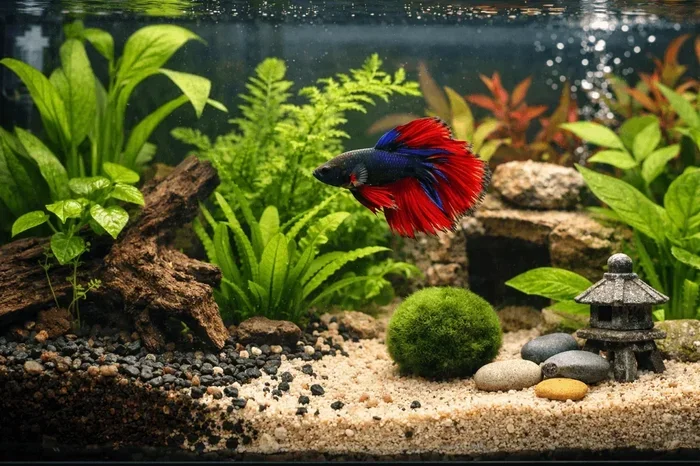
Building your own betta fish tank is easier and more rewarding than you might think. This guide walks you through everything you need to know about how to make your own betta fish tank, from choosing the right setup and equipment to maintaining a healthy, thriving environment for your fish. You’ll discover practical tips, affordable DIY solutions, and expert-backed advice that help you create a beautiful home your betta will love.
Key Takeaways
- Choose a 5-gallon tank minimum: Betta fish need space to swim and stay healthy.
- Install a gentle filter and heater: Stable water temperature between 76-82°F keeps your betta thriving.
- Use a soft substrate and live plants: They mimic natural habitats and reduce stress for your fish.
- Cycle your tank before adding your betta: This removes harmful ammonia and prevents serious health issues.
- Perform weekly water changes: Replacing 25% of water maintains cleanliness and supports long-term betta wellness.
- Avoid small bowls and direct sunlight: Both cause temperature swings and limit your fish’s quality of life.
📑 Table of Contents
- SEO Title
- Meta Title
- Meta Description
- URL Slug
- Opening Summary
- Introduction
- Why Building Your Own Betta Fish Tank Matters
- Essential Supplies and Equipment for Your Betta Fish Tank
- Step-by-Step Guide to Making Your Own Betta Fish Tank
- Tank Setup and Decoration Ideas
- Water Quality and Maintenance Tips
- Common Mistakes to Avoid When Building Your Betta Tank
- Key Takeaways for a Successful DIY Betta Tank
SEO Title
How to Make Your Own Betta Fish Tank: A Complete DIY Guide
Meta Title
How to Make Your Own Betta Fish Tank | DIY Setup Guide
Meta Description
Learn how to make your own betta fish tank with our step-by-step DIY guide. Get essential supplies, setup tips, and decoration ideas for a healthy betta.
URL Slug
how-to-make-your-own-betta-fish-tank
Opening Summary
So you want to learn how to make your own betta fish tank? Great choice! Building a DIY betta fish aquarium is one of the most rewarding projects for fish lovers. Whether you are a complete beginner or a seasoned hobbyist, creating a custom betta fish habitat lets you design a home that fits your style and your fish’s needs. This guide walks you through every step, from picking the right tank size to choosing the best tank decorations and water parameters. By the end, you will know exactly what supplies you need and how to set up a beautiful, thriving betta fish environment your pet will love.
Introduction
There is something really special about watching a betta fish swim gracefully through a tank you built with your own hands. A well-designed betta fish tank does more than look good. It creates a healthy, stress-free space where your fish can live a long and happy life. The good news? You do not need a big budget or years of experience.
In this guide, we will show you how to make your own betta fish tank from scratch. We cover everything from the basic supplies to the finer details of aquarium lighting and live plants. Let us get started!
Why Building Your Own Betta Fish Tank Matters
Buying a pre-made kit is easy, but building your own betta fish aquarium gives you full control. You pick every piece of equipment, every plant, and every decoration. That means your betta fish habitat is truly custom-made.
A DIY approach also helps you understand water quality and tank maintenance better. When you set things up yourself, you learn how each piece of equipment works. This knowledge makes it easier to spot problems early and keep your fish healthy.
Plus, a homemade tank just feels more personal. You get to show off a creation that reflects your creativity while giving your betta fish the best possible home.
Benefits of a DIY Betta Tank
- Full customization — You choose the size, shape, and style of your tank.
- Cost savings — Buying supplies individually often costs less than pre-packaged kits.
- Better control over water parameters — You select the heater, filter, and thermometer that suit your setup.
- Deeper knowledge — You learn how tank cycling and water quality work firsthand.
- Unique look — Your tank stands out with a personal touch no mass-produced setup can match.
Essential Supplies and Equipment for Your Betta Fish Tank
Before you start building, gather all your supplies. Having everything ready makes the process smoother and prevents frustrating delays. Here is what you need for a basic how to make your own betta fish tank project.
Tank and Stand
The tank is the foundation of your betta fish environment. A 5-gallon tank is the sweet spot for most betta fish. It gives your fish plenty of room to swim and explore. Avoid tiny bowls — they limit movement and make water quality hard to maintain.
Pick a sturdy stand that can handle the weight. A full 5-gallon tank with water and equipment weighs around 45 pounds. Make sure the stand sits on a flat, stable surface.
Heating and Filtration
Betta fish thrive in warm water between 76°F and 82°F. A small aquarium heater with a built-in thermostat keeps the water temperature steady. For filtration, a gentle hang-on-back filter works well. Bettas prefer slow currents, so avoid power filters that create strong waves.
Substrate and Decorations
Choose a substrate that fits your vision. Fine gravel works great for most setups. If you plan to add live plants, a nutrient-rich substrate underneath helps them grow. For decorations, smooth rocks, driftwood, and caves give your betta places to explore and rest.
Other Must-Have Items
- Thermometer — To monitor water temperature daily.
- Water conditioner — Removes chlorine and chloramine from tap water.
- Aquarium lighting — Helps plants grow and shows off your fish’s colors.
- Water test kit — Checks ammonia, nitrite, nitrate, and pH levels.
- Net and bucket — For water changes and moving your fish safely.
Quick Tip
Before buying anything, check out this helpful guide on how to set up a fish tank for betta fish for additional supply recommendations and brand suggestions that experienced hobbyists trust.
Step-by-Step Guide to Making Your Own Betta Fish Tank
Now that you have your supplies, it is time to build. Follow these steps to create a safe and beautiful betta fish tank.
Step 1: Choose the Right Location
Place your tank away from direct sunlight. Sunlight causes algae blooms and makes water temperature hard to control. Pick a spot near an electrical outlet for your heater and filter. Avoid high-traffic areas where the tank could get bumped.
Step 2: Rinse and Prepare the Tank
Rinse the tank, substrate, and decorations with clean water. Never use soap — residue is toxic to fish. Place the substrate evenly across the bottom, angling it slightly toward the back for a nice visual depth.
Step 3: Install Equipment
Attach the filter and heater to the back of the tank. Position the heater near the water flow for even heat distribution. Add aquarium lighting on top. Let the equipment run for at least 24 hours before adding fish to make sure everything works properly.
Step 4: Fill with Water and Condition
Fill the tank slowly to avoid disturbing the substrate. Add water conditioner according to the bottle instructions. This removes harmful chemicals from tap water. Check the water temperature and adjust the heater to 78°F, which is a comfortable middle ground for most betta fish.
Step 5: Add Live Plants and Decorations
This is the fun part! Plant your live plants in the substrate and arrange rocks and driftwood. Leave open swimming areas in the front. For inspiration, take a look at this resource on how to decorate your betta fish tank for creative layout ideas that work beautifully.
Step 6: Cycle the Tank
Tank cycling is critical. It builds beneficial bacteria that break down toxic waste. You can cycle with or without fish, though the fishless method is safer. Test the water until ammonia and nitrite levels read zero. Only then should you add your betta. For a detailed walkthrough, read this guide on how to cycle a betta fish tank — it covers every method clearly.
Step 7: Introduce Your Betta
Float the bag with your betta in the tank for 15 to 20 minutes. This equalizes the temperature. Then slowly mix small amounts of tank water into the bag over 10 minutes. Gently net your fish out and release it. Discard the bag water — never pour it into the tank.
Tank Setup and Decoration Ideas
A well-decorated betta fish tank does three things: looks great, provides enrichment, and gives your fish places to rest. Bettas love to explore, but they also need calm spots where they can relax.
Choosing the Right Plants
Live plants are the best addition to any betta fish habitat. They absorb harmful nitrates, produce oxygen, and create a natural feel. Here are some beginner-friendly options:
- Java Fern — Hardy, low-light, and easy to attach to driftwood.
- Anubias — Thick leaves that bettas enjoy resting under.
- Amazon Sword — Big, lush leaves that fill the background beautifully.
- Java Moss — Perfect for creating cozy hiding spots on the tank floor.
Decoration Layout Tips
Keep the front of the tank open so you can see your betta clearly. Place taller plants and decorations toward the back. Use caves and floating hammocks to give your fish resting spots. Avoid sharp decorations that could tear delicate betta fins.
Comparison: Bare Tank vs. Planted Tank
| Feature | Bare Tank | Planted Tank |
|---|---|---|
| Water Quality | Harder to maintain | Plants help filter water naturally |
| Appearance | Simple and clean | Lush and natural looking |
| Maintenance | Easy but frequent water changes needed | Less frequent water changes |
| Betta Enrichment | Minimal | High — lots of exploring and resting spots |
| Setup Cost | Lower | Moderately higher |
Expert Insight
Experienced hobbyists often recommend a planted setup for bettas. Live plants mimic a natural environment and significantly reduce stress. Even a few small plants can make a big difference in your fish’s overall well-being and color vibrancy.
Water Quality and Maintenance Tips
Your betta fish tank is a living ecosystem. Keeping water quality high is the single most important thing you can do for your fish’s health. Here is how to stay on top of it.
Weekly Water Changes
Replace 25 to 30 percent of the tank water every week. Use a gravel vacuum to remove debris from the substrate at the same time. Always treat new water with water conditioner before adding it to the tank. Keep the replacement water within a degree or two of the tank temperature to avoid stressing your betta.
Testing Water Parameters
Test your water at least once a week. Watch for these key indicators:
- Ammonia — Should be 0 ppm. Even trace amounts harm bettas.
- Nitrite — Should be 0 ppm. Toxic at any level.
- Nitrate — Keep below 20 ppm. Low levels are acceptable.
- pH — Aim for 6.5 to 7.5 for most betta fish species.
Filter Maintenance
Rinse filter media in removed tank water once a month. Never use tap water — it kills beneficial bacteria. Replace filter cartridges every 3 to 4 weeks, or sooner if water flow decreases.
Quick Tips for Ongoing Care
- Feed small amounts twice a day — overfeeding ruins water quality fast.
- Watch for signs of stress: clamped fins, fading color, or hiding constantly.
- Keep a maintenance log to track water changes and test results.
- Never clean everything at once. Leave some beneficial bacteria behind.
- Add a lid to prevent your betta from jumping out.
Common Mistakes to Avoid When Building Your Betta Tank
Even experienced fish keepers make mistakes. Here are the most common errors people make when trying how to make your own betta fish tank — and how to avoid them.
Choosing the Wrong Tank Size
The biggest mistake is starting with a tank that is too small. A 1-gallon bowl might seem easier, but it creates an unstable environment. A 5-gallon tank is the minimum for a healthy, long-lived betta. Larger tanks are even better because they are more forgiving with water parameters.
Skipping the Tank Cycle
Some people rush this step and add their fish before the cycle is complete. This often leads to ammonia spikes that can be fatal. Be patient. A proper cycle takes 4 to 6 weeks, but it protects your fish in the long run.
Overcrowding the Tank
Bettas are solitary fish. Do not house them with other bettas or aggressive species. Small tankmates like snails or shrimp can work, but always research compatibility first. A crowded tank quickly leads to poor water quality and stressed fish.
Using the Wrong Heater
Bettas are tropical fish. Room temperature water is rarely warm enough. Use a reliable heater with an auto shut-off feature. Check the water temperature daily during the first few weeks to make sure it stays stable.
Neglecting Regular Maintenance
A beautiful setup does not mean zero work. Tank maintenance is ongoing. Skip weekly water changes, and ammonia will build up fast. Stay consistent — your betta depends on you.
Common Mistakes at a Glance
| Mistake | Why It Hurts | How to Fix It |
|---|---|---|
| Small bowl or tank | Unstable water conditions | Upgrade to at least 5 gallons |
| Skipping tank cycle | Toxic ammonia buildup | Cycle for 4-6 weeks before adding fish |
| Overcrowding | Stress and poor water quality | Keep only compatible tankmates |
| No heater | Cold water weakens immunity | Use a reliable aquarium heater |
| Ignoring maintenance | Rapid decline in water quality | Schedule weekly water changes |
Key Takeaways for a Successful DIY Betta Tank
Building a betta fish tank from scratch is absolutely doable. Here is a quick recap of everything you have learned:
- Start with a 5-gallon tank or larger for the best results.
- Choose quality equipment: a good heater, gentle filter, and proper aquarium lighting.
- Use live plants to boost water quality and enrich your betta’s environment.
- Cycle the tank fully before adding your fish — patience pays off.
- Maintain water quality with weekly water changes and regular testing.
- Avoid common mistakes like overcrowding, skipping maintenance, and using the wrong tank size.
Final Thought
Learning how to make your own betta fish tank is more than a project — it is a commitment to giving your fish the best life possible. Every choice you make, from the substrate to the plants, affects your betta’s health and happiness. Take your time, follow the steps in this guide, and enjoy watching your fish thrive in a home you created with care. Your betta will thank you for it.
Frequently Asked Questions
What size tank do I need for a betta fish?
A minimum of 5 gallons is recommended for a single betta fish. While bettas can survive in smaller bowls, a larger tank gives them room to swim and helps maintain stable water conditions. If you are learning how to make your own betta fish tank, starting with a 5 to 10 gallon setup is the best choice for a healthy, happy fish.
Do I need a filter in my betta fish tank?
Yes, a gentle filter is essential for keeping the water clean and free of harmful toxins. Betta fish prefer slow water flow, so choose a filter with an adjustable flow or add a sponge pre-filter to reduce the current. A good filter makes maintaining your DIY betta tank much easier and keeps your fish thriving.
What temperature should my betta tank be set to?
Betta fish need warm water between 76°F and 82°F to stay healthy and active. A small aquarium heater with a thermostat is the best way to maintain a consistent temperature. Without proper heating, your betta can become stressed and more prone to diseases.
What supplies do I need to set up a DIY betta fish tank?
You will need a tank, a gentle filter, a heater, a thermometer, a water conditioner, and a substrate like gravel or sand. Adding live or silk plants, hiding spots, and a lid will make the habitat feel natural and safe. These basic supplies give you everything you need to start your own betta fish tank with confidence.
How often should I clean or change the water in my betta tank?
Perform a 25 to 30 percent water change every one to two weeks to keep the tank fresh. Use a gravel vacuum to remove debris from the substrate during each change. Always treat new water with a conditioner to remove chlorine and chloramine before adding it to the tank.
Can I add plants and decorations to my homemade betta tank?
Absolutely! Live plants like java fern or anubias help improve water quality and give your betta places to explore. Just make sure any decorations have smooth edges to avoid tearing your betta’s delicate fins. A well-planted tank not only looks beautiful but also creates a stimulating environment for your fish.