Is Betta Fish an Social Animal

Many people wonder if a betta fish is a social animal or a lone warrior. Bettas can show social behavior, but they also have a strong solitary side. This guide breaks down their temperament, tank mate options, and what really makes them thrive in a home aquarium.
Key Takeaways
- Bettas have a complex social side: They interact with their environment and owners more than most people realize.
- Male bettas are typically solitary: They are known as fighting fish and do best alone in most setups.
- Female bettas can be more social: They sometimes do well in small groups called sororities.
- Tank mate selection matters a lot: Not all fish get along with bettas, and compatibility is key.
- A proper tank setup supports social health: Space, plants, and hiding spots reduce stress and aggression.
- Bettas can bond with their owners: They recognize feeding routines and may respond to human presence.
📑 Table of Contents
Is a Betta Fish a Social Animal?
If you have ever watched your betta fish swim around its tank and wondered about its inner life, you are not alone. The question of whether a betta fish is a social animal comes up a lot among fish keepers. The short answer is that it depends. Bettas are not simple creatures. They have layers of personality and behavior that surprise many new owners.
Some bettas seem to enjoy the company of other fish. Others flare and fight at the sight of any tank mate. Understanding this balance is the first step toward giving your betta a happy home. In this article, we will explore the betta fish social behavior in depth. We will look at what makes them tick, which fish they can live with, and how to set up a tank that meets their needs.
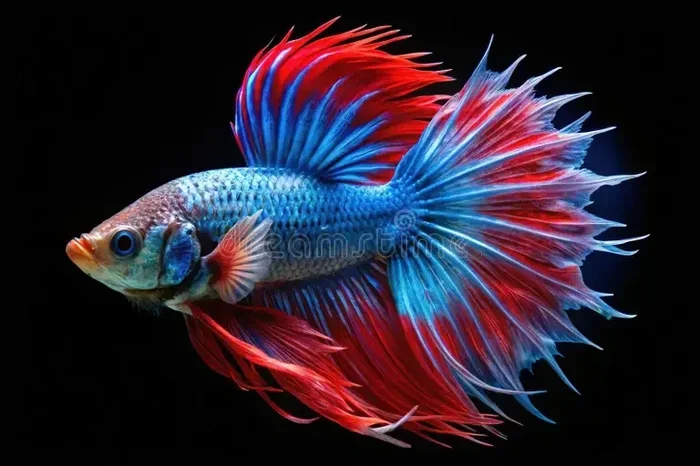
The betta fish temperament is one of the most interesting topics in the hobby. These fish are far more complex than their bright colors and flowing fins suggest. They have moods, preferences, and even routines that show a kind of intelligence many people overlook. Let us dive into what science and experience tell us about these fascinating creatures.
Understanding Betta Fish Social Behavior
To understand if a betta fish is a social animal, we need to look at their natural history. Bettas come from the warm, shallow waters of Southeast Asia. In the wild, they live in rice paddies, flood plains, and slow-moving streams. These environments shape their behavior in important ways.
Are Bettas Naturally Social or Solitary?
The truth is that bettas sit somewhere in the middle. They are not fully social like schooling fish such as tetras. But they are not completely antisocial either. The betta fish social behavior depends on several factors. These include the fish’s sex, personality, and living conditions.
Male bettas are the most well-known for their aggression. In the wild, they defend territories from other males. This is why they earned the name “fighting fish.” A male betta will often flare its gills and spread its fins to intimidate rivals. In a small tank, this can lead to constant stress.
Female bettas behave differently. They can form loose hierarchies in the wild. A group of female bettas, called a sorority, can sometimes live together peacefully. However, this is not guaranteed. Each female has its own personality. Some are bold and dominant, while others are shy and submissive.
How Bettas Interact With Their Environment
Bettas are curious creatures. They explore their surroundings, inspect plants, and watch movement outside the tank. This shows a level of engagement with their environment that goes beyond simple survival. Many owners notice that their betta betta fish interaction increases during feeding time or when someone walks by the tank.
They also respond to routine. If you feed them at the same time each day, they will often swim to the front of the tank in anticipation. This kind of betta fish behavior patterns shows that they are paying attention to what goes on around them. They are more aware than most people give them credit for.
The Betta Fish Temperament Explained
The betta fish temperament is a mix of curiosity, aggression, and calm. Understanding this mix helps you make better decisions about tank setup and tank mates. No two bettas are exactly alike. Just like dogs or cats, each fish has its own unique personality.
Male vs Female Betta Behavior
Male bettas are the more colorful and more aggressive sex. They build bubble nests and defend their territory fiercely. A male betta in a community tank can be a challenge. He may chase or nip at slower fish with long fins. This is not just meanness. It is instinct driven by the need to protect resources.
Female bettas are generally less flashy but can be more adaptable. A group of females may coexist if the tank is large enough and has plenty of hiding spots. However, introducing a new female to an existing group can trigger aggression. The betta fish social needs of females are different from males, and both require careful management.
Personality Traits of Individual Bettas
You will quickly notice that your betta has its own quirks. Some bettas are bold and swim right up to the glass. Others hide behind plants and only come out to eat. Some are lazy and prefer to rest on leaves. Others are active explorers who patrol every corner of the tank.
These personality differences matter when choosing tank mates. A bold betta may harass quieter fish. A shy betta may become stressed in a busy community tank. Observing your fish for a few days before adding any companions is always a smart move.
Can Bettas Live With Other Fish?
This is one of the most common questions among betta owners. The answer is yes, but with important caveats. Not every fish species is a good match for a betta. Success depends on the right combination of species, tank size, and setup.
Best Tank Mates for a Betta Fish
When choosing betta fish tank mates, look for fish that are peaceful and not too colorful or fin-nippy. Fish that occupy different levels of the tank also work well. Here are some commonly recommended options:
- Neon tetras: Small, fast, and stay in the upper and middle levels.
- Corydoras catfish: Bottom dwellers that mind their own business.
- Ghost shrimp: Inexpensive and unlikely to provoke aggression.
- Snails: They clean algae and rarely bother bettas.
- Kuhli loaches: Peaceful bottom feeders that stay out of the betta’s way.
Always research any potential tank mate before adding it to your setup. The betta fish compatibility with other species can vary based on the individual betta’s mood and personality.
Fish to Avoid With Bettas
Some fish are a bad match for bettas. Avoid these common mistakes:
- Other male bettas: Two males will almost always fight, sometimes to the death.
- Guppies with long fins: Their flowing tails can trigger the betta’s aggression.
- Angelfish: They can be territorial and may nip at betta fins.
- Barbs: Many species are nippy and can stress out a betta.
If you are unsure about compatibility, check out our guide on what is a good tank mate for a betta fish for more detailed recommendations.
Setting Up a Community Tank for Bettas
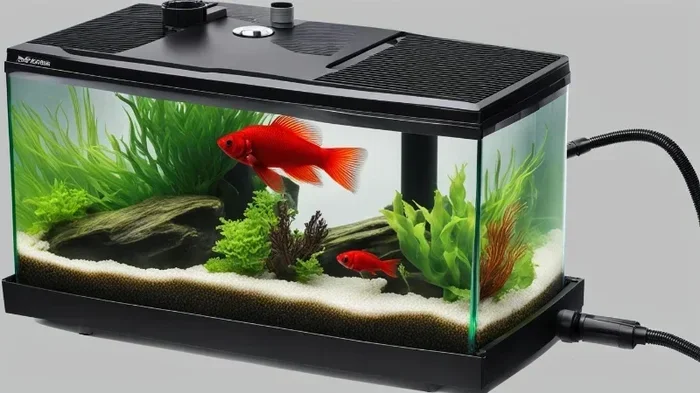
A community tank with a betta requires careful planning. The tank should be at least 20 gallons. This gives everyone enough space to claim their own territory. Add plenty of plants and decorations to break up sightlines. This reduces the chance of constant confrontation.
Make sure the water parameters suit all inhabitants. Bettas prefer warm water between 78 and 80 degrees Fahrenheit. Many community fish share this preference. Always cycle the tank before adding any fish. A stable environment reduces stress for everyone in the tank.
How to Support Your Betta’s Social Needs
Even if your betta lives alone, it still has social needs. A bored or stressed betta may develop health problems. Providing mental stimulation and a comfortable environment goes a long way toward keeping your fish happy.
Enrichment Ideas for Solo Bettas
You can enrich your betta’s life in several simple ways:
- Live plants: They provide hiding spots and natural exploration opportunities. You can also consider adding plants like ivy in a betta tank for added greenery.
- Mirror training: Briefly showing a mirror can stimulate natural behaviors like flaring. Do this for only a few minutes at a time.
- Feeding puzzles: Scatter food around the tank instead of dropping it in one spot. This encourages natural foraging behavior.
- Tank decorations: Caves, tunnels, and driftwood give your betta places to explore and claim as its own.
The Role of Tank Size in Betta Well-Being
A small tank can make any fish feel stressed. For a betta, a tank that is too small limits movement and increases territorial aggression. The best tank size for a betta fish is at least 5 gallons for a single fish. Larger is always better if you plan to add tank mates.
A bigger tank also makes it easier to maintain stable water conditions. Fluctuations in temperature and pH can stress your betta and weaken its immune system. Invest in a good filter and a heater to keep the environment consistent.
Common Mistakes People Make With Betta Socialization
Even well-meaning owners can make mistakes when trying to socialize their bettas. Avoid these common pitfalls to keep your fish healthy and stress-free.
Overcrowding the Tank
Adding too many fish to a small tank is a recipe for disaster. Overcrowding increases ammonia levels and raises aggression across the board. Your betta may become territorial and attack its tank mates. Always follow the one inch of fish per gallon rule as a starting point, and research each species before adding it.
Ignoring Warning Signs
Watch for signs of stress in your betta. These include clamped fins, loss of color, hiding constantly, and refusing food. If you see these signs, your tank setup or tank mates may need adjustment. Catching problems early can prevent serious health issues.
Forcing Social Interaction
Not every betta wants company. Some males do best in a tank by themselves. Forcing a solitary betta into a community setup can lead to constant fighting and exhaustion. Respect your fish’s personality. If it seems stressed with other fish around, give it space.
Expert Insights on Betta Social Behavior
Experienced fish keepers and aquatic biologists agree that bettas are more nuanced than their reputation suggests. While they are often sold as “loners,” this does not tell the whole story. In the right environment, a betta fish can show surprisingly social behavior toward both its own species and other fish.
Dr. Robert Tiger, a noted aquarist, has studied betta behavior in both wild and captive settings. He emphasizes that providing a rich environment with plants, caves, and open swimming space brings out the best in bettas. “A stimulated betta is a healthier and more active betta,” he notes. This aligns with what many hobbyists observe in their own tanks.
If you want to learn more about the natural habitat of these fish, check out our article on what is a betta fish natural habitat. Understanding where they come from helps you recreate conditions that support their natural social behavior.
For owners considering adding companions, our guide on can a betta fish live with an assorted molly offers practical advice on mixing species successfully.
Conclusion
So, is a betta fish a social animal? The answer is more complex than a simple yes or no. Bettas have social tendencies that vary by individual, sex, and environment. Male bettas tend to be more solitary and territorial, while females can sometimes thrive in groups. Both sexes benefit from a well-planned tank that meets their physical and social needs.
Whether you keep your betta alone or with tank mates, the key is observation and care. Watch your fish closely. Learn its personality. Adjust the setup as needed. A happy betta is a visible, active, and curious fish that brings joy to any home.
By understanding the betta fish social behavior and providing the right environment, you can build a strong bond with your fish. The effort you put into creating a comfortable habitat pays off in a healthier, more vibrant pet. Take what you have learned here and apply it to your own tank. Your betta will thank you for it.
Frequently Asked Questions
Are betta fish social with humans?
Yes, many bettas recognize their owners and respond to feeding routines. They may swim to the front of the tank when you approach or watch you through the glass. This shows a level of awareness and interaction that goes beyond basic survival instincts.
Can two male bettas live together?
No, two male bettas should never be housed together. They are highly territorial and will fight, often causing serious injury or death. Always keep male bettas in separate tanks to ensure their safety and well-being.
Can a betta fish live in an aquarium with other fish?
Yes, a betta can live in a community aquarium if the tank is large enough and the tank mates are peaceful. Choose species that occupy different levels of the tank and avoid fish with long, flowing fins that may trigger aggression.
Do female bettas get along better than males?
Female bettas can sometimes live together in small groups called sororities. However, this is not guaranteed. Each female has its own personality, and even females can show aggression if the tank is too small or lacks hiding spots.
How can I tell if my betta is stressed?
Signs of stress include clamped fins, loss of color, hiding constantly, refusing food, and rapid breathing. If you notice these behaviors, check your water parameters and tank setup. Stress often comes from poor water quality, wrong tank mates, or an overly small tank.
What is the best tank setup for a social betta?
A tank of at least 10 gallons with live plants, caves, and open swimming space works best. Keep the water warm between 78 and 80 degrees Fahrenheit. A gentle filter and regular water changes help maintain a healthy environment that supports natural behavior.