How to Make My Betta Fish Poop
Constipation is one of the most common health issues betta fish face. This guide shows you exactly how to make my betta fish poop using simple diet changes, warm water soaks, and safe home remedies. You will learn the signs of a constipated betta, what causes the problem, and how to prevent it for good.
Every betta fish owner has been there. You peek into the tank and notice something is off. Your fish looks bloated. It is not eating. And there is no sign of betta fish poop anywhere in the tank. It is a worrying sight. The good news? Most constipation issues in bettas are easy to fix at home. You do not need expensive treatments or a visit to the vet. In this guide, we will walk you through everything you need to know about how to make my betta fish poop safely and naturally. We will cover the causes, the best remedies, and simple steps to keep your fish comfortable and healthy.
Betta fish are hardy creatures. But their tiny digestive systems are sensitive. A wrong diet, poor water conditions, or even stress can throw things off balance. When your betta stops pooping, it can lead to serious health problems fast. Betta fish constipation is not just uncomfortable. It can become life-threatening if ignored. That is why every fish keeper should know how to spot the signs early and take action quickly. This article gives you all the tools and knowledge you need. Let us dive in.
Key Takeaways
- Peas are the #1 natural remedy: A single cooked pea can relieve constipation in most bettas within hours.
- Feeding mistakes cause most problems: Overfeeding and low-fiber diets lead to blockages and irregular bowel movements.
- Water temperature matters: Warm water (78-80°F) supports healthy digestion and helps your betta pass waste naturally.
- Fasting is a simple fix: Skipping one day of food gives the digestive system time to clear out trapped waste.
- Watch for warning signs: Bloating, clamped fins, and loss of appetite often signal constipation or swim bladder issues.
- Prevention is easier than treatment: A balanced diet and clean tank keep your betta’s digestive system running smoothly.
📑 Table of Contents
Why Is My Betta Fish Not Pooping?
Understanding the cause is the first step to fixing the problem. Bettas can stop passing waste for many reasons. Some are simple. Others need a closer look at your tank setup. Let us break down the most common culprits.
Overfeeding Is the Top Cause
Betta fish have tiny stomachs. They are about the size of their eye. Many new fish owners do not realize this. They feed too much. Too often. The stomach fills up, but the gut cannot process all that food. The result? A backed-up digestive system. Overfeeding leads to undigested food sitting in the intestines. This causes bloating and stops bowel movements completely.
Most bettas only need two small meals a day. A few pellets per feeding is enough. If your fish is leaving food behind, you are giving too much. Cut back and watch the difference.
Poor Diet and Lack of Fiber
Betta fish are carnivores. They need protein-rich food. But they also need some fiber to keep things moving through their system. Many commercial betta foods are heavy on fillers like wheat and corn. These ingredients have zero nutritional value for bettas. They sit in the gut and cause blockages. A betta fish diet that lacks variety and fiber is a recipe for constipation.
Frozen or live foods like brine shrimp and bloodworms are excellent. But they should be paired with fiber sources. More on that below.
Low Water Temperature
Betta fish are tropical creatures. They need warm water to thrive. When the tank temperature drops, their metabolism slows down. A slow metabolism means slow digestion. Food sits in the gut longer. Waste builds up. Betta fish digestion works best at 78 to 80 degrees Fahrenheit. If your tank is cooler than that, your fish may struggle to poop regularly.
Stress and Tank Conditions
Stress affects every living creature. Bettas are no different. Poor water quality, loud noises, aggressive tankmates, and bright lights can all stress your fish. A stressed betta eats less and moves less. Both of these things slow down the digestive process. Keeping a clean betta fish tank with stable parameters is essential for healthy digestion.
Signs Your Betta Fish Is Constipated
How do you know your betta is not pooping? There are clear signs. Watch for these warning signals every day.
- Swollen or bloated belly: The belly looks puffy and tight. This is often the first visible sign.
- No waste in the tank: If you have not seen any poop for 24 hours or more, pay attention.
- Loss of appetite: Your betta ignores food or spits it out.
- Clamped fins: The fins stay close to the body instead of flowing naturally.
- Lethargy: Your fish stays at the bottom or top of the tank and barely moves.
- Erratic swimming: The fish swims sideways or struggles to stay upright. This can also signal swim bladder disease, which is closely related to constipation.
If you notice any of these signs, do not panic. Most cases of constipation resolve quickly with the right treatment. But if the bloating gets worse or your fish stops eating entirely, check the water parameters. Poor water quality can make things worse fast. Learn more about how to tell if your betta fish is sick so you can catch problems early.
How to Make My Betta Fish Poop: 5 Proven Methods
Now for the part you have been waiting for. Here are five safe and effective ways to get things moving again. Try them in order. Start with the simplest fix and work your way down if needed.
Method 1: The Pea Trick
This is the gold standard for relieving betta fish constipation. A single cooked pea works like a natural laxative. Here is how to do it right.
- Take one frozen or fresh green pea. Do not use canned peas. They contain too much sodium.
- Thaw the pea if frozen. Then gently squeeze it until the outer skin splits open.
- Remove the outer skin completely. Bettas cannot digest the tough fiber shell.
- Drop the soft inner portion into the tank.
- Wait and watch. Most bettas will eat the pea within a few hours.
You should see results within 12 to 24 hours. The fiber in the pea helps push waste through the digestive tract. This method works wonders for most bettas. It is safe, natural, and something you can do right now with items from your kitchen.
Method 2: Fasting Day
Sometimes the gut just needs a break. Skipping one day of food gives the digestive system time to clear out any trapped waste. This is called a fasting day. It is one of the simplest ways to answer the question of how to make my betta fish poop.
Just skip one meal. Do not skip more than one day. Bettas can handle a short fast easily. After the fasting day, offer a small portion of high-quality food. You will often see waste pass within hours of the first meal after the fast.
Method 3: Adjust the Water Temperature
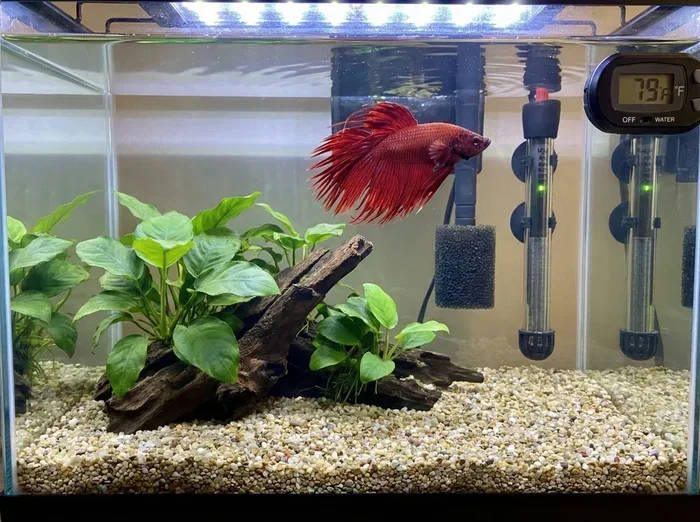
Warm water speeds up metabolism. A faster metabolism means better digestion. Check your tank heater. Make sure the water is between 78 and 80 degrees Fahrenheit. If it is too cool, your betta’s gut slows down significantly.
If you do not have a heater, consider getting one. Stable warmth is essential for betta health. A backup plan for keeping your betta warm can also help in a pinch.
Method 4: Epsom Salt Bath
Epsom salt is a mild muscle relaxant. It can help relieve constipation in fish. This method works well for moderate bloating.
Here is the process:
- Take one cup of tank water and place it in a clean container.
- Add one teaspoon of Epsom salt. Stir until fully dissolved.
- Place your betta in the container gently.
- Let the fish soak for 15 to 30 minutes.
- Return the fish to the main tank afterward.
The Epsom salt draws out excess fluid and relaxes the intestinal muscles. This helps your betta pass waste more easily. Do not use Epsom salt in the main tank. It affects water parameters and can harm plants and other inhabitants. Use it only in a separate container.
Method 5: Improve the Diet Long-Term
Prevention is always better than treatment. A high-quality diet keeps the digestive system running smoothly. Here is what a good betta fish feeding plan looks like:
- High-protein pellets: These should be the staple. Look for brands with fish meal as the first ingredient.
- Frozen or live foods: Brine shrimp, bloodworms, and daphnia make excellent treats 2 to 3 times a week.
- Fiber supplements: Occasional peas or spirulina flakes add the fiber your betta needs.
- Feeding schedule: Two small meals per day. Morning and evening. Consistent timing helps regulate digestion.
A proper diet does so much more than prevent constipation. It keeps your betta’s colors bright, energy levels high, and immune system strong. For more tips on feeding the right way, check out how to feed your betta fish properly.
How to Make Water That Supports Healthy Digestion
Water quality plays a huge role in your betta’s digestive health. Dirty water contains ammonia and nitrites that stress the fish and disrupt normal body functions. A stressed betta eats less and digests less. The cycle continues.
Start with clean, conditioned water. Always use a water conditioner to remove chlorine and chloramine from tap water. These chemicals irritate the gills and gut. Learn how to prepare the right water for your betta fish to keep the tank environment healthy and supportive of good digestion.
Regular water changes are non-negotiable. Change 25 to 30 percent of the water every week. This keeps ammonia levels low and oxygen levels high. Clean water means a healthy gut. It is that simple.
Common Mistakes People Make When Treating Constipated Bettas
Even well-meaning fish owners make mistakes. Here are the ones to avoid.
- Feeding too many peas: One pea is enough. Too much fiber causes the opposite problem and can lead to diarrhea and dehydration.
- Using human laxatives: Never give your betta any human medication. The dosage is wrong and the ingredients can be toxic.
- Ignoring the tank temperature: A cold tank will undo any progress you make with diet changes. Keep the water warm and stable.
- Overfeeding after a fast: After a fasting day, resist the urge to give a big meal. Start with a small portion and see how your fish responds.
- Waiting too long to act: Constipation can turn into a serious blockage within days. The sooner you treat it, the better the outcome.
Avoiding these mistakes saves you time and keeps your betta safe. If your fish does not improve after trying these methods, it may be time to look deeper. Swim bladder disease and other internal issues can mimic constipation symptoms. Learn more about treating swim bladder disease in bettas for additional guidance.
Preventing Constipation in the Future
Once your betta is back to normal, you want to keep it that way. Prevention is simple when you build the right habits.
Stick to a Feeding Schedule
Feed your betta at the same times every day. Two small meals is the sweet spot. Remove any uneaten food after five minutes. Leftover food rots in the water and throws off the tank chemistry.
Keep the Tank Clean
A clean tank supports a healthy immune system and a well-functioning digestive tract. Test the water weekly. Watch ammonia and nitrite levels. Keep the filter running properly. A regular cleaning routine goes a long way toward preventing health issues.
Offer Variety
Just like humans, bettas benefit from a varied diet. Rotate between pellets, frozen foods, and occasional fiber sources. This keeps the gut healthy and the digestive system working efficiently.
Monitor Your Fish Daily
Spend a few minutes each day watching your betta. Look at its appetite, its swimming behavior, and the tank bottom for waste. Catching problems early makes treatment much easier. If you ever notice something off, act fast. Early intervention is always the best approach.
When to See a Vet
Most constipation cases resolve with home treatment within 24 to 48 hours. But some situations need professional help. If your betta shows no improvement after trying all five methods, consult a vet. Look out for these red flags:
- The belly is hard and extended for more than two days.
- The fish is not eating at all for more than three days.
- You notice white stringy waste or no waste at all.
- The fish is gasping at the surface or showing signs of severe distress.
These symptoms could indicate a more serious condition. A qualified fish vet can diagnose and treat the issue properly. If you are wondering whether a trip to Petco or another pet store is worth it, learn more about taking your betta fish to the vet and what to expect.
Conclusion
How to make my betta fish poop does not have to be complicated. A simple pea, a fasting day, or a warm water adjustment can do the trick. The key is to act fast and stay consistent with good care habits. Keep your betta’s diet balanced, the water clean, and the temperature stable. These three things alone will prevent most constipation issues. Your betta deserves a happy, healthy life. And now you have the knowledge to give it to him. Start today. Your fish will thank you with bright colors, active swimming, and regular waste. That is the best sign of all that everything is working just right.
Frequently Asked Questions
Can I use canned peas for my constipated betta fish?
Canned peas contain added salt and preservatives that can harm your betta. Always use fresh or frozen peas. Cook them until soft and remove the skin before feeding. This is the safest and most effective way to use peas as a natural remedy.
How often should I give my betta a fasting day?
One fasting day per week is generally safe and helpful for digestion. It gives the gut time to clear out any undigested food. Do not fast your betta for more than one day at a time, as bettas need regular nutrition to stay healthy and active.
Why is my betta fish poop white or stringy?
White or stringy waste can indicate a digestive issue or poor diet. It may also signal an internal parasite. If the unusual poop persists for more than a day, consider improving the diet and checking water quality. If the problem continues, a vet visit is recommended.
Is Epsom salt safe for betta fish?
Yes, Epsom salt is safe when used correctly in a separate container. Never add Epsom salt directly to the main tank. The salt changes water chemistry and can harm other tank inhabitants. Use it only for short soak sessions of 15 to 30 minutes.
Can constipation kill a betta fish?
Severe untreated constipation can become life-threatening. A blocked digestive system causes toxin buildup and organ stress. This is why early intervention is so important. Most cases resolve quickly with simple home treatments if you act fast.
How can I tell the difference between constipation and swim bladder disease?
Constipation causes bloating and difficulty passing waste. Swim bladder disease causes swimming problems like floating sideways or struggling to stay upright. Both conditions share similar causes like overfeeding. If you are unsure, try fasting and a pea first, then look into swim bladder treatment if symptoms persist.