Is Betta Fish Bad for Cats
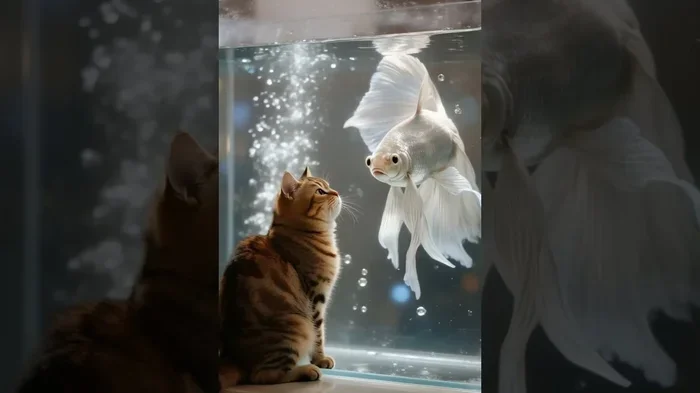
Betta fish are not inherently bad for cats, but they can pose real risks if your cat interacts with the tank or the fish. Understanding these dangers and taking simple precautions helps both your betta and your cat stay safe and healthy. This guide covers the risks, safety tips, and practical steps every pet owner should know.
If you own both a betta fish and a cat, you might wonder whether these two pets can live together safely. The short answer is no, betta fish are not bad for cats. But that does not mean there are no risks. Your curious feline might see that colorful fish swimming around as an invitation to play. And your betta might feel stressed or even harmed by a cat’s presence near the tank.
Understanding how these two animals interact is the first step toward keeping both of them happy and healthy. In this article, we will break down everything you need to know about betta fish and cats. From tank safety to chemical risks, we have got you covered. Let us dive right in.
Key Takeaways
- Betta fish are generally safe around cats if you take the right precautions and set up your tank properly.
- Cats can harm betta fish by knocking over tanks, stressing the fish, or trying to catch them.
- Fish tank water and chemicals can be toxic to cats if ingested, so proper tank placement matters.
- A secure tank lid and strategic placement are the best ways to prevent accidents between cats and bettas.
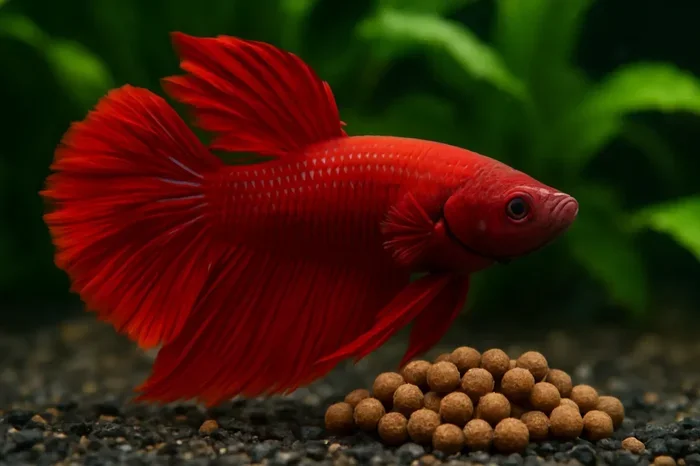
- Betta fish food can upset a cat’s stomach if your cat eats it, so keep fish food out of paw’s reach.
- Both pets can coexist peacefully with a little planning and awareness of their behaviors.
📑 Table of Contents
- Why Cats and Betta Fish Can Be a Risky Mix
- Is Betta Fish Water or Food Dangerous to Cats?
- How to Cat-Proof Your Betta Fish Tank
- Can Cats and Betta Fish Live Together Peacefully?
- Signs Your Cat Is Interacting Too Much with the Tank
- What to Do If Your Cat Drinks Tank Water
- Expert Insights on Keeping Both Pets Safe
- Final Thoughts
Why Cats and Betta Fish Can Be a Risky Mix
Cats are natural hunters. Even a well-fed house cat has instincts that kick in when they see small, moving creatures. A betta fish with its flowing fins and bright colors can look like a toy to your cat. This natural curiosity can lead to problems for both pets.
The good news is that a betta fish will not harm your cat in any way. Betta fish are not toxic or dangerous to felines. The real risk goes the other way around. Your cat can cause stress to the betta, or worse, physical harm. Knowing this helps you take the right steps to protect both animals.
Natural Hunting Instincts
Cats have been hunters for thousands of years. That instinct does not go away just because you feed them kibble at home. When a cat sees something small and fast moving, their prey drive activates. A betta fish darting around its tank can trigger this instinct deeply.
Even if your cat has never caught a fish before, the desire to bat at the water or poke at the glass can be strong. This behavior stresses the betta fish out. Over time, constant stress can weaken the fish’s immune system and make it sick.
Stress on the Betta Fish
Betta fish are sensitive creatures. They thrive in calm, stable environments. A cat pacing near the tank, tapping on the glass, or pawing at the water creates a stressful atmosphere. A stressed betta may stop eating, lose its color, or become more prone to diseases.
Stress in betta fish can also lead to behavioral changes. Your fish might hide more, become aggressive, or develop fin rot. All of these issues can be avoided with the right tank setup and placement.
Is Betta Fish Water or Food Dangerous to Cats?
One of the biggest concerns for cat owners with aquariums is whether the tank water or fish food can make a cat sick. The answer is yes, in some cases. Let us look at the specific risks.
Fish Tank Water and Chemicals
Betta fish tanks use water conditioners, filters, and sometimes medications. These chemicals are safe for fish but not for cats. If your cat drinks from the tank, it could ingest harmful substances. Water conditioner ingredients like sodium sulfite or formaldehyde can cause stomach upset in cats.
In small amounts, drinking tank water might only cause a mild upset stomach. But in larger amounts, it can be more dangerous. Symptoms to watch for include vomiting, drooling, and lethargy. If your cat drinks from the tank and shows any of these signs, contact your vet right away.
Betta Fish Food and Cat Digestion
Betta fish food is designed for fish, not cats. It does not meet a cat’s nutritional needs. More importantly, if your cat eats a lot of fish pellets or flakes, it can cause digestive issues. The food might swell in the cat’s stomach and cause discomfort.
Keep fish food stored in a sealed container away from your cat’s reach. This simple step prevents accidental snacking. You can learn more about the best food options for your betta in our guide on what is the best food for betta fish.
How to Cat-Proof Your Betta Fish Tank
The best way to keep both your cat and your betta safe is to cat-proof the tank area. This means thinking like your cat and removing any temptation or danger. Here are the most effective steps you can take.
Use a Secure Tank Lid
A tight-fitting lid is the single most important thing you can do. Cats are clever and agile. They can jump surprisingly high and push open loose covers. A secure lid prevents your cat from reaching the water and the fish inside.
Look for lids that latch or lock in place. Mesh lids work well because they allow airflow while keeping the cat out. Make sure there are no gaps large enough for your cat to squeeze through.
Choose the Right Tank Size
Tank size matters for cat safety too. A small, lightweight tank is easier for a cat to knock over. A larger, heavier tank is more stable and harder to tip. When setting up your aquarium, consider both your betta’s needs and your cat’s access to the area.
You can find helpful guidance on choosing the right tank in our article on what is the best tank size for a betta fish. A bigger tank also gives your betta more room to swim away from the glass if your cat does try to interact with it.
Place the Tank in a Safe Location
Where you put your aquarium makes a big difference. Avoid placing the tank in areas your cat frequents. High shelves or rooms the cat does not access are ideal. If that is not possible, use a sturdy stand and place the tank against a wall so the cat cannot approach from behind.
Keep the tank away from furniture your cat can jump from. A cat that launches off a couch onto a tank stand might cause a dangerous accident. Think about your cat’s jumping paths and block them if needed.
Add a Barrier or Cover
If a full lid is not an option, consider adding a secondary barrier. A glass or acrylic panel in front of the tank can stop your cat from getting too close. Some aquarium owners use decorative grilles or baby gates to block off the tank area entirely.
These extra layers of protection work well in homes where cats are especially curious or persistent. The goal is to make the tank inaccessible without being an eyesore in your home.
Can Cats and Betta Fish Live Together Peacefully?
The dream of a harmonious home with both a cat and a betta fish is possible. It just takes some effort and smart planning. Many pet owners successfully keep both animals in the same home without any issues.
Key to this success is managing the environment. When your cat cannot access the tank and the betta feels secure, both pets can thrive. You can also use positive reinforcement to train your cat to stay away from the aquarium area.
Some owners find that their cats lose interest in the fish over time. Once the novelty wears off and the cat realizes it cannot reach the fish, the behavior stops naturally. Patience and consistency are your best tools here.
Tips for a Peaceful Setup
- Keep the tank lid closed at all times. This is non-negotiable for cat and fish safety.
- Use a tank cover with a lock. This prevents curious cats from popping the lid open.
- Place the tank out of paw’s reach. High shelves or dedicated pet-free rooms work best.
- Provide your cat with its own toys and activities. A busy cat is less likely to bother the fish tank.
- Observe your cat’s behavior around the tank. If you notice stalking or tapping, redirect the cat immediately.
Signs Your Cat Is Interacting Too Much with the Tank
Not all cats will show obvious interest in the fish tank. But some cats become fixated on the aquarium. Knowing the warning signs helps you intervene before any harm happens.
Watch for your cat staring at the tank for long periods. If your cat paws at the glass or taps on it repeatedly, that is a red flag. Drooling near the tank or trying to reach into the water are also clear signs of too much interest.
If you notice any of these behaviors, it is time to take action. Increase the security of the tank lid, add a barrier, or move the tank to a new location. Early intervention prevents accidents and keeps your betta fish calm and healthy.
What to Do If Your Cat Drinks Tank Water
Accidents happen. Even with the best precautions, your cat might find a way to drink from the tank. If this occurs, do not panic. In most cases, a small sip of tank water will only cause mild stomach upset.
Watch your cat closely for the next few hours. Look for signs of vomiting, diarrhea, or unusual lethargy. If symptoms persist or worsen, contact your veterinarian. They can provide guidance based on the specific chemicals used in your tank setup.
To minimize risks going forward, make sure your tank water is changed regularly and that you use cat-safe products. Avoid placing medications or treatments in the tank if your cat has any access to it. You can also check out our article on is well water okay for betta fish to learn more about safe water choices for your aquarium.
Expert Insights on Keeping Both Pets Safe
Veterinarians and pet behaviorists agree that the biggest risk is not the betta fish itself but the environment around the tank. A poorly secured aquarium in a cat-accessible area is the number one danger. With proper setup and supervision, the risks drop significantly.
Experts also recommend providing your cat with plenty of enrichment. Interactive toys, climbing trees, and window perches can satisfy your cat’s hunting instincts in safe ways. A stimulated cat is far less likely to fixate on the fish tank as entertainment.
Some owners also find success in using calming diffusers near the tank area. These release pheromones that help reduce a cat’s stress and curiosity. While not a replacement for a secure tank lid, they can be a helpful addition to your safety plan.
Final Thoughts
So, is betta fish bad for cats? Not at all. Betta fish pose no direct threat to your feline companion. The real concerns are about what your cat might do to the fish and the tank environment. With a secure lid, smart placement, and a little vigilance, both pets can coexist happily under the same roof.
Taking a few simple precautions goes a long way. Your betta fish will thrive in a calm, stress-free environment, and your cat will stay safe from harmful chemicals and accidents. A little effort now saves you from bigger problems later.
If you are thinking about adding a betta fish to a home with a cat, go for it. Just be prepared, stay proactive, and enjoy having two wonderful pets in your life. For more tips on creating the best home for your betta, check out our article on what is the best tank for betta fish and our guide on is betta fish lucky for home.
Frequently Asked Questions
Can a betta fish hurt my cat?
No, betta fish cannot hurt cats. They are small, peaceful fish with no ability to cause harm to a feline. The real risk is the other way around, where a cat can stress or harm the betta fish by interacting with the tank.
Is betta fish water toxic to cats?
Betta fish tank water can contain chemicals like water conditioners that are not safe for cats. In small amounts, drinking a little tank water might only cause mild stomach upset. But larger amounts or repeated drinking could be more harmful, so always keep the tank securely covered.
How do I stop my cat from bothering my betta fish?
Use a secure, latchable tank lid and place the aquarium in an area your cat cannot easily access. Adding a secondary barrier or keeping the tank on a high shelf also helps. Providing your cat with plenty of its own toys and activities reduces interest in the tank too.
What happens if my cat eats betta fish food?
Betta fish food is not toxic to cats, but it is not designed for feline digestion. Eating a small amount might cause mild stomach discomfort or loose stools. Keep fish food stored in sealed containers and feed your fish in a location your cat cannot reach.
Are betta fish safe to have in a home with cats?
Yes, betta fish are safe in homes with cats as long as you take proper precautions. A secure tank lid, strategic placement, and regular monitoring of your cat’s behavior around the tank will keep both pets safe and healthy.
Can my cat and betta fish become friends over time?
While some cats lose interest in the fish tank over time, it is not safe to assume they will become friends. Always keep the tank secured and supervised. The goal is peaceful coexistence, not direct interaction between the two animals.