How Many Colors of Betta Fish Are There
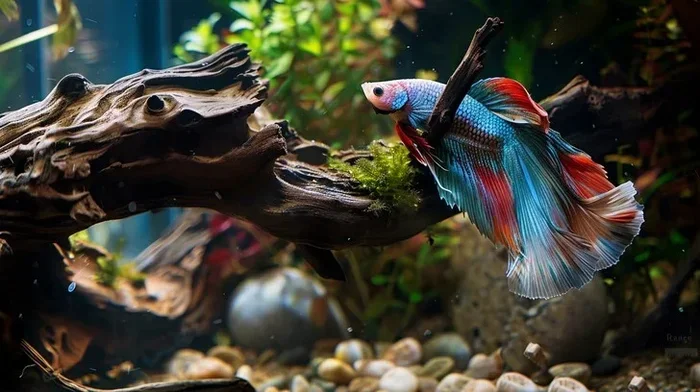
Betta fish come in a stunning range of colors, with experts recognizing over 25 distinct color categories and countless combinations. From deep reds and electric blues to rare marble and koi patterns, the world of betta fish colors is vast and fascinating. Understanding these colors helps you choose the perfect fish and keep them looking their best.
Key Takeaways
- Over 25 recognized color categories: Betta fish colors range from solid shades like red, blue, and white to complex patterns like marble and koi.
- Genetics play a big role: A betta’s color comes from its DNA, and breeders use selective breeding to create new shades and patterns.
- Colors can change over time: Factors like age, diet, stress, and water quality can affect how vibrant your betta looks.
- Rarer colors exist: Shades like purple, orange, and true black are harder to find and often more expensive.
- You can enhance colors naturally: Proper care, nutrition, and tank conditions help bring out the best in your betta’s palette.
- Patterns add variety: Butterfly, cambodian, and bi-color patterns create unique looks within the same color family.
📑 Table of Contents
Understanding Betta Fish Colors
Betta fish are some of the most colorful freshwater fish you can keep at home. Their bright shades and flowing fins make them stand out in any tank. But have you ever wondered exactly how many colors of betta fish there are? The answer might surprise you.
When people ask about betta fish colors, they are usually talking about the visible pigments in the fish’s skin and scales. These pigments come from special cells called chromatophores. Different combinations of these cells create the wide palette you see in pet stores and breeders’ tanks.
There is no single agreed-upon number because new colors and patterns keep appearing through selective breeding. However, experts in the betta fish community recognize more than 25 main color categories. Each category can have many shades and variations, which means the total number of possible colors is almost endless.
Betta fish colors fall into two broad groups: solid colors and patterned colors. Solid colors mean the fish shows one consistent shade all over its body. Patterned colors include spots, swirls, and mixed shades that create unique designs. Both groups have their own charm and appeal.
If you want to learn more about keeping your betta looking its best, check out our guide on how to properly take care of betta fish. Good care is the foundation for vibrant colors.
Why Do Betta Fish Have So Many Colors?
The short answer is genetics. Betta fish have been selectively bred for centuries, especially in Southeast Asia. Breeders chose fish with the most striking colors and bred them together. Over many generations, this created the incredible variety we see today.
Another reason is mutations. Just like in other animals, random genetic changes can produce new colors. Some of these mutations are helpful and get passed on to future generations. Others fade away. The ones that stick around become new color varieties.
Environmental factors also play a role. Water quality, diet, and lighting can all affect how a betta’s colors appear. A well-cared-for fish will always look more colorful than one that is stressed or poorly fed.
The Main Solid Color Categories
Solid color bettas are the most popular and easiest to identify. Each fish displays one dominant shade across its body and fins. Here are the main solid color categories you will encounter.
Red Betta Fish
Red is the most common and classic betta fish color. It comes in many shades, from bright cherry red to deep dark red. Some reds have a slight orange or pink tint. Red bettas are often the first color people think of when they imagine a betta fish.
Within the red family, you will find names like super red, deep red, and fire red. Each shade describes a slightly different tone or intensity. Red bettas are widely available and tend to be affordable.
Blue Betta Fish
Blue bettas come in several forms. Steel blue has a grayish-silver base with blue highlights. Royal blue is a bright, vivid shade that really pops. Turquoise blue falls somewhere in between, with a greenish-blue tone.
True blue is one of the most sought-after shades. It has a deep, rich hue that looks almost electric under the right lighting. Blue bettas are beautiful and make any aquarium feel calm and serene.
Green Betta Fish
Green bettas range from pale mint to deep emerald. Some greens have a metallic sheen that catches the light beautifully. Pure green is less common than red or blue, which makes it a bit more special.
Green bettas often look different depending on the light in the room. Under warm light, they might look more yellow-green. Under cool light, they lean more toward blue-green. This shifting quality is part of what makes them so interesting.
White and Albino Betta Fish
White bettas have a clean, pure white body. Some have a slight pink or blue tint, while others are completely white. Albino bettas are a related variety that lacks all pigment, giving them a very pale appearance with red or pink eyes.
White bettas can be tricky to keep looking their best. They tend to show dirt and debris more easily than darker-colored fish. Regular water changes help keep them looking fresh.
Black and Dark Betta Fish
Black bettas are rare and highly prized. A true black betta has a deep, dark color that looks almost like ink. Some black bettas show a slight blue or green sheen when the light hits them just right.
Melano bettas are a specific type of black betta. They carry a gene that produces very dark pigmentation. However, this gene can also cause fertility issues in female fish, which makes melano females harder to breed.
Pattern and Multi-Color Varieties
Beyond solid colors, betta fish also come in many patterns and multi-color combinations. These varieties add even more diversity to the betta world. Let us explore some of the most popular pattern types.
Butterfly Pattern
Butterfly bettas have a base color that fades into a lighter or white edge on the fins. The transition looks like butterfly wings, hence the name. This pattern can appear in almost any base color.
Butterfly patterns are very common and widely available. They are a great choice for beginners who want a colorful fish without spending too much. The faded fin edges give them a soft, elegant look.
Marble Pattern
Marble bettas have a swirling mix of colors that looks like marble stone. The pattern can change over the fish’s lifetime, with new colors and spots appearing as the fish grows. This makes each marble betta truly unique.
Marble is one of the most unpredictable patterns. You never know exactly what colors a marble betta will end up with. This surprise factor is part of what makes them so exciting for hobbyists.
Koi Pattern
Koi bettas are inspired by the popular koi carp fish. They have a white or light base with red and orange spots or patches. The pattern should look random and natural, like a real koi fish.
Koi bettas are relatively rare compared to solid colors. High-quality koi patterns with well-defined spots and good color contrast can be quite expensive. They are a favorite among experienced betta keepers.
Bi-Color and Multi-Color
Bi-color bettas have two distinct colors: one on the body and another on the fins. Multi-color bettas have three or more colors in distinct sections. These fish can be very striking and are often the center of attention in a tank.
The specific names for bi-color and multi-color bettas depend on which colors are involved. For example, a red and blue betta might be called a “red and blue bi-color.” The combinations are nearly endless.
How Betta Fish Get Their Colors
Understanding how betta fish develop their colors helps you appreciate the complexity of their appearance. The process involves genetics, cell structure, and even the food the fish eats.
The Role of Chromatophores
Chromatophores are special cells found in a betta fish’s skin. Each type of chromatophore produces a different pigment. Red chromatophores create red and orange shades. Black chromatophores produce dark browns and blacks. Yellow chromatophores create yellow and gold tones.
The arrangement and density of these cells determine the final color you see. A fish with many red chromatophores will look bright red. A fish with a mix of red and black chromatophores might appear purple or dark red.
Structural Color
In addition to pigments, betta fish also get color from the way light reflects off their scales. This is called structural color. It creates iridescent and metallic effects that make some bettas shimmer and glow.
Structural color is why some blue bettas look almost purple in certain lights. It is also why copper bettas have a shiny, metallic appearance. This type of color is not a pigment at all but rather a physical property of the scales.
Genetics and Selective Breeding
Selective breeding is the main way new betta colors are created. Breeders choose fish with desirable traits and mate them together. Over many generations, this produces fish with specific colors and patterns.
Some color genes are dominant, meaning they show up easily. Other genes are recessive and need both parents to carry them. Understanding these genetics helps breeders create new and exciting color varieties.
If you are interested in breeding bettas for color, you can learn more in our article on how to breed betta fish colors. It covers the basics of color genetics and breeding strategies.
The Rarest Betta Fish Colors
While red, blue, and green bettas are common, some colors are much harder to find. These rare colors often command higher prices and are highly sought after by collectors and enthusiasts.
Purple Betta Fish
True purple bettas are extremely rare. Most fish marketed as purple are actually a mix of blue and red that looks purple under certain lights. A genuine purple betta has a consistent purple hue all over its body.
Purple bettas are one of the most expensive color varieties you can find. Their rarity makes them a prized addition to any collection. If you ever spot one for sale, it is worth considering seriously.
Orange and Yellow Betta Fish
Bright orange and deep yellow bettas are less common than reds and blues. They are beautiful but can be harder to find in pet stores. Specialty breeders are more likely to carry these colors.
Orange bettas sometimes have a slightly peachy tone, while yellows can range from pale butter to rich gold. Both colors look stunning in planted tanks with soft lighting.
True Black Betta Fish
A true solid black betta is one of the rarest colors. Most black bettas have some blue or green undertones. A fish that is completely black with no other color showing is considered very special.
Black bettas are often more expensive because they are harder to breed. The genes responsible for deep black coloration are not always easy to pass on to offspring.
Pastel and Lavender Betta Fish
Pastel bettas have soft, muted colors that look gentle and elegant. Lavender bettas are a specific pastel variety with a light purple or lilac tone. These fish are beautiful but not as widely available as brighter colors.
Pastel colors are often the result of specific genetic combinations that dilute the intensity of pigments. They are popular among hobbyists who prefer a softer, more subtle look.
Tips for Keeping Your Betta Fish Colors Vibrant
A betta fish’s colors can change depending on how well it is cared for. If you want your fish to look its best, follow these simple tips.
Feed a High-Quality Diet
Color-enhancing foods contain ingredients that boost pigment production. Look for foods with natural color enhancers like astaxanthin and spirulina. Feed your betta a varied diet of high-quality pellets, frozen foods, and occasional treats.
For more details on feeding amounts, check out our article on how many pellets to feed betta fish daily. Overfeeding can actually dull colors, so stick to the right portions.
Optimize Tank Conditions
Clean water and stable temperatures help bettas stay healthy and colorful. Keep the water temperature between 78 and 80 degrees Fahrenheit. Perform regular water changes to remove toxins that can stress your fish.
Stress is one of the biggest enemies of vibrant color. A stressed betta may fade or lose its brightness. Provide hiding spots and keep the tank peaceful to help your fish feel safe.
Use the Right Lighting
Lighting can make a big difference in how your betta’s colors appear. LED lights with adjustable settings let you control the color temperature. Warm lighting can bring out reds and oranges, while cool lighting enhances blues and greens.
Avoid direct sunlight, which can cause algae blooms and temperature swings. A good aquarium light on a timer will keep your betta looking its best without any extra hassle.
Consider Color-Enhancing Supplements
Some aquarium supplements are designed to enhance fish colors naturally. These products contain vitamins and carotenoids that support pigment production. Always follow the instructions and use them in moderation.
Remember that no supplement can replace good care. A healthy fish with clean water and proper nutrition will always look better than one that is stressed or sick. For more on color enhancement, read our guide on how to increase betta fish colors.
Be Patient
Betta fish colors can take time to fully develop. Young fish may not show their true colors until they are a few months old. Even adult fish can change color slightly as they age or adapt to their environment.
Give your betta time to settle into its new home. Once it feels comfortable, its colors will likely become more vivid and stable. Patience is one of the best tools you have as a fish keeper.
For a deeper look at how colors work and how to bring them out, also check out our article on how to enhance the color of betta fish. It provides more detailed strategies for maximizing your fish’s natural beauty.
Conclusion
So how many colors of betta fish are there? The honest answer is that it depends on how you count them. With over 25 recognized color categories and countless patterns and combinations, the variety is almost limitless. From common reds and blues to rare purples and true blacks, betta fish offer one of the most diverse color palettes in the freshwater fish world.
Whether you are a beginner looking for your first betta or an experienced hobbyist searching for that rare color, there is a betta fish out there for you. The key is to understand the different categories, choose a color and pattern you love, and provide the best care possible. With proper nutrition, clean water, and the right environment, your betta will reward you with a lifetime of stunning color.
The world of betta fish colors is always evolving. New shades and patterns continue to emerge through careful breeding and genetic discoveries. This means there is always something new to learn and appreciate about these remarkable fish. Enjoy the journey of exploring betta fish colors, and let your fish bring joy and beauty to your home.
Frequently Asked Questions
How many colors of betta fish are there in total?
There are over 25 recognized color categories, but when you include all the shades, patterns, and combinations, the number is almost unlimited. New colors continue to appear through selective breeding and genetic mutations.
What is the most common betta fish color?
Red is the most common and widely available betta fish color. It comes in many shades, from bright cherry red to deep dark red, and is found in most pet stores and online retailers.
Can a betta fish’s color change over time?
Yes, betta fish colors can change as they age, due to stress, diet, water quality, or genetics. Marble bettas are especially known for changing their pattern throughout their lives.
Are rare betta fish colors worth the extra cost?
It depends on your personal preference and budget. Rare colors like purple, true black, and lavender are beautiful and unique, but they can be expensive. Common colors like red and blue are just as vibrant and easier to find.
What is the best food to enhance betta fish colors?
Foods rich in natural color enhancers like astaxanthin and spirulina are the best for boosting betta colors. High-quality pellets, frozen brine shrimp, and daphnia all contribute to vibrant, healthy coloration.
Do betta fish lose their color as they get older?
Some bettas may fade slightly with age, but proper care can keep their colors vibrant for years. A healthy diet, clean water, and good tank conditions help maintain strong color throughout a betta’s lifespan.