Is Beach Pompano Fishing Better at Certain Tides
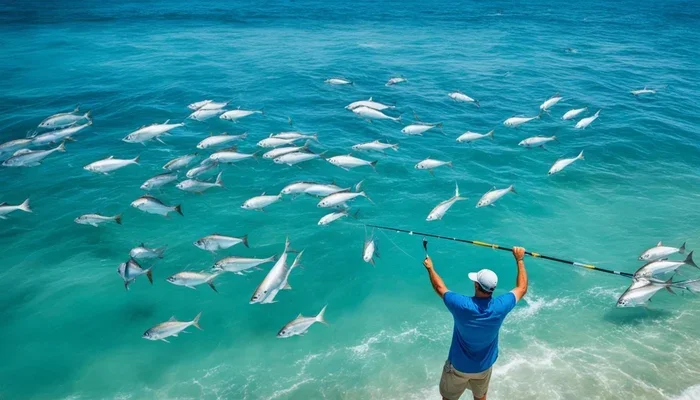
Beach pompano fishing is significantly better at certain tides, especially during incoming and rising tides when fish move closer to shore to feed. Understanding tidal patterns helps you pick the right time to hit the beach and dramatically increases your chances of landing quality pompano.
Key Takeaways
- Incoming tides are prime time: Pompano move shoreward as water rises, making them easier to target near the sand.
- Low tide can still work: Fishing during low tide exposes sand fleas and bait, attracting pompano to shallow troughs.
- Tide charts are essential: Planning your trip around a tide schedule gives you a major advantage.
- Surf fishing tactics matter: Using the right bait and presentation during specific tides boosts your catch rate.
- Water movement triggers feeding: Pompano are more active when currents push baitfish and sand fleas into the surf zone.
- Timing is everything: Combining tide knowledge with time of day maximizes your success on the beach.
📑 Table of Contents
- Is Beach Pompano Fishing Better at Certain Tides?
- How Tides Affect Beach Pompano Fishing
- Best Times of Day for Beach Pompano Fishing
- What Tides Are Best for Surf Fishing Pompano
- Best Baits and Lures for Tide-Based Pompano Fishing
- Common Mistakes Anglers Make When Fishing for Pompano by Tide
- How Weather and Water Conditions Interact with Tides
- Final Thoughts on Beach Pompano Fishing and Tides
Is Beach Pompano Fishing Better at Certain Tides?
If you have ever stood on the beach with a rod in hand, you know the thrill of waiting for a pompano to hit. But here is the thing. Not every tide is created equal when it comes to targeting these beautiful saltwater fish. The truth is, beach pompano fishing is better at certain tides, and understanding this simple fact can change your entire approach.
Pompano are seasonal visitors to many coastal beaches, and they follow the water. When the tide moves, so do the fish. Whether you are a beginner or a seasoned angler, learning how tides affect pompano behavior will help you fish smarter, not harder. In this guide, we break down everything you need to know about timing your beach trips for the best results.
The short answer is yes. Certain tides produce far better pompano fishing than others. But the full picture involves more than just high or low. It is about water movement, bait placement, and knowing when the fish are actively feeding. Let us dive in.
How Tides Affect Beach Pompano Fishing
Tides are the rise and fall of ocean water caused by gravitational forces from the moon and sun. For beach anglers, tides are the single most important factor in deciding when to fish for pompano. The movement of water brings food, changes depth, and creates the conditions pompano love.
Here is a simple way to think about it. Fish follow the water. When the tide comes in, it pushes baitfish, sand fleas, and other food closer to shore. Pompano follow that food. When the tide goes out, the water pulls back, and fish move with it. This cycle repeats every six hours or so.
Incoming Tides: The Gold Standard
Most experienced beach anglers agree that incoming tides are the best time to fish for pompano. As water rises, it sweeps across the sand and pushes tiny bait creatures into the surf. Pompano ride this wave of food closer to the shoreline, making them easier to reach from the beach.
During an incoming tide, the water gets deeper near the sandbars. This creates channels and troughs where pompano like to hold. They wait in these spots for bait to wash by, and they strike quickly. If you want consistent action, fishing the last few hours of an incoming tide is a proven strategy.
Outgoing Tides: The Moving Feast
Outgoing tides also offer great opportunities. As water pulls away from the shore, it carries baitfish and sand fleas back toward the ocean. Pompano follow this movement and often feed aggressively during the early stages of an outgoing tide.
The key difference is location. During an outgoing tide, pompano tend to sit in deeper channels just beyond the breakers. You may need to cast farther or target deeper cuts in the sand to find them. Fishing is better when water is rising or falling because both movements create current that triggers feeding instincts.
High Tide vs Low Tide
High tide brings water closer to the dunes and fills in the troughs where pompano hide. At high tide, the surf zone is wider and the water is deeper near the beach. This is when pompano venture closest to shore.
Low tide, on the other hand, exposes sandbars and flats. While some anglers avoid low tide, it can actually be productive. The exposed sand reveals sand fleas and small crabs, which attract pompano to the edges of remaining pools and channels. Low tide fishing requires reading the beach carefully, but the rewards can be worth it.
| Tide Phase | Water Depth | Pompano Location | Difficulty Level |
|---|---|---|---|
| Incoming Tide | Rising | Close to shore in troughs | Easy to Moderate |
| High Tide | Deep near shore | Wider surf zone | Easy |
| Outgoing Tide | Falling | Deeper channels beyond breakers | Moderate |
| Low Tide | Shallow | Edge of pools and channels | Harder |
Best Times of Day for Beach Pompano Fishing
Tides matter, but so does time of day. Combining tide knowledge with the right time of day gives you the best shot at success. Pompano are most active during low-light conditions, which means early morning and late afternoon are prime windows.
Many anglers swear by fishing during the first few hours after sunrise. The water is calm, the light is low, and pompano are actively feeding after a night of rest. Morning fishing during an incoming tide is almost unbeatable for beach pompano.
Late afternoon offers similar advantages. As the sun lowers, pompano move into shallower water to feed before nightfall. Some anglers also target pompano after dark, especially during summer months when the fish stay active longer into the evening.
Night Fishing for Pompano
If you are willing to stay out late, night fishing can be incredibly productive. Pompano feed more aggressively in low-light conditions, and fewer people are on the beach to spook them. Night fishing works best during an incoming tide when the water is moving and bait is plentiful.
You will need a headlamp or lantern to see your bait and detect bites. But the tradeoff is worth it. Many beach anglers catch their biggest pompano after dark, especially during the pompano run season when schools of fish move along the coast.
What Tides Are Best for Surf Fishing Pompano
Surf fishing for pompano requires a slightly different approach than fishing from a pier or boat. When you are fishing from the beach, you are casting into the breaking waves, and the tide determines where the fish are relative to your position.
The best surf fishing tides for pompano are the mid-range tides, neither fully high nor fully low. These mid-tides create a balanced surf zone with enough depth for fish to move through but enough shallows to concentrate bait. Mid-range tides give you the widest window to fish effectively.
Spring tides, which occur during full and new moons, produce extreme high and low tides. While the extreme low can expose too much sand and make fishing difficult, the extreme high can push water far up the beach and create excellent pompano fishing in areas you cannot reach at other times.
Reading the Beach During Different Tides
One of the most valuable skills you can develop is reading the beach. During high tide, look for darker patches of water where the surf is breaking differently. These are often channels or troughs where pompano hold. During low tide, watch for rips and cuts in the sand where water is flowing back out. These are natural highways for feeding fish.
Here are some quick tips for reading beach conditions:
- Watch the color of the water. Darker water usually means deeper channels where fish sit.
- Look for breakers that form in a line. This indicates a sandbar edge where pompano feed.
- Notice where sand fleas gather. Pompano follow the bait, so if you see bait, the fish are nearby.
- Check for moving water. Even slight current in the surf zone tells you food is being pushed and fish are feeding.
Best Baits and Lures for Tide-Based Pompano Fishing
Choosing the right bait matters, but it matters even more when you factor in the tide. During incoming tides, pompano are closer to shore and feeding on sand fleas, small crabs, and shrimp. Matching the hatch with the right bait gives you a huge advantage.
Sand fleas are the number one bait for beach pompano. You can find them in the wet sand near the waterline, especially during low and mid tides. Pin them onto a small jig hook and cast just past the breakers. Let the tide do the work of moving your bait back toward shore.
During outgoing tides, pompano tend to be farther out. This is when a small shrimp or cut bait can be more effective because it sinks deeper and reaches the fish in the channels. Raw shrimp is a top choice because it stays on the hook better in the current and releases a strong scent that draws pompano in.
Quick Tips for Bait Selection by Tide
- Incoming tide: Use sand fleas or small jigs worked just below the surface.
- High tide: Try shrimp or live bait fished near the bottom in deeper troughs.
- Outgoing tide: Use cut bait or shrimp fished deeper in channels beyond the breakers.
- Low tide: Fish sand fleas in the remaining pools and along the edges of exposed sandbars.
Common Mistakes Anglers Make When Fishing for Pompano by Tide
Even experienced anglers make mistakes when it comes to tide-based fishing. Avoiding these common errors will save you time and help you catch more pompano.
One of the biggest mistakes is showing up at the beach without checking the tide chart. If you arrive at low tide and the beach is completely exposed, you may not have any productive water to fish. Always check the tide chart for your local beach before heading out. Plan your trip so you are fishing during the moving water, not during dead slack tide.
Another common error is staying in one spot too long. Pompano are mobile fish. If you are not getting bites after 30 minutes, move up or down the beach. The fish may be holding in a different section where the tide is creating better conditions.
Some anglers also fish too far from the breaking waves. Pompano often hold right in the surge zone where the waves are crashing. If you are casting too far past the breakers, your bait is sitting in water where no pompano are feeding. Get closer to the action and let the waves push your bait back to you.
Expert Insight: The Power of Tide Timing
Water movement is the key to finding active fish. Pompano are feeding machines, and they feed most aggressively when the water is in motion. Slack tide, when the water is neither rising nor falling, is often the worst time to fish. Plan your sessions around the two to three hours before and after a tide change for the best results.
Expert anglers also recommend paying attention to the moon phase. Full moons and new moons create stronger tidal ranges, which means more water movement and more active feeding. During these periods, pompano fishing can be absolutely incredible on the beach.
How Weather and Water Conditions Interact with Tides
Tides do not exist in a vacuum. Weather, wind, and water conditions all interact with the tide to create the best or worst pompano fishing of the season. A strong offshore wind during an incoming tide can push bait closer to shore and concentrate pompano in tight areas.
After a storm, the tidal patterns can shift, and the water may be murky or loaded with debris. Fishing after a storm can be hit or miss, but the changing tide conditions often trigger aggressive feeding as pompano take advantage of the disrupted baitfish populations.
Rain can also affect your fishing. Freshwater runoff changes the salinity and clarity of the water near the beach. Pompano may move farther offshore or into deeper channels during heavy rain. But light rain during an incoming tide can actually improve your chances by pushing more bait into the surf zone.
Quick Weather and Tide Tips
- Fish before a cold front: Pompano feed aggressively before a weather change.
- Avoid fishing during heavy runoff: Murky water pushes pompano away from the beach.
- Light rain is fine: It can actually improve surf fishing by washing more bait into the waves.
- Check water temperature: Pompano prefer water between 65 and 80 degrees Fahrenheit.
Final Thoughts on Beach Pompano Fishing and Tides
The bottom line is simple. Beach pompano fishing is better at certain tides, and the incoming tide is your best friend. Plan your trips around the tide schedule, pick the right bait for the conditions, and time your beach visits for the moving water. You will see a noticeable difference in your catch rate.
Remember, no single tide guarantees success every time. But by understanding how pompano behave during different tidal phases, you give yourself a huge edge over anglers who just show up and hope for the best. Combine tide knowledge with time of day, weather awareness, and the right bait, and you are well on your way to consistent beach pompano catches.
The next time you plan a beach trip, pull up the tide chart first. Pick a day with an incoming tide during the morning or late afternoon hours, pack your sand fleas or shrimp, and head to your favorite spot. You will be glad you did. Tight lines and happy fishing!
Frequently Asked Questions
What tide is best for beach pompano fishing?
The incoming tide is widely considered the best tide for beach pompano fishing. As water rises, it pushes baitfish and sand fleas closer to shore, and pompano follow the food into the surf zone. Fishing the last few hours of an incoming tide is a proven strategy for consistent catches.
Can you catch pompano at low tide?
Yes, you can catch pompano at low tide, though it requires more effort. Low tide exposes sandbars and leaves behind pools and channels where pompano may hold. Use sand fleas near the edges of these pools and cast into any moving water you can find.
How long before and after a tide change is best for fishing?
The two to three hours before and after a tide change are the most productive windows. This is when water movement is strongest, which triggers pompano to feed aggressively. Slack tide, when the water is still, is usually the least productive time to fish.
Does moon phase affect pompano fishing tides?
Yes, moon phase affects tidal ranges. Full moons and new moons create stronger tides with more water movement, which often leads to better pompano fishing. These spring tide periods can produce outstanding results on the beach when combined with the right time of day.
What is the best bait for pompano during an incoming tide?
Sand fleas are the top bait for pompano during an incoming tide. They are the natural food source that pompano feed on as the water rises and pushes bait into the surf. Small jigs tipped with sand fleas worked just below the surface are extremely effective.
Is beach pompano fishing better in the morning or evening?
Both morning and evening can be excellent, but morning is often preferred. Early morning during an incoming tide combines low light with moving water, creating ideal conditions for pompano to feed close to shore. Evening fishing can also be productive, especially during summer months.