Is Kudzu Safe for Betta Fish
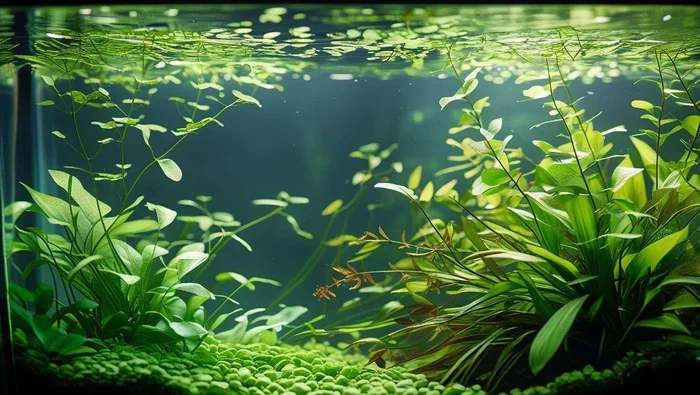
Kudzu is not recommended for betta fish tanks. While the plant itself is not highly toxic, its rapid growth and potential chemical releases can harm your betta fish tank environment. Choosing aquarium safe plants is always the best approach for your fish’s health.
Many betta fish owners love adding plants to their tanks. Plants make the water cleaner and give your fish a place to explore. But not every plant is a good fit. One plant that often comes up in conversations is kudzu. So, is kudzu safe for betta fish? The short answer is no. Let me walk you through exactly why, and what you can use instead.
If you have a betta fish tank, you already know how important it is to get things right. Your betta needs clean water, the right water parameters for betta, and a comfortable environment. Adding the wrong plant can throw everything off. That is why we need to look at kudzu carefully before even thinking about putting it near your fish.
Key Takeaways
- Kudzu is not safe for betta fish tanks: The plant can release compounds that may affect water quality and harm your fish.
- Rapid growth is a major concern: Kudzu grows aggressively and can quickly overwhelm a small betta tank setup.
- Better alternatives exist: Plants like pothos, anubias, and other live plants are much safer choices for betta fish.
- Water parameters matter: Any plant added to a tank can shift pH, temperature, and oxygen levels, which directly impacts betta fish health.
- Always research before adding plants: Not all plants that are safe for general aquariums are safe for betta fish specifically.
📑 Table of Contents
- What Is Kudzu and Why Do People Think About It for Tanks?
- Is Kudzu Toxic to Betta Fish?
- What Happens When Kudzu Decomposes in Water?
- Safe Plants for Betta Fish Tanks
- Why Choosing the Right Plants Matters for Betta Fish
- Common Mistakes Bettas Owners Make With Plants
- Expert Insights: What Aquarists Say About Kudzu
- Final Thoughts on Kudzu and Betta Fish
What Is Kudzu and Why Do People Think About It for Tanks?
Kudzu is a fast-growing vine plant. It is native to Asia and is famous for covering trees, fences, and almost anything in its path. People call it “the plant that ate the South” because of how quickly it spreads. Some aquarium hobbyists wonder if it could work as a floating plant or a natural decoration in a betta tank.
Here is the thing. Kudzu is a terrestrial plant. It grows on land. It is not an aquatic plant. That alone should tell you something. While some land plants can survive in water for a while, they are not built to live submerged long term. And when they start to break down, they can seriously mess with your tank.
The Growth Factor
Kudzu grows incredibly fast. In the right conditions, it can grow up to a foot per day. Imagine that in a small tank. Your betta fish habitat would be overtaken in no time. The plant would block light, use up nutrients, and take away swimming space. Your betta needs room to move around freely.
Is Kudzu Toxic to Betta Fish?
Let us get to the heart of the question. Is kudzu toxic to betta fish? The answer is nuanced. Kudzu is not classified as highly toxic to fish in the same way that some common houseplants are. However, that does not make it safe.
Here is what happens when kudzu ends up in water. The plant starts to decompose. During decomposition, it releases organic compounds into the water. These compounds can spike ammonia levels. Ammonia is extremely dangerous for betta fish. Even small amounts can cause gill damage, stress, and illness.
Additionally, kudzu contains isoflavones and other chemical compounds. These substances are fine on land. But in a confined aquarium environment, they can accumulate. Your betta fish health depends on stable, clean water. Introducing a plant that alters the chemistry is a risk you do not need to take.
Comparison: Kudzu vs. Safe Aquarium Plants
| Feature | Kudzu | Safe Aquarium Plants |
|---|---|---|
| Aquatic Suitability | Not designed for water | Built to live submerged |
| Growth Rate | Extremely fast | Controlled and manageable |
| Toxicity Risk | Moderate to high | Low to none |
| Water Quality Impact | Can spike ammonia | Improves water quality |
| Betta Fish Safety | Not recommended | Safe and beneficial |
As you can see, kudzu falls short in every category that matters. Safe aquarium plants actually help your tank. They do not hurt it.
What Happens When Kudzu Decomposes in Water?
This is where things get really risky. When any non-aquatic plant sits in water, it eventually breaks down. The decomposition process is driven by bacteria and fungi. While this is a natural process, it has serious consequences in a closed tank system.
First, decomposition uses up oxygen. Your betta fish needs dissolved oxygen to breathe. If a kudzu plant rots in your tank, it can lower oxygen levels. This is especially dangerous in smaller tanks where oxygen levels are already tighter.
Second, decomposition releases nitrogen compounds. These include ammonia, nitrite, and nitrate. All three are harmful to betta fish at different levels. Ammonia is the most dangerous. It can burn your fish’s gills and skin. Even a small spike can be fatal.
How to Tell If Your Tank Water Is Compromised
If you ever add something questionable to your tank, watch for these signs:
- Cloudy water: This often signals a bacterial bloom from decomposing organic matter.
- Foul odor: A rotten smell means decomposition is actively happening.
- Fish gasping at the surface: This is a sign of low oxygen or high ammonia. If you notice this, check your why is my betta fish gasping for air right away.
- Algae blooms: Excess nutrients from decomposing plants feed algae.
If you see any of these signs, remove the plant immediately and do a water change. Your betta will thank you for it.
Safe Plants for Betta Fish Tanks
The good news is that you have plenty of great options. There are many plants that are safe for betta fish and actually improve their environment. Let me share some of the best ones.
Live plants are the gold standard for betta tanks. They absorb harmful chemicals, produce oxygen, and create a natural feel. But you need to make sure the plants you choose are truly safe. Not all plants sold at pet stores are appropriate for aquariums.
Pothos Plants
Pothos is one of the most popular plants for betta tanks. It is easy to grow, looks great, and helps keep water clean. You can place the roots in the water while keeping the leaves above the surface. Just make sure you check that your specific setup works well. You can read more about whether pothos plants are safe for betta fish to get the full picture.
Anubias and Java Fern
These are classic aquarium plants. They grow slowly, which means less maintenance. They do not release harmful chemicals into the water. They are perfect for betta fish because they provide hiding spots without taking over the tank. Anubias in particular is nearly indestructible, which makes it great for beginners.
Amazon Sword and Java Moss
Amazon sword plants are larger and make a great centerpiece. Java moss is excellent for covering rocks and driftwood. Both are safe for betta fish and contribute to a healthy tank ecosystem. They also give your betta a natural feeling habitat that encourages natural behaviors like exploring and nesting.
Why Choosing the Right Plants Matters for Betta Fish
Your betta fish lives in a closed environment. Everything in that tank affects the water quality. Plants are not just decorations. They are living organisms that interact with the water chemistry, the bacteria, and your fish.
When you choose the right plants, you get these benefits:
- Better water quality: Plants absorb nitrates and ammonia naturally.
- More oxygen: Live plants produce oxygen during photosynthesis.
- Reduced stress: Betta fish feel safer with plants and hiding spots.
- Natural behavior: Plants encourage exploring, which keeps your fish active and healthy.
- Algae control: Healthy plants compete with algae for nutrients.
On the other hand, the wrong plant can cause all of these problems. This is exactly why kudzu is a bad idea. It offers none of the benefits and brings all of the risks.
Quick Tips for Adding Plants to Your Betta Tank
Before you add any plant to your betta tank, follow these simple tips:
- Research the plant first. Make sure it is safe for aquarium use and specifically for betta fish.
- Quarantine new plants. Keep new plants in a separate container for a few days. This helps you spot any pests or chemical releases.
- Check your water parameters. Monitor pH, ammonia, and nitrite levels after adding new plants. You can learn more about what is the correct pH level for betta fish to understand what your tank needs.
- Start with easy plants. If you are new to planted tanks, begin with pothos, anubias, or java fern.
- Avoid wild or outdoor plants. Plants like kudzu, lilies, and other terrestrial plants should stay out of your tank.
Common Mistakes Bettas Owners Make With Plants
Even experienced fish keepers sometimes make mistakes with plants. Here are a few common ones to avoid:
Assuming all plants are aquarium safe. Just because a plant is green and looks nice does not mean it belongs in water. Kudzu is a perfect example. Many common houseplants are toxic to fish.
Overloading the tank with plants. Even safe plants can become a problem if you add too many. Too many plants can deplete CO2, block light, and create dead zones in your tank. Keep things balanced.
Ignoring plant maintenance. Dead or dying plant matter decomposes just like kudzu would. Trim your plants regularly and remove any leaves that turn brown or mushy.
Skipping the quarantine step. Wild plants can carry parasites, pesticides, or bacteria. Always quarantine before adding anything to your main tank.
Expert Insights: What Aquarists Say About Kudzu
Most experienced aquarists will tell you the same thing. Kudzu has no place in a betta fish tank. It is a land plant that happens to grow fast. It is not an aquatic plant, and it is not safe for fish tanks.
Some people have tried using kudzu in outdoor ponds with larger fish. Even then, it is risky. The plant can release tannins and other compounds that affect water clarity and chemistry. In a small betta tank, the risks are even higher.
If you are looking for advice on what kind of water is best for betta fish, the same principle applies. Keep things simple, keep things natural, and keep things safe. Choose plants that are proven to work in aquariums.
You might also wonder about other common items. For example, live plants in general are safe and beneficial for betta fish when chosen correctly. But kudzu is a completely different story.
Final Thoughts on Kudzu and Betta Fish
Let me be clear. Kudzu is not safe for betta fish. It is not an aquatic plant, it decomposes dangerously in water, and it offers no real benefits for your tank. The risks far outweigh any reasons someone might consider using it.
Your betta fish deserves a safe and healthy home. That means choosing the right plants, maintaining clean water, and doing a little research before adding anything new. There are so many beautiful, safe, and beneficial plants out there. Kudzu should not be one of them.
Stick with tried-and-true aquarium plants. Your betta will be happier, healthier, and more active. And you will enjoy your tank more too. That is a win for everyone.
Remember, when in doubt, always double check before adding any plant or item to your tank. A few minutes of research can save your fish from serious harm. Your betta fish tank is a small world for your fish. Everything in it matters.
Frequently Asked Questions
Can kudzu be used in any type of aquarium?
No, kudzu should not be used in any aquarium, including betta tanks. It is a terrestrial plant that decomposes in water and can release harmful compounds. Stick with plants that are specifically designed for aquatic environments.
What plants are completely safe for betta fish?
Pothos, anubias, java fern, Amazon sword, and java moss are all safe and beneficial for betta fish. These plants improve water quality, provide hiding spots, and do not release harmful chemicals into the tank.
How do I know if a plant is safe for my betta fish?
Research the plant before adding it to your tank. Check if it is listed as aquarium safe. Avoid terrestrial plants, wild plants, and plants treated with pesticides. When in doubt, consult a trusted aquarium resource or experienced fish keeper.
Can kudzu affect the pH level of my betta tank?
Yes, decomposing kudzu can shift pH levels and spike ammonia. Both of these changes are harmful to betta fish. Stable water parameters are essential for betta health, and kudzu can disrupt that balance quickly.
Is it okay to use outdoor plants in a betta tank?
No, outdoor plants should generally be avoided. They can carry parasites, bacteria, and pesticides. They are also not adapted to live submerged in water. Always choose plants that are known to be safe for aquarium use.
What should I do if I accidentally put kudzu in my betta tank?
Remove the kudzu immediately. Do a partial water change of about 25 to 50 percent. Monitor your betta for signs of stress like gasping or lethargy. Test your water parameters for ammonia and nitrite. If levels are high, continue doing water changes until they return to safe levels.
=== CONCLUSION ===
Is kudzu safe for betta fish? The answer is a clear no. Kudzu is a fast-growing land plant that poses real risks to your betta fish tank. It decomposes in water, releases harmful compounds, and can crash your water quality in a hurry. Your betta fish deserves better.
Instead of kudzu, choose from a wide variety of safe, beautiful aquarium plants. Plants like pothos, anubias, and java fern are proven to work well in betta tanks. They improve your water, give your fish places to explore, and make your tank look amazing.
Take the time to research before you add anything to your tank. Your betta fish depends on you to make the right choices. A little knowledge goes a long way toward keeping your fish healthy and happy for years to come.