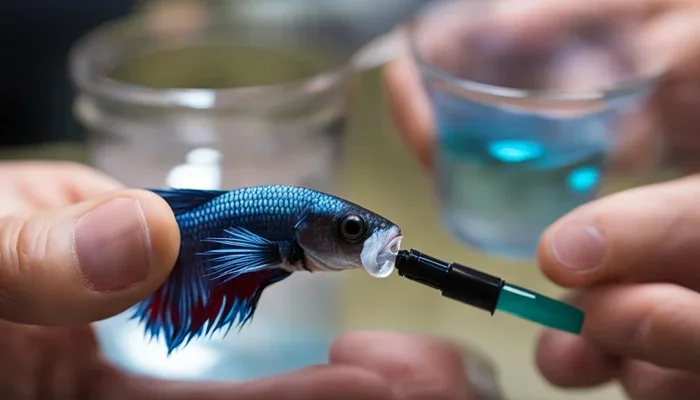
How Do Betta Fish Get Fungal Infections

Betta fish get fungal infections when their immune system weakens due to poor water quality, stress, or injuries. The most common culprit is a fungus called Saprolegnia, which thrives in dirty tanks and cold water. Early detection and proper treatment can clear up most fungal infections quickly.
Betta fish are beautiful, hardy creatures that bring life to any aquarium. But even the toughest bettas can fall victim to fungal infections. These infections are more common than most fish owners realize, and they can turn deadly fast if left untreated.
If you have ever noticed white, fuzzy patches on your betta’s body or fins, you have likely wondered what went wrong. The truth is, fungal infections in betta fish happen for specific reasons — and understanding those reasons is the first step toward keeping your fish healthy.
In this guide, we will walk through exactly how betta fish get fungal infections, what triggers them, how to spot the symptoms early, and what you can do to treat and prevent them. Whether you are a beginner or a seasoned aquarist, this article will give you the knowledge you need to protect your betta.
Key Takeaways
- Fungal infections in bettas are caused by poor water conditions, stress, and injuries that open the door for fungal spores.
- Common signs include white cotton-like growths, clamped fins, lethargy, and loss of appetite.
- Treating fungal infections early with antifungal medication and improved tank hygiene leads to faster recovery.
- Prevention is always easier than treatment — maintain clean water, reduce stress, and feed a balanced diet.
- Stress from tankmates, temperature swings, and overcrowding significantly increases infection risk.
- Fungal infections are contagious to other fish, so isolate infected bettas immediately.
📑 Table of Contents
- What Are Fungal Infections in Betta Fish?
- How Do Betta Fish Get Fungal Infections?
- Common Symptoms of Fungal Infections
- How to Treat Fungal Infections in Betta Fish
- Preventing Fungal Infections in Your Betta Tank
- Common Mistakes Bettas Owners Make
- Expert Insights on Betta Fish Fungal Infections
- Key Takeaways
- Conclusion
What Are Fungal Infections in Betta Fish?
A fungal infection happens when harmful fungi invade your betta’s body or fins. The most common type is caused by a fungus called Saprolegnia. This organism is naturally present in most aquariums, but it only causes problems when conditions are right for it to grow and attack.
Healthy bettas rarely develop fungal infections. Their slime coat acts as a natural barrier against fungi and bacteria. But when that barrier breaks down, fungi can take hold quickly. This is why understanding the root causes is so important.
Types of Fungi That Affect Bettas
Several types of fungi can infect betta fish. Here are the most common ones you should know about:
- Saprolegnia: The #1 cause of fungal infections in freshwater fish. It appears as white or gray cotton-like patches.
- Branchiomyces: A rarer fungus that attacks the gills, making breathing difficult.
- Ichthyophonus: Another uncommon fungus that causes internal damage and visible lumps.
Saprolegnia is by far the most widespread. If you see fluffy, white growths on your betta, there is a very good chance it is this type of fungus.
How Do Betta Fish Get Fungal Infections?
Fungal spores are everywhere in an aquarium environment. They float in the water, hide in the substrate, and live on decaying plant matter. So why do some bettas get infected while others do not? The answer lies in a combination of factors that weaken the fish’s defenses.
Poor Water Quality
The single biggest cause of fungal infections in bettas is dirty water. When ammonia and nitrite levels rise, the fish’s immune system takes a serious hit. Dirty tank water creates the perfect breeding ground for fungi.
Here is what happens inside a neglected tank:
- Waste builds up and raises ammonia levels.
- The betta’s slime coat becomes damaged from chemical exposure.
- Fungal spores attach to weakened tissue and begin to grow.
- The infection spreads if water conditions are not improved.
Regular water changes and proper filtration are your first line of defense. A well-maintained tank keeps fungal growth in check.
Stress Weakens the Immune System
Stress is a silent killer for betta fish. When a betta is stressed, its body releases cortisol, a hormone that suppresses the immune system. A stressed betta simply cannot fight off fungal invaders as effectively as a calm, healthy one.
Common stressors include:
- Overcrowded tanks
- Aggressive tankmates
- Sudden temperature changes
- Loud noises or constant vibrations near the tank
- Poor diet or irregular feeding schedules
If your betta has been through a stressful period — like being moved to a new tank or chased by other fish — watch for signs of infection carefully. Stressed bettas are far more vulnerable to fungal outbreaks than relaxed ones. You can learn more about how stress affects bettas and what triggers it in our guide on do betta fish get stressed.
Injuries and Open Wounds
Bettas that have scratches, fin tears, or open wounds are prime targets for fungal spores. Fungi love to colonize damaged tissue. A simple fin nip from a curious tankmate can turn into a full-blown fungal infection within days.
Common causes of injuries include:
- Sharp decorations or rough gravel
- Fin nipping from other fish
- Bettas rubbing against tank walls out of irritation
- Handling or netting accidents
Always inspect your betta’s fins and body during regular tank checks. Catching a small wound early can prevent a fungal infection from taking hold.
Cold Water and Temperature Shock
Betta fish are tropical fish. They need warm water between 76°F and 82°F to stay healthy. When the water temperature drops too low, the betta’s metabolism slows down, and its immune system becomes sluggish. This makes it much easier for fungi to take root.
Temperature shock can happen suddenly if a heater malfunctions or if the tank is placed near a drafty window. Even small drops in temperature over time can weaken your betta enough for a fungal infection to develop.
Existing Illness or Parasites
Fungal infections often appear as a secondary problem. If your betta already has another illness — such as ich, bacterial infection, or parasites — its body is already fighting hard. A weakened fish is an easy target for fungi that move in while the immune system is busy dealing with something else.
This is why it is so important to treat any illness promptly. Ignoring even a mild case of ich can lead to a fungal infection on top of the original problem. For more information about common fish diseases and how they relate to fungal issues, check out our article on do betta fish get ick.
Common Symptoms of Fungal Infections
Spotting a fungal infection early gives your betta the best chance of a full recovery. Here are the signs you should look for:
- White or gray cotton-like patches on the skin, fins, or mouth
- Clamped fins held close to the body
- Loss of appetite or refusing to eat
- Lethargy and spending more time near the bottom or resting
- Flashing or rubbing against tank objects
- Fins deteriorating or becoming ragged
- Redness or inflammation around the infected area
If you notice any combination of these symptoms, act quickly. Fungal infections spread fast, and the sooner you treat them, the better the outcome.
How to Treat Fungal Infections in Betta Fish
Treating a fungal infection involves two main steps: addressing the immediate infection and fixing the underlying cause. Here is a clear, step-by-step approach.
Step 1: Isolate the Infected Betta
Fungal infections can spread to other fish in the tank. Move your infected betta to a quarantine tank as soon as you notice symptoms. This protects your other fish and makes treatment easier.
Step 2: Use Antifungal Medication
Over-the-counter antifungal treatments work well for most mild to moderate infections. Look for medications containing methylene blue or malachite green. These are proven treatments for Saprolegnia and other common fungi.
Follow the dosage instructions carefully. Overdosing can harm your betta, especially in a small quarantine tank.
Step 3: Improve Water Conditions
While treating the infection, improve the water quality in both the main tank and the quarantine tank:
- Perform a 25-30% water change immediately
- Check and adjust temperature to the ideal range
- Test ammonia, nitrite, and nitrate levels
- Clean the filter media gently
- Remove any decaying food or plant matter
Clean water supports healing and prevents reinfection.
Step 4: Boost Nutrition and Recovery
A well-fed betta heals faster. Offer high-quality betta pellets and occasional treats like bloodworms or brine shrimp. Good nutrition strengthens the immune system and helps your betta fight off the infection.
If your betta has been through a stressful period, recovery takes time. You can read more about how bettas recover from stress and what helps them bounce back in our article on do betta fish get over stress.
Preventing Fungal Infections in Your Betta Tank
Prevention is always better — and easier — than treatment. A few simple habits can keep fungal infections far away from your betta.
Maintain Consistent Water Quality
Test your water parameters at least once a week. Keep ammonia and nitrite at zero, and nitrate below 20 ppm. Perform regular water changes — 25% every week is a great routine for most betta setups.
Keep the Tank at the Right Temperature
Use a reliable aquarium heater and a thermometer. Bettas thrive in stable, warm water. Avoid placing the tank near windows, doors, or vents where temperatures can fluctuate.
Reduce Stress in the Tank
Give your betta plenty of hiding spots with soft silk plants and smooth decorations. Avoid aggressive tankmates. Keep the environment calm and predictable. A relaxed betta is a healthy betta.
Want to learn more about how stress impacts your betta’s overall well-being? Our article on do betta fish get sick easily covers the connection between stress and illness in detail.
Feed a Balanced Diet
Variety is key. Rotate between high-quality pellets, frozen foods, and occasional live treats. A strong diet builds a strong immune system that can resist fungal invaders.
Quarantine New Fish and Plants
Always quarantine new additions for at least two weeks before introducing them to your main tank. This prevents the spread of fungi, bacteria, and parasites that could weaken your betta.
Common Mistakes Bettas Owners Make
Even experienced fish keepers sometimes make mistakes that lead to fungal infections. Here are the most common ones to avoid:
- Skipping water changes: Dirty water is the #1 cause of fungal outbreaks.
- Overfeeding: Excess food decays and pollutes the water rapidly.
- Ignoring early symptoms: White patches are easy to miss at first but get worse fast.
- Using the wrong medication: Antibiotics do not treat fungal infections. Use antifungal treatments specifically.
- Keeping the water too cold: Room temperature is often too low for bettas, especially in winter.
Expert Insights on Betta Fish Fungal Infections
Veterinary aquarists and experienced betta breeders agree on one thing: fungal infections are almost always a sign that something else is wrong in the tank. The fungus itself is usually not the primary problem — it is a symptom of poor water quality, stress, or an underlying illness.
Professional breeders take a proactive approach. They maintain strict water quality routines, keep tanks at optimal temperatures, and monitor their fish daily for any early warning signs. This disciplined approach keeps fungal infections rare in well-managed setups.
If your betta keeps getting fungal infections despite your best efforts, consider testing your water more thoroughly or consulting a fish veterinarian. There may be an underlying issue you have not yet identified.
Key Takeaways
- Fungal infections in bettas are caused by poor water quality, stress, injuries, cold water, and secondary illnesses.
- The most common fungus is Saprolegnia, which shows up as white cotton-like growths on the skin and fins.
- Early symptoms include clamped fins, loss of appetite, lethargy, and flashing behavior.
- Treatment involves quarantine, antifungal medication, and improved water conditions.
- Prevention focuses on regular water changes, stable temperatures, stress reduction, and proper nutrition.
- Fungal infections are contagious, so always isolate infected fish immediately.
Conclusion
Fungal infections in betta fish are common but completely manageable when you know what to look for and how to respond. The root causes are almost always within your control — water quality, stress levels, tank temperature, and overall fish health. By staying proactive and keeping your betta’s environment clean and stable, you can dramatically reduce the risk of fungal infections.
Remember, a healthy betta is a happy betta. Small daily habits — like testing water parameters, feeding quality food, and watching for early warning signs — go a long way toward keeping your fish thriving. If an infection does occur, act fast, treat promptly, and your betta has an excellent chance of making a full recovery.
Take what you have learned from this guide and put it into action today. Your betta will thank you with vibrant colors, active swimming, and a long, healthy life.
Frequently Asked Questions
Can fungal infections in betta fish spread to other fish?
Yes, fungal infections can spread to other fish in the same tank, especially if those fish are already stressed or have weakened immune systems. This is why isolating an infected betta immediately is so important. Treating the main tank with a mild antifungal treatment can also help protect other fish.
How long does it take for a betta fungal infection to clear up?
With proper treatment, most mild fungal infections clear up within 7 to 14 days. Severe infections or those that have spread to internal organs may take longer. Consistent water quality and correct medication dosing are the key factors that determine recovery speed.
Can I treat a fungal infection with salt baths?
Yes, aquarium salt can help with mild fungal infections by creating a hostile environment for fungi. Use non-iodized aquarium salt at the dosage recommended on the product label. However, salt baths work best as a supplement to antifungal medication, not as a standalone treatment for serious infections.
Is a fungal infection the same as ich in betta fish?
No, they are different. Ich is caused by a parasite and appears as tiny white dots, while fungal infections look like fluffy, cotton-like patches. The treatments are also different — ich requires antiparasitic medication, while fungal infections need antifungal medication. Sometimes a fish can have both at the same time, which is why proper identification matters.
What water temperature helps prevent fungal infections in bettas?
Keep your betta’s tank between 76°F and 82°F. This warm temperature range supports a strong immune system and makes it harder for fungi to thrive. Avoid letting the temperature drop below 74°F, as cooler water weakens the betta’s defenses significantly.
Are betta fish more prone to fungal infections than other fish?
Betta fish are not inherently more prone to fungal infections, but they are often kept in small tanks or bowls where water quality can deteriorate quickly. Poor living conditions are the real risk factor. Bettas kept in well-maintained, appropriately sized tanks with stable parameters are just as resistant to fungal infections as any other freshwater fish.