How to You Know If Your Betta Fish Is Dead
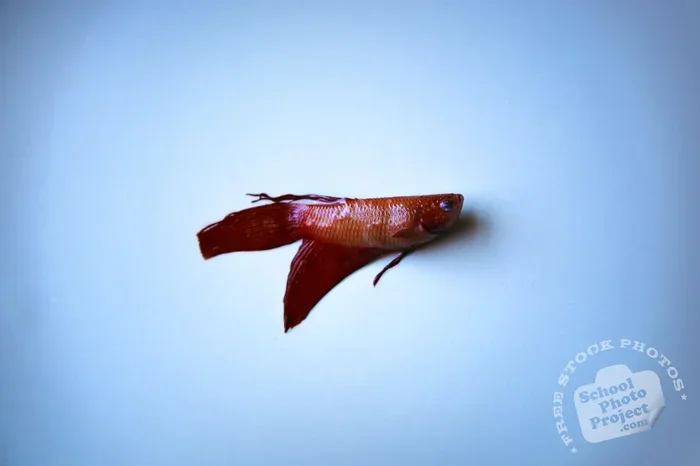
Knowing if your betta fish is dead can be tricky because some signs look similar to illness or deep sleep. You need to check for lack of movement, no gill activity, body stiffness, and color changes. This guide walks you through every sign step by step so you can be sure.
Losing a pet fish is never easy. You may be staring at your tank right now wondering, how do you know if your betta fish is dead. It is a question many betta owners face, especially when their fish stops moving or seems unresponsive. The truth is that telling the difference between a sleeping betta, a sick betta, and a dead one can be really hard.
This guide is here to help. We will walk you through every sign that tells you your betta fish is no longer alive. You will learn what to look for, what to check, and what steps to take next. Whether your fish is showing signs of dying or has already passed, this article covers it all. Let us get into it so you can find the answers you need.
Key Takeaways
- No movement or gill activity: If your betta fish is not breathing or moving for several minutes, it may have passed away.
- Body position matters: A belly-up float with stiff body and faded color is a strong sign of death.
- Check for response: Gently tapping the tank or offering food helps rule out a deep sleep or shock.
- Know the difference between dying and dead: A dying fish may still show slight gill movement or response.
- Act quickly after death: Proper disposal and tank cleaning help protect your other fish and keep the tank healthy.
- Prevention is key: Good tank maintenance, proper temperature, and clean water reduce the risk of losing your betta.
📑 Table of Contents
How to Know If Your Betta Fish Is Dead
The first thing you want to do is stay calm. Panicking will not help you think clearly. Take a close look at your fish and observe its body carefully. There are several clear signs your betta fish has died that you can check for right now.
No Movement at All
A living betta fish moves. Even when sleeping, bettas will have slow tail flicks or slight fin movements. If your fish is completely still and does not respond to anything around it, that is a warning sign. Try tapping the glass gently or waving your finger near the tank. If there is zero reaction after a few minutes, your betta may have passed away.
Some people confuse a very still betta with a dead one. This happens during deep sleep or when the water is too cold. Betta fish are cold-blooded, so low tank temperatures slow their body down a lot. Before jumping to conclusions, check the water temperature first. If it is below 72°F, your fish may just be sluggish.
Gills Are Not Moving
One of the most reliable ways to check is by watching the gills. A living betta fish breathes through its gills, and you should see them open and close slowly. This is the betta fish breathing process, and it continues even when the fish is sleeping.
Place your eye level with the tank and look closely at the gill area. If you see no movement at all for several minutes, that is a strong indicator your betta has died. Keep in mind that very weak breathing can be hard to spot, so look carefully. Use a flashlight if you need better light to see the gill area clearly.
Body Position and Stiffness
A dead betta fish often floats belly-up or lies flat on the bottom of the tank. Healthy bettas rest in all kinds of positions, but a dead betta fish body will feel stiff when you gently touch it. The body may also appear rigid or limp with no muscle tone.
Another thing to look at is the fins. Dead bettas often have fins folded close to the body. A living betta may rest with fins closed too, but they will still fan them out occasionally. Stiffness combined with no fin movement is a clear sign.
Color Changes and Fading
Healthy bettas have bright, vivid colors. When a betta dies, the colors start to fade quickly. You may notice the body turning pale, white, or grayish. This color fading in betta fish happens because blood flow stops and the skin loses its natural glow.
Some bettas naturally have dull colors, so do not panic if your fish was always a muted shade. But if your fish was bright yesterday and looks washed out today, that is worth paying attention to. Pair this sign with others on this list to get a clearer picture.
Signs Your Betta Fish Is Dying vs. Dead
It is very important to understand the difference between a dying betta and a dead one. A dying fish still has some life left in it. A dead fish does not. Here is how you can tell them apart.
Signs of a Dying Betta Fish
A betta that is dying may still show some of these signs:
- Very slow or weak gill movement
- Lying at the bottom but still slightly responsive
- Eyes slightly sunken but still clear
- Fins still moving a little when stimulated
- Breathing is shallow but present
If you see any of these signs, your fish may still be alive. You can try raising the water temperature slowly and offering food. Sometimes a fish that seems nearly dead can recover with the right care. Check out our guide on how to make your betta fish healthy again for helpful recovery tips.
Signs Your Betta Fish Has Passed Away
On the other hand, a dead betta shows these clear indicators:
- Zero gill movement for several minutes
- No response to tapping, food, or light
- Body is stiff or rigid
- Fins lay flat and do not move
- Eyes become cloudy or sunken
- Strong foul smell coming from the body
If your fish shows most of these signs, it has most likely passed away. This is a difficult moment, but knowing for sure helps you take the right next steps.
Common Mistakes People Make When Checking
Many betta owners make mistakes that lead to wrong conclusions. Here are some common ones to avoid.
Assuming Stillness Means Death
Betta fish sleep a lot, and they can stay very still for hours. Some bettas even hover in one spot for long periods. A fish that is not moving is not always a dead fish. Always check for gill movement and response before making a final call.
Ignoring Water Temperature
Cold water puts bettas into a kind of hibernation-like state. Their body slows way down, and they barely move. This can easily look like death to a worried owner. Always check your betta fish tank temperature first. The ideal range is between 76°F and 82°F.
Not Checking for Illness Signs First
Sometimes a fish that looks dead is actually very sick. Illnesses like ich, fin rot, and velvet can make a betta go completely limp. Before assuming the worst, look for other betta fish illness symptoms like white spots, torn fins, or redness on the body. Your fish might still need help.
What to Do If Your Betta Fish Has Died
Finding out your betta has died is never fun. But there are things you should do right away to protect your tank and the other fish.
Remove the Body Quickly
A dead fish starts to decompose fast, especially in warm water. This can quickly foul the tank and raise ammonia levels. Use a small net or container to remove the body as soon as you confirm the fish has passed.
Clean the Tank
After removal, do a partial water change of about 25%. This helps remove any toxins released by the decomposing body. If the fish died from an illness, you may want to do a bigger water change and clean the gravel too.
If you need guidance on cleaning, check out our article on how to clean your betta fish tank for a step-by-step process.
Dispose of the Body Properly
Never flush a dead fish down the toilet. This can introduce diseases into local water systems. Instead, wrap the body in a paper towel and place it in a sealed bag. You can bury it in your yard or dispose of it in the trash. For more details, visit our guide on how to dispose of a dead betta fish.
Check Your Other Fish
If you have other fish in the tank, watch them closely for the next few days. Diseases can spread quickly after one fish dies. Look for any signs of betta fish health issues like clamped fins, loss of appetite, or white spots on the body.
How to Prevent Losing Your Betta Fish
The best way to deal with a dead betta is to prevent it from happening in the first place. Good care goes a long way toward keeping your fish alive and happy.
Keep the Water Clean
Dirty water is the number one killer of betta fish. Ammonia and nitrite levels build up fast in small tanks. Test your water regularly and do partial water changes at least once a week. A clean betta fish bowl or tank gives your fish the best chance at a long, healthy life.
Maintain the Right Temperature
Betta fish need warm water to stay healthy. Use a reliable aquarium heater and keep the temperature steady between 76°F and 82°F. Sudden temperature drops can shock your fish and weaken its immune system.
Feed Properly
Overfeeding is a common mistake. Uneaten food rots in the water and creates toxins. Feed your betta small amounts twice a day, and only give what it can eat in two minutes. Remove any leftover food right away.
Watch for Early Warning Signs
Catching illness early saves lives. Look for changes in behavior like hiding more than usual, not eating, or rubbing against decorations. These are early betta fish behavior changes that something is wrong. The sooner you act, the better the chances of recovery.
For tips on keeping your fish happy and healthy, read our article on how to make your betta fish happy.
When to Be Concerned About a Lethargic Betta
Not every still betta is dead. Sometimes a betta becomes very lethargic for reasons that are easy to fix. Understanding these reasons helps you respond the right way.
Old Age
Betta fish typically live between 3 and 5 years. As they get older, they naturally slow down. An older betta may sleep more, eat less, and move around less. This is normal and not a cause for alarm.
Stress from Tank Mates
Betta fish are territorial and do not always get along with other fish. If your betta is stressed by tank mates, it may hide, stop eating, and become very still. Consider moving your betta to a solo tank to reduce stress.
Improper Tank Setup
A tank that is too small, too bright, or lacks hiding spots can stress your betta out. Make sure your tank has plants, caves, or decorations where your fish can rest and feel safe. A well-decorated betta tank helps reduce anxiety and promotes natural behavior.
If you are unsure about your tank setup, our guide on how to decorate your betta fish tank has great ideas.
Key Takeaways
- Check for gill movement first: No breathing is the strongest sign your betta fish has died.
- Look for body stiffness and color fading: These are clear indicators that confirm death.
- Do not confuse sleep with death: Always test for response before making a final decision.
- Act quickly after confirming death: Remove the body and clean the tank to protect water quality.
- Dispose of the body safely: Wrap it properly and place it in the trash or bury it in the yard.
- Monitor remaining fish: Watch for signs of illness after one fish passes away.
- Prevent future losses: Keep water clean, temperature stable, and feed properly to keep your betta healthy.
Conclusion
Figuring out if your betta fish is dead can be stressful, but knowing what signs to look for makes it much easier. Check for no movement, no gill activity, body stiffness, faded color, and no response to stimulation. These signs together give you a clear answer.
If your fish has passed, take action quickly by removing the body and cleaning the tank. This protects your other fish and keeps your tank environment healthy. And remember, prevention is always better than dealing with loss. Good water quality, proper temperature, and attentive care will help your betta live a long and happy life.
Every betta owner wants their fish to thrive. By staying observant and proactive, you give your betta the best chance at a full and healthy life. Trust your instincts, keep learning, and enjoy the wonderful bond you share with your fish.
Frequently Asked Questions
How long does it take for a betta fish to die?
The process depends on the cause. A fish that dies suddenly from a shock or toxin may pass within minutes. A fish that is sick or old may take days or even weeks to decline. Watching for signs early gives you the best chance to help.
Can a betta fish look dead but still be alive?
Yes, this happens more often than you think. Cold water, deep sleep, or severe illness can make a betta appear lifeless. Always check for gill movement and response to stimuli before assuming the fish has died.
Why is my betta fish lying on the bottom of the tank?
A betta lying on the bottom could be sleeping, stressed, sick, or cold. Check the water temperature first and look for any signs of illness. If the fish does not respond to food or gentle tapping, there may be a deeper issue.
What does a dead betta fish smell like?
A dead betta fish gives off a strong, rotten smell. The odor comes from the decomposing body and is usually very noticeable. If you smell something foul coming from your tank, check your fish immediately.
Should I remove a dead betta fish from the tank right away?
Yes, remove the body as soon as possible. Decomposition releases ammonia and toxins into the water, which can harm other fish. Use a net and dispose of the body properly.
How can I tell if my betta fish is just sleeping or dead?
A sleeping betta will still have slow gill movement and may respond to food or light. A dead betta has no gill movement and no response at all. Use a flashlight to check the gills and gently offer food to test for a response.