Is Spring Water Bad for Betta Fish
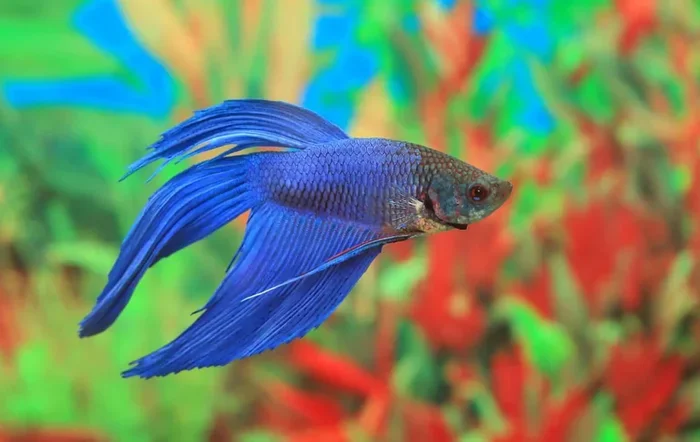
Spring water is not inherently bad for betta fish, but it depends on the mineral content, pH levels, and whether the water has been properly treated. Many betta owners turn to spring water as a natural alternative, yet some brands contain high mineral levels that can harm your fish. Understanding water parameters and testing your spring water before adding it to the tank is essential for keeping your betta healthy and thriving.
You love your betta fish. You want the best for it. And when it comes to water, you might wonder if spring water is a good choice. After all, spring water sounds natural and pure. But is spring water bad for betta fish? The answer is not a simple yes or no. It depends on several factors that every betta owner should understand.
Many fish keepers switch to spring water thinking it is safer than tap water. And in some cases, that is true. Tap water contains chlorine and chloramine that can harm your betta. But spring water is not automatically safe either. Some brands have high mineral levels that can cause serious problems over time. This guide breaks down everything you need to know about using spring water for betta fish the right way.
By the end of this article, you will know exactly what to look for, what risks to avoid, and how to make spring water work safely for your betta. Let us dive in.
Key Takeaways
- Spring water can be safe for betta fish if the mineral content and pH levels are within acceptable ranges.
- Not all spring water brands are the same — some contain high levels of calcium, magnesium, or sodium that can be harmful.
- Always test spring water before adding it to your betta tank using a liquid test kit or test strips.
- Spring water vs. tap water shows that spring water lacks chlorine but may still need mineral adjustments.
- Bottled spring water is not the same as purified water, and each has different effects on betta fish health.
- Gradual water changes with spring water help your betta adjust without shocking its system.
📑 Table of Contents
- What Is Spring Water and Why Does It Matter for Betta Fish?
- The Risks of Using Spring Water for Betta Fish
- What Happens When You Put Spring Water in a Betta Tank
- Spring Water vs. Other Water Types for Betta Fish
- How to Safely Use Spring Water for Your Betta Fish
- Common Mistakes Bettas Owners Make with Spring Water
- Expert Insights: What Aquatic Specialists Say About Spring Water for Bettas
- Final Verdict: Is Spring Water Bad for Betta Fish?
What Is Spring Water and Why Does It Matter for Betta Fish?
Spring water comes from natural underground sources. It flows to the surface through springs. Companies collect it and bottle it for sale. Unlike tap water, spring water does not go through chemical treatment like chlorination. That sounds great, right? But here is the catch.
Spring water contains naturally occurring minerals. These include calcium, magnesium, potassium, and sodium. The exact levels vary depending on the source. Some spring water is soft and low in minerals. Other types are very hard and loaded with dissolved solids. For betta fish, this matters a lot.
Betta fish are sensitive to water parameters. They thrive in stable conditions with specific pH levels and mineral balances. Wild bettas live in warm, slow-moving waters in Southeast Asia. These waters have particular water hardness and mineral profiles. When you change the water in their tank, you need to match those conditions as closely as possible.
The Role of Minerals in Betta Fish Health
Minerals play a key role in your betta’s health. Calcium supports bone and fin health. Magnesium helps with muscle function. But too much of either can be dangerous. High mineral content raises general hardness (GH) and carbonate hardness (KH). This shifts the pH of your tank water.
If the pH swings too much, your betta gets stressed. Stress weakens the immune system. A weakened immune system makes your betta vulnerable to diseases like ich, fin rot, and fungal infections. So the mineral content of your water is not just a number on a test strip. It directly impacts your fish’s well-being.
The Risks of Using Spring Water for Betta Fish
Now let us talk about the risks. Not all spring water is created equal. And some types can cause real problems for your betta. Here are the main concerns.
High Mineral Content
Some spring water brands are very mineral-heavy. You might see labels that say “hard spring water” or “mineral-rich.” These types of water can spike your tank’s GH and KH levels. For betta fish, this is risky. Betta fish prefer soft to moderately soft water. Very hard water can lead to kidney stress and other health issues over time.
Also, high mineral content can cause buildup on your aquarium glass and equipment. It makes your tank look cloudy and dirty even after cleaning. Nobody wants that.
Unpredictable pH Levels
Spring water pH varies widely. Some brands have a pH of 6.5, which is slightly acidic. Others have a pH of 8.0 or higher, which is alkaline. Betta fish do best in a pH range of 6.5 to 7.5. If your spring water falls outside this range, you will need to adjust it before adding it to the tank.
Even small pH swings can shock your betta. Signs of pH shock include rapid gilling, clamped fins, loss of appetite, and lethargy. In severe cases, it can be fatal. This is why testing is so important.
Contaminants and Additives
Here is something many people do not think about. Not all spring water is truly pure. Some brands add minerals back after filtration. Others may contain trace contaminants from the source environment. Pesticides, bacteria, or heavy metals could potentially be present if the source is not well regulated.
Always buy spring water from reputable brands. Check the label for any additives. If the label says “purified” or “filtered,” that is different from “spring water.” Understanding the difference between spring water vs tap water and other water types helps you make informed choices.
What Happens When You Put Spring Water in a Betta Tank
So what actually happens when you pour spring water into your betta tank? Let us walk through the process step by step.
First, the water goes into the tank and mixes with the existing water. If the spring water has different mineral levels or pH than your tank water, it creates a mismatch. Your betta feels this change immediately. Even if the difference is small, repeated mismatches add up over time.
Second, if the spring water is very cold or very warm, it can shock your betta. Betta fish need water temperatures between 76 and 82 degrees Fahrenheit. Sudden temperature changes are just as dangerous as chemical changes.
Third, if the spring water contains beneficial minerals in the right amounts, it can actually help your betta. The key is balance. You want water that supports your betta’s natural biology without overwhelming it.
This is why many experienced fish keepers recommend using tap water conditioner and treating tap water instead of relying solely on spring water. Conditioner removes chlorine and chloramine while keeping the water stable. But if you prefer spring water, you can make it work with the right approach.
Spring Water vs. Other Water Types for Betta Fish
To understand spring water better, let us compare it to other common water options. This table shows how different water types stack up for betta fish care.
| Water Type | Mineral Content | pH Range | Chlorine-Free | Safe for Betta Fish? |
|---|---|---|---|---|
| Spring Water | Varies by brand | 5.5 – 8.5 | Yes | Usually, if tested and adjusted |
| Tap Water (treated) | Controlled | 6.5 – 7.5 | After conditioner | Yes, most common choice |
| Purified Water | Very low | Neutral (7.0) | Yes | Yes, but may lack minerals |
| Distilled Water | None | Neutral (7.0) | Yes | Not alone, needs remineralization |
| Well Water | High and variable | Varies | Yes | Only after thorough testing |
As you can see, spring water falls somewhere in the middle. It is safer than untreated tap water because it lacks chlorine. But it is less predictable than tap water treated with conditioner. And it is not as pure as distilled or purified water. Each option has trade-offs.
Many betta owners wonder about bottled spring water for betta fish versus other bottled options. The truth is that spring water and purified drinking water are not the same thing. Purified water goes through reverse osmosis or distillation, removing nearly all minerals. Spring water retains its natural mineral profile. For bettas, a small amount of minerals is actually good. Completely mineral-free water can leach essential salts from your fish’s body.
When Spring Water Works Well for Bettas
Spring water works well for betta fish when the mineral levels are moderate and the pH falls within the safe range. Some brands produce spring water that is very close to ideal betta water conditions. In those cases, spring water can be an excellent choice.
Spring water also lacks chlorine and chloramine, which are the biggest dangers of tap water. If you live in an area with very harsh tap water, spring water might be a better option than trying to condition tap water every week. It saves time and effort.
However, you still need to test the water. Do not assume that because it says “spring water” on the label, it is automatically safe for your fish. Not all brands are the same.
How to Safely Use Spring Water for Your Betta Fish
If you want to use spring water for your betta, here is how to do it safely. Follow these steps and your betta will thank you.
Step 1: Choose the Right Brand
Not all spring water brands are suitable for betta fish. Look for brands that list their mineral content on the label. Avoid brands with very high sodium or sulfate levels. Some good options are widely available and have consistent mineral profiles.
If you are unsure which brand to pick, start by buying small bottles. Test the water at home before committing to a larger purchase. This saves money and prevents mistakes.
Step 2: Test the Water Before Use
Get a liquid test kit or reliable test strips. Test the spring water for pH, GH, KH, and ammonia. Write down the results. Compare them to ideal betta water parameters.
Ideal betta water parameters:
- pH: 6.5 to 7.5
- GH: 3 to 4 dGH (soft to moderate)
- KH: 3 to 5 dKH
- Ammonia: 0 ppm
- Nitrite: 0 ppm
- Nitrate: under 20 ppm
If the spring water falls within these ranges, you are in good shape. If not, you will need to adjust it or choose a different brand.
Step 3: Adjust if Necessary
If the spring water is too hard or the pH is too high, you can adjust it. Use a water conditioner designed to lower GH or pH. Some aquarists use peat moss in their filter to soften water naturally. Others use commercial products that adjust mineral levels.
Go slowly when adjusting. Do not change more than 0.2 pH points per day. Rapid changes are more dangerous than slightly off parameters.
Step 4: Temperature Match
Always match the temperature of the spring water to your tank water. Use a thermometer to check both. If the spring water is cold, let it sit at room temperature or gently warm it. Never add cold water directly to a warm tank.
A temperature difference of more than 2 degrees Fahrenheit can stress your betta. Small changes matter more than you might think.
Step 5: Do a Gradual Water Change
When using spring water for a water change, do not replace all the tank water at once. Replace only 25 to 50 percent at a time. This gives your betta time to adjust to the new water conditions.
Use a siphon to remove old water first. Then add the spring water slowly. Watch your betta for any signs of stress after the change. If it seems fine after a few hours, you are good to go.
Quick Tips for Using Spring Water with Betta Fish
- Always test spring water before adding it to your tank.
- Let spring water sit overnight to reach room temperature.
- Buy from reputable brands with consistent quality.
- Keep a log of your water test results to track changes over time.
- Never mix different brands of spring water without testing each one.
Common Mistakes Bettas Owners Make with Spring Water
Even well-meaning betta owners make mistakes when using spring water. Here are the most common ones to avoid.
Mistake 1: Assuming all spring water is the same. This is the biggest mistake. Spring water from one brand can be completely different from another. Always test before use.
Mistake 2: Skipping temperature matching. Cold spring water added to a warm tank is a recipe for stress. Always check the temperature first.
Mistake 3: Using spring water without testing for ammonia. Even natural spring water can contain trace ammonia from organic matter in the source. Always test for ammonia before adding it to your tank.
Mistake 4: Making large water changes with spring water. Big water changes with untested spring water can cause sudden shifts in water chemistry. Keep changes small and gradual.
Mistake 5: Forgetting that spring water is not a substitute for proper tank maintenance. Spring water is just one part of betta care. You still need to cycle your tank, maintain your filter, and monitor water quality regularly.
Expert Insights: What Aquatic Specialists Say About Spring Water for Bettas
Many aquatic specialists recommend spring water as a viable option for betta fish, but with caveats. The key is knowing what is in the water and ensuring it matches your betta’s needs.
Dr. Jessie Sanders, a certified aquatic veterinarian, often advises fish owners to test any water source before using it. She emphasizes that consistency in water parameters matters more than the specific water source. Whether you use spring water, treated tap water, or RO water, the most important thing is that the parameters stay stable.
Experienced betta breeders also share a common view. They often use a mix of spring water and treated tap water to achieve the perfect balance of minerals and purity. This hybrid approach gives them the benefits of spring water’s natural mineral content while maintaining control over the final water chemistry.
Some breeders even prefer spring water for raising betta fry. The gentle mineral content supports delicate young fish better than heavily treated water. But again, testing is non-negotiable. You would not want to risk an entire batch of fry on untested water.
If you are interested in learning more about different water types, check out our guide on what kind of water is best for betta fish. It covers all the major options in detail.
Also, if you are curious about other water sources, our article on using tap water for your betta fish explains how to safely treat and use tap water. And if you are considering bottled options, you might find our piece on whether betta fish can live in bottled spring water helpful as well.
Final Verdict: Is Spring Water Bad for Betta Fish?
So, is spring water bad for betta fish? The honest answer is: it depends. Spring water is not inherently bad. In fact, it can be a great choice when used correctly. The problem lies in using the wrong spring water without testing or adjusting it first.
Spring water that is low in minerals, has a neutral pH, and comes from a trusted source can be excellent for betta fish. It is free of chlorine and chloramine, which are the main dangers of tap water. And it contains natural minerals that support your betta’s health.
On the other hand, spring water that is high in minerals, has an extreme pH, or contains unknown contaminants can cause serious harm. This is why testing is not optional. It is essential.
The bottom line is this: spring water can be safe for betta fish if you take the time to test it, adjust it if needed, and use it properly. Do not just grab a bottle off the shelf and pour it into your tank. Treat it with the same care you would treat tap water.
Your betta fish deserves the best care you can provide. And part of that care is understanding what goes into the water they live in. Whether you choose spring water, tap water, or a combination of sources, the goal is the same: a clean, stable, and healthy environment for your fish.
Take what you have learned here today. Test your spring water. Know your parameters. Make informed choices. Your betta will live a longer, happier life because of it.
For more information on betta fish care, explore our full library of articles. We cover everything from water quality to tank setup to common health issues. Your journey to becoming a better betta owner starts with knowledge, and you have already taken the first step.
Frequently Asked Questions
Can I use any brand of spring water for my betta fish?
Not all brands are safe. Some spring waters have high mineral content or additives that can harm your betta. Always check the label and test the water before using it. Choose reputable brands that list their mineral content clearly on the packaging.
Is spring water better than tap water for betta fish?
Spring water is often better than untreated tap water because it lacks chlorine and chloramine. However, tap water treated with a conditioner is also safe and more consistent. The best choice depends on your local water quality and the specific spring water brand you use.
How often should I use spring water for my betta tank water changes?
You can use spring water for regular water changes as long as it has been tested and matches your tank parameters. Perform 25 to 50 percent water changes weekly. Always match the temperature and test for pH and mineral levels before adding spring water to your tank.
What is the difference between spring water and purified water for betta fish?
Spring water contains natural minerals from its source. Purified water goes through processes like reverse osmosis that remove nearly all minerals. Betta fish need some minerals in their water. Spring water provides these naturally, while purified water may need mineral supplements added.
Can spring water cause pH swings in a betta tank?
Yes, if the spring water has a different pH than your tank water. This is why testing is crucial. Always match the pH of your spring water to your existing tank water before performing a water change. Gradual changes prevent pH swings that stress your betta.
Do I need to boil spring water before using it for my betta fish?
No, boiling spring water is not necessary and can actually remove beneficial minerals. Boiling is mainly used to remove chlorine from tap water. Since spring water is already free of chlorine, boiling it would only reduce its mineral content without adding any benefit for your betta.