How to Treat Betta Fish with Api Medical Powders
Treating your betta fish with API medical powders is one of the most effective ways to combat common diseases like ich, fin rot, and bacterial infections. These powders are designed specifically for freshwater aquariums and are easy to dose. This guide walks you through everything you need to know, from identifying symptoms to choosing the right treatment and keeping your betta healthy long-term.
If you own a betta fish, chances are you will face a health issue at some point. Maybe your fish develops white spots on its fins. Maybe its tail starts looking ragged or frayed. Or perhaps it stops eating and hides in the corner of the tank. These are all signs that something is wrong. And when it happens, you need a reliable treatment fast. That is where API medical powders come in.
API has been a trusted name in the aquarium hobby for decades. Their line of medical powders targets the most common betta fish diseases. Whether you are dealing with a parasitic infection, a bacterial outbreak, or a fungal issue, there is likely an API product designed to help. In this guide, we will walk you through exactly how to use these powders safely and effectively. We will also cover which diseases they treat, what mistakes to avoid, and how to keep your betta healthy going forward.
Key Takeaways
- API medical powders treat a wide range of betta fish diseases including ich, fin rot, and bacterial infections.
- Proper dosage is critical always follow the label instructions and adjust based on tank size.
- Quarantine sick fish in a separate tank before applying any medication for best results.
- Remove carbon from your filter before adding API powders, as carbon can absorb the medication.
- Prevention is easier than treatment maintain clean water and low stress to keep your betta healthy.
- Watch for improvement within 48 hours if symptoms worsen, consider consulting a vet.
📑 Table of Contents
- What Are API Medical Powders for Betta Fish?
- Common Betta Fish Diseases and How API Powders Help
- Step-by-Step Guide to Using API Medical Powders
- Best Practices for Treating Your Betta Fish
- Common Mistakes to Avoid When Treating Betta Fish
- When to See a Vet Instead of Treating at Home
- Preventing Diseases Before They Start
- Final Thoughts on Using API Medical Powders
What Are API Medical Powders for Betta Fish?
API medical powders are concentrated medications made specifically for freshwater aquariums. They come in powder form and dissolve directly into the tank water. Once dissolved, the active ingredients spread through the water and work to eliminate the pathogens causing your betta fish illness. Unlike liquid medications, powders are easy to measure and store. They also tend to have a long shelf life, which makes them a great addition to any fish keeper’s first aid kit.
The API product line includes several different powders, each targeting specific types of infections. Some focus on parasites. Others target bacteria or fungi. Understanding which product to use is the first step toward getting your betta fish back to full health. Below is a quick look at the most popular options.
Common API Powder Products
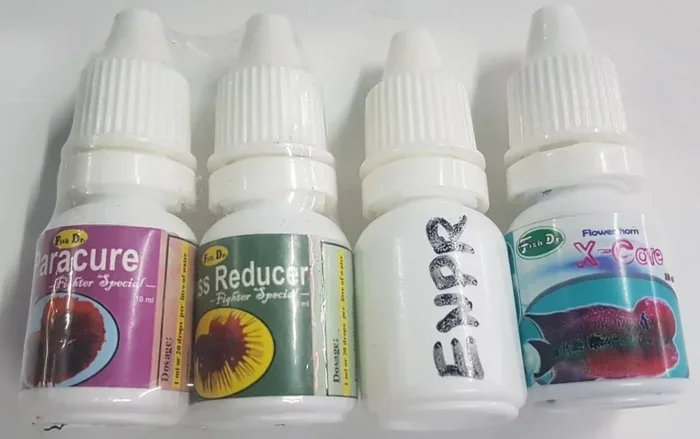
- API General Cure: Treats a broad range of parasitic and bacterial infections. This is often the go-to powder for unknown or mixed infections.
- API Super Ick Cure: Targets ich, also known as white spot disease. This is one of the most common diseases betta fish face.
- API Fin & Body Cure: Focuses on bacterial infections that cause fin rot, body slime, and tail damage.
- API Fungus Cure: Addresses fungal infections, which often appear as white cotton-like growths on the skin or fins.
Each of these powders works best when used correctly. Always read the label carefully before dosing. The instructions will tell you how much powder to use based on your tank size. Using too little may not clear the infection. Using too much can harm your fish or disrupt the beneficial bacteria in your tank.
Common Betta Fish Diseases and How API Powders Help
Betta fish are hardy creatures, but they are not immune to disease. Knowing what to look for helps you act fast. Here are the most common illnesses and how API medical powders can help treat them.
Ich (White Spot Disease)
Ich is caused by a tiny parasite that attaches to your fish’s skin and fins. It shows up as small white dots that look like grains of salt. Your betta may scratch against rocks or decorations to relieve the irritation. API Super Ick Cure is specifically formulated to kill the ich parasite at every stage of its life cycle. Treatment usually takes about a week. During this time, raise the water temperature slightly to speed up the parasite’s life cycle and make the medication more effective.
If you want more detailed guidance on treating ich specifically, check out our guide on how to treat ich on a betta fish.
Fin Rot and Tail Rot
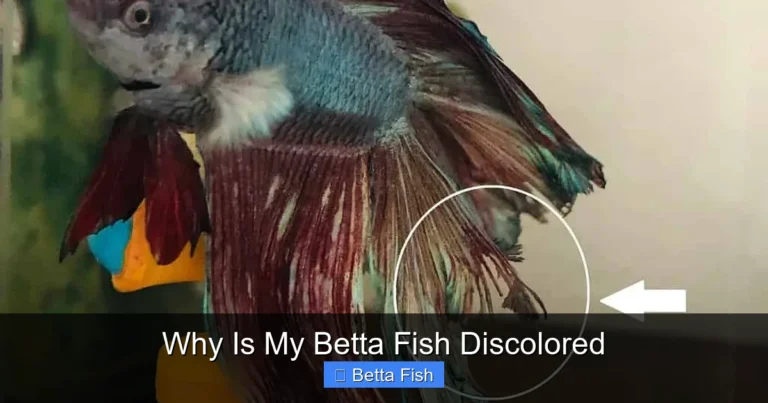
Fin rot is a bacterial infection that causes the fins to look ragged, torn, or discolored. The edges may turn white or dark. Over time, the rot can spread closer to the body. This condition often stems from poor water quality or stress. API Fin & Body Cure works well to stop the bacterial spread and promote fin regrowth. Keeping the water clean is equally important during treatment. For more on fin recovery, you can also read our article on how to regrow betta fish fins.
Fungal Infections
Fungal infections appear as white, fluffy patches on the skin or fins. They usually develop when a fish is already weakened by another illness or injury. API Fungus Cure targets the fungus directly and helps prevent it from spreading to healthy tissue. Fungal infections are less common than bacterial or parasitic ones, but they still require prompt attention.
Bacterial Infections and Dropsy
Bacterial infections can cause a range of symptoms including bloating, bulging eyes, and loss of color. In severe cases, dropsy may develop, which is characterized by pinecone-like scales. While API powders can help with early-stage bacterial issues, advanced cases like dropsy are harder to treat. If you suspect dropsy, check our guide on how to treat dropsy in betta fish for additional advice.
Step-by-Step Guide to Using API Medical Powders
Using API medical powders correctly makes a big difference in treatment success. Follow these steps carefully every time you medicate your tank.
Step 1: Remove Carbon from Your Filter
Before adding any medication, take out the activated carbon from your filter. Carbon absorbs chemicals, including the active ingredients in API powders. If you leave carbon in the tank, it will neutralize the medication and make it useless. You can replace the carbon after the full treatment course is complete.
Step 2: Measure Your Tank Water Volume
You need to know the exact water volume in your tank. This includes the water in the tank plus any space taken up by gravel, decorations, and equipment. Use a measuring cup or calculate based on your tank dimensions. Accurate measurement ensures you dose the powder correctly.
Step 3: Shake the Powder Well
Give the container a good shake before opening it. This ensures the powder is evenly mixed. API powders can settle during storage, so shaking prevents inconsistent dosing.
Step 4: Dose According to Instructions
Refer to the label for the correct dosage based on your tank size. Use the measuring scoop provided in the package. Sprinkle the powder evenly across the surface of the water. Stir gently to help it dissolve faster.
Step 5: Turn Off UV Sterilizers and Protein Skimmers
If you use a UV sterilizer or protein skimmer, turn them off during treatment. These devices can remove the medication from the water before it has a chance to work. Most API powders need 48 hours to fully treat the water column.
Step 6: Monitor Your Fish Closely
Watch your betta fish carefully during treatment. Look for signs of improvement such as increased appetite, restored color, and reduced scratching behavior. If your fish seems to be getting worse, consider whether the dosage or treatment duration needs adjustment.
Step 7: Perform a Water Change After Treatment
Once the treatment is complete, do a 25 to 50 percent water change. This removes any residual medication and refreshes the tank. Replace the carbon in your filter at this point as well. Resume normal feeding and maintenance routines.
Best Practices for Treating Your Betta Fish
Treating a sick betta fish is not just about adding powder to water. There are several best practices that improve outcomes and keep your fish comfortable during recovery.
Quarantine Sick Fish When Possible
If you have a quarantine tank, use it. Treating a sick fish in a separate tank prevents the medication from affecting beneficial bacteria in your main display tank. It also keeps other fish safe from the stress of medication. If you do not have a quarantine tank, you can still treat your betta in the main tank. Just be aware that the medication may impact your biological filter.
Maintain Stable Water Parameters
Clean water supports faster healing. During treatment, test your water parameters regularly. Keep ammonia and nitrite levels at zero. Nitrate should stay below 20 ppm. If these levels are off, do a small water change before dosing the medication. Poor water quality can reduce the effectiveness of API powders and stress your fish further.
Feed a Nutritious Diet
A strong immune system helps your betta fight off infections. Offer high-quality betta pellets or frozen bloodworms during treatment. Avoid overfeeding, as uneaten food can foul the water. A varied diet supports healing and helps your betta regain strength quickly.
Reduce Stress in the Tank
Stress weakens the immune system and slows recovery. Keep the tank in a quiet area of your home. Avoid sudden changes in lighting or temperature. If you have aggressive tank mates, consider separating your betta during treatment. A calm environment promotes faster healing.
Quick Tips for Using API Medical Powders
- Always read the label before dosing. Every API powder has slightly different instructions.
- Never mix different medications unless specifically advised to do so.
- Treat the full course even if symptoms improve early. Stopping too soon can cause a relapse.
- Keep the tank covered during treatment. Some powders can irritate the gills if inhaled in high concentrations.
- Wash your hands before and after handling medication.
Common Mistakes to Avoid When Treating Betta Fish
Even experienced fish keepers make mistakes when medicating their tanks. Here are the most common ones and how to avoid them.
- Skipping water tests before treatment: You need to know your water parameters to understand what is causing the illness in the first place. Treating symptoms without fixing the root cause leads to recurring problems.
- Using the wrong medication: Not all powders treat all diseases. Using a fungicide on a bacterial infection, for example, will not work. Identify the disease correctly before choosing a product.
- Overdosing the medication: More is not better. Excess medication can damage your betta’s organs and kill beneficial bacteria in your filter. Stick to the recommended dose.
- Forgetting to remove carbon: This is the number one mistake. Carbon will absorb the medication and render it ineffective. Always remove it before starting treatment.
- Not completing the full treatment: Symptoms may disappear after a few days, but the infection may still be present. Completing the full course ensures the disease is fully eradicated.
When to See a Vet Instead of Treating at Home
API medical powders work well for most common betta fish illnesses. However, there are times when professional help is the better choice. If your betta fish stops eating completely for more than three days, that is a red flag. Similarly, if the fish is gasping at the surface, lying on its side, or showing signs of severe bloating, a vet visit is warranted. Advanced cases of dropsy or severe body lesions often require prescription-strength medications that go beyond what over-the-counter powders can offer. Trust your instincts as a fish keeper. If something feels off and the treatment is not working, seek expert advice. Your betta fish deserves the best chance at recovery.
Preventing Diseases Before They Start
The best treatment is prevention. A healthy betta fish in a clean tank rarely gets sick. Here is how to keep your fish in top shape and reduce the need for API medical powders.
Keep the Water Clean
Perform regular water changes of 25 percent every week. Use a gravel vacuum to remove debris from the substrate. Test the water weekly for ammonia, nitrite, and nitrate. Clean water is the foundation of good fish health.
Maintain Stable Temperature
Betta fish thrive in water temperatures between 78 and 80 degrees Fahrenheit. Use a reliable heater and thermometer to keep the temperature steady. Sudden temperature drops can stress your fish and weaken its immune system.
Feed Quality Food in Moderation
Overfeeding is one of the leading causes of water quality problems. Feed your betta two to three pellets twice a day. Supplement with frozen or live food occasionally. Remove any uneaten food within five minutes of feeding.
Choose Tank Mates Carefully
Not all fish get along with bettas. Aggressive tank mates can cause injuries and chronic stress. If you are unsure about compatibility, check out our guide on are you supposed to put betta fish with other fish for helpful advice on safe tank companions.
Reduce Stress Factors
Keep the tank in a low-traffic area. Avoid tapping on the glass or shining bright lights directly into the tank. Provide hiding spots with plants and decorations. A stress-free betta is a healthy betta.
Final Thoughts on Using API Medical Powders
Treating your betta fish with API medical powders is straightforward once you understand the basics. Identify the disease correctly. Choose the right powder. Follow the dosage instructions carefully. Monitor your fish throughout the treatment process. And most importantly, focus on prevention to keep future illnesses at bay. With the right approach, your betta fish can recover quickly and live a long, happy life. Keep these powders in your aquarium first aid kit. You will be glad you did when the next health issue comes up.
Frequently Asked Questions
Can I use API medical powders in a bowl instead of a tank?
Yes, you can use API medical powders in a bowl. Just make sure you measure the water volume accurately. Bowls are typically smaller than tanks, so the dosage will be lower. Follow the instructions on the package and adjust for the actual water volume in the bowl.
How long does it take for API powders to work on betta fish?
Most treatments show visible improvement within 48 to 72 hours. However, you should complete the full course of treatment as directed on the label. Stopping early can allow the infection to return stronger than before.
Are API medical powders safe for betta fish?
Yes, API medical powders are safe when used as directed. They are formulated specifically for freshwater aquariums and are widely used by fish keepers around the world. The key is to follow the dosage instructions carefully and never exceed the recommended amount.
Can I combine multiple API powders for a mixed infection?
It is generally best to treat one condition at a time. Combining medications can create unwanted chemical reactions in the water. If you are unsure which disease your betta has, start with a broad-spectrum treatment like API General Cure and consult a vet if symptoms persist.
Do I need to turn off my filter during treatment?
You do not need to turn off the filter entirely. However, you should remove activated carbon from the filter before dosing. The filter will continue to circulate the water and help distribute the medication evenly throughout the tank.
What should I do if my betta fish does not improve after treatment?
If there is no improvement after completing the full treatment course, consider re-evaluating the diagnosis. The disease may require a different medication. At this point, consulting a veterinarian who specializes in fish health is the best next step.