How to Train Betta Fish to Jump Through Hoops
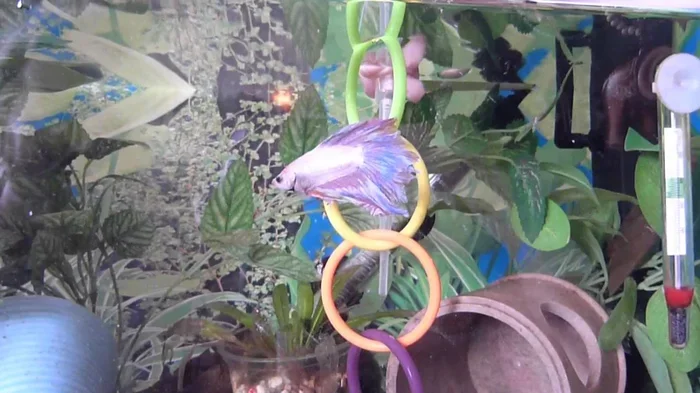
Training your betta fish to jump through hoops is a fun and rewarding activity that strengthens your bond with your fish. With patience, the right treats, and simple steps, most bettas can learn this impressive trick in just a few weeks. This guide covers everything you need to know, from preparing your fish to mastering the full jump routine.
Have you ever watched your betta fish swim around its tank and thought, “I wish I could teach that guy some cool tricks”? Well, good news. Training betta fish to jump through hoops is not only possible, it is also one of the most exciting tricks you can teach. Betta fish are smarter than most people give them credit for. With a little patience and the right approach, your colorful companion can learn to leap through a hoop on command.
This guide walks you through every step of the process. Whether you are a complete beginner or have trained fish before, you will find practical tips that actually work. We will cover everything from setting up the right environment to troubleshooting common problems. By the end, you will know exactly how to get your betta jumping with confidence.
Before you start, it helps to understand that betta fish training is all about building trust. Your fish needs to feel safe and comfortable before it will try anything new. Rushing the process can stress your betta out, which is the last thing you want. So let us take this nice and easy, one step at a time.
Key Takeaways
- Betta fish are intelligent: They can learn tricks like jumping through hoops with consistent training.
- Start with target training: Teach your betta to follow a stick before introducing the hoop.
- Use high-value treats: Bloodworms and brine shrimp work best to motivate your fish.
- Keep sessions short: 5 to 10 minutes per session prevents stress and keeps your betta engaged.
- Be patient: Every fish learns at a different pace. Celebrate small wins along the way.
- Safety first: Use smooth hoops and clean water to protect your betta during training.
📑 Table of Contents
- Why Train Your Betta Fish to Jump Through Hoops
- Can Betta Fish Actually Jump Through Hoops
- What You Need Before You Start Training
- Step-by-Step Guide to Training Your Betta
- Common Mistakes to Avoid
- Expert Tips for Faster Results
- How Long Does It Really Take
- Keeping Your Betta Safe During Training
- Conclusion
Why Train Your Betta Fish to Jump Through Hoops
Training is not just about showing off. It serves real purposes for your fish and your relationship with it. Here is why this trick is worth your time.
Mental Stimulation for Your Betta
Betta fish get bored easily. In the wild, they explore, hunt, and navigate complex environments. A tank can feel like a dull place by comparison. Teaching your betta fish to do tricks gives their brain a workout. Jumping through a hoop requires focus, coordination, and problem-solving. This kind of betta fish enrichment keeps your fish mentally sharp and reduces stress-related behaviors.
Strengthening the Bond Between You and Your Fish
When you train your betta, you spend quality time together. Your fish starts to recognize you as the provider of good things. Over time, many bettas become more responsive and interactive with their owners. Training betta fish creates a two-way communication channel that goes beyond simply feeding them.
Keeping Your Betta Active and Healthy
Jumping is a natural behavior for bettas. In their native habitats in Southeast Asia, they sometimes leap out of shallow waters to catch insects. Encouraging this behavior in a safe way provides betta fish exercise. A physically active betta is a healthier betta. It maintains muscle tone, supports digestion, and can even improve its color.
For more ideas on keeping your fish active, check out our guide on how to play games with your betta fish.
Can Betta Fish Actually Jump Through Hoops
The short answer is yes. Can betta fish jump through hoops? Absolutely. Many betta owners have successfully trained their fish to do this. However, it is important to understand that not every fish will take to it at the same speed. Some bettas catch on within a few days, while others need a couple of weeks.
It is also worth noting that bettas are natural jumpers. They have a special organ called the labyrinth that allows them to breathe air from the surface. This same anatomy gives them the explosive power needed to leap upward. That natural ability is exactly what makes hoop jumping possible.
If you are curious about the limits of betta training, you might enjoy reading about what other tricks betta fish can learn.
What You Need Before You Start Training
Preparation is the secret to success. Before your first training session, gather these items and set up your space properly.
Choosing the Right Hoop
You need a hoop that is safe for your betta. The material should be smooth with no sharp edges. Many owners use small plastic hoops or bend a thin wire into a circle and cover it with soft tubing. The hoop should be large enough that your betta can pass through comfortably without squeezing. A diameter of about 2 to 3 inches works well for most bettas.
High-Value Treats
Your betta needs a strong motivation to learn. Regular flakes are not exciting enough for training. Instead, use high-value treats like bloodworms, brine shrimp, or daphnia. These are foods your fish loves and will work hard to earn. You can also use frozen or live foods, which tend to be even more enticing.
A Clean, Calm Tank Environment
Training will not work if your betta is stressed. Make sure your tank water is clean and at the right temperature. Betta fish water care is essential before any training session. Test your water parameters, do a partial water change if needed, and ensure the temperature is between 78 and 80 degrees Fahrenheit. A calm fish learns faster.
A Target Stick
A target stick is a simple tool that helps guide your betta during training. You can make one with a wooden dowel and a small object like a colored bead or a piece of foam attached to the end. The stick helps you direct your fish toward the hoop without chasing it around the tank.
Step-by-Step Guide to Training Your Betta
Now for the fun part. Here is a proven method to train your betta fish to jump through hoops. Follow these steps in order and do not skip ahead.
Step 1: Build Trust With Target Training
Before introducing the hoop, teach your betta to follow the target stick. Hold the stick near the water surface and wait. When your betta looks at it or moves toward it, immediately reward it with a treat. Repeat this several times a day for a few days. Your goal is for your betta to associate the target stick with something good.
This step is the foundation of all trick training. Without it, your betta will not understand what you want it to do when you introduce the hoop. Be patient and consistent.
Step 2: Introduce the Hoop Slowly
Once your betta follows the target stick reliably, it is time to introduce the hoop. Start by simply placing the hoop in the water without any command. Let your betta investigate it on its own. If it swims through the hoop naturally, reward it immediately. Do not force anything at this stage.
Some bettas will swim through the hoop within the first session. Others may take several days just to get comfortable with the object. Both responses are completely normal.
Step 3: Add a Signal or Command
Once your betta is comfortable with the hoop, add a verbal cue or a hand signal. Say “jump” or tap the water gently just before guiding the fish through with the target stick. Over time, your betta will learn to associate the command with the action. Eventually, you can fade out the target stick and rely on the verbal command alone.
Step 4: Raise the Hoop Gradually
As your betta becomes more confident, you can start raising the hoop higher above the water surface. This is where the real magic happens. A betta that jumps through a hoop just below the water is impressive. A betta that leaps up and through a hoop floating at the surface is amazing.
Increase the height in small increments. If your betta seems hesitant or stressed, go back to the previous height and practice more. Never force a jump that seems too difficult.
Step 5: Practice and Reinforce
Consistency is key. Short daily practice sessions of 5 to 10 minutes work best. Always end on a positive note, even if that means going back to a step your betta has already mastered. Positive reinforcement training builds confidence and keeps your fish eager to participate.
Common Mistakes to Avoid
Even with the best intentions, mistakes can happen. Here are the most common ones and how to avoid them.
- Training sessions that are too long. Betta fish have short attention spans. More than 10 minutes and your fish will get frustrated or tired.
- Using the wrong treats. Flakes and pellets do not create enough excitement. Use special treats reserved only for training.
- Skipping the target training step. Jumping straight to the hoop confuses most bettas. Build the foundation first.
- Training when the fish is stressed or sick. A stressed betta fish cannot learn effectively. Wait until your fish is healthy and active.
- Moving the hoop too quickly. Gradual progression prevents fear and builds confidence.
For more tips on keeping your betta stress-free, read our article on how to treat a stressed betta fish.
Expert Tips for Faster Results
Want to speed up the training process? These expert-backed tips can help.
Train Before Feeding
Train your betta right before its regular feeding time. A slightly hungry fish is more motivated to work for treats. However, do not skip meals entirely. A hungry betta is a healthy betta, but an overly hungry one can become desperate and stressed.
Use the Same Time Every Day
Betta fish are creatures of habit. Training at the same time each day helps your fish anticipate and look forward to sessions. Many owners find that early evening works well, since bettas are often most active during this time.
Keep the Tank Quiet
Turn off loud music, close the windows, and minimize distractions. Your betta can hear vibrations through the water, and a quiet environment helps it focus on your commands.
Celebrate Small Wins
Did your betta even glance at the target stick? That is progress. Did it swim near the hoop? Give it a treat. Every small step forward is worth acknowledging. This positive energy keeps you motivated too.
How Long Does It Really Take
The honest answer is, it depends. Some bettas learn the full trick within two weeks. Others take a month or more. The timeline depends on several factors:
- The individual personality of your betta
- Your consistency with daily sessions
- The quality of treats you use
- The overall health and age of your fish
- How well you build trust during the process
Younger, more energetic bettas tend to learn faster. Older bettas can still learn, but they may need more time and encouragement. The most important thing is to enjoy the process. If you rush it, you risk undoing all the trust you have built.
Remember that teaching your betta fish to do tricks is not a race. It is a journey that deepens your connection with your fish. Even if your betta never masters the full hoop jump, the training itself provides valuable enrichment and bonding time.
For owners interested in more advanced training, you may also want to explore whether betta fish can be trained for other behaviors to expand your training repertoire.
Keeping Your Betta Safe During Training
Safety should always come first. Here are a few important safety tips to keep in mind.
- Always use a hoop with smooth, rounded edges to prevent injury.
- Never force your betta through the hoop if it resists.
- Keep the water quality high throughout the training period.
- Watch for signs of stress, including clamped fins, loss of color, or hiding.
- If your betta seems uninterested one day, skip the session and try again tomorrow.
A healthy, happy betta is a trainable betta. Prioritize your fish’s well-being above all else, and the training will follow naturally.
Conclusion
Training your betta fish to jump through hoops is one of the most rewarding experiences a fish owner can have. It challenges your betta mentally, keeps it physically active, and creates a deeper bond between you and your fish. With the right setup, patience, and consistent practice, your betta can learn this impressive trick.
Start with target training, introduce the hoop gradually, use high-value treats, and keep sessions short and positive. Avoid common mistakes and always prioritize your fish’s comfort and safety. Every betta learns differently, so celebrate every bit of progress along the way.
Whether you are a first-time fish owner or a seasoned betta enthusiast, hoop training adds a new dimension to your aquarium experience. Give it a try, and you might just be amazed at what your little fish can do.
Frequently Asked Questions
Can all betta fish learn to jump through hoops?
Most bettas can learn this trick with patience and consistent training. However, every fish has its own personality. Some are naturally more curious and eager to learn, while others may take longer or show less interest. Age, health, and temperament all play a role.
What is the best age to start training a betta fish?
Younger bettas tend to be more curious and adaptable, making them ideal candidates for training. That said, adult bettas can also learn new tricks. The key is to start slowly and keep sessions short regardless of your fish’s age.
How long should each training session last?
Keep sessions between 5 and 10 minutes. Betta fish have short attention spans, and longer sessions can lead to frustration or stress. Ending on a positive note helps your fish look forward to the next session.
What treats work best for betta fish training?
Bloodworms, brine shrimp, and daphnia are excellent choices. These are high in protein and most bettas find them irresistible. Use them exclusively for training so they retain their special appeal.
Is it safe for betta fish to jump out of the water?
Jumping is a natural behavior for bettas. However, you should always supervise training sessions and ensure the tank has a secure lid or cover. A betta that jumps unexpectedly could land outside the tank and injure itself.
Can I train my betta fish without a target stick?
Yes, you can use your finger or a small stick from around the house. The target stick simply makes it easier to guide your betta precisely. Any small, safe object that your fish can follow will work as a substitute.