How to Treat Betta Fish with Fin Rot
Fin rot is one of the most common betta fish diseases, but it is also highly treatable if caught early. This guide covers everything you need to know about how to treat betta fish with fin rot, from identifying symptoms and choosing the right treatment to preventing it from coming back. You will learn simple, effective steps to help your betta heal and thrive again.
Fin rot is a frustrating but very common problem for betta fish owners. If you have noticed your betta’s fins looking ragged, discolored, or slowly dissolving, you are likely dealing with this condition. The good news is that how to treat betta fish with fin rot is straightforward once you understand what is happening. This guide walks you through every step, from diagnosis to recovery and beyond.
Betta fish are hardy and resilient creatures. They can bounce back from fin rot quickly when you act fast and follow the right steps. Whether you are a beginner or a seasoned aquarist, this article gives you practical, easy-to-follow advice. You will learn what causes fin rot, how to spot it, and the best ways to treat and prevent it. Let us get your betta feeling better.
Key Takeaways
- Early detection is critical: Catching fin rot symptoms early makes treatment much easier and faster.
- Multiple treatment options work: Aquarium salt, medication, and natural remedies can all be effective.
- Water quality is the #1 factor: Poor water conditions are the leading cause of fin rot in betta fish.
- Fins can grow back: With proper care, betta fish fins often regrow after fin rot clears up.
- Prevention is simple: Regular tank cleaning and stable water parameters keep fin rot away.
- Know when to get help: Severe cases may need veterinary attention or stronger medication.
📑 Table of Contents
What Is Fin Rot in Betta Fish?
Fin rot is a bacterial or fungal infection that attacks the fins and tail of a betta fish. It causes the fins to slowly fray, decay, and sometimes fall off entirely. The condition starts at the edges of the fins and works its way inward if left untreated. In severe cases, fin rot can reach the body and become life-threatening.
Fin rot is not just a cosmetic issue. It is a sign that something in your betta’s environment is off. Whether it is poor water quality, stress, or an injury, the root cause needs to be addressed for treatment to work. Understanding fin rot causes is the first step toward a full recovery.
What Causes Fin Rot?
Several factors can trigger fin rot in betta fish. Here are the most common causes:
- Poor water quality: Dirty water with high ammonia or nitrite levels weakens your betta’s immune system.
- Overcrowded tank: Too many fish creates stress and spreads bacteria quickly.
- Injuries: Nipping from other fish or sharp decorations can open the door to infection.
- Cold water temperatures: Betta fish need warm water (76-82°F) to stay healthy. Cold water slows healing.
- Poor diet: A weak immune system makes bettas more vulnerable to bacterial infections.
- Old or contaminated food: Spoiled food introduces harmful bacteria into the tank.
Common Fin Rot Symptoms
Knowing what to look for helps you catch fin rot early. Watch for these signs:
- Fins turning white, red, or black at the edges
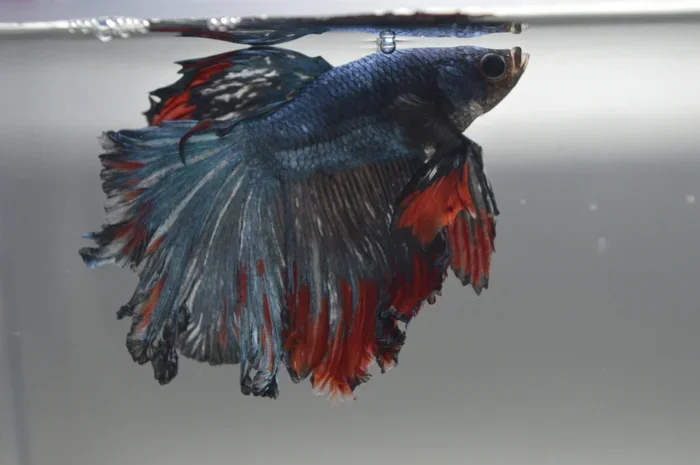
- Fins appearing ragged or frayed
- Fins slowly shrinking or dissolving
- Fin edges becoming fuzzy or slimy
- Betta staying near the bottom of the tank
- Loss of appetite or lethargy
- Clamped fins held close to the body
If you notice any of these fin rot symptoms, start treatment right away. The sooner you act, the better the outcome.
How to Diagnose Fin Rot in Your Betta
Diagnosing fin rot is not always simple because several conditions look similar. You need to rule out other problems before starting treatment. The best approach is to observe your fish closely and test your water parameters.
Fin Rot vs Other Fish Diseases
It is easy to confuse fin rot with other common betta fish conditions. Here is a quick comparison:
- Fin rot: Fins decay from the edges inward. The edges look ragged, white, or reddish. The fish may seem less active.
- Fin loss from injury: Fins are torn or bitten but do not show discoloration or decay at the edges.
- Fin rot vs fin loss: Injury-related fin loss does not worsen over time. Fin rot gets progressively worse without treatment.
- Ich (white spot disease): White spots appear on the body and fins, not just the edges.
- Dropsy: The fish’s body swells, and scales stand out like a pinecone. This is a different condition entirely.
If you are unsure whether your betta has fin rot or another illness, check the how to treat ich on a betta fish guide for comparison tips. Getting the right diagnosis ensures you use the correct treatment.
How to Treat Betta Fish with Fin Rot
Treating fin rot effectively depends on the severity of the infection. Mild cases often respond well to simple home remedies. Moderate to severe cases may require medication. Let us walk through the best treatment options step by step.
Step 1: Improve Water Quality Immediately
Before you add any medication, fix the water. Poor water quality is the #1 reason bettas develop fin rot. Here is what to do:
- Test your water: Use a liquid test kit to check ammonia, nitrite, nitrate, and pH levels. Ammonia and nitrite should be at 0 ppm.
- Do a 50% water change: Replace half the tank water with dechlorinated water at the same temperature.
- Vacuum the substrate: Remove debris and waste from the gravel or substrate at the bottom of the tank.
- Check your filter: Make sure your filter is working properly. Clean or replace filter media if needed.
- Maintain stable temperature: Keep the water between 76-82°F using a reliable aquarium heater.
Clean water alone can sometimes reverse mild fin rot. This is why betta fish tank cleaning should be a regular habit, not just a treatment step.
Step 2: Use Aquarium Salt Treatment
aquarium salt is one of the safest and most effective ways to treat mild fin rot. It helps heal fin tissue and fights mild bacterial infections. Here is how to use it:
- Use aquarium salt specifically made for fish tanks. Do not use table salt.
- Add 1 teaspoon of salt per gallon of water.
- Dissolve the salt in a cup of tank water before adding it to the tank.
- Leave the salt in the tank for 7-10 days.
- Do a 25% water change every 3 days without adding more salt.
aquarium salt treatment works well for early-stage fin rot. It is gentle enough for most bettas and does not harm beneficial bacteria in your filter.
Step 3: Try Medication for Moderate to Severe Cases
If the fin rot is more advanced, you may need stronger treatment. Over-the-counter medications can be very effective. Look for products that target bacterial infections specifically.
Common medications include:
- Melafix: A natural bacterial treatment made by API. It is gentle and safe for bettas.
- Aquarium Salt combined with Maracyn: This pair tackles both bacterial and fungal infections.
- Tetracycline-based medications: These are stronger antibiotics for serious cases. Learn how to use tetracycline for betta fish safely.
- Furan-2: A powerful antibacterial medication for severe fin rot.
Always follow the dosage instructions on the medication label. Overdosing can harm your betta. If you are unsure, start with the mildest option and escalate only if needed.
Step 4: Consider Natural Remedies
Some betta owners prefer natural approaches. These remedies can complement medication or work for very mild cases:
- Indian almond leaves: These release natural tannins that have mild antibacterial properties. They also lower pH slightly, which bettas often prefer.
- Betta-safe plants: Live plants like java moss or anubias help improve water quality naturally. They also reduce stress, which speeds up healing.
- Garlic supplement: Adding a tiny amount of garlic to your betta’s food can boost its appetite and immune response.
- Clean tank environment: A well-maintained tank with live plants is one of the best natural defenses against fin rot.
Natural remedies work best alongside good water care. They are not a replacement for proper treatment in moderate to severe cases.
How to Prevent Fin Rot from Coming Back
Once your betta recovers, your work is not done. Prevention is the key to keeping fin rot away for good. The good news is that prevention is simple and becomes part of your regular betta fish care routine.
Water Quality Management
Consistent water quality is the foundation of fin rot prevention. Follow these practices:
- Test water parameters at least once a week.
- Perform 25-50% water changes every week.
- Never let ammonia or nitrite levels rise above 0 ppm.
- Use a water conditioner to neutralize chlorine and chloramine from tap water.
- Keep the water temperature stable between 76-82°F.
Proper Tank Setup and Maintenance
Your tank setup plays a big role in preventing infections. Here is what to focus on:
- Tank size: Keep your betta in at least a 5-gallon tank. Smaller bowls are harder to maintain and more prone to bacterial buildup.
- Filter: Use a gentle sponge filter. Bettas do not like strong currents, but they still need filtration.
- Live plants: Plants like java fern and anubias improve water quality and provide hiding spots that reduce stress.
- Substrate cleaning: Vacuum the substrate during water changes to remove waste and leftover food.
- Avoid sharp decorations: Rough or sharp objects can injure fins and create entry points for bacteria.
Following a regular betta fish tank cleaning schedule makes a huge difference. A clean tank is a healthy tank.
Diet and Stress Reduction
A healthy betta fights off infections better. Keep these tips in mind:
- Feed high-quality betta pellets or frozen food. Avoid overfeeding.
- Remove uneaten food within 5 minutes of feeding.
- Keep your betta in a calm environment away from loud noises and vibrations.
- Do not house bettas with aggressive tank mates that may nip fins.
- Provide enrichment like betta-safe plants and gentle hiding spots.
Reducing stress is one of the most overlooked aspects of fin rot prevention. A relaxed betta heals faster and stays healthier.
Can Betta Fish Fins Grow Back After Fin Rot?
Yes! One of the most encouraging facts about fin rot is that betta fish fins can grow back. Once the infection is cleared, new fin tissue starts to regenerate. The regrowth process depends on the severity of the original damage.
For mild fin rot, fins often regrow within 2-4 weeks. For more severe cases, it can take 1-3 months for fins to fully restore. The new fins may look slightly different at first, but they usually return to their normal shape and color over time.
To support fin regrowth in betta fish, make sure you maintain excellent water quality, feed a nutritious diet, and keep stress levels low. You can also check the guide on do betta fish fins grow back after fin rot for more detailed information about the recovery timeline.
When to See a Vet for Fin Rot
Most fin rot cases can be treated at home. However, there are situations where professional help is necessary. Contact a vet or experienced fish health specialist if:
- The fin rot reaches the body (the base of the fins or the main body).
- Your betta stops eating entirely for more than 2 days.
- The condition worsens despite 5-7 days of treatment.
- Your betta shows signs of dropsy, such as a swollen body or pinecone-like scales.
- Multiple fish in the tank show signs of infection.
Do not wait too long before seeking help. Advanced fin rot that reaches the body becomes much harder to treat and can be fatal. Trust your instincts as a fish owner. If something feels wrong, it is always worth getting a professional opinion.
Common Mistakes to Avoid When Treating Fin Rot
Even experienced betta owners make mistakes when treating fin rot. Here are the most common ones to avoid:
- Skipping water changes: Medication alone will not work if the water stays dirty. Clean water is essential.
- Using too much medication: Overdosing can harm your betta’s organs and kill beneficial bacteria in the filter.
- Ignoring the root cause: Treating the symptoms without fixing the water quality or stress trigger will lead to repeat infections.
- Moving the betta to a bare bowl: While isolation tanks can help, a bare bowl with no filter or heater can slow recovery.
- Giving up too early: Fin rot treatment takes time. Stick with your plan for at least 7-10 days before trying something new.
Avoiding these mistakes will save you time, money, and most importantly, your betta’s health.
Final Thoughts
How to treat betta fish with fin rot comes down to three things: clean water, the right treatment, and patience. Most cases of fin rot are fully treatable, especially when you catch them early. Your betta fish can make a complete recovery and grow beautiful fins again with the right care.
Start by testing your water and doing a partial water change. From there, choose the treatment method that matches the severity of the infection. Whether you go with aquarium salt, medication, or a combination of approaches, consistency is key. Keep up with regular tank maintenance and water testing to prevent fin rot from ever coming back.
Remember, your betta depends on you for its health and happiness. Every small step you take toward better water quality and care makes a real difference. Your betta will thank you with vibrant colors and flowing fins once again.
Frequently Asked Questions
What is the fastest way to treat fin rot in betta fish?
The fastest approach is to improve water quality immediately, add aquarium salt at 1 teaspoon per gallon, and use a bacterial medication like Melafix for moderate cases. Combining clean water with targeted treatment usually shows improvement within 5-7 days.
Can fin rot kill a betta fish?
Yes, if left untreated, fin rot can spread to the body and become fatal. However, most cases are treatable when caught early. The key is to act quickly and maintain clean water throughout the treatment process.
How long does it take for betta fins to grow back after fin rot?
Mild fin rot regrowth takes about 2-4 weeks. Severe cases can take 1-3 months for fins to fully restore. Providing excellent water quality, a nutritious diet, and low-stress conditions supports faster regrowth.
Is aquarium salt safe for betta fish?
Yes, aquarium salt is safe for bettas when used at the correct dosage of 1 teaspoon per gallon. Do not use table salt or marine salt. Always dissolve the salt in tank water before adding it to the aquarium.
What causes fin rot in betta fish?
The main causes are poor water quality, cold temperatures, injuries, overcrowding, and stress. Bacteria and fungi that are always present in the tank take advantage of a weakened immune system and attack the fins.
Can I treat fin rot without medication?
Yes, mild fin rot can often be treated with water changes, aquarium salt, and improved tank maintenance alone. However, moderate to severe cases usually require medication to fully clear the infection and prevent it from spreading.