How to Treat Betta Fish with Api General Cure
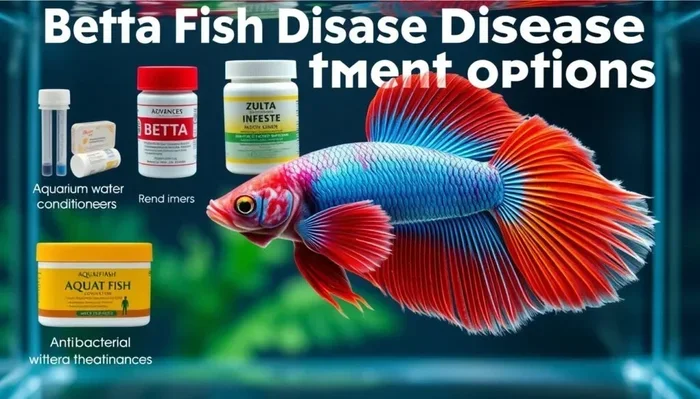
API General Cure is one of the most effective and trusted medications for treating common diseases in betta fish, including bacterial infections and internal parasites. This powerful fish disease treatment works quickly to restore your betta’s health when used correctly, making it a go-to choice for aquarists worldwide. In this guide, you will learn the proper API General Cure dosage, step-by-step treatment instructions, and essential tips to ensure your betta fish health recovers fully without harming your aquarium’s water conditions.
Key Takeaways
- Dose carefully: Always measure Api General Cure precisely to avoid harming your betta.
- Remove carbon first: Turn off carbon filtration before adding the medication to the tank.
- Isolate when possible: Treat your betta in a separate quarantine tank for best results.
- Watch closely: Monitor your betta daily for any adverse reactions during treatment.
- Complete the full course: Finish all six doses even if symptoms improve early.
- Change water between treatments: Perform partial water changes after each treatment round for safety.
📑 Table of Contents
What Is API General Cure?
If you have noticed your betta fish acting strange — flashing against rocks, clamped fins, or tiny white spots appearing — it is likely a parasitic infection. This is exactly where API General Cure comes in. It is one of the most trusted medications in the fish-keeping community, and for good reason.
API General Cure is a broad-spectrum antiparasitic medication designed for freshwater aquariums. It contains two active ingredients that work together to target a wide range of internal and external parasites. The formula is gentle enough for most fish, including bettas, yet powerful enough to tackle stubborn infections.
Many betta owners reach for this product when they see their fish scratching against objects or developing unusual behaviors. It works by disrupting the cellular function of parasites, effectively eliminating them without harming your fish. The medication dissolves into the water and gets absorbed through the fish’s skin and gills, making it very effective against both surface-level and deeper parasites.
Before diving into treatment, it is important to understand what this medication does and how it fits into your betta fish care routine. Knowing the basics helps you make informed decisions and gives your fish the best shot at a full recovery.
Key Ingredients in API General Cure
The two main ingredients in API General Cure are:
- Metronidazole — This targets internal parasites like protozoa and certain anaerobic organisms. It is especially effective against parasites that cause intestinal and digestive issues in betta fish.
- Praziquantel — This works against external parasites such as flukes, tapeworms, and certain crustacean parasites. It causes paralysis in the parasites, allowing your fish’s immune system to clear them out naturally.
Together, these ingredients create a powerful one-two punch against parasites. This combination is what makes API General Cure such a popular choice among betta fish owners dealing with mysterious illnesses.
How API General Cure Works on Betta Fish
Understanding how API General Cure works helps you appreciate why it is so effective. When you add the medication to your betta tank, the active ingredients disperse throughout the water column. Your betta absorbs these compounds through its gills and skin, targeting parasites both inside and on the body.
The medication specifically attacks the nervous systems of parasites. Praziquantel causes spastic paralysis in the parasite’s musculature, essentially immobilizing it. Meanwhile, Metronidazole disrupts the DNA synthesis of protozoan parasites, stopping them from reproducing and spreading further.
This dual-action approach is why how to treat betta fish with API General Cure is so highly recommended. You are not just treating one type of parasite — you are covering a wide range in a single dose. This saves time, reduces stress on your betta, and often delivers faster results compared to using multiple medications.
What Parasites Does It Target?
API General Cure is effective against several common parasites that affect betta fish:
- Fish lice (Argulus) — These small, flat crustaceans attach to the skin and feed on blood, causing irritation and stress.
- Anchor worms (Lernaea) — These parasitic worms burrow into the skin and can cause visible inflammation.
- Flukes (gastrointestinal and dermal) — Tiny flatworms that can affect the skin, gills, and internal organs.
- Protozoan parasites — Organisms like Trichodina and Chilodonella that cause slime coat damage and irritation.
- Tapeworms — Internal parasites that can cause weight loss and digestive problems in bettas.
Keep in mind that API General Cure does not treat bacterial or fungal infections. If your betta has fin rot or a fungal issue, you will need a different treatment approach. For those situations, you might want to check out how to cure fungus on betta fish for targeted guidance.
Step-by-Step Guide: How to Treat Betta Fish with API General Cure
Now let us get into the actual treatment process. Knowing exactly how to administer API General Cure properly can make a huge difference in your betta’s recovery. Follow these steps carefully for the best results.
Step 1: Prepare Your Tank
Before adding any medication, do a partial water change of about 25-30%. This removes some of the waste and toxins that could stress your betta during treatment. Make sure your tank water parameters are stable. API General Cure works best in clean, well-maintained water.
Remove any activated carbon filters, as carbon will absorb the medication and reduce its effectiveness. You can turn off or bypass the carbon filter for the duration of treatment. Keep mechanical and biological filtration running to maintain water quality.
Step 2: Quarantine If Possible
If you have a quarantine tank, move your betta there before treatment. This protects any other fish in your main tank from the medication and gives your betta a stress-free environment to heal. API General Cure can harm certain invertebrates like snails and shrimp, so removing them is a smart move.
Step 3: Dose the Medication
For a standard treatment, add API General Cure at a dosage of 5 ml per 10 gallons of water. Shake the bottle well before use. Pour the medication slowly near the filter output or a gentle water current to help distribute it evenly.
Here is a quick dosage reference:
| Tank Size | Medication Amount |
|---|---|
| 5 gallons | 2.5 ml |
| 10 gallons | 5 ml |
| 20 gallons | 10 ml |
| 30 gallons | 15 ml |
Step 3: Repeat Treatment as Needed
For most parasitic infections, a single dose is sufficient. However, stubborn infections may require a second dose after 7 days. Wait the full 7 days before re-dosing, as the medication needs time to eliminate newly hatched parasites. Monitor your betta closely between doses for any worsening symptoms.
Step 4: Monitor Your Betta During Treatment
Watch for positive signs like increased activity, improved appetite, and less scratching behavior. Some temporary worsening is normal in the first 24-48 hours as the parasites die off. If your betta shows severe distress, consider doing a partial water change to dilute the medication slightly.
Step 5: Post-Treatment Care
After completing the treatment cycle, do a 25-30% water change to remove any remaining medication. Replace carbon filters and resume normal filtration. Offer high-quality food to help your betta regain strength and weight. A clean, stable environment supports faster betta fish recovery from parasitic infections.
Common Betta Fish Diseases API General Cure Can Treat
One of the biggest advantages of API General Cure is its versatility. It addresses several common health issues that betta fish face. Here are the conditions where this medication shines.
External Parasite Infections
Bettas kept in outdoor ponds or tanks with poor water quality often pick up external parasites. Fish lice and anchor worms are particularly common. These parasites cause visible irritation, and your betta may rub against objects constantly. API General Cure eliminates these pests effectively in most cases.
Gastrointestinal Parasites
Internal parasites like tapeworms and intestinal protozoa can cause weight loss, bloating, and irregular bowel movements in betta fish. Metronidazole in the formula targets these internal invaders. If you notice your betta’s waste looking unusual or its belly appearing bloated, a parasitic infection might be the cause. You can learn more about bloating in bettas by reading about how to treat bloated betta fish for related care tips.
Skin and Gill Flukes
Flukes are tiny flatworms that attach to the skin or gills. They damage the slime coat, making your betta vulnerable to secondary infections. Symptoms include excessive mucus, rapid breathing, and clamped fins. API General Cure addresses flukes effectively, especially when caught early.
Velvet Disease (Oödinium)
Although not always the first-line treatment, API General Cure can help with early-stage velvet. This parasite appears as a fine gold or dust-like coating on the skin. Your betta may show clamped fins, rubbing, and breathing difficulties. For more severe velvet cases, raising the tank temperature slightly can complement the medication’s effects.
Precautions and Side Effects to Watch For
While API General Cure is generally safe for betta fish, it is important to be aware of potential concerns. Taking precautions ensures your betta stays safe throughout the treatment process.
Potential Side Effects
Some bettas may experience mild side effects during treatment. These can include:
- Temporary lethargy — Your fish may seem less active for the first day or two. This is a normal response as the parasites die off.
- Reduced appetite — It is common for bettas to eat less during medication. Do not force-feed; offer small amounts of preferred food.
- Increased mucus production — Some fish produce more slime coat when reacting to medication. This usually resolves within 48 hours.
Important Safety Tips
- Never use API General Cure in tanks with invertebrates like snails, shrimp, or crayfish. The medication is harmful to them.
- Remove activated carbon from filters before treatment, as it absorbs the medication.
- Do not overdose. More medication does not mean faster treatment. Stick to the recommended dosage strictly.
- If your betta has a pre-existing condition like swim bladder disease, monitor closely. You can read more about managing this condition by checking how to cure swim bladder in betta fish for additional care advice.
- Always test your water parameters before starting treatment. Poor water quality can reduce the medication’s effectiveness and stress your fish.
When Not to Use API General Cure
Avoid using this medication if your betta’s issues are clearly bacterial or fungal. API General Cure does not treat bacterial infections like Aeromonas or fungal problems like Saprolegnia. Using the wrong treatment wastes time and can delay proper care. In those cases, seek a targeted medication for the specific condition.
Tips for Maximizing Your Betta’s Recovery
Treating your betta is only half the battle. Supporting recovery through proper care makes a significant difference. Here are practical tips to help your betta bounce back faster after using API General Cure.
Maintain Excellent Water Quality
Clean water is the foundation of betta health. After treatment, keep up with regular water changes of 20-30% weekly. Test for ammonia, nitrite, and nitrate levels regularly. Ideally, ammonia and nitrite should be at 0 ppm, and nitrate should stay below 20 ppm. Good water quality prevents reinfection and supports overall betta fish health.
Offer Nutritious Food
High-quality nutrition fuels recovery. Feed your betta a varied diet including premium pellets, frozen or live brine shrimp, and bloodworms. Soak dry food before feeding to prevent constipation, which can mimic or worsen parasitic symptoms. A well-fed betta has a stronger immune system to fight off remaining parasites.
Reduce Stress
Stress weakens the immune system and slows recovery. Keep the tank in a quiet area away from loud noises and heavy foot traffic. Maintain a consistent day-night cycle with 8-12 hours of light per day. Adding hiding spots like plants or caves gives your betta a sense of security during recovery.
Observe Daily
Spend a few minutes each day watching your betta’s behavior. Look for improvements in swimming patterns, appetite, and color. Early detection of any setback allows you to adjust treatment quickly. Keeping a simple log of observations helps track progress over time.
Consider a Second Dose If Needed
If symptoms persist after 7 days, a second dose is often warranted. Parasites like eggs may survive the first treatment and hatch later. A follow-up dose 7 days after the first catches these newly emerged parasites. However, if your betta shows no improvement after two doses, consider consulting a fish veterinarian or trying alternative treatments like how to cure betta fish diseases for broader approaches.
Key Takeaways
How to treat betta fish with API General Cure is a straightforward process when you follow the right steps. This broad-spectrum antiparasitic medication offers a reliable solution for many common betta fish health issues. Here is a quick recap of everything we covered:
- API General Cure contains Metronidazole and Praziquantel, targeting both internal and external parasites effectively.
- Always prepare your tank properly before treatment — remove carbon filters, adjust dosing, and consider quarantining your betta.
- Follow the recommended dosage of 5 ml per 10 gallons, and do not overdose.
- Monitor your betta closely during treatment and be aware of mild side effects like temporary lethargy.
- Post-treatment care including clean water, quality food, and stress reduction is essential for full recovery.
- A second dose after 7 days may be needed for stubborn infections.
Treating your betta fish is a journey that requires patience and attention. API General Cure gives you a powerful tool to fight parasitic infections, but your care and observation are what truly make the difference. With the right approach, your betta can return to its vibrant, active self in no time. Stay consistent, stay observant, and your betta will thank you for it.
Frequently Asked Questions
How to Use API General Cure for Betta Fish?
To use API General Cure, remove the filter carbon and dose one packet per 10 gallons of aquarium water. Repeat the treatment after 48 hours for a total of two doses. This approach effectively addresses common parasites and helps your betta recover quickly.
How Long Should You Treat Betta Fish with API General Cure?
The full treatment course lasts 7 to 10 days, with two doses spaced 48 hours apart. Continue treatment even if symptoms improve before the cycle ends. Stopping early can cause the infection to return and make it harder to treat next time.
Can API General Cure Harm Betta Fish?
API General Cure is generally safe for betta fish when used at the correct dosage. However, sensitive species like bettas can experience stress if overdosed, so always measure carefully. Removing carbon from the filter during treatment also helps prevent the medication from being filtered out too quickly.
What Diseases Does API General Cure Treat in Betta Fish?
API General Cure targets external parasites such as ich, velvet, flukes, and external worms that commonly affect bettas. It works by disrupting the parasites’ ability to feed and reproduce. This broad-spectrum medication makes it a go-to choice for treating multiple infections at once.
How Much API General Cure Should I Dose Per Gallon for My Betta Tank?
Each packet treats 10 gallons of water, so you need to calculate based on your tank size. For smaller betta tanks under 10 gallons, use a partial packet and measure carefully. Always dissolve the powder in a cup of tank water before adding it to the aquarium for even distribution.
Can You Use API General Cure with Other Medications for Betta Fish?
It is best to avoid combining API General Cure with other medications unless directed by a veterinarian. Mixing treatments can reduce effectiveness or create harmful chemical reactions in the water. If your betta needs additional treatment, wait until the current course is complete before starting another.