How to Treat a Betta Fish with Clamped Fins
Clamped fins in betta fish are a warning sign that something is wrong. This guide covers the top causes, effective treatments, and simple prevention tips to help your betta recover fast. You will learn how to spot clamped fins early, treat the underlying issue, and keep your fish healthy and happy.
Your betta fish is a beautiful, vibrant creature. But one day you notice something off. His fins are tight against his body. They are not flowing like they should. This is called clamped fins, and it is a common sign that your betta is not feeling well. If you have ever seen your betta with clamped fins, you know how worrying it can be. The good news is that you can fix this. With the right approach, your fish can recover fully. This guide will walk you through everything you need to know about treating clamped fins in betta fish. From causes to treatments to prevention, we have you covered.
Betta fish clamped fins is a symptom, not a disease itself. It means your fish is reacting to something in its environment or body. The fins pull close to the body and stay stiff. Think of it as your betta’s way of telling you, “Something is wrong.” The key is catching it early. Most causes are easy to fix if you act fast. Let us dive into what makes your betta’s fins clamp up in the first place.
Key Takeaways
- Clamped fins signal stress or illness: This is one of the most common early symptoms of poor water quality, disease, or temperature issues.
- Quick action leads to faster recovery: The sooner you identify and treat the cause, the better your betta’s chances of full recovery.
- Water quality is the #1 factor: Regular water changes and proper parameters prevent most fin problems.
- Salt baths and medication work well: Simple home treatments can resolve mild cases without a vet visit.
- Prevention is easier than treatment: Maintaining a clean tank and stable environment keeps clamped fins from coming back.
📑 Table of Contents
What Are Clamped Fins in Betta Fish?
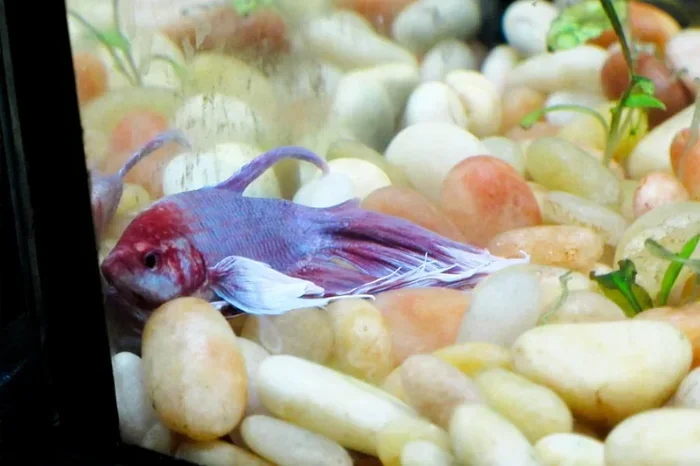
Clamped fins mean your betta holds his fins pressed tightly against his body. Normal betta fins should be wide, flowing, and colorful. When fins are clamped, they stay closed and stiff. Your fish may look like he is hugging himself. This is not normal behavior. It is a clear sign of discomfort or illness.
Many new fish owners mistake clamped fins for laziness. But your betta is not just being lazy. He is trying to protect himself. Fins are sensitive. When something is wrong, the body tenses up. The muscles around the fin joints tighten. This makes the fins fold close to the body. It is a defense mechanism. Think of it like you pulling your hand away from something hot.
Betta fish fins clamped can happen in one fin or all fins. Sometimes the pectoral fins clamp first. Other times, the dorsal and tail fins fold in. The severity varies. Mild cases involve slightly tighter fins. Severe cases mean the fins are pressed flat against the body the entire time. Either way, you should take it seriously.
How to Spot Clamped Fins
Watch your betta closely. Look for these signs:
- Fins held close to the body instead of spreading out
- Fins that do not move much while swimming
- Stiff, rigid fin edges
- Reluctance to swim or explore
- Hiding more than usual
- Loss of appetite
If you see two or more of these signs, your betta likely has clamped fins. Check the water parameters right away. Early detection makes treatment much easier.
Common Causes of Clamped Fins in Betta Fish
Understanding the cause is the first step to treating clamped fins. There are several reasons your betta’s fins may clamp up. Let us look at the most common ones.
Poor Water Quality
This is the number one cause of clamped fins. Betta fish are sensitive to dirty water. Ammonia and nitrite build up fast in small tanks. Even a few parts per million can stress your fish out. When the water is bad, your betta’s fins react. They clamp up as a stress response.
Overfeeding, lack of water changes, and overcrowding all contribute to poor water quality. If your tank has not been cleaned in a while, this is likely the culprit. Taking care of betta fish water should be your first priority. Test your water regularly. Keep ammonia and nitrite at zero.
Temperature Problems
Betta fish need warm water. The ideal range is between 78 and 80 degrees Fahrenheit. If the water is too cold, your betta’s body slows down. His fins will clamp up. Cold water also weakens the immune system. This makes your fish more vulnerable to disease.
On the other hand, water that is too hot can also cause stress. Temperature swings are just as bad. Keep the temperature stable. Use a reliable heater and thermometer. Keeping your betta warm without a heater is possible but requires careful monitoring.
Stress
Stress causes clamped fins more than anything else. Betta fish get stressed for many reasons. Bright lights, loud noises, and aggressive tankmates all play a role. Even moving your betta to a new tank can trigger stress clamping.
Some bettas are more sensitive than others. A change in routine can unsettle them. If you recently added a new decoration or moved the tank, your betta might be reacting. Treating a stressed betta fish should be your focus in these cases. Give him a quiet, calm environment and watch for improvement.
Disease and Infections
Several diseases cause clamped fins as an early symptom. Fin rot is one of the most common. It eats away at the fin edges. Your betta’s fins may look ragged or discolored. Bacterial infections can also cause fin clamping. These often show up after an injury or stress event.
Ich is another disease linked to clamped fins. Ich shows up as white spots on the body and fins. Your betta may scratch against objects in the tank. Treating ich on a betta fish requires quick action and proper medication.
Swim Bladder Issues
The swim bladder controls your betta’s balance and buoyancy. When it is not working right, your fish may hold his fins tight. Swim bladder problems often come from overfeeding or constipation. Your betta may float sideways or struggle to stay upright.
Curing a betta fish with swim bladder issues involves diet changes and fasting. This can also relieve the clamped fin symptom if the swim bladder is the root cause.
How to Treat Clamped Fins in Betta Fish
Now that you know the causes, let us talk about treatment. The right approach depends on what is causing the clamped fins. Here are the most effective methods.
Step 1: Test and Fix the Water
Before you do anything else, test your water. Use a liquid test kit. Check ammonia, nitrite, nitrate, and pH. If any of these are off, do a water change immediately. A 50 percent water change is a great starting point.
Use dechlorinated water at the right temperature. Match the new water to the tank temperature. Sudden temperature drops can make clamped fins worse. Taking care of betta fish water properly prevents most water quality issues.
After the water change, test again in 24 hours. Keep ammonia and nitrite at zero. Nitrate should be below 20 parts per million. Clean water alone can fix mild clamped fins within a few days.
Step 2: Raise the Temperature Slightly
Warm water helps your betta fight off infection. Raise the temperature by one or two degrees. Do not go above 82 degrees. A slight increase boosts the immune system. It also helps your betta move more comfortably.
Use a heater with a thermostat. This keeps the temperature steady. Avoid sudden temperature changes. Gradual warming is the key to success.
Step 3: Add Aquarium Salt
aquarium salt is a gentle and effective treatment. It helps reduce stress and promotes fin healing. Use aquarium salt made for fish tanks. Do not use table salt. It contains additives that harm fish.
Add one teaspoon of salt per gallon of water. Mix it in a cup of tank water first. Then pour it into the tank slowly. Leave the salt in the water for about 10 days. Do a 50 percent water change before adding more salt.
Giving your betta a salt bath is another option for mild cases. A salt bath is a short, concentrated treatment. It works well for early-stage clamped fins. Many betta owners see improvement within a few days.
Step 4: Medication if Needed
If water changes and salt baths do not help, your betta may need medication. Fin rot and bacterial infections respond well to aquarium antibiotics. Look for medications that treat gram-negative bacteria. Maracyn and Tetracycline are popular choices.
Follow the dosage instructions carefully. Overmedicating can harm your betta more than the disease. If you are not sure what to use, consult a fish veterinarian. Betta fish treatment should always be targeted at the specific cause.
Step 5: Reduce Stress
Stress relief is a big part of recovery. Move your betta’s tank to a quiet area. Avoid tapping on the glass. Keep the lights dim for a few days. Give your fish plenty of hiding spots. Live plants work great for this.
Do not handle your betta more than necessary. Some bettas do not like being near the tank wall. If your fish is stressed by too much activity, give him space. Treating a stressed betta fish often resolves clamped fins on its own within a week.
Preventing Clamped Fins in the Future
Prevention is always better than treatment. Once your betta’s fins are back to normal, keep them that way. Here is how to prevent clamped fins from coming back.
Maintain Clean Water
Do regular water changes every week. A 25 to 30 percent change works well for most betta tanks. Use a gravel vacuum to remove waste from the substrate. Clean the filter media gently in old tank water. Never use tap water directly on the filter. The chlorine will kill beneficial bacteria.
Test your water at least once a week. A simple test kit takes just a few minutes. Catching water quality problems early stops clamped fins before they start.
Keep the Temperature Stable
Use a quality heater with a built-in thermostat. Place the thermometer where you can easily read it. Avoid putting the tank near windows or vents. Temperature swings stress your betta out. A stable environment keeps your fish healthy.
Feed Properly
Overfeeding causes many health problems. Feed your betta two to three pellets twice a day. Skip one feeding day per week. This helps prevent constipation and swim bladder issues. Feeding your betta the right number of times per day makes a big difference.
Variety is also important. Betta pellets are great. But you can also offer frozen or live foods like brine shrimp and bloodworms. These boost the immune system and keep your betta active.
Provide a Healthy Environment
Your betta’s tank should be at least 5 gallons. Bigger is always better. Add live plants to improve water quality and reduce stress. Avoid sharp decorations that can tear fins. Keep the tank in a quiet spot away from loud noises and direct sunlight.
If you keep other fish with your betta, choose peaceful species. Avoid fin-nippers like tiger barbs. A calm tank community supports healthy fins and overall well-being.
When to See a Vet
Most cases of clamped fins resolve with home treatment. But some situations need professional help. Contact a fish veterinarian if:
- Your betta’s fins start falling off or rotting away
- Your fish stops eating for more than three days
- The clamped fins do not improve after a week of treatment
- Your betta shows signs of severe infection like open sores
- Multiple fish in the tank show the same symptoms
A vet can run tests and prescribe stronger medication. Do not wait too long. Early intervention saves lives. Betta fish health depends on your willingness to act quickly.
Common Mistakes to Avoid
Even well-meaning owners make mistakes when treating clamped fins. Here are the ones to avoid:
- Using table salt instead of aquarium salt: Table salt contains iodine and anti-caking agents. These harm fish.
- Doing huge water changes: A 50 percent change is good. A 90 percent change can shock your betta and make things worse.
- Overmedicating: More medicine is not better. Follow dosage instructions exactly.
- Ignoring water parameters: Treating symptoms without fixing the water is like putting a bandage on a broken bone.
- Waiting too long to act: Clamped fins get worse fast. The sooner you start treatment, the better the outcome.
Quick Tips for Treating Clamped Fins
Here is a quick recap of the best tips:
- Test your water and do an immediate water change if parameters are off
- Raise the temperature by 1 to 2 degrees
- Add aquarium salt at one teaspoon per gallon
- Feed a high-quality diet and avoid overfeeding
- Reduce stress with a quiet, dim environment
- Monitor your betta daily for improvement
- Use medication only if home treatments do not work
Following these steps gives your betta the best chance of a full recovery. Most fish show improvement within 3 to 7 days. Be patient and consistent. Your betta will thank you with beautiful, flowing fins.
Final Thoughts
Betta fish clamped fins is a treatable condition. You do not need to panic. Start with the basics. Clean the water. Check the temperature. Reduce stress. These simple steps fix most cases. If the problem persists, move to salt baths and medication. Always watch your fish closely during treatment. Recovery takes time. But with patience and care, your betta will be back to his happy, healthy self. Keep his tank clean, his water warm, and his stress low. That is the best way to prevent clamped fins from ever coming back.
Frequently Asked Questions
What causes clamped fins in betta fish?
Clamped fins are caused by poor water quality, stress, temperature issues, disease, or swim bladder problems. The most common cause is dirty water with high ammonia or nitrite levels. Testing your water is the first step to finding the cause.
How long does it take for clamped fins to heal?
Mild cases often improve within 3 to 5 days of treatment. More severe cases may take 1 to 2 weeks. Recovery depends on the cause and how quickly you start treatment. Consistent care and clean water speed up healing.
Can clamped fins be a sign of fin rot?
Yes, clamped fins are one of the early signs of fin rot. If your betta’s fins look ragged, discolored, or are melting away, fin rot may be the cause. Treating fin rot requires antibiotics and improved water quality.
Is aquarium salt safe for betta fish?
Yes, aquarium salt is safe for betta fish when used correctly. Use one teaspoon per gallon and avoid table salt. Do not use salt in tanks with live plants, as it can harm them. Always dissolve the salt before adding it to the tank.
Should I separate my betta if his fins are clamped?
It depends on the tank setup. If your betta is in a community tank, separating him can reduce stress and prevent aggression from other fish. A quarantine tank also makes it easier to monitor treatment. However, if your betta is alone in a 5-gallon tank, focus on fixing the water and environment first.
Can clamped fins go away on their own?
Mild clamped fins caused by temporary stress may resolve on their own. But if the cause is not addressed, the condition will get worse. Always take action when you notice clamped fins. Early treatment prevents complications and keeps your betta healthy.
=== CONCLUSION ===
Treating clamped fins in betta fish is straightforward when you know what to do. Start with clean water and a stable temperature. Add aquarium salt for mild cases. Use medication for infections. Reduce stress and feed a proper diet. These steps work together to heal your betta and prevent future problems. Your betta fish depends on you for a healthy home. With the care tips in this guide, you are well equipped to help your fish recover and thrive. Take action today, and your betta will reward you with beautiful, flowing fins for years to come.