Is a Betta Fish a Vertebrate or Invertebrate
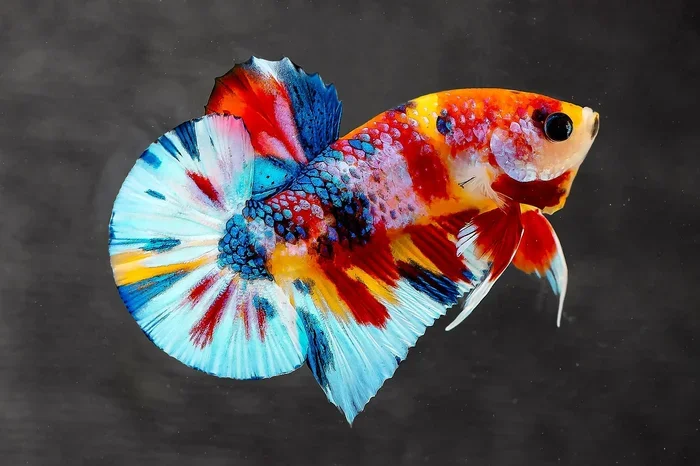
Yes, a betta fish is a vertebrate. Betta fish have a backbone, a spine, and an internal skeleton, which places them firmly in the vertebrate group. Understanding whether a betta fish is a vertebrate or invertebrate helps fish owners care for them better. In this guide, we explore betta fish anatomy, classification, and key biological traits that set them apart from invertebrates.
Have you ever wondered is a betta fish a vertebrate or invertebrate? It is a simple question, but the answer opens up a fascinating world of fish biology. If you own a betta or are thinking about getting one, understanding what kind of animal your betta is helps you care for it better. In this article, we will answer this question in detail and explore what makes betta fish unique in the animal kingdom.
Betta fish are vertebrates. They have a backbone, a spinal column, and an internal skeleton made of bone. These traits place them in the vertebrate group, which includes all fish, mammals, birds, reptiles, and amphibians. Invertebrates, on the other hand, are creatures like jellyfish, shrimp, and worms that lack a backbone. The difference is clear and important for anyone who keeps fish.
In this guide, we will break down the science in simple terms. You will learn about betta fish anatomy, how they are classified, and what makes them different from invertebrates. Whether you are a new fish owner or a curious hobbyist, this article has everything you need. Let us dive right in.
Key Takeaways
- Betta fish are vertebrates: They have a backbone and an internal skeleton, just like all fish.
- They belong to the animal kingdom: Betta fish are classified as aquatic vertebrates in the phylum Chordata.
- They share traits with other fish: Betta fish have gills, fins, and scales like most fish species.
- They have unique features: The labyrinth organ allows bettas to breathe air, setting them apart from many other fish.
- Knowing their classification helps with care: Understanding betta fish biology leads to better tank setup and healthier fish.
- Invertebrates are different: Creatures like jellyfish and shrimp lack backbones, unlike betta fish.
- Betta fish are tropical: They thrive in warm water and need proper temperature control in their tank.
📑 Table of Contents
What Is a Vertebrate?
A vertebrate is an animal that has a backbone. The backbone, also called a spinal column, is made up of small bones called vertebrae. These bones protect the spinal cord and give the body structure and support. Vertebrates also have an internal skeleton, which is called an endoskeleton.
Here are some key features of vertebrates:
- Backbone or spinal column: A central structure made of bone or cartilage.
- Internal skeleton: Bones or cartilage inside the body that provide support.
- Well-developed nervous system: A brain and spinal cord for processing information.
- Closed circulatory system: Blood flows through vessels, not open spaces.
- Bilateral symmetry: The body can be divided into two equal halves.
Fish are one of the oldest groups of vertebrates on Earth. They were among the first animals to develop backbones, millions of years ago. Betta fish belong to this ancient and successful group. Their vertebrate status means they share basic body plans with other fish, as well as with humans and other mammals.
How Vertebrates Differ from Invertebrates
The main difference between vertebrates and invertebrates is the backbone. Invertebrates do not have a spine or an internal skeleton. Instead, many of them have an exoskeleton, which is a hard outer shell. Think of crabs, insects, and snails. These creatures rely on their outer shell for protection and structure.
Vertebrates tend to be larger and more complex than most invertebrates. They also have more advanced nervous systems, which allow them to move, respond to their environment, and perform complex behaviors. Betta fish, for example, can recognize their owners, respond to feeding times, and even build bubble nests, which shows a level of complexity that comes from their vertebrate biology.
Is a Betta Fish a Vertebrate or Invertebrate: The Answer
The answer is clear. A betta fish is a vertebrate. It has a fully developed backbone, an internal skeleton, and all the other features that define vertebrates. Betta fish belong to the kingdom Animalia, the phylum Chordata, and the class Actinopterygii, which includes all ray-finned fish.
Here is a simple breakdown of the betta fish classification:
- Kingdom: Animalia (animals)
- Phylum: Chordata (animals with a notochord)
- Class: Actinopterygii (ray-finned fish)
- Order: Anabantiformes (gouramis and related fish)
- Family: Osphronemidae (gourami family)
- Genus: Betta
- Species: Betta splendens (the common betta)
Every step in this classification confirms that betta fish are vertebrates. They are not invertebrates, insects, or any other type of creature. They are fish, and all fish are vertebrates. This classification is not just a scientific formality. It tells us a lot about how betta fish grow, breathe, move, and behave.
Understanding this classification also helps you see why betta fish care matters. Vertebrates have specific needs that invertebrates do not. For example, betta fish need clean water, proper temperature, and a well-maintained tank. You can learn more about how long a betta fish life span is when their needs are properly met, which is a direct result of understanding their biology as vertebrates.
Betta Fish Anatomy: What Makes Them Vertebrates
Now that we know is a betta fish a vertebrate or invertebrate, let us look at the anatomy that proves it. Betta fish have many physical features that are typical of vertebrates. These features work together to keep the fish alive, healthy, and active in its environment.
The Backbone and Spine
Like all vertebrates, betta fish have a spine made up of many small bones called vertebrae. The spine runs from the head to the tail and provides the main structural support for the body. It also protects the delicate spinal cord, which carries signals between the brain and the rest of the body.
You can sometimes see the spine of a betta fish through its scales, especially if the fish is very thin. A healthy betta should have a straight, smooth spine. If you notice a curved or bent spine, it could be a sign of a health problem. This is one reason why knowing your fish well matters.
The Internal Skeleton
Betta fish have an internal skeleton made of bone, not cartilage. This bony skeleton gives the fish its shape and supports its muscles. The skull protects the brain, and the ribs protect the internal organs. This is very different from invertebrates, which either have no skeleton or an external one.
The internal skeleton also allows betta fish to move in a graceful and controlled way. Muscles attach to the bones and pull them, creating the smooth swimming motion that bettas are known for. This level of movement and control is a hallmark of vertebrate design.
The Labyrinth Organ
One of the most fascinating features of betta fish is the labyrinth organ. This special organ allows bettas to breathe air directly from the surface of the water. Most fish rely only on their gills to extract oxygen from water. But bettas can supplement their gill breathing with air breathing, thanks to the labyrinth organ.
This organ is unique to anabantoid fish, which includes bettas and gouramis. It is not found in invertebrates or in most other types of fish. The labyrinth organ is a great example of how vertebrate fish have evolved specialized features to survive in different environments.
How Betta Fish Compare to Invertebrates
To truly understand is a betta fish a vertebrate or invertebrate, it helps to compare the two groups side by side. The differences are striking and easy to understand once you know what to look for.
Physical Differences
Vertebrates like betta fish have an internal skeleton, a backbone, and a well-developed brain. Invertebrates lack these features. Instead, many invertebrates have an exoskeleton, which is a hard outer covering. Here is a quick comparison:
| Feature | Betta Fish (Vertebrate) | Invertebrates (e.g., Shrimp, Snails) |
|---|---|---|
| Backbone | Yes | No |
| Internal Skeleton | Yes, made of bone | No (or exoskeleton) |
| Nervous System | Complex, with brain and spinal cord | Simple, often with nerve clusters |
| Respiration | Gills and labyrinth organ | Gills or skin diffusion |
| Body Size | Typically larger | Typically smaller |
| Lifespan | 3 to 5 years on average | Varies widely, often shorter |
As you can see, the differences are clear. Betta fish are complex vertebrates with advanced body systems. Invertebrates are simpler in structure, even though many of them are incredibly successful in their own right.
Behavioral Differences
Vertebrates tend to show more complex behaviors than invertebrates. Betta fish, for example, can recognize their owners, build elaborate bubble nests, and respond to their environment in sophisticated ways. They have good memory and can learn simple routines over time.
Invertebrates like shrimp and snails also show interesting behaviors, but they are generally less complex. A snail will move toward food, and a shrimp will scavenge for particles in the tank. These are instinct-driven actions, not learned behaviors. Betta fish, as vertebrates, show a higher level of behavioral complexity.
If you are curious about how smart your betta really is, you might want to check out how long is a betta fish memory span. It turns out bettas can remember things for several months, which is impressive for a fish!
Why Understanding Betta Fish Classification Matters
You might be wondering why it matters whether a betta fish is a vertebrate or invertebrate. The answer is simple: it affects how you care for your fish. Vertebrates and invertebrates have very different needs, and understanding your betta’s biology helps you provide the best possible home.
Tank Setup and Environment
Betta fish are vertebrates with specific needs. They need warm water, clean filtration, and enough space to swim. A 5 gallon tank is the minimum recommended size for a single betta. The water temperature should stay between 76 and 82 degrees Fahrenheit. These requirements come from understanding betta fish as warm-water vertebrates.
Invertebrates like snails and shrimp have different needs. They may need different water parameters, different food, and different tank decorations. Knowing the difference helps you set up a tank that works for all its inhabitants.
Health and Disease
Vertebrate fish like bettas can suffer from diseases that invertebrates do not get. For example, bettas can get bacterial infections, fungal infections, and parasitic diseases. These conditions affect the internal organs, the gills, and the skin, which are all part of the vertebrate body plan.
Knowing the signs of a sick betta is important. If your betta is not swimming or eating, it could be a sign of illness. Early detection and treatment can save your fish’s life. You can learn more about recognizing these signs in our article on how do you know a betta fish is dying.
Breeding and Reproduction
Betta fish reproduce in ways that are typical of vertebrates. The male builds a bubble nest, and the female lays eggs that are fertilized externally. The male then guards the eggs and the fry until they can swim on their own. This is a complex reproductive behavior that is driven by the betta’s vertebrate biology.
Invertebrates reproduce in very different ways. Many lay eggs that develop without parental care. Some even reproduce asexually, without a mate at all. The contrast shows just how different vertebrates and invertebrates can be, even when they both live in water.
Common Myths About Betta Fish Classification
There are several myths about betta fish that float around online. Let us clear up a few of the most common ones.
Myth 1: Betta fish are invertebrates because they are small. Size does not determine whether an animal is a vertebrate or invertebrate. Some vertebrates are very small, like certain fish species. Betta fish may be small, but they have a backbone and an internal skeleton.
Myth 2: Betta fish are not real fish. This is completely false. Betta fish are real fish, full members of the animal kingdom. They have gills, fins, scales, and all the features of a true fish. They are also tropical fish, which means they need warm water to thrive.
Myth 3: All fish are the same. Fish come in many shapes, sizes, and types. Some are vertebrates, and all fish are vertebrates. But not all aquatic animals are fish. Shrimp, crabs, and jellyfish are aquatic animals, but they are invertebrates. Understanding this distinction is key to proper fish care.
By knowing the truth about betta fish classification, you can be a better, more informed fish owner. Your betta will thank you with vibrant colors and lively behavior.
Final Thoughts
So, is a betta fish a vertebrate or invertebrate? The answer is clear: betta fish are vertebrates. They have a backbone, an internal skeleton, and all the biological features that define vertebrates. They are classified as ray-finned fish in the family Osphronemidae, and they share many traits with other vertebrates, including a complex nervous system and advanced behaviors.
Understanding your betta fish as a vertebrate helps you provide better care. It explains why they need warm water, clean tanks, proper nutrition, and space to swim. It also helps you appreciate the incredible biology that makes betta fish such wonderful pets.
Whether you are a seasoned fish keeper or just starting out, knowing the basics of betta fish biology goes a long way. Take what you have learned here and apply it to your tank. Your betta will live a happier, healthier life because of it.
Remember, every betta fish is a vertebrate with unique needs and fascinating traits. Treat them with the care and respect they deserve, and you will enjoy many years of companionship with these beautiful, intelligent creatures.
Frequently Asked Questions
Are all fish vertebrates?
Yes, all fish are vertebrates. Every species of fish has a backbone and an internal skeleton. This includes betta fish, goldfish, tetras, guppies, and all other common aquarium fish. There are no invertebrate fish. Creatures like jellyfish and sea sponges that live in water are not fish at all.
What makes a betta fish different from other vertebrates?
Betta fish have a special organ called the labyrinth organ, which allows them to breathe air from the surface. Most other fish rely only on their gills. Bettas also belong to the anabantoid family, which includes gouramis. Their vibrant colors and flowing fins make them stand out among other vertebrate fish.
Can a betta fish live with invertebrates in the same tank?
Yes, betta fish can sometimes live with invertebrates like snails and shrimp. However, bettas may see small shrimp as food. Snails are generally safer tank mates. Always monitor their interactions closely. Proper tank size and hiding spots help reduce stress for both vertebrates and invertebrates in a shared tank.
How can I tell if my betta fish is healthy?
A healthy betta fish will have bright colors, flowing fins, and a straight spine. It will swim actively and eat regularly. If your betta is hiding under a rock or not moving much, it could be a sign of stress or illness. Check the water parameters and temperature to make sure the tank conditions are right.
What is the lifespan of a betta fish?
Betta fish typically live for 3 to 5 years with proper care. Some bettas have been known to live longer when kept in optimal conditions. A clean tank, proper diet, and stable water temperature all contribute to a longer betta fish life span. Learn more about how long is a betta fish life span in our detailed guide.
Why is my betta fish making a bubble nest?
Male betta fish build bubble nests as part of their natural breeding behavior. It is a sign that your betta is healthy and feels safe in its environment. The male creates the nest at the surface of the water using saliva and air bubbles. If your betta is building a bubble nest, it is a good sign that the tank conditions are right.