How to Tell When Your Betta Fish Is Dead
Knowing how to tell when your betta fish is dead can be emotional but essential for every fish owner. This guide covers the clear physical signs, behavioral changes, and practical steps to confirm whether your betta has passed away or is simply resting or sick. Understanding these indicators helps you respond with care and confidence.
Key Takeaways
- Body Position and Movement: A dead betta fish will not respond to any stimuli and may float or sink motionless.
- Gill and Fin Inspection: Check if the gills are moving and fins are limp — both are strong indicators of life or death.
- Color and Appearance Changes: Fading colors and a stiff body are common signs a betta has passed away.
- Resting vs. Dead: Bettas sometimes lie still at the bottom, which can be confused with death — knowing the difference matters.
- Next Steps Matter: Proper disposal and tank maintenance are important once you confirm your betta has died.
- Prevention Is Key: Maintaining clean water and proper tank conditions can help keep your betta healthy and reduce the risk of sudden death.
📑 Table of Contents
- How to Tell When Your Betta Fish Is Dead
- Physical Signs That Your Betta Fish Has Passed Away
- Behavioral Signs to Watch For
- Resting Betta vs. Dead Betta: How to Tell the Difference
- Environmental Factors That Can Cause Betta Death
- What to Do When You Confirm Your Betta Has Died
- Preventing Future Loss: Keeping Your Betta Healthy
- Conclusion
How to Tell When Your Betta Fish Is Dead
Losing a pet fish is never easy. Whether your betta has been sick for a while or passed away suddenly, knowing how to tell when your betta fish is dead helps you handle the situation with clarity and compassion. Many fish owners panic when their betta stops moving, but not every still betta is gone forever. Sometimes bettas rest deeply, and sometimes they are sick but still alive.
This guide walks you through every sign you need to look for. You will learn how to check for physical cues, behavioral clues, and environmental factors. By the end, you will feel confident in your assessment and know exactly what to do next. Understanding these signs also helps you care for your betta better and prevent future problems in your tank.
Let us start with the most obvious signs and work our way through the details. Whether you are a new betta owner or have had fish for years, this information will help you understand what is happening in your tank. Remember, staying calm and observant is your best tool here.
Physical Signs That Your Betta Fish Has Passed Away
Check for Body Movement and Responsiveness
The first thing to do is check for any movement. A living betta fish will respond to light, tapping on the glass, or food. If your betta does not react at all, that is a red flag. A dead betta fish will remain completely unresponsive no matter what you do.
Try gently tapping the side of the tank. Watch closely for any fin twitch or body shift. Even sick bettas usually show some small movement. If there is zero response after several minutes, your betta may have passed away.
Look at the Gill Area
Bettas breathe through their gills, and you can see the gills move with each breath. Check if the gills are expanding and contracting regularly. If the gills are completely still, this is a strong sign that breathing has stopped.
Use a flashlight to get a closer look at the gill plates. Sometimes the movement is very subtle, especially if your betta is resting deeply. But a living betta will always have some gill activity. No movement at all means the gills have stopped working.
Examine the Body Stiffness and Color
A dead betta fish will start to stiffen over time. This is called rigor mortis and it usually sets in within a few hours. If your betta feels stiff when you gently move a fin, that is a clear indicator of death.
Color changes also tell a story. A healthy betta has vibrant colors. When a betta dies, the colors fade quickly. The body may turn pale, white, or gray. Fading color is one of the most visible signs that something has gone wrong, whether your betta has died or is in serious decline.
Behavioral Signs to Watch For
Floating or Sinking Without Movement
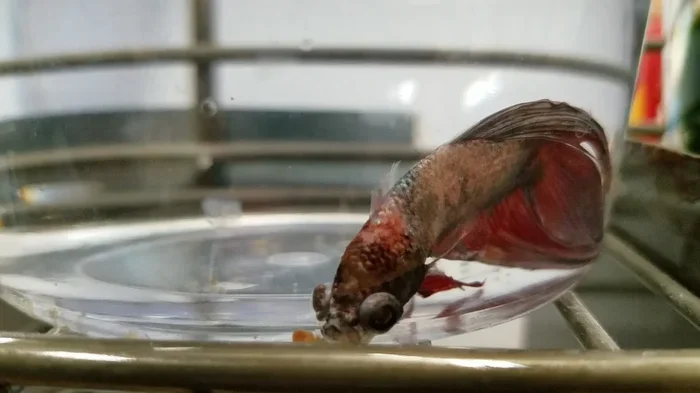
Betta fish can float at the top or sink to the bottom for many reasons. A dead betta often floats belly-up or lies flat on the substrate. But here is the tricky part — a very sick betta might do the same thing.
The key difference is response. A living betta, even one that is very ill, will show some signs of life. A dead betta will not. If your fish is floating and not responding to anything, you need to check for other signs before assuming the worst.
Loss of Appetite and Lethargy
Before a betta passes away, it often shows behavioral changes. Loss of appetite is one of the earliest signs. If your betta refuses food for more than three days, something is wrong.
Lethargy is another warning sign. A healthy betta is curious and active. It swims around the tank, explores plants, and reacts to its environment. A betta that stays in one spot, hides constantly, or lies motionless on the substrate may be dying. These behavioral changes do not always mean death, but they are serious warnings that need attention.
If you noticed these signs earlier, you might want to review how to tell if your betta fish is sick to understand the differences between sickness and death.
Resting Betta vs. Dead Betta: How to Tell the Difference
This is one of the most common concerns among betta owners. Bettas sleep and rest frequently, and sometimes they rest in unusual positions. A sleeping betta may lie on a leaf, hover near the bottom, or float still at the surface. None of these positions mean your betta is dead.
Here is how to tell the difference:
- A resting betta will slowly adjust its position if you tap the glass gently.
- A resting betta will have slightly moving gills, even if slow.
- A resting betta will respond to food nearby or the presence of your hand.
- A dead betta will show zero response to any of these stimuli.
If you are unsure, wait for 10 to 15 minutes and observe closely. Sometimes bettas rest for long periods, especially at night. Patience and careful observation are your best friends in these moments.
Environmental Factors That Can Cause Betta Death
Poor Water Quality
The number one killer of betta fish is poor water quality. Ammonia and nitrite buildup in the tank can poison your betta quickly. Even if the water looks clear, harmful chemicals can be present at deadly levels.
Regular water changes are essential. Test your water parameters at least once a week. Keeping the tank clean directly impacts your betta’s survival and overall health. If you are unsure how to maintain water quality, check out how to clean your betta fish tank for a step-by-step guide.
Temperature Shock and Improper Heating
Bettas are tropical fish and need warm water to survive. The ideal temperature range is between 76°F and 82°F. If the water drops too low, your betta can go into shock and die.
On the other hand, sudden temperature spikes are equally dangerous. Use a reliable aquarium heater and a thermometer to maintain stable conditions. Temperature fluctuations stress bettas and weaken their immune system, making them vulnerable to disease and death.
Overfeeding and Diet Problems
Overfeeding is a common mistake that many new betta owners make. Excess food rots in the tank and pollutes the water. This leads to ammonia spikes and health problems.
Feed your betta small amounts once or twice a day. Remove any uneaten food after a few minutes. A balanced diet of high-quality pellets and occasional treats keeps your betta strong and healthy. Proper feeding habits are one of the simplest ways to prevent early death in bettas.
What to Do When You Confirm Your Betta Has Died
Confirm the Death Gently
Before taking any action, double-check your assessment. Try the responsiveness test one more time. Check the gills, the body, and the color. If you are certain your betta has passed away, take a deep breath and stay calm.
It is okay to feel sad. Losing a pet is hard, no matter how small. Give yourself a moment to process what has happened before moving forward.
Remove the Body from the Tank
If your betta has died, remove the body from the tank as soon as possible. A decomposing body will quickly pollute the water and affect the health of any other fish in the tank.
Use a small net or your hands to gently remove the fish. Place it in a small container or bag. You can then decide how you want to handle the remains. For guidance on proper disposal, you can read how to safely dispose of a dead betta fish.
Clean the Tank and Monitor Other Fish
After removing the body, test the water parameters immediately. Do a partial water change of about 25 to 30 percent. This helps remove any toxins that may have been released.
If you have other fish in the tank, watch them closely for the next 24 to 48 hours. Look for signs of stress or illness. A clean tank is the best defense against the spread of disease and keeps your remaining fish safe.
Preventing Future Loss: Keeping Your Betta Healthy
You cannot always prevent every death, but you can take steps to give your betta the best chance at a long, healthy life. Prevention starts with consistent care and attention to detail.
Keep the water clean, maintain stable temperatures, and feed a proper diet. Watch for early signs of illness and act quickly. The more you know about your betta’s behavior, the easier it is to catch problems early.
If you want to build a stronger connection with your betta and understand its needs better, consider learning more about how to grow a bond with your betta fish. A strong bond helps you notice changes in behavior faster and respond more effectively.
Remember, every betta fish deserves a loving and safe home. Even when the outcome is sad, the care you give matters deeply. Your attention and dedication make a real difference in your betta’s quality of life.
Conclusion
Knowing how to tell when your betta fish is dead is an important part of being a responsible fish owner. By checking for body movement, gill activity, color changes, and responsiveness, you can confirm whether your betta has passed away or is simply resting. Environmental factors like water quality, temperature, and diet play a huge role in your betta’s health and lifespan.
If your betta has died, remove the body, clean the tank, and monitor your other fish. Take time to grieve if you need to, and then focus on providing the best care possible for your remaining pets. Every moment you spend learning about betta care is a moment well spent. Your betta fish deserved the best, and now you are better prepared for the future.
Stay observant, stay caring, and never stop learning. Your betta fish will thank you for it.
Frequently Asked Questions
How long can a betta fish appear dead but still be alive?
Bettas can enter a deep state of rest that mimics death, especially in cold water or during extreme stress. This is sometimes called “betta coma.” In these cases, the fish may appear lifeless for several hours but can recover once conditions improve. Always check for gill movement and response to stimuli before assuming the worst.
What does a dead betta fish look like?
A dead betta fish often floats belly-up or lies completely still on the tank floor. The body may become stiff within a few hours, and the colors will fade significantly. The fins will hang limp, and the gills will stop moving entirely. These visual cues combined with a lack of response confirm that the fish has passed away.
Can a betta fish die from stress alone?
Yes, severe stress can weaken a betta’s immune system and lead to death. Common stressors include poor water quality, sudden temperature changes, aggressive tank mates, and loud noises near the tank. Keeping the environment stable and clean is the best way to prevent stress-related fatalities.
Should I remove a dead betta fish immediately?
Yes, you should remove a dead betta fish as soon as you confirm it has passed away. A decomposing body releases ammonia and other toxins into the water, which can harm other fish in the tank. Use a small net or your hands to gently remove the fish and dispose of it properly.
How can I tell if my betta is sleeping or dead?
A sleeping betta will have slow but steady gill movement and may adjust its position if you tap the glass gently. A dead betta will show no response at all and will have completely still gills. If you are unsure, wait 10 to 15 minutes and observe closely for any signs of life.
What should I do after my betta fish dies?
First, remove the body from the tank to prevent water contamination. Next, test the water parameters and do a partial water change. Monitor any other fish for signs of stress or illness. Take time to process your loss, and then focus on improving tank conditions to keep your remaining fish healthy.
=== INTERNAL LINKS ===
If you want to learn more about betta fish care, check out these helpful resources: