How to Take the Best Care of Your Betta Fish

Taking care of your betta fish means getting the basics right from day one. You need a clean tank, warm water, and a balanced diet to keep your betta healthy and happy. This guide covers everything you need to know about how to take care of your betta fish in simple, easy steps. Whether you are a beginner or a seasoned fish keeper, these tips will help your betta thrive for years to come.
Owning a betta fish is one of the most rewarding experiences in the hobby. These colorful creatures bring life and beauty to any room. But behind that stunning fins and vivid colors lies a need for proper care. Many people think bettas are low-maintenance pets. The truth is, they thrive when you give them the right environment, food, and attention. If you want to learn how to take care of your betta fish the right way, you have come to the right place.
This guide breaks down everything you need to know. From setting up the perfect tank to feeding the right diet, we cover it all. You will learn simple steps that make a huge difference. Betta fish care does not have to be complicated. With a little knowledge and consistency, you can keep your fish happy and healthy for five years or more.
Key Takeaways
- Proper Tank Setup: A 5-gallon tank or larger gives your betta room to swim and stay healthy.
- Clean Water Is Essential: Regular water changes and proper filtration keep ammonia levels low and your fish safe.
- Warm Water Matters: Keep the temperature between 76-82°F to match your betta’s natural habitat.
- Feed Smart: A varied diet of pellets, frozen foods, and occasional treats keeps your betta nourished.
- Watch for Warning Signs: Knowing the signs of illness early helps you act fast and save your fish.
- Enrichment Counts: Plants, caves, and gentle play keep your betta mentally stimulated and stress-free.
📑 Table of Contents
Understanding Your Betta Fish
Before you set up a tank, it helps to understand what makes bettas unique. These fish originate from the warm, shallow waters of Southeast Asia. They are known for their long flowing fins and bright colors. Each betta has its own personality. Some are curious and active, while others are calm and laid back.
What Makes Betta Fish Special
Bettas belong to the gourami family. They have a special organ called the labyrinth, which lets them breathe air from the surface. This is why they can survive in small amounts of water. But surviving is not the same as thriving. A betta in a proper setup will show vibrant colors and active behavior. They are also called Siamese fighting fish because males tend to be aggressive toward each other. Understanding this natural behavior helps you create a better home for your fish. Knowing your betta fish behavior patterns also helps you spot problems early and respond quickly.
How Long Do Betta Fish Live
With proper care, bettas can live between three and five years. Some owners report their fish living up to seven years. The key factor is the environment you provide. A well-maintained tank with clean water and good nutrition makes all the difference. Betta fish lifespan depends heavily on how you treat them day to day. Small choices like water changes and feeding habits add up over time. A betta in a 5-gallon tank with a heater and filter will almost always outlive one kept in a tiny bowl.
Setting Up the Perfect Betta Fish Tank
A good tank setup is the foundation of betta fish care. Many beginners start with tiny bowls or vases. While a betta can survive in a small container, it will not thrive. Giving your fish adequate space is one of the best things you can do. The right tank size affects everything from water stability to your fish’s overall mood and activity level.
Choosing the Right Tank Size
Go for at least a 5-gallon tank. This gives your betta enough room to swim and explore. Smaller tanks are harder to keep stable. Waste builds up quickly in small volumes of water. A 5-gallon tank also allows you to add a gentle filter and a small heater. These tools make maintenance much easier and keep conditions consistent.
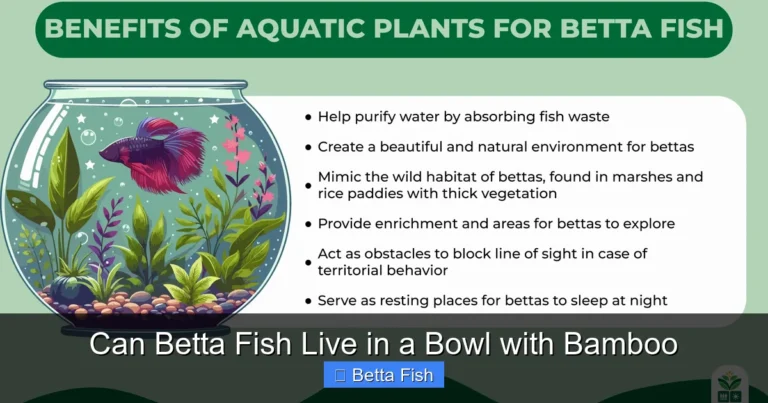
If you want to go bigger, a 10-gallon tank works great too. Just make sure the filter flow is not too strong. Bettas prefer calm water. A filter with an adjustable flow or a sponge filter works well. You can also add live plants to create a natural and beautiful environment. Plants help absorb nitrates and provide hiding spots that reduce stress.
Essential Tank Accessories
Here are the must-have items for any betta tank:
- Heater: Bettas need warm water between 76°F and 82°F. A small aquarium heater keeps the temperature steady and prevents dangerous fluctuations.
- Filter: A gentle sponge filter removes waste without creating strong currents. This is important because bettas are not strong swimmers and prefer calm water.
- Thermometer: An adhesive thermometer lets you check the water temperature quickly and easily every day.
- Substrate: Soft gravel or sand works well. Avoid rough substrates that might damage those delicate fins.
- Decorations and hiding spots: Caves, driftwood, and plants give your betta places to rest and explore. You can learn more about how to decorate your betta fish tank for creative and safe ideas.
Maintaining Clean and Healthy Water
Water quality is the single most important part of how to take care of your betta fish. Fish live in their water. If the water is dirty, the fish suffers. Ammonia and nitrite are toxic even in small amounts. Keeping the water clean prevents illness and stress. This is where proper aquarium maintenance becomes your best friend.
Water Temperature and Parameters
Betta fish need warm, stable water. The ideal temperature range is 76°F to 82°F. Use a reliable heater and check the temperature daily. The water pH should be between 6.5 and 7.5. Most tap water works fine after you treat it with a water conditioner to remove chlorine and chloramine.
Test the water regularly with a liquid test kit. This helps you catch problems before they become serious. Ammonia and nitrite should always read zero. Nitrate should stay below 20 ppm. Keeping these water parameters in check is the secret to a healthy aquarium. Stable conditions mean a happy, resilient fish.
How Often to Change the Water
Perform a 25% to 30% water change every week. This removes waste buildup and refreshes the tank. Use a gravel vacuum to clean the substrate while you drain water. Always treat new water with a conditioner before adding it to the tank. Sudden changes in temperature or chemistry can shock your fish and cause serious harm.
For larger tanks, you might get away with a 20% change every week. The key is consistency. Skipping water changes leads to ammonia spikes. These spikes can make your fish very sick very fast. A steady water change routine is one of the simplest yet most powerful tools in betta fish care.
Feeding Your Betta Fish Properly
Diet plays a big role in betta fish health. In the wild, bettas eat insects, larvae, and small crustaceans. Replicating this diet in captivity keeps them strong and colorful. Many people make the mistake of feeding only flakes. Bettas need protein-rich foods to stay healthy and maintain their vibrant colors. A proper betta fish diet is one of the easiest ways to boost your fish’s immune system.
Best Foods for Betta Fish
High-quality betta pellets should be the staple of your fish’s diet. Look for pellets with fish meal as the first ingredient. You can also offer frozen or live foods as treats. Bloodworms, brine shrimp, and daphnia are excellent choices. These foods boost nutrition and encourage natural hunting behavior. Variety keeps your betta interested in food and ensures a broader range of nutrients.
Avoid feeding your betta too many treats. Freeze-dried foods can cause bloating if overfed. Soak them in tank water before offering them to your fish. This makes them easier to digest and prevents constipation. A balanced approach between pellets and treats works best for long-term health.
Feeding Schedule and Portions
Feed your betta two to three times a day. Give only what your fish can eat in two to three minutes. Overfeeding is one of the most common mistakes new owners make. Excess food rots in the water and raises ammonia levels. A consistent feeding schedule helps you stay on track and prevents waste buildup in the tank.
One day per week, skip feeding entirely. This gives your betta’s digestive system a rest. It also helps prevent constipation and bloating. Your fish will be just fine and may even appreciate the break. Think of it as a healthy reset for their system.
Keeping Your Betta Fish Healthy
Even with the best care, bettas can get sick. Knowing the signs of trouble early makes a big difference. Most common illnesses are preventable with clean water and a good diet. But sometimes illness happens despite your best efforts. Being prepared helps you act fast and give your fish the best chance of recovery.
Common Health Issues to Watch For
Here are the most common betta fish illness problems:
- Fin Rot: Frayed or discolored fins are often a sign of bacterial infection. It usually comes from poor water quality. Improving water conditions and doing a water change often fixes mild cases.
- Constipation: A bloated belly and difficulty swimming signal constipation. Feed a single thawed pea (no skin) to help things move along naturally.
- Ich (White Spot Disease): Small white spots on the body and fins indicate a parasite. Raise the temperature slightly and treat with medication from a pet store.
- Stress: Clamped fins, lethargy, and loss of color are signs of stress. Check water parameters and look for anything that might be causing discomfort in the tank.
If you notice symptoms that do not improve, consider caring for a sick betta fish with targeted treatment. Early action is always better than waiting. The sooner you identify the problem, the easier it is to fix.
Signs of a Happy and Healthy Betta
A healthy betta is a joy to watch. Look for these positive signs of betta fish health:
- Bright, vivid colors and flowing fins
- Active swimming and curiosity about the environment
- Good appetite and eagerness at feeding time
- Building bubble nests (a sign of a happy male)
- Smooth, intact fins without tearing or discoloration
If your fish shows all of these signs, you are doing a great job. Keep up the good work and continue monitoring the water and environment. Regular observation is one of the simplest ways to catch issues before they escalate.
Creating a Stress-Free Environment
A stress-free tank is a healthy tank. Bettas are sensitive to their surroundings. Too much noise, bright lights, or aggressive tank mates can cause stress. Reducing stress helps your fish live longer and stay colorful. A calm environment supports a strong immune system and natural behavior.
Tank Mates and Social Needs
Male bettas should live alone. They will fight with other males and can seriously injure or kill each other. Female bettas can sometimes live together in groups called sororities, but this requires a larger tank and careful setup. When choosing betta fish tank mates, pick peaceful species that share similar water needs. Corydoras catfish, neon tetras, and snails are popular choices that work well in community setups.
Always monitor new additions closely. Watch for signs of aggression or stress from either the betta or the new fish. Be ready to separate them if needed. A peaceful tank is a healthy tank for everyone.
Enrichment and Play
Bettas are smarter than people give them credit for. They can recognize their owners and respond to feeding time. Adding enrichment keeps them mentally stimulated and engaged. You can play games with your betta fish using a small mirror or a floating leaf. Some bettas even learn to follow your finger or eat from your hand.
Gentle current from a filter is enough exercise for a betta. They do not need strong water flow. Add plants and decorations that create interesting pathways for swimming. This gives your fish a sense of territory and keeps them engaged. Mental stimulation is just as important as clean water and good food.
Conclusion
Learning how to take care of your betta fish does not have to be overwhelming. Start with a proper tank setup, maintain clean water, feed a quality diet, and watch for signs of illness. These simple steps form the foundation of great betta fish care. Your fish will reward you with vibrant colors, active behavior, and years of companionship.
Remember, every betta is an individual. Pay attention to your fish’s unique needs and adjust your routine as needed. With patience and consistency, you will become a confident and successful betta owner. The journey of caring for these beautiful creatures is just as rewarding as the fish themselves.
Frequently Asked Questions
What size tank does a betta fish need?
A 5-gallon tank is the minimum recommended size for a single betta. This gives the fish enough room to swim and explore. Larger tanks, like 10 gallons, make water maintenance easier and provide a more stable environment for your fish to thrive.
How often should I change my betta fish water?
Perform a 25% to 30% water change every week. This removes waste and keeps ammonia levels low. Always treat new water with a conditioner before adding it to the tank to remove harmful chemicals like chlorine.
Can betta fish live with other fish?
Male bettas should live alone because they are aggressive toward other males. Female bettas can sometimes live in groups. Peaceful community fish like corydoras or snails can be good tank mates in larger tanks with proper setup and monitoring.
What is the best food for betta fish?
High-quality betta pellets should be the main food. You can supplement with frozen or live foods like bloodworms and brine shrimp. Avoid overfeeding and skip one day per week to help digestion and prevent bloating.
How can I tell if my betta fish is sick?
Look for signs like clamped fins, loss of color, bloating, frayed fins, or white spots on the body. These can indicate illness or stress. If you notice any of these symptoms, check the water quality first and consider treatment options right away.
Do betta fish need a heater?
Yes, bettas need a heater to maintain water temperature between 76°F and 82°F. They come from warm climates and cannot tolerate cold water. A small aquarium heater with a thermostat works well for most betta setups and keeps conditions stable.
=== CONCLUSION ===
Taking care of your betta fish is a journey that starts with the basics and grows with your knowledge. By following the steps in this guide, you are giving your fish the best chance at a long, healthy life. Keep the water clean, the temperature stable, and the diet varied. Pay attention to your betta’s behavior and respond quickly to any warning signs. With these practices, your betta fish care routine will become second nature. Enjoy every moment with your colorful companion.