How to Tell If Betta Fish Is Bored
A bored betta fish shows clear signs like lethargy, flaring at nothing, glass surfing, and loss of appetite. Understanding these behaviors helps you improve your fish’s quality of life quickly. This guide covers the top boredom signs and practical solutions every betta owner should know.
Key Takeaways
- Boredom in betta fish is real: Without stimulation, bettas become lethargic and stressed.
- Glass surfing and excessive flaring are top warning signs: These behaviors often mean your fish needs more engagement.
- Tank setup matters enormously: A barren tank is one of the biggest causes of boredom.
- Simple enrichment works wonders: Plants, caves, and floating logs keep bettas mentally active.
- Training and interaction help: Bettas are smarter than most people think and can learn tricks.
- Early action prevents health decline: Addressing boredom early stops it from turning into serious illness.
📑 Table of Contents
How to Tell If Betta Fish Is Bored
Your betta fish might look like it just floats around all day, doing nothing. But the truth is, bettas are curious creatures. They explore, they hunt, and they interact with their surroundings. When something is missing from their environment, they get bored. And boredom in bettas can lead to real health problems.
If you have ever wondered why your betta fish sits at the bottom of the tank or stares at the glass for hours, you are not alone. Bored betta fish display very specific behaviors. Once you learn to read these signs, you can make changes that transform your fish’s life. This article breaks down every sign of boredom and gives you actionable fixes you can start today.
Knowing how to spot betta fish behavior changes early is the key to keeping your fish happy and healthy. Let us dive in.
Common Signs Your Betta Fish Is Bored
Boredom does not just make your fish unhappy. It affects their physical health too. The earlier you catch the signs, the faster you can help. Here are the most common boredom symptoms in betta fish you should watch for.
Glass Surfing
Glass surfing is when your betta swims repeatedly along the glass walls of the tank. It looks like your fish is tracing the same path over and over. This behavior is one of the clearest signs of a bored betta fish. In the wild, bettas have plenty of space and things to explore. A small or empty tank gives them nothing to do, so they start pacing.
Some fish do this occasionally, and that is normal. But if your betta does it constantly, something is wrong. Try adding plants or decorations to break up the sightlines. This simple change can reduce glass surfing significantly.
Excessive Flaring
Betta fish flare their gills to show dominance or defend territory. A little flaring now and then is natural. But if your fish flares at its own reflection or at nothing at all, that is a red flag. Excessive flaring often means your betta is understimulated and frustrated.
When a betta has nothing else to focus on, it may fixate on its reflection in the tank glass. This constant stress takes a toll on their immune system. You can reduce this by adjusting lighting and adding more visual barriers inside the tank.
Lethargy and Lack of Movement
A bored betta often becomes very still. They may hang near the bottom of the tank or float in one spot for long periods. While bettas do rest, constant inactivity is not normal. Lethargic betta fish often lose interest in food and their surroundings.
If you notice your fish barely moving, check the water temperature first. Cold water makes bettas sluggish. But if the temperature is fine, boredom is likely the cause. Adding movement and stimulation to the tank can bring their energy back.
Loss of Appetite
Most bettas are eager eaters. They come to the surface the moment they see food. If your betta starts ignoring meals or eating very little, boredom could be the reason. A disinterested betta fish is often a mentally understimulated one.
Try offering food in different ways. Use a feeding ring or drop food in different spots. This encourages your fish to move around and engage with mealtime again. If appetite loss continues, check for illness by visiting how to tell if your betta fish is sick for additional guidance.
Destructive Behavior
Some bored bettas start chewing on their own fins or tearing up plants. This is more common than most people realize. A fish with nothing to do may turn to self-harm out of frustration. Fin biting and tail tearing can also be signs of stress, which often stems from boredom.
If you see this behavior, act quickly. Improve the tank environment and consider adding tank mates or enrichment items. You can also learn more about addressing stress-related behaviors in how to treat a stressed betta fish.
Why Boredom Hurts Your Betta Fish
Boredom is not just a minor annoyance for your fish. It has real consequences. A mentally unstimulated betta is more likely to get sick. Their immune system weakens when they are stressed or underactive. Over time, this can shorten their lifespan significantly.
Betta fish in the wild have complex environments. They navigate through rice paddies, streams, and shallow ponds full of plants and hiding spots. A bare tank with nothing to do does not reflect their natural habitat. When you enrich their environment, you are not just making them happier. You are supporting their overall betta fish health and well-being.
Studies on fish behavior show that environmental enrichment reduces stress hormones and improves immune function. This means a stimulated betta lives longer and stays healthier. It is one of the easiest ways to improve your fish care routine.
How to Prevent and Fix Boredom in Betta Fish
The good news is that preventing boredom is straightforward. You do not need expensive equipment or a huge tank. Small, thoughtful changes make a big difference. Here is how you can keep your betta mentally engaged and happy.
Add Plants and Decorations
The simplest way to fight boredom is to give your betta things to explore. Live plants are the best option because they move with the water and create a natural feel. Silk plants also work well and are safe for delicate fins.
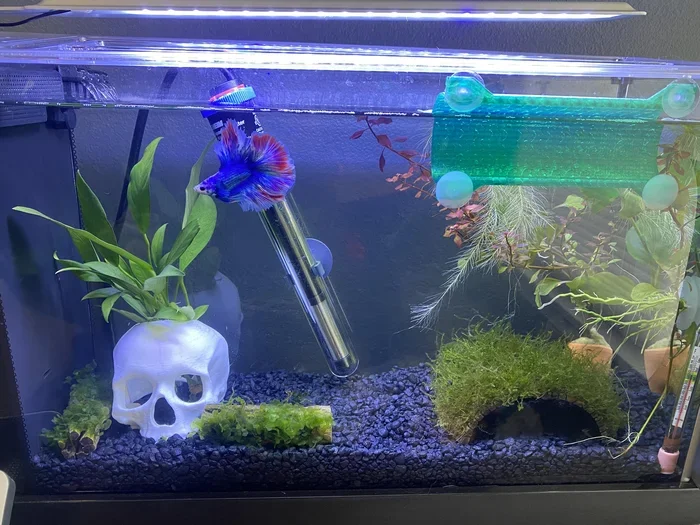
Add caves, driftwood, and rocks to create hiding spots. Bettas love having places to retreat to and investigate. A varied landscape breaks up the monotony of an empty tank. If you are unsure where to start, check out how to set up a fish tank for betta fish for detailed setup tips.
Increase Tank Size
A tiny bowl is not just bad for water quality. It is bad for your fish’s mind. Bettas need room to swim and explore. A tank of at least 5 gallons is recommended for a single betta. Larger tanks give you more space to add enrichment items without crowding the fish.
More space means more opportunities for natural behaviors like hunting and exploring. Your fish will be more active and curious in a larger environment. This single change can eliminate many boredom-related behaviors.
Use Feeding Toys and Puzzle Feeders
Mealtime is one of the best chances to stimulate your betta’s mind. Instead of just dropping pellets on the surface, try different feeding methods. You can use a floating log feeder or place food in a puzzle ball that your fish has to work to get out.
This mimics their natural hunting behavior and keeps them engaged. It also slows down eating, which is better for their digestion. Rotate feeding locations in the tank to encourage movement and exploration.
Introduce Tank Mates Carefully
Some bettas enjoy the company of other fish. Shrimp, snails, and small peaceful fish can provide stimulation without causing stress. However, not all bettas get along with tank mates. Watch for signs of aggression before committing to this approach.
If your betta is happy alone, you can still provide social stimulation through interaction. Many bettas recognize their owners and respond to their presence. Simply sitting near the tank and talking to your fish can make a difference.
Train Your Betta Fish
Yes, betta fish can learn tricks. Training is one of the most effective ways to keep your fish mentally sharp. Start with simple targets like following your finger or swimming through a hoop. Use food as a reward and keep training sessions short.
Training builds a bond between you and your fish. It also gives your betta a sense of purpose and accomplishment. Over time, you can teach more complex behaviors. This is a great way to see just how intelligent bettas really are.
Quick Tips to Keep Your Betta Fish Engaged
Want simple things you can do right now? Here are quick wins that boost betta fish enrichment daily:
- Rearrange decorations every few weeks to create a fresh environment.
- Add a mirror briefly (for 5 minutes max) to trigger natural flaring behavior, then remove it.
- Float a leaf or log on the water surface for your fish to explore.
- Change the lighting cycle to mimic natural day and night patterns.
- Talk to your fish during feeding time. They recognize your voice over time.
- Introduce new safe objects like a clean ping pong ball or a small floating log.
- Vary their diet with frozen or live foods occasionally to spark hunting instincts.
Common Mistakes That Cause Boredom
Many betta owners accidentally create boring environments without realizing it. Avoiding these mistakes is just as important as adding enrichment.
Keeping your betta in a tiny bowl. A bowl smaller than 3 gallons gives your fish almost nothing to do. It limits movement and exploration. Upgrade to a proper tank whenever possible.
Leaving the tank completely bare. Some owners prefer a minimalist look, but a bare bottom tank is mentally draining for bettas. Even one plant and one hiding spot make a big difference.
Ignoring water quality. Dirty water causes stress, which mimics boredom symptoms. Test your water regularly and do partial water changes weekly. A healthy environment is the foundation of a happy fish.
Not interacting enough. Bettas are social creatures in their own way. Ignoring them completely leads to disengagement. Spend a few minutes each day watching and interacting with your fish.
When Boredom Becomes a Health Problem
Sometimes boredom escalates into something more serious. A chronically understimulated betta may develop fungal infections, fin rot, or other stress-related diseases. If you have tried enriching the tank and your fish still shows signs of lethargy or appetite loss, it may be time to look deeper.
Check if your fish is showing signs of illness. Betta fish health problems often start with behavioral changes. Loss of color, clamped fins, rapid breathing, and hiding constantly are all warning signs. If you are concerned, review how do you know if your betta fish is sick to rule out underlying conditions.
Remember, a happy fish is a healthy fish. Mental stimulation is just as important as clean water and proper nutrition. By paying attention to your betta’s behavior, you can catch problems early and keep your fish thriving for years.
Final Thoughts
Telling if your betta fish is bored is easier than you think. Watch for glass surfing, excessive flaring, lethargy, and appetite changes. These behaviors are your fish’s way of telling you they need more from their environment. The good news is that simple changes like adding plants, increasing tank size, and offering enrichment activities can completely transform your betta’s quality of life.
Your betta fish depends on you for everything. A stimulating, well-designed tank shows your fish that you care. Start with one or two changes today and watch how your betta responds. You will likely see more energy, better appetite, and brighter colors within days. A happy, engaged betta is a joy to watch, and keeping them entertained is one of the most rewarding parts of fish ownership.
Frequently Asked Questions
How do I know if my betta fish is bored or sick?
Boredom and illness share some symptoms like lethargy and loss of appetite. Check water parameters first to rule out poor water quality. If the tank is clean and warm but your fish still shows signs of inactivity, boredom is likely the cause. You can also read more about how to tell if your betta fish is sick to compare symptoms side by side.
Can a betta fish die from boredom?
Boredom itself does not directly kill a betta fish, but the stress it causes can weaken their immune system over time. A weakened immune system makes your fish vulnerable to infections and diseases. Chronic boredom can significantly shorten a betta’s lifespan if left unaddressed.
What is the best toy for a bored betta fish?
Floating logs and mirror toys are excellent choices. Bettas love exploring tunnels and swimming through obstacles. A simple mirror can trigger natural flaring behavior for short periods. Just remember to remove the mirror after a few minutes to avoid overstimulation.
How often should I rearrange my betta’s tank?
Rearranging decorations every two to four weeks works well. This gives your fish a fresh environment to explore without causing too much stress. Make sure you do not uproot any live plants during the process.
Do betta fish get lonely?
Betta fish are territorial and do not always need companions. However, they still need mental stimulation from their environment. A well-decorated tank with plenty of things to explore can keep a solo betta happy and engaged.
Can I train my betta fish to prevent boredom?
Absolutely. Betta fish are intelligent and can learn simple tricks like following your finger or swimming through hoops. Training sessions should last no more than five minutes and use food as positive reinforcement. This is one of the best long-term solutions for keeping your betta mentally sharp.