How to Tell If Betta Fish Is Boy or Girl
Figuring out whether your betta fish is a boy or a girl is easier than you think. By looking at body shape, fin length, color, and behavior, you can quickly determine the sex of your betta. This guide walks you through every method step by step so you can tell if betta fish is boy or girl with confidence.
So, you have a beautiful betta fish, and you want to know if it is a boy or a girl. How to tell if betta fish is boy or girl is one of the most common questions new fish owners ask. The good news is that once you know what to look for, it becomes much easier.
Betta fish are stunning creatures. Their flowing fins and vivid colors make them a favorite among aquarium lovers. But figuring out their gender can feel tricky at first. Males and females look quite different once you learn the signs. This guide will walk you through every method in simple steps.
Whether you want to breed your bettas or just satisfy your curiosity, knowing the sex of your fish matters. It helps you set up the right tank, choose compatible tank mates, and even spot health issues early. Let us dive right in and explore how to identify your betta fish gender with ease.
Key Takeaways
- Males have longer fins and brighter colors: This is the most obvious sign when you learn how to tell if betta fish is boy or girl.
- Females have a white egg spot: Look for a small dot on the underside near the belly to identify a female betta.
- Body shape differs between sexes: Males are slimmer and more streamlined, while females are rounder and shorter.
- Behavioral clues help too: Males flare more aggressively, and females may show nesting behavior when ready to breed.
- Age matters for accurate identification: Young bettas are harder to sex, so wait until they reach full maturity around 3 to 4 months old.
- Fin length is a reliable indicator: Male bettas grow dramatically longer dorsal and tail fins compared to females.
📑 Table of Contents
- Why Knowing Your Betta Fish Gender Matters
- How to Tell If Betta Fish Is Boy or Girl by Body Shape
- How to Tell If Betta Fish Is Boy or Girl by Fin Length and Shape
- Color Differences Between Male and Female Betta Fish
- The Egg Spot Method: A Key Sign for Female Betta Fish
- Behavioral Differences Between Male and Female Betta Fish
- Age and Maturity: Why Timing Matters for Gender Identification
- Quick Reference Table: Male vs Female Betta Fish
- Common Mistakes People Make When Identifying Betta Gender
- Final Thoughts on Telling Your Betta Fish Gender
Why Knowing Your Betta Fish Gender Matters
Understanding the gender of your betta fish goes beyond simple curiosity. It plays a real role in how you care for your fish. Let us look at why this matters.
First, male and female bettas have very different temperaments. Males are highly territorial and will fight other males. You should never house two male bettas together. On the other hand, females can sometimes live in small groups called sororities. Knowing this helps you plan the right tank setup from day one.
Second, if you are interested in breeding, you need to know the sex of each fish. Breeding two females or two males will not work. You need one male and one female for successful betta breeding. Finally, some health concerns differ between males and females. For example, females are more prone to certain bloating issues related to egg production.
How to Tell If Betta Fish Is Boy or Girl by Body Shape
One of the easiest ways to determine betta fish gender is by looking at the body shape. This method works well for adult bettas that have reached full maturity.
Male Body Shape
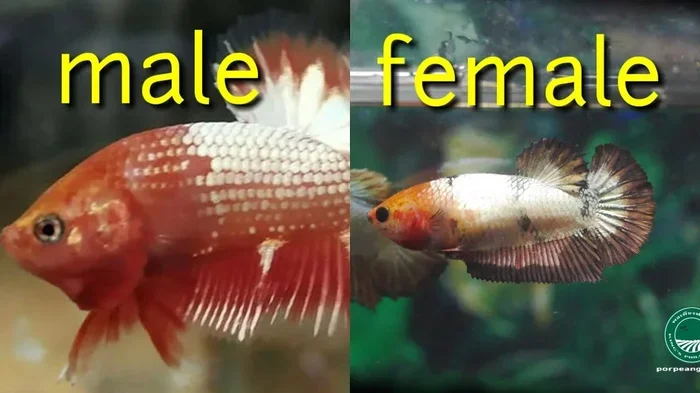
Male bettas tend to have a sleek, streamlined body. They look elongated and muscular when viewed from above. Their bodies taper gently toward the tail, giving them an elegant, torpedo-like shape. This build suits their active, flaring nature.
Males also stand taller in the water. Their bodies appear more upright, especially when they flare their fins to show dominance. If your fish looks long and slender, there is a good chance it is a male.
Female Body Shape
Female bettas have a noticeably rounder body shape. When viewed from above, they look wider and shorter. This roundness becomes even more obvious when a female is carrying eggs. Her belly will appear plump and swollen compared to a male of the same age.
Females also tend to have a straighter, less curved body profile from head to tail. Instead of the sleek taper seen in males, females look more blocky and compact. If your betta looks like it has a little belly, you might be looking at a girl.
How to Tell If Betta Fish Is Boy or Girl by Fin Length and Shape
This is probably the most well-known method for identifying betta fish gender. Fin differences between males and females are quite dramatic once the fish reaches adulthood.
Male Fin Characteristics
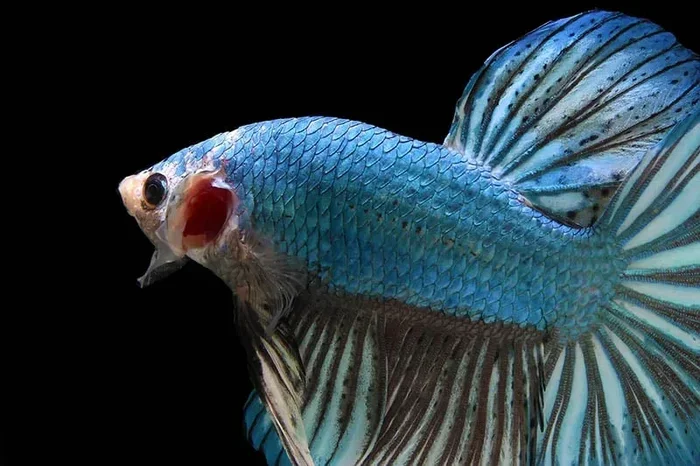
Male bettas are famous for their long, flowing fins. The dorsal fin runs along the top of the body and can stretch several inches long. The caudal fin, or tail fin, is equally impressive. In many breeds, the tail fins overlap and flow gracefully behind the fish as it swims.
The ventral fins, which are the small fins near the chin area, are also longer on males. These fins often droop downward and give male bettas their distinctive elegant look. When a male flares, the fins spread wide and create a dramatic display.
Female Fin Characteristics
Female bettas have much shorter fins overall. The dorsal fin is noticeably shorter and less dramatic. The tail fin is compact and does not trail far behind the body. Female ventral fins are also shorter and more upright.
Now, this does not mean female bettas lack beauty. Females are still lovely fish with nice color patterns. But their fins simply do not grow as long as a male’s. If your betta has short, practical-looking fins, you are likely looking at a female.
Color Differences Between Male and Female Betta Fish
Color can also give you clues about betta fish gender. However, you need to be careful with this method because it is not always reliable on its own.
Brighter Colors in Males
In most cases, male bettas display brighter and more intense colors. Breeders have selectively bred males for vivid hues over many generations. You will often see males with deep blues, rich reds, and brilliant greens that seem to glow in the light.
The color saturation on a male betta tends to be higher overall. Even the patterns on their fins look sharper and more defined. This is part of why males are more popular in the pet trade. Their colors simply stand out more.
Females Can Be Colorful Too
Do not assume that a colorful betta is definitely a male. Some female bettas can also display beautiful colors. The difference is that females often show slightly muted tones compared to males. Their colors may look softer or less intense.
Also, a female betta’s colors can change depending on her condition. When she is ready to breed or feeling stressed, her colors may become more vivid temporarily. So use color as just one clue among several when you are trying to figure out how to tell if betta fish is boy or girl.
The Egg Spot Method: A Key Sign for Female Betta Fish
This is one of the most reliable ways to identify a female betta fish. The egg spot, also called the ovipositor, is a small white dot found on the underside of a female’s body.
What Does the Egg Spot Look Like?
The egg spot appears as a tiny white or light-colored dot near the belly area. It sits between the ventral fins and the anal fin. In some females, it looks like a small grain of salt stuck to their underside.
This spot is where the eggs will exit the body during spawning. Not all females show a visible egg spot at all times. It tends to be more noticeable when the female is healthy and mature. If you see this little white dot, you have found a female betta.
Do Males Have an Egg Spot?
Males do not have a true egg spot. Some beginners mistake the anal fin on a male for an egg spot, but it looks different. The male’s anal fin is more pointed and elongated, while the female’s egg spot is round and small. If you see a clear white dot, it is almost certainly a female.
Behavioral Differences Between Male and Female Betta Fish
Behavior can also help you determine betta fish gender. While this method is not as definitive as physical differences, it adds another useful clue to your identification process.
Male Behavior
Male bettas are known for their flaring behavior. They will spread their fins wide and display their colors when they see another male, their reflection, or even a moving object outside the tank. This flaring is a territorial display and is much more common in males.
Males also build bubble nests. These are clusters of tiny bubbles that float on the water surface. A male betta will blow bubbles and arrange them into a nest as part of the breeding process. If you see a bubble nest in your tank, you almost certainly have a male. However, not all males build visible nests, and some females may occasionally blow bubbles too.
Female Behavior
Females are generally less flamboyant in their behavior. They flare less often and less dramatically than males. However, females can still show aggression, especially in group settings. You might see females chase each other or establish a pecking order within a sorority tank.
When a female is ready to breed, her behavior changes. She may develop vertical stripes on her body, which is called barring. She will also become more receptive to the male’s advances and may circle him during the mating dance. These behavioral shifts are clear signs that you have a female betta.
Age and Maturity: Why Timing Matters for Gender Identification
One factor many people overlook is the age of the betta fish. Young bettas are much harder to sex accurately. Let us talk about why timing matters.
Baby bettas and juveniles under three months old look very similar regardless of sex. The fin differences have not fully developed yet, and the body shape is not pronounced. Even the egg spot may not be visible on younger females.
Wait until your betta is at least three to four months old before trying to determine the gender. By this age, the physical differences become much clearer. The male’s fins will start growing longer, and the female’s body will begin to round out. If you are unsure about a young fish, give it a little more time and check again.
Quick Reference Table: Male vs Female Betta Fish
| Feature | Male Betta | Female Betta |
|---|---|---|
| Fin Length | Long, flowing fins | Short, compact fins |
| Body Shape | Slim, elongated | Round, wider body |
| Color Intensity | Bright and vivid | Slightly muted tones |
| Egg Spot | Absent | Present (small white dot) |
| Flaring Behavior | Frequent and dramatic | Less frequent |
| Bubble Nest | Often builds nests | Rarely builds nests |
| Ventral Fins | Long and drooping | Short and upright |
Use this table as a quick guide when you are trying to figure out how to tell if betta fish is boy or girl. No single feature is perfect on its own, but combining several signs gives you the most accurate result.
Common Mistakes People Make When Identifying Betta Gender
Even experienced fish keepers sometimes mix up the gender of a betta. Here are some common mistakes to avoid.
Mistake 1: Relying on just one clue. Using only fin length or only color can lead to errors. Always look at multiple signs together for a more accurate identification.
Mistake 2: Comparing fish of different ages. A young male may have short fins that look like a female’s. Always compare fish of similar age and maturity level.
Mistake 3: Assuming all females look plain. Some female bettas are quite colorful. Do not assume a pretty fish must be a male. Check for the egg spot and body shape as well.
Mistake 4: Ignoring the role of genetics. Some betta breeds have naturally shorter fins, even in males. Crowntail and plakat males may have shorter fins than other breeds. Learn about your specific breed to make a more accurate call.
Mistake 5: Trying to identify too early. As mentioned, young bettas are hard to sex. Wait until your fish is at least three months old for reliable results.
Final Thoughts on Telling Your Betta Fish Gender
Learning how to tell if betta fish is boy or girl is a rewarding skill for any fish owner. You start by checking the body shape, then move on to fin length, color, and behavior. The egg spot is a dead giveaway for females, while bubble nests and frequent flaring point to males.
Remember that no single sign is foolproof. The best approach is to combine several indicators and compare them against each other. If you are still unsure, give your fish more time to mature and check again later.
With practice, you will become confident in identifying your betta fish gender quickly and accurately. Whether you are setting up a new tank, planning a breeding project, or just satisfying your curiosity, knowing the sex of your betta helps you provide better care. Enjoy getting to know your fish, and happy fish keeping!
If you want to learn more about your betta’s health and happiness, check out our guide on how to know if your betta fish is happy. Understanding your fish’s behavior is the next step toward becoming a great betta owner.
Also, if you are curious about the differences between male and female bettas in terms of size, our article on are boy betta fish or girl betta bigger has all the details you need.
Finally, once you know the gender of your fish, you may wonder about housing them together. Read our guide on how to identify betta fish male or female for more tips on keeping your bettas safe and happy.
Frequently Asked Questions
Can you tell a betta fish gender at birth?
No, it is very difficult to tell the gender of a betta fish at birth. The physical differences between males and females do not develop until the fish is around three to four months old. Wait until your betta reaches maturity before trying to identify its sex.
What is the fastest way to tell if a betta fish is male or female?
The fastest way is to look at the fin length and body shape. Males have long, flowing fins and a slim, elongated body, while females have shorter fins and a rounder, wider body. Checking for the egg spot on the underside is also a quick and reliable method for identifying females.
Do female betta fish have long fins too?
In most cases, female bettas have shorter fins than males. However, some female bettas may have slightly longer fins depending on their breed and genetics. Plakat females, for example, tend to have shorter fins overall. Do not rely on fin length alone to determine gender.
Can two female betta fish live together?
Yes, female bettas can sometimes live together in a group called a sorority. However, this requires a large enough tank with plenty of hiding spots and plants. Even with the right setup, some females may still show aggression toward each other. Monitor them closely when first introducing them.
Why does my male betta fish flare at me?
Male bettas flare as a territorial display. They see their reflection or movement outside the tank and react by spreading their fins and showing their colors. This is normal behavior and not a sign of aggression toward you. It simply means your betta feels the need to defend its territory.
What does it mean if my betta fish has a white spot on its belly?
A small white spot on the belly is likely the egg spot, which is a sign of a female betta fish. This spot, called the ovipositor, is where eggs exit the body. If you notice this spot along with a rounder body shape, your betta is most likely a female.
=== CONCLUSION ===
Knowing how to tell if betta fish is boy or girl opens up a better understanding of your pet. You can now look at fin length, body shape, color, behavior, and the egg spot to make an accurate identification. Each method adds a piece to the puzzle, and combining them gives you the clearest picture.
Take your time, observe your fish regularly, and remember that patience is key. Once you master these skills, you will feel confident in caring for your betta regardless of its gender. Happy fish keeping, and enjoy the wonderful world of betta care!