How to Tell If a Betta Fish Is Choking
Figuring out how to tell if a betta fish is choking can save your fish’s life. Choking in betta fish happens when food or a foreign object blocks the throat or digestive tract. You will notice signs like gasping at the surface, spitting out food, clamped fins, and labored gill movement. This guide walks you through every choking symptom, the causes behind it, and simple steps you can take to help your betta fish breathe and eat normally again.
Watching your betta fish struggle can be scary. If you have ever seen your fish gasp, sputter, or refuse food, you might wonder what is wrong. One possible cause is choking. Understanding how to tell if a betta fish is choking is one of the most important skills every fish owner should have. This knowledge helps you act fast and keep your fish healthy.
Betta fish are popular pets because of their bright colors and flowing fins. But they are also delicate creatures. Their small bodies can run into trouble quickly, especially when it comes to eating and breathing. When a betta fish chokes, the situation can become serious within minutes. That is why recognizing the signs early is so important.
In this article, we will cover everything you need to know. You will learn the common choking symptoms, what causes choking in bettas, and exactly what to do when your fish is in distress. We will also share practical tips to prevent choking from happening again. Whether you are a beginner or a seasoned betta owner, this guide has something valuable for you.
Key Takeaways
- Choking signs are visible: Look for gasping, spitting food, clamped fins, and labored breathing as your first clues.
- Common causes include oversized food and poor water quality: Pellets that are too large or dirty tank water can trigger choking episodes.
- Quick action matters: The faster you respond, the better the chance of saving your betta fish from serious harm.
- Soaking pellets and feeding peas help prevent choking: Simple diet changes go a long way in keeping your fish safe.
- Know when to seek help: If home remedies do not work within a few hours, consult a fish veterinarian or experienced aquarist.
- Prevention is the best cure: Proper feeding habits and tank maintenance reduce the risk of choking dramatically.
📑 Table of Contents
- What Does It Mean When a Betta Fish Is Choking?
- How to Tell If a Betta Fish Is Choking: Key Symptoms
- Common Causes of Choking in Betta Fish
- What to Do If Your Betta Fish Is Choking
- Preventing Choking in Your Betta Fish
- How to Tell If a Betta Fish Is Choking vs. Other Health Issues
- Quick Tips for Betta Fish Owners
- Final Thoughts on How to Tell If a Betta Fish Is Choking
What Does It Mean When a Betta Fish Is Choking?
Choking in betta fish happens when something blocks the throat or the path to the stomach. Bettas are labyrinth fish, which means they breathe air from the surface in addition to using their gills. When a betta chokes, this breathing process gets disrupted. The fish cannot move air or water properly across its gills.
A betta fish choking is different from simply being picky with food. Choking involves a physical blockage or a serious reaction to something the fish ate. The object or food item gets stuck in the mouth, throat, or digestive tract. This causes discomfort, stress, and in severe cases, a life-threatening situation.
Many fish owners confuse choking with other health issues. For example, a betta fish with swim bladder disease might also float strangely or refuse food. That is why it is so important to learn the specific signs of choking. If you are unsure whether your fish is sick or choking, check our guide on how to tell if your betta fish is sick for a broader look at betta health problems.
How Bettas Eat and Breathe
Betta fish have a unique way of eating. They use their mouth to grab food and push it toward the throat. From there, food moves into the stomach and digestive system. Bettas also have a special organ called the labyrinth organ. This allows them to gulp air from the water surface. When choking happens, both of these processes get affected.
The gills on a betta fish are responsible for extracting oxygen from water. If something is blocking the throat or mouth, the fish cannot push water over its gills properly. This leads to labored breathing and a desperate need to gulp air at the surface. Understanding this basic biology helps you see why choking is so dangerous for bettas.
How to Tell If a Betta Fish Is Choking: Key Symptoms
The most important step in helping your betta is recognizing the signs. Choking symptoms can show up suddenly and get worse quickly. Here are the key signs you should watch for.
Gasping at the Water Surface
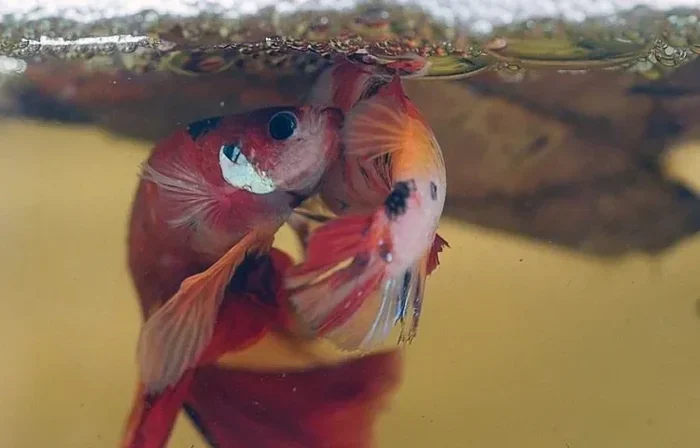
This is the most obvious sign. If your betta fish is gasping at the surface more than usual, it could be choking. Normal bettas do come up for air because they are labyrinth fish. However, a choking betta will gasp frantically and seem unable to get enough air. The movement looks urgent and panicked. If your fish is gasping and darting at the surface, take notice immediately.
Spitting Out Food
Bettas are eager eaters. If your fish suddenly spits out its food, something is wrong. A choking betta may pick up food, then spit it right back out. You might also notice the fish chewing on the food but not swallowing. This behavior is a clear signal that eating has become painful or impossible.
Clamped Fins and Body Stress
When a betta fish is in distress, it often holds its fins close to its body. This is called clamping. Clamped fins are a sign of stress and discomfort. If your fish is clamping its fins along with other symptoms on this list, choking could be the cause. You might also notice the fish rubbing against objects in the tank or hiding more than usual.
Labored Gill Movement
Watch the gills closely. Healthy bettas move their gills in a smooth, steady rhythm. A choking betta will have rapid, shallow gill movements. The gills may appear to flare wider than normal as the fish struggles to pull in oxygen. This is one of the clearest physical signs of choking and should never be ignored.
Loss of Appetite and Lethargy
A betta that is choking will often stop eating altogether. The fish may float listlessly near the bottom of the tank or rest in one spot. Loss of energy and appetite are signs that something is seriously wrong. If your betta fish is not eating and seems unusually tired, choking could be the reason.
Common Causes of Choking in Betta Fish
Knowing the symptoms is only half the battle. Understanding what causes choking helps you prevent it from happening. Here are the most common reasons a betta fish might choke.
Oversized Food Pellets
This is the number one cause of choking in pet bettas. Many commercial betta pellets expand in water. If a betta tries to eat a dry pellet that is too large, the pellet can swell inside the mouth or throat. The fish simply cannot pass the food along. This is why soaking pellets before feeding is so important.
Food Impaction
Food impaction happens when food builds up in the digestive tract. Bettas have small stomachs, roughly the size of their eye. Overfeeding leads to blockages that can cause choking-like symptoms. A betta that has eaten too much dry food without enough moisture is at high risk for impaction.
Poor Water Quality
Dirty water stresses betta fish and weakens their immune system. When water quality is bad, bettas are more prone to health issues, including breathing difficulties that can look like choking. High ammonia and nitrite levels irritate the gills and make it harder for the fish to breathe properly.
Swallowing Small Objects
Sometimes bettas accidentally swallow small pebbles, gravel, or tank decorations. These objects can get stuck in the throat or digestive system. While this is less common than food-related choking, it does happen and can be very serious.
Live Food Risks
Live foods like bloodworms and brine shrimp can be risky. Large or tough live prey can be hard for a betta to swallow properly. If the live food is too big or moves in a way that startles the fish, the betta might choke while trying to catch it.
What to Do If Your Betta Fish Is Choking
If you see signs of choking, do not panic. There are clear steps you can take right away to help your fish. Acting quickly gives your betta the best chance of recovery.
Step 1: Remove All Food from the Tank
Stop feeding immediately. Any remaining food in the tank can make the problem worse. Use a small net or turkey baster to remove uneaten food from the water. This prevents the fish from trying to eat more and making the blockage worse.
Step 2: Check the Water Quality
Test the water for ammonia, nitrite, and nitrate levels. Poor water quality makes breathing harder for any fish. If the water is dirty, do a partial water change of about 25 to 30 percent. Use water that is the same temperature as the tank. Clean water helps reduce stress and supports healthy gill function.
Step 3: Lower the Water Level Slightly
This might sound unusual, but lowering the water level a bit can help a choking betta. Bettas need to swim to the surface to breathe air. If the water level is high, it takes more effort to reach the surface. A slightly lower water level makes it easier for your fish to get air. Just make sure the water temperature stays stable.
Step 4: Offer a Soaked Pea
Peas are a natural remedy for digestive blockages in bettas. Take a single pea, cook it until soft, and peel off the skin. Break it into tiny pieces and offer it to your fish. The fiber in peas helps push food through the digestive system. For more detailed instructions on feeding peas to your betta, check out our guide on how to feed a pea to a betta fish.
Step 5: Watch and Wait
After taking these steps, observe your fish closely for the next few hours. Look for signs of improvement like normal gill movement, interest in food, and relaxed fins. If the fish starts breathing more easily and shows signs of recovery, you are on the right track.
When to Seek Professional Help
If your betta does not improve within a few hours, it is time to get expert help. A fish veterinarian or experienced aquarist can assess the situation more thoroughly. They may recommend medication or other treatments. If you are dealing with a sick fish and not sure what to do, our article on how to help a betta fish that is sick offers additional guidance for emergency care.
Preventing Choking in Your Betta Fish
Prevention is always better than treatment. Taking a few simple steps can greatly reduce the risk of your betta fish choking. Here is what you can do to keep your fish safe.
Choose the Right Size Food
Buy betta pellets that are specifically sized for betta mouths. Look for pellets that are small and soft. Avoid flakes meant for tropical community fish, as they are often too large or dissolve too quickly. High-quality betta pellets are designed to be the right size and shape for your fish.
Soak Dry Food Before Feeding
Always soak pellets or freeze-dried food for a few minutes before offering it to your betta. This allows the food to absorb water and soften. Soaked food is much easier to swallow and digest. It also prevents the food from expanding inside your fish’s stomach or throat.
Feed Small Amounts Multiple Times a Day
Instead of one large feeding, offer small amounts two to three times a day. Bettas have tiny stomachs, so small portions are much safer. A good rule of thumb is to feed only what your fish can eat in two to three minutes. Remove any uneaten food right away to keep the tank clean.
Maintain Excellent Water Quality
Regular water changes and proper filtration keep the tank environment healthy. Test your water parameters weekly. Keep ammonia and nitrite levels at zero. Good water quality supports strong gill function and overall health, which makes your betta less vulnerable to choking and other problems.
Avoid Overfeeding
Overfeeding is one of the biggest mistakes new betta owners make. Excess food rots in the water and causes blockages. Feed your betta only what it can consume in a few minutes. A healthy betta appetite is a good sign, but too much food creates real risks.
Create a Stress-Free Environment
Stressed fish are more likely to experience health problems, including breathing difficulties. Keep the tank in a quiet area away from loud noises and sudden movements. Provide hiding spots with plants or decorations. A calm, stable environment helps your betta stay healthy and relaxed.
How to Tell If a Betta Fish Is Choking vs. Other Health Issues
It is easy to mistake choking for other betta health problems. Many symptoms overlap with different conditions. Here is a quick comparison to help you tell the difference.
- Choking: Sudden gasping, spitting food, and visible distress right after eating. The fish may clamp its fins and hover near the surface.
- Swim Bladder Disease: The betta floats to the top or sinks to the bottom and struggles to maintain balance. Eating problems are common, but gill movement is usually normal.
- Gill Disease or Infection: Redness or swelling around the gills. The fish breathes rapidly but does not necessarily spit out food. Water quality issues are often the root cause.
- General Stress: Clamped fins, hiding, and loss of appetite. Stress can cause labored breathing, but it usually improves once the stressor is removed.
If you are still unsure about what is wrong with your fish, it is always a good idea to compare symptoms with broader guides on betta health. Check out our article on how can you tell if your betta fish is sick for a detailed look at the many ways bettas show signs of illness. Also, if your betta is showing signs of severe distress, learning how to tell if your betta fish is dying can help you understand the difference between a choking episode and a more serious, life-threatening condition.
Understanding these differences helps you respond correctly. Choking requires immediate action focused on clearing the airway and supporting breathing. Other conditions may need different treatments. When in doubt, always start by checking the water quality and removing any food from the tank.
Quick Tips for Betta Fish Owners
- Soak all dry food for at least two minutes before feeding your betta.
- Feed tiny portions and remove anything your fish does not eat within three minutes.
- Watch your fish eat every time to catch choking early.
- Keep a testing kit on hand to check water parameters weekly.
- Do not overfeed. Bettas need far less food than most owners think.
- Know the signs of distress so you can act quickly when something goes wrong.
- Keep your tank at the right temperature between 78 and 80 degrees Fahrenheit for optimal health.
Final Thoughts on How to Tell If a Betta Fish Is Choking
Knowing how to tell if a betta fish is choking is an essential part of responsible fish ownership. The signs are there if you know what to look for. Gasping at the surface, spitting out food, clamped fins, and labored gill movement are all clear warnings. The sooner you recognize these signs, the faster you can take action and help your fish recover.
Most choking episodes can be resolved with quick, calm responses. Remove the food, check the water, and offer a soft pea if needed. Prevention through proper feeding habits and clean water goes a long way in keeping your betta safe. A well-cared-for betta fish is a happy, healthy fish that brings joy to your home for years to come.
Remember that every fish owner will face health challenges at some point. The fact that you are learning about choking shows that you care deeply about your pet. Trust your instincts, stay observant, and never hesitate to seek professional help when you need it. Your betta fish depends on you for its well-being, and with the knowledge you now have, you are well prepared to give it the best care possible.
Frequently Asked Questions
Can a betta fish die from choking?
Yes, if a betta fish is completely blocked and cannot breathe or pass food, it can be fatal. This is why quick action is so important. Most choking episodes are treatable if you respond fast and follow the right steps.
How long does it take for a betta fish to recover from choking?
Recovery time depends on the severity of the blockage. Mild cases often improve within a few hours after you remove food and clean the water. More serious blockages may take a day or two and might require professional treatment.
What food should I avoid feeding my betta fish to prevent choking?
Avoid large dry pellets that have not been soaked, freeze-dried foods that expand in water, and live food that is too large for your betta’s mouth. Always choose food specifically made for betta fish and prepare it properly before feeding.
Is choking the same as a betta fish having a swim bladder issue?
No, they are different conditions. Choking involves a physical blockage in the throat or digestive tract. Swim bladder disease affects the fish’s ability to control buoyancy. However, both can cause loss of appetite and unusual swimming behavior, so it is important to observe your fish carefully.
Should I change all the water if my betta is choking?
No, do not change all the water at once. A full water change can shock your betta and make the situation worse. Instead, do a partial water change of about 25 to 30 percent. This cleans the water while keeping the environment stable for your fish.
Can poor water quality cause a betta fish to choke?
Poor water quality does not directly cause choking, but it weakens the fish and makes breathing problems worse. High levels of ammonia and nitrite irritate the gills and stress the fish. Keeping water clean is one of the best ways to prevent choking and many other health issues.