How to Teach a Betta Fish to Flare
Teaching your betta fish to flare is a fun and rewarding experience that every betta owner can enjoy. Flaring is a natural behavior where your betta spreads its gills and fins to appear larger and more impressive. With the right setup, patience, and positive reinforcement, you can encourage this stunning display safely. This guide covers everything from understanding why bettas flare to step-by-step training methods that really work.
Betta fish are some of the most beautiful and entertaining pets you can keep. Their flowing fins and vivid colors make them a joy to watch. But there is something truly spectacular about watching a betta flare. That dramatic display of puffed gills and spread fins can take your breath away. If you have ever wondered how to get your betta to show off this behavior, you are in the right place.
Teaching a betta fish to flare is simpler than most people think. It does not require fancy equipment or years of experience. You just need the right approach, a little patience, and a genuine understanding of your fish. Whether you are a complete beginner or a seasoned betta keeper, this guide will walk you through every step. Let us dive in and explore how to bring out the best in your colorful companion.
Key Takeaways
- Flaring is natural: Betta fish flare as a defense and display behavior, and it can be encouraged safely with the right approach.
- Environment matters: Proper tank setup and water conditions are the foundation for healthy flaring behavior.
- Use a mirror sparingly: A mirror is a great training tool, but overuse can cause stress and exhaustion.
- Bonding enhances training: Building trust with your betta makes all training sessions more effective and enjoyable.
- Watch for stress: Knowing the signs of overstimulation helps you keep your betta happy and healthy during training.
- Consistency is key: Short, regular training sessions produce the best results over time.
- Never force flaring: Patience and gentle encouragement always outperform pushing your fish too hard.
📑 Table of Contents
Understanding Why Betta Fish Flare
Before you start any training, it helps to understand what flaring actually is and why bettas do it. Flaring is a natural instinct for betta fish. It is deeply rooted in their behavior and serves several important purposes in the wild.
What Exactly Is Flaring?
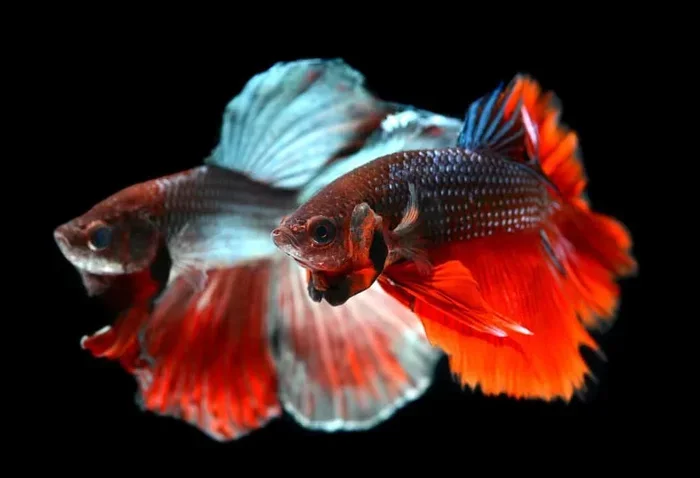
When a betta flares, it spreads its gill plates wide and extends its fins to look as large as possible. This makes the fish appear bigger and more intimidating to rivals or threats. Both male and female bettas can flare, though males tend to do it more dramatically. The behavior is fast and explosive, often lasting just a few seconds before the fish settles back down.
Why Do Bettas Flare in the First Place?
In their natural habitat in Southeast Asia, bettas flare for a few key reasons. They flare to defend their territory from other male bettas. They flare to impress potential mates. And they flare when they feel threatened by a larger animal or unfamiliar sight. Understanding these triggers is the first step in teaching your fish to flare on command.
It is important to note that flaring is not always a bad thing. Many betta owners enjoy seeing their fish flare because it shows a healthy, alert, and confident fish. The goal is to encourage flaring in a controlled and stress-free way. You never want to overdo it or make your fish feel genuinely threatened.
Setting Up the Right Environment
A proper environment is the foundation of any successful training. If your betta is stressed or uncomfortable, it will not want to display natural behaviors like flaring. You need to create a space where your fish feels safe and stimulated.
Tank Size and Setup
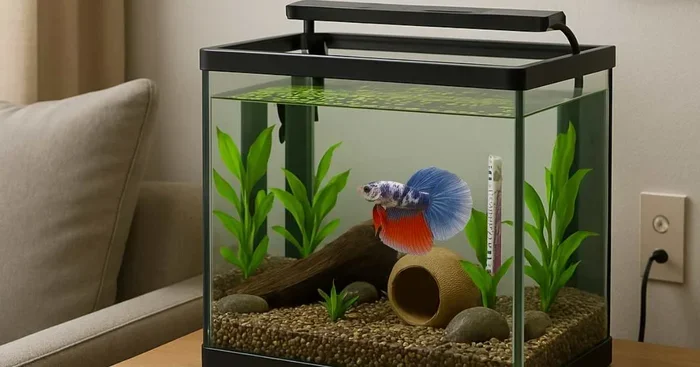
Many people keep bettas in small bowls, but a larger tank makes a big difference. A tank of at least 5 gallons gives your betta room to swim and explore. This extra space reduces stress and encourages natural behaviors. Add some plants, caves, and decorations to make the environment interesting. Your betta will feel more confident and display more flaring when it has a stimulating home.
Water Conditions for Optimal Health
Clean, warm water is essential for a happy betta. The temperature should stay between 78 and 80 degrees Fahrenheit. Use a gentle filter to keep the water moving without creating too much current. Regular water changes and proper betta fish water care will keep your fish healthy and active. A stressed fish in dirty water will not flare, no matter what you do.
Lighting and Visual Stimuli
Betta fish respond well to visual stimuli. Soft lighting helps them feel secure while still allowing them to see their surroundings. Avoid harsh fluorescent lights that can startle your fish. A well-lit tank with natural-looking decorations gives your betta the confidence to explore and display its colors and behaviors.
How to Teach a Betta Fish to Flare
Now for the fun part. Teaching your betta to flare is a straightforward process, but it does require consistency and care. The goal is to trigger the natural flaring response in a safe and repeatable way. Here are the most effective methods.
Method 1: Using a Mirror Safely
A small mirror is one of the most popular and effective tools for encouraging flaring. When a betta sees its own reflection, it often thinks there is a rival fish nearby. This triggers the natural territorial flaring response.
Here is how to do it properly:
- Use a small, hand-held mirror that you can hold outside the tank.
- Place the mirror against the glass for 5 to 10 minutes at a time.
- Watch your betta flare and enjoy the display.
- Remove the mirror as soon as your fish seems tired or stressed.
- Never leave the mirror in the tank permanently.
The key is moderation. You can use a mirror session once or twice a day, but never for longer than 10 to 15 minutes. If your betta stops flaring or starts to look exhausted, stop immediately. You can also teach your betta fish to do tricks using similar short-session techniques, which builds on the same trust and training principles.
Method 2: Introducing Visual Stimuli
You do not always need a mirror. Sometimes simply changing the visual environment can trigger a flare. Try placing a brightly colored object near the tank. A red or orange decoration can mimic the appearance of another betta and spark a territorial response. Just make sure the object is safe and does not leach any chemicals into the water.
Method 3: Using a Tank Divider
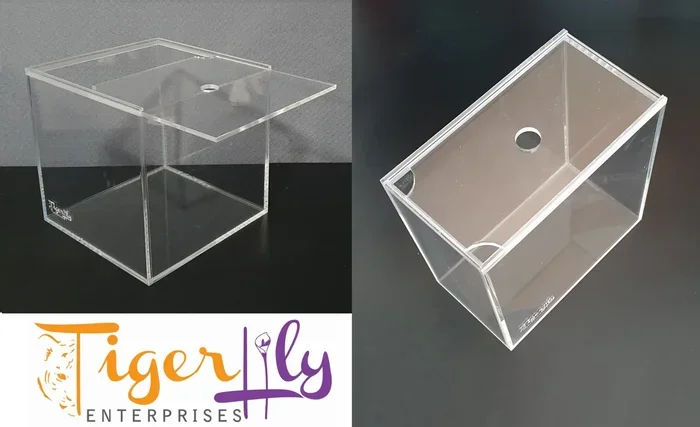
If you have another betta in a nearby tank, a tank divider can be a powerful flaring trigger. Your fish can see the other betta through the divider and will often flare in response. This is a more natural and sustained way to encourage flaring compared to a mirror. Just make sure the divider is secure and that neither fish can reach the other.
Building Trust and Bonding During Training
Training works best when your betta trusts you. A fish that feels safe around its owner is more responsive and more willing to display natural behaviors. Building this bond takes time, but the rewards are well worth the effort.
The Role of Positive Reinforcement
Just like with other pets, positive reinforcement works wonders with bettas. After each training session, reward your fish with a small treat like a bloodworm or brine shrimp. This creates a positive association with the training experience. Over time, your betta will become more eager and responsive during sessions.
Daily Interaction Habits
Spend time near your tank every day. Talk to your fish gently. Move your hand slowly near the glass. These small actions help your betta get used to your presence and build trust. You can also grow a bond with your betta fish by feeding by hand and observing your fish’s behavior daily. A bonded betta is a more confident betta, and confidence leads to more flaring.
Reading Your Betta’s Body Language
Learning to read your betta’s body language is one of the most valuable skills you can develop. A relaxed betta will have open fins and steady movement. A stressed betta will clamp its fins close to its body and hide or stay at the bottom of the tank. If you notice signs of stress, stop the training session and give your fish time to recover.
Common Mistakes to Avoid
Even with the best intentions, many betta owners make mistakes during flaring training. Avoiding these common errors will keep your fish healthy and happy.
Overstimulating Your Betta
The most common mistake is flaring too often or for too long. When a betta flares repeatedly without rest, it becomes exhausted. This can weaken its immune system and lead to health problems. Keep mirror sessions short and limit them to once or twice a day. Your fish needs time to recover between sessions.
Ignoring Stress Signals
Some owners push through training even when their fish shows signs of distress. If your betta stops flaring, starts breathing heavily, or tries to hide, the session is over. Forcing your fish to continue will only damage the trust you have built and make future training harder.
Using Dirty Water or Poor Conditions
A fish kept in poor water conditions will be too stressed to flare. Always maintain clean water, proper temperature, and good filtration. If you neglect basic betta care, no amount of training will produce the results you want. Healthy fish display natural behaviors more freely and more frequently.
Skipping the Bonding Phase
Jumping straight into training without building trust is another mistake. Your betta needs to feel comfortable with you before it will respond well to any training. Take the time to interact gently and consistently before you introduce any flaring exercises.
When Flaring Becomes a Problem
While flaring is a natural and impressive behavior, there are times when it can become a problem. Understanding when to intervene is just as important as knowing how to encourage flaring.
Signs of Chronic Stress
If your betta flares constantly without any clear trigger, it may be stressed. Constant flaring wears a fish out physically and mentally. Signs of chronic stress include loss of color, clamped fins, loss of appetite, and hiding more than usual. If you notice these signs, reduce stimuli in the tank and give your fish time to rest.
How to Calm an Overly Aggressive Betta
Sometimes a betta that flares too much becomes aggressive toward its own reflection or tank mates. To calm an overly aggressive fish, reduce visual triggers. Move the tank to a quieter area of your home. Avoid placing the tank near windows where your fish might see its own reflection or other fish outside. A calm environment promotes a balanced, healthy betta.
When to See a Vet
If your betta’s behavior changes suddenly and dramatically, it could be a sign of illness. Flaring that is accompanied by lethargy, loss of appetite, or physical symptoms like white spots should be investigated. A fish vet or experienced aquarist can help determine if there is an underlying health issue.
Quick Tips for Successful Flaring Training
- Keep mirror sessions short, no more than 5 to 10 minutes.
- Train at the same time each day to build a routine.
- Always end sessions on a positive note with a treat.
- Watch for signs of fatigue and stop immediately.
- Maintain clean water and proper temperature at all times.
- Be patient. Some bettas take longer to respond than others.
- Never use flaring as a competition or entertainment for guests.
Conclusion
Teaching your betta fish to flare is one of the most enjoyable aspects of betta ownership. It connects you more deeply with your fish and gives you a window into their natural behavior. The key is to approach training with patience, respect, and a genuine understanding of what your fish needs. Provide a clean and stimulating environment, use safe methods like mirrors and visual stimuli, and always pay attention to your betta’s comfort level.
Remember that every betta is different. Some will flare eagerly at the slightest provocation, while others need more time and encouragement. The bond you build through consistent, gentle training will pay off in countless moments of beauty and wonder. Enjoy the process, celebrate small wins, and most importantly, have fun with your amazing betta fish.
Frequently Asked Questions
Is flaring bad for betta fish?
Flaring is a natural behavior and is not bad in moderation. However, excessive or forced flaring can cause stress and exhaustion. Keep training sessions short and watch your fish for signs of fatigue. A healthy balance of flaring is perfectly normal and even beneficial for your betta.
How often should I train my betta to flare?
Limit mirror sessions to once or twice a day, each lasting no more than 5 to 10 minutes. This gives your fish enough stimulation without causing stress. Consistency matters more than frequency, so a regular routine produces the best results over time.
Can female betta fish flare?
Yes, female bettas can flare too. While males tend to flare more dramatically, females also display this territorial behavior. Female bettas may flare at reflections, other fish, or new objects placed near their tank. The training approach works the same for both genders.
What should I do if my betta stops flaring during a session?
If your betta stops flaring or seems tired, end the session immediately. Remove the mirror or visual stimulus and let your fish rest. Pushing a tired betta to continue will only create negative associations and increase stress levels.
Do I need a special tank setup to teach flaring?
You do not need a special setup, but a well-maintained tank of at least 5 gallons with proper water conditions and gentle lighting works best. A clean, stimulating environment helps your betta feel confident enough to display natural behaviors like flaring during training.
Can I use flaring training to introduce two bettas?
Flaring training should not be used as a method to introduce two bettas to the same tank. Male bettas are highly territorial and should never be housed together. Flaring sessions are for training and enrichment only, not for testing compatibility between fish.
=== CONCLUSION ===
Teaching your betta fish to flare is a rewarding journey that deepens the connection between you and your pet. By understanding natural behavior, setting up the right environment, using safe training methods, and building trust through bonding, you can enjoy this spectacular display regularly. Always prioritize your fish’s well-being and remember that patience and consistency are your greatest tools. With the tips and techniques in this guide, you are well on your way to becoming a confident betta trainer. Enjoy every moment of the journey and celebrate the beauty that your betta fish brings into your life.