Can African Dwarf Frogs Live with Betta Fish
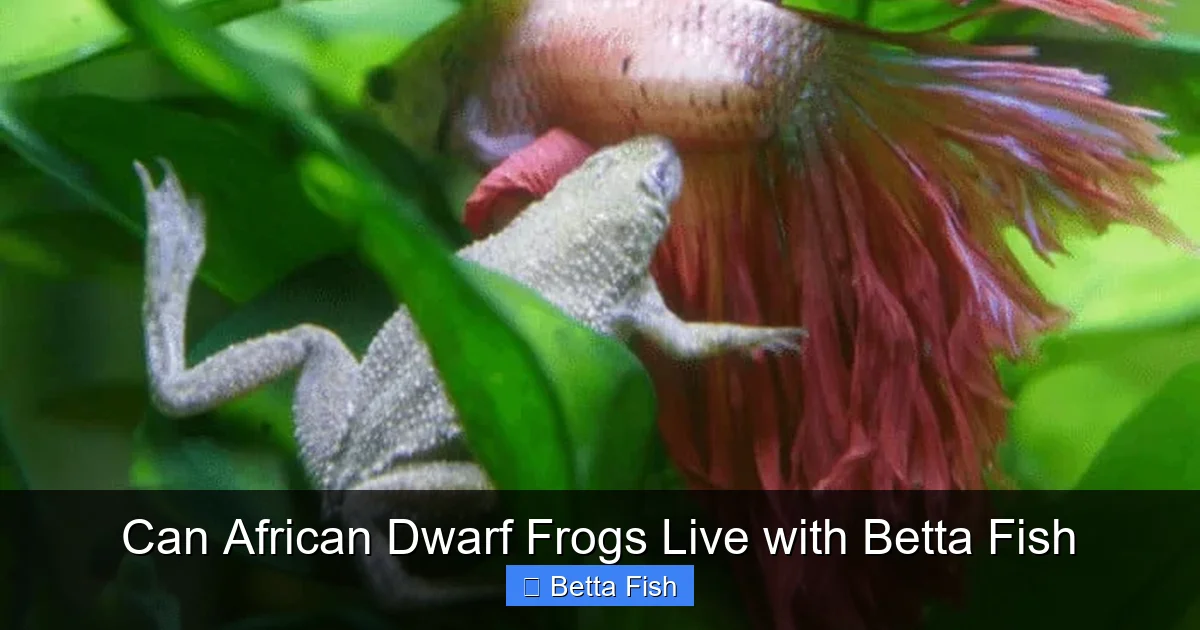
Yes, African dwarf frogs can sometimes live with betta fish, but success depends on tank size, temperament, and careful monitoring. Provide plenty of hiding spots, maintain pristine water, and choose a peaceful betta to create a harmonious community.
Key Takeaways
- Temperament matters: Not all bettas are aggressive; a calm male or female betta improves odds.
- Tank size is crucial: A minimum of 10‑20 gallons gives enough space for both species.
- Water parameters must match: Keep temperature 74‑80°F, pH 6.5‑7.5, and soft‑to‑moderate hardness.
- Provide plenty of cover: Live plants, driftwood, and caves reduce stress for the frogs.
- Watch feeding habits: Feed frogs sinking foods and bettas floating foods to avoid competition.
- Monitor behavior daily: Early signs of stress or aggression require immediate action.
- Consider alternatives: If compatibility fails, keep them in separate tanks with a shared filter system.
📑 Table of Contents
- Introduction: A Curious Pair
- Understanding the Basics of Both Species
- Assessing Compatibility: Can African Dwarf Frogs Live with Betta Fish?
- Setting Up the Perfect Shared Habitat
- Potential Problems and How to Solve Them
- Step‑by‑Step Guide to Introducing Your Betta and Dwarf Frog
- Conclusion: Making an Informed Decision
Introduction: A Curious Pair
When you first see an African dwarf frog hop across the surface of a tank, you might wonder if that little amphibian could become a roommate for your vibrant betta fish. Both are popular among hobbyists because they’re small, colorful, and relatively easy to care for. However, mixing species always carries a risk, especially when one is a known “fighter” like the betta.
In this guide we’ll walk through the science behind water needs, temperament, and tank setup so you can answer the question can African dwarf frogs live with betta fish with confidence. By the end, you’ll know the exact steps to create a peaceful community or decide when it’s best to keep them apart.
Understanding the Basics of Both Species
African Dwarf Frogs: Life Underwater
African dwarf frogs (Hymenochirus spp.) are fully aquatic. They spend their entire lives underwater, breathing through their skin and a pair of tiny lungs that let them surface for a gulp of air. They’re peaceful, social, and love to hide among plants and décor. Their ideal water range is:
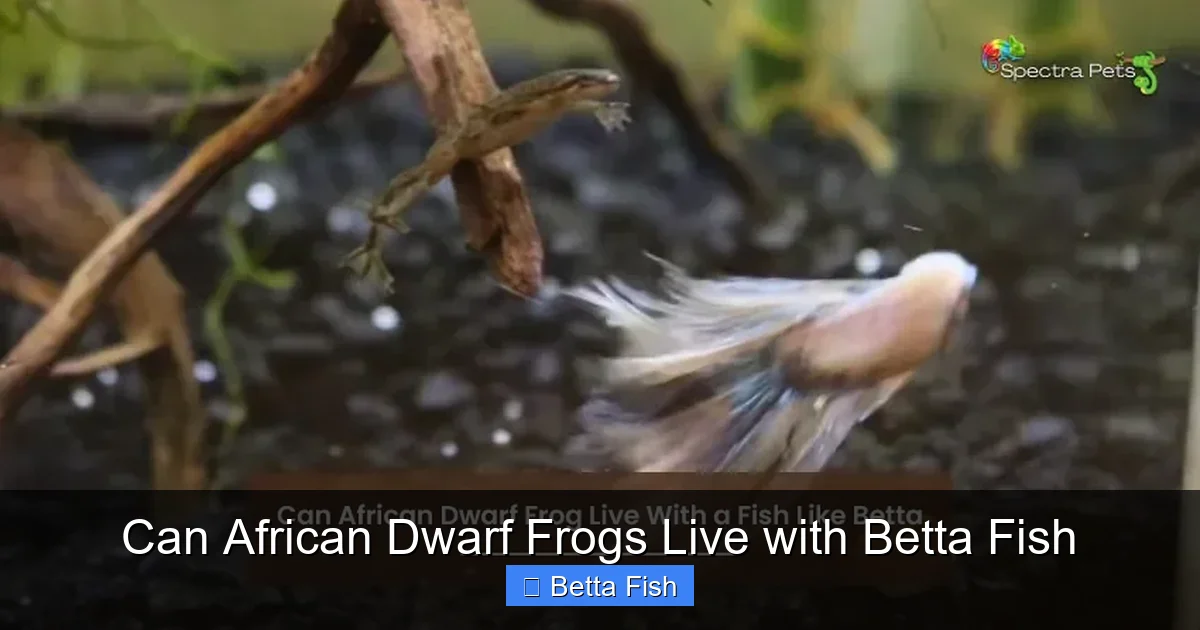
Visual guide about Can African Dwarf Frogs Live with Betta Fish
Image source: spectrapets.com
- Temperature: 74‑80°F (23‑27°C)
- pH: 6.5‑7.5
- Hardness: 4‑12 dGH
Because they are bottom‑dwelling and love to explore, they need plenty of hiding places to feel secure.
Betta Fish: The Siamese Fighter
Betta fish (Betta splendens) are famous for their flamboyant fins and territorial nature. While males are especially aggressive toward other males, they can sometimes coexist with non‑aggressive tankmates. Their water preferences overlap nicely with dwarf frogs:
- Temperature: 76‑82°F (24‑28°C)
- pH: 6.0‑7.5
- Hardness: 5‑20 dGH
Betas are surface feeders and love to show off, so they’ll often hover near the top of the tank, while dwarf frogs stay near the bottom. This vertical separation can reduce conflict, but only if the betta’s temperament is calm.
Assessing Compatibility: Can African Dwarf Frogs Live with Betta Fish?
Key Compatibility Factors
Answering the headline question boils down to three main factors:

Visual guide about Can African Dwarf Frogs Live with Betta Fish
Image source: spectrapets.com
- Temperament of the betta: A peaceful betta (often a female or a male that has been raised with other species) is far more likely to accept a frog.
- Tank size and layout: A cramped 5‑gallon bowl is a recipe for stress. Aim for at least 10‑20 gallons with plenty of décor.
- Water quality: Both species thrive in similar temperature and pH, but ammonia spikes are lethal for frogs.
If you can meet these conditions, many hobbyists report successful cohabitation. However, always be prepared to separate them if aggression or illness appears.
Signs of Trouble
Watch for these red flags during the first two weeks:
- Betta flaring at the frog or nipping at its tail.
- Frog staying motionless at the surface, gasping for air.
- Loss of appetite in either animal.
- Unusual hiding behavior or frequent darting.
At the first sign of stress, move one of the inhabitants to a separate quarantine tank.
Setting Up the Perfect Shared Habitat
Choosing the Right Tank
A 10‑gallon long tank is the sweet spot for a beginner pairing. It provides enough horizontal space for a betta to establish a territory and enough depth for the frog to explore. If you have the budget, a 20‑gallon tank gives even more breathing room and makes water maintenance easier.
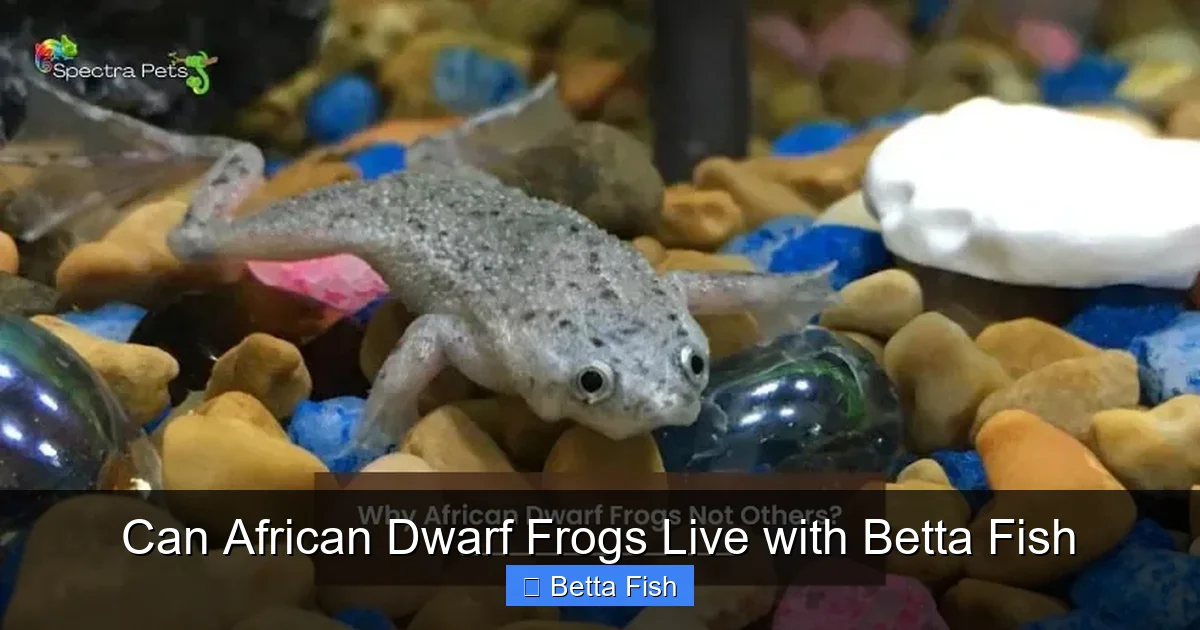
Visual guide about Can African Dwarf Frogs Live with Betta Fish
Image source: spectrapets.com
Essential Décor and Hiding Places
Both species love plants, but they use them differently. Use live plants like Java fern, Anubias, or Amazon swords to create dense foliage at the bottom and mid‑level. Add:
- Small caves or PVC pipes for the frog.
- Floating lily pads or a betta leaf tent for the fish.
- Driftwood and smooth rocks to break line of sight.
These structures not only look natural but also reduce aggression by giving each animal a place to retreat.
Filtration and Water Maintenance
A gentle sponge filter works best. It provides adequate flow without creating strong currents that can stress the frog. Perform weekly 25‑30% water changes and test ammonia, nitrite, and nitrate levels at least twice a week until the tank is fully cycled.
Feeding Both Species
Feed the betta high‑quality pellets or frozen foods once or twice daily, delivering the food near the surface. For the frog, offer sinking pellets, bloodworms, or boiled brine shrimp a few times a week. Avoid overfeeding; leftover food can quickly pollute the water and harm the frog’s delicate skin.
Temperature and Lighting
Maintain a stable temperature of 78°F (25.5°C) using an aquarium heater. A low‑intensity LED light on a 10‑hour cycle mimics natural daylight and encourages plant growth without stressing the betta.
Potential Problems and How to Solve Them
Aggressive Betta Behavior
If the betta repeatedly attacks the frog, the safest solution is to relocate one of them. Some hobbyists have success switching to a female betta, which tends to be less territorial.
Health Issues in Dwarf Frogs
Frogs are sensitive to poor water quality. Signs of illness include:
- White spots (possible fungal infection).
- Reddened skin or frayed toes.
- Lethargy or loss of appetite.
Treat minor issues with a dilute dip in a separate container, and always quarantine new frogs before adding them to a community tank.
Betta Fin Rot and Frog Compatibility
Fin rot in bettas can spread bacteria to the frog’s skin. Keep a close eye on fin health, and treat any infection promptly with aquarium‑safe antibiotics. Maintaining pristine water is the best prevention.
Alternative Tankmates
If a betta proves too aggressive, consider other peaceful companions that share similar water parameters, such as:
- Small rasboras.
- Harlequin rasboras.
- Snails (see Can Betta Fish Live With Snails for more details).
These species are less likely to provoke the betta while still providing a lively environment for the frog.
Step‑by‑Step Guide to Introducing Your Betta and Dwarf Frog
1. Quarantine Both Animals
Start by keeping the betta and frog in separate, disease‑free containers for at least two weeks. This prevents the spread of hidden pathogens.
2. Prepare the Community Tank
Set up the tank with substrate, plants, décor, heater, and filter. Run the tank for a week to ensure temperature stability and water clarity.
3. Test Water Parameters
Make sure temperature, pH, and hardness fall within the overlapping range. Adjust with conditioners or buffers if needed.
4. Introduce the Betta First
Place the betta in the tank and give it 24‑48 hours to establish its territory. Observe its behavior during this period.
5. Add the Dwarf Frog
Use a gentle net to transfer the frog. Place it near a plant or cave to encourage immediate hiding. Watch for any immediate reactions from the betta.
6. Monitor Daily for Two Weeks
Check feeding, swimming patterns, and any signs of stress. Perform water tests more frequently during this adjustment phase.
7. Adjust as Needed
If aggression occurs, consider rearranging décor to break sight lines or moving the betta to a larger tank. In extreme cases, separate the species permanently.
Conclusion: Making an Informed Decision
So, can African dwarf frogs live with betta fish? The answer is yes—under the right conditions. A spacious, well‑planted tank, a calm betta, and vigilant water maintenance are the pillars of a successful partnership. Even then, keep a close eye on behavior and be ready to act if tension arises.
Remember that each fish and frog has a unique personality. What works for one community may not work for another. Use the guidelines above as a roadmap, but always prioritize the health and happiness of both creatures. When in doubt, consult a local aquarium specialist or consider keeping the species in separate tanks linked by a shared filtration system.
Happy fish‑keeping, and may your tank be a thriving, peaceful oasis for both betta and dwarf frog alike!
Frequently Asked Questions
Can African dwarf frogs share a tank with a male betta?
Yes, but only if the male betta is unusually calm. Most male bettas are territorial, so monitor closely for any signs of aggression.
Do betta fish and dwarf frogs need the same water temperature?
Both thrive in 74‑80°F (23‑27°C), making temperature compatibility straightforward. Keep the heater set within this range for both.
What should I do if my betta attacks the frog?
Immediately remove one of the animals to a separate quarantine tank. Re‑evaluate tank size, décor, and the betta’s temperament before trying again.
Can I keep other fish with a betta and dwarf frog?
Yes, small peaceful fish like rasboras or neon tetras can work, provided the tank is large enough. For more ideas, see What Other Fish Can Live With Betta Fish.
Are there any plants that are especially good for this community?
Java fern, Anubias, and Amazon swords are excellent because they thrive in low‑light conditions and provide both surface cover for the betta and bottom cover for the frog.
Is it safe to keep a betta with a goldfish instead of a dwarf frog?
Goldfish grow much larger and produce more waste, which can harm bettas. For details, read Can A Betta Fish Live With Goldfish.