Should I Leave My Betta Fish Tank Closed
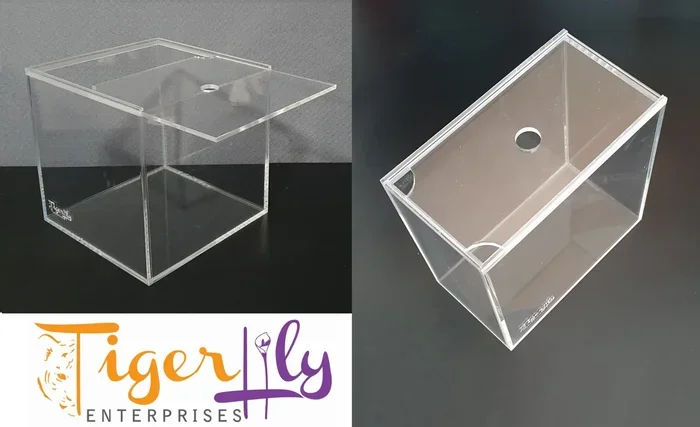
Should I leave my betta fish tank closed? The short answer is yes — keeping your betta fish tank closed with a proper lid helps maintain humidity, prevents escapes, and supports a healthy tank environment. However, leaving it fully sealed can cause airflow problems and excess heat. The key is finding the right balance with a ventilated lid that keeps your betta safe while allowing proper gas exchange.
You walk past your betta fish tank and notice the water level has dropped again. The room feels a bit warm, and you wonder if that glass top sitting on the tank is doing more harm than good. Should you close it tighter? Leave it open? This is a question a lot of betta owners face, and the answer isn’t as simple as yes or no.
A betta fish tank closed with a proper lid offers real benefits. It keeps your fish from jumping out, holds in humidity, and helps regulate temperature. But a tank that’s too sealed can trap heat and reduce airflow, which creates new problems. Let’s break down everything you need to know about keeping your betta fish tank closed the right way.
Key Takeaways
- Betta fish need a lid: Bettas are jumpers and can escape an open tank, which is dangerous and often fatal.
- A closed tank retains humidity: This helps maintain stable water temperature and reduces the need for frequent top-offs.
- Ventilation matters: A fully sealed tank can trap heat and reduce oxygen levels, so choose a lid with gaps or openings.
- Lid material affects tank health: Plastic mesh, glass, and acrylic lids each offer different benefits for airflow and light.
- Check your tank environment regularly: Even with a lid, monitor temperature, humidity, and water quality to keep your betta thriving.
- Pair the lid with a filter: Using a filter alongside a lid creates the best closed environment for your betta.
📑 Table of Contents
- Why Your Betta Fish Tank Needs a Lid
- Benefits of Keeping Your Betta Fish Tank Closed
- Risks of Leaving Your Betta Fish Tank Closed Too Much
- Best Lid Options for a Betta Fish Tank
- How to Properly Manage a Closed Betta Fish Tank
- Common Mistakes Bettas Owners Make With Tank Lids
- Expert Tips for Keeping Your Betta Fish Tank Closed the Right Way
- So, Should You Leave Your Betta Fish Tank Closed?
Why Your Betta Fish Tank Needs a Lid
Betta fish are natural jumpers. In the wild, they live in shallow rice paddies and slow-moving streams where they can easily leap out of the water. In a home aquarium, that same instinct doesn’t just disappear. A lid is one of the simplest and most important pieces of equipment you can add to your betta fish tank.
Betta Fish Are Escape Artists
It might sound funny, but bettas can and do jump out of tanks. A startled betta can launch itself several inches above the water line. Without a tank lid, your fish could end up on the floor, gasping for air, and in serious danger. Even a short fall can injure your betta or dry it out completely.
Using a betta fish tank lid is the easiest way to prevent this. You don’t need anything fancy. Even a simple mesh cover can save your fish’s life. The key is making sure the lid fits snugly and has no gaps large enough for your betta to squeeze through.
Humidity and Temperature Control
When you keep your betta fish tank closed, the water stays warmer longer. Heat escapes more slowly when there’s a barrier between the tank and the room air. This is especially helpful if your home runs cool or if you keep your tank in a room with fluctuating temperatures.
A closed tank also holds in moisture. Without a lid, water evaporates quickly, which means you need to add fresh water more often. That constant topping off can be a hassle, and it can also cause temperature swings. A sealed tank lid reduces evaporation and keeps conditions more stable for your betta.
However, there’s a balance to strike. You don’t want the tank to become a sauna. More on that below.
Benefits of Keeping Your Betta Fish Tank Closed
There are several strong reasons to keep your betta fish tank closed. Let’s look at the main advantages that make a lid worth adding to your setup.
- Prevents escapes: Your betta stays safely inside the tank where it belongs.
- Reduces evaporation: Less water loss means fewer top-offs and more stable water parameters.
- Maintains warmth: A closed tank holds heat better, which bettas love since they thrive in warm water between 76 and 82 degrees Fahrenheit.
- Keeps debris out: Dust, pet hair, and other particles stay out of the water when the tank is covered.
- Supports a healthy environment: When paired with a filter, a closed tank can create a more balanced ecosystem.
If you’re not sure what kind of lid works best, check out our guide on Can I Put A Lid On My Betta Fish Tank for detailed options and recommendations.
Risks of Leaving Your Betta Fish Tank Closed Too Much
While a closed tank has clear benefits, going overboard can cause problems. A fully sealed betta fish tank with no airflow can create a unhealthy environment over time. Here’s what to watch out for.
Heat Buildup
When a tank is completely sealed, heat has nowhere to go. On a warm day or if your tank sits near a window, the temperature inside the tank can rise quickly. Bettas can tolerate warm water, but temperatures above 85 degrees Fahrenheit become dangerous. Your fish may become stressed, lose appetite, or develop health issues.
The solution is simple: choose a lid that allows some airflow. A mesh or perforated lid lets hot air escape while still keeping your betta safe inside the tank.
Oxygen and Gas Exchange
Your betta needs oxygen to survive. In a completely closed tank, carbon dioxide can build up and oxygen levels can drop. This is especially true if you don’t have a filter running or if the water surface stays very still. Gas exchange happens at the water’s surface, and if that surface is sealed tight, the process slows down.
A filter helps by creating water movement and surface agitation. This promotes healthy gas exchange even when the tank is mostly closed. If you don’t use a filter, consider leaving a small section of the lid open or using a mesh cover that allows air to flow through.
Condensation and Mold
A tightly closed tank can develop heavy condensation on the lid. Over time, this moisture can lead to mold growth on the lid itself or on nearby surfaces. Mold isn’t just unsightly — it can also affect air quality in the room where your tank sits.
To prevent this, wipe down the inside of the lid regularly and make sure there’s at least some ventilation. If you’re dealing with a lot of condensation, a partially open lid or a mesh cover can help solve the problem.
Best Lid Options for a Betta Fish Tank
Not all lids are the same. The right choice depends on your tank size, your betta’s needs, and your room setup. Here are the most popular options for keeping your betta fish tank closed the right way.
| Lid Type | Best For | Airflow | Price Range |
|---|---|---|---|
| Mesh Screen Lid | Ventilation and escape prevention | High | Low to Medium |
| Glass Lid | Heat retention and clean look | Low | Medium |
| Plastic Hood with Light | All-in-one setup with built-in lighting | Medium | Medium to High |
| Partial Lid (Half Cover) | Balancing heat and airflow | High | Low |
| Custom Acrylic Lid | Unique tank shapes and sizes | Adjustable | High |
Mesh Screen Lids
A mesh screen lid is one of the best choices for most betta tanks. It provides excellent airflow while keeping your fish safely inside. Mesh lids come in different materials, including aluminum and plastic. Look for one with a fine mesh that your betta can’t push through.
Mesh lids work especially well if you’re not using a heavy glass hood. They’re lightweight, affordable, and easy to remove for feeding or tank maintenance. If you’re worried about heat loss, you can use a mesh lid on half the tank and a glass cover on the other half.
Glass Lids
Glass lids are great for keeping heat inside the tank. They look sleek and professional, and they do a solid job of reducing evaporation. The downside is limited airflow. If you use a glass lid, make sure you have a filter running and consider leaving a small gap or using a lid with built-in ventilation holes.
Glass lids also work well with tank lights since they can support a light fixture on top. Just be mindful of heat buildup if the light generates warmth.
Plastic Hoods with Built-In Lights
These all-in-one hoods are common in pet stores. They come with a plastic frame and a built-in fluorescent or LED light. They offer moderate airflow and are convenient if you want lighting and a lid in one package.
The downside is that plastic can yellow over time, and the light options are often limited. Still, for a simple and affordable setup, a plastic hood does a good job of keeping your betta fish tank closed while providing illumination.
How to Properly Manage a Closed Betta Fish Tank
Once you’ve chosen the right lid, you need to manage the tank properly. A closed betta fish tank still needs regular care and attention. Here’s how to keep things running smoothly.
Monitor Temperature Daily
Use a reliable aquarium thermometer to check the water temperature every day. If the tank feels too warm, try lifting the lid slightly or moving the tank away from direct sunlight. A small desk fan pointed at the water surface can also help with cooling.
Bettas do best in water between 76 and 82 degrees Fahrenheit. Staying within this range keeps your fish healthy, active, and colorful.
Check Water Quality Regularly
Even with a closed tank, you need to test the water. Ammonia, nitrite, and nitrate levels can shift quickly, especially in smaller tanks. Test your water at least once a week and do partial water changes every one to two weeks.
A good filter makes this easier by removing waste and keeping the water cleaner between changes. Without proper filtration, a closed tank can become a breeding ground for harmful bacteria.
Maintain Humidity Without Over-Sealing
The goal is to keep the tank humid enough to reduce evaporation but open enough to allow gas exchange. A mesh lid or a glass lid with small gaps achieves this balance nicely. If you notice heavy condensation forming, that’s a sign the tank is too sealed.
For more tips on maintaining the right tank environment, check out our guide on where to place your betta fish tank for placement tips that affect temperature and humidity.
Common Mistakes Bettas Owners Make With Tank Lids
Even well-meaning betta owners make mistakes when it comes to tank lids. Here are a few to avoid.
- Using a lid with large gaps: Bettas can squeeze through surprisingly small spaces. Make sure any openings are smaller than your fish.
- Sealing the tank completely: A fully airtight tank restricts oxygen and traps heat. Always allow some airflow.
- Forgetting to check the lid regularly: Lids can warp, crack, or shift over time. Inspect yours weekly to make sure it still fits properly.
- Ignoring the filter connection: A lid works best when paired with proper filtration. Without a filter, a closed tank can quickly become unhealthy.
- Placing the tank near a heat source: A closed lid near a sunny window or heater can cause dangerous temperature spikes. Keep your tank in a stable environment.
Expert Tips for Keeping Your Betta Fish Tank Closed the Right Way
Let’s look at some pro tips that experienced betta keepers use to get the best results from a closed tank setup.
- Start with a mesh lid: If you’re new to betta keeping, a mesh screen lid is the safest and most versatile choice. It offers great airflow and solid protection.
- Add a small fan: A tiny USB-powered fan pointed at the water surface improves gas exchange and helps regulate temperature in a closed tank.
- Use a thermometer with a probe: Wireless thermometers let you monitor the tank temperature from across the room without lifting the lid.
- Clean the lid regularly: Wipe down the inside of the lid once a week to prevent mold and mineral buildup. Use a soft cloth and mild aquarium-safe cleaner.
- Pair with a gentle filter: A sponge filter or hang-on-back filter keeps water moving without creating too much current for your betta.
These simple steps go a long way in keeping your betta fish tank closed in a healthy and balanced way. Your fish will be happier, healthier, and less stressed when the tank environment is well-managed.
So, Should You Leave Your Betta Fish Tank Closed?
The answer is yes — with the right approach. Keeping your betta fish tank closed protects your fish from escaping, maintains stable humidity and temperature, and reduces maintenance work. The key is choosing a lid that balances closure with ventilation.
Avoid fully sealing the tank. Instead, opt for a mesh or partially covered lid that allows air to circulate. Pair your lid with a filter and a regular maintenance routine, and your betta will thrive in a safe, comfortable environment.
If you’re still unsure about the best setup for your tank, remember that covering your betta fish bowl follows many of the same principles. A good cover keeps your fish safe while supporting a healthy tank ecosystem.
Take a few minutes today to check your tank lid. Make sure it fits well, allows airflow, and keeps your betta secure. Your fish will thank you for it.
Frequently Asked Questions
Can I leave my betta fish tank completely open?
You can, but it’s not recommended. Betta fish are strong jumpers and can leap out of an open tank. Without a lid, your fish is at risk of escape, injury, or drying out. Always use some form of cover, even if it’s just a mesh screen.
What happens if my betta fish tank is too closed?
A tank that’s too sealed can trap heat and reduce oxygen levels. This leads to warm, stagnant water that stresses your betta. You may also notice heavy condensation, mold growth, and poor water quality. Balance is key when keeping your betta fish tank closed.
Do betta fish need a lid at night?
Yes, bettas need a lid at all times, including at night. Bettas can jump at any time, and a closed lid prevents escapes during the night when you’re not watching the tank. A lid also helps maintain stable temperature overnight.
Can I use a glass lid for my betta fish tank?
Yes, a glass lid works well for betta tanks. It retains heat and reduces evaporation effectively. Just make sure the glass lid has some ventilation holes or leave a small gap to allow airflow. Without ventilation, a fully sealed glass lid can cause heat buildup and low oxygen levels.
How often should I check the lid on my betta fish tank?
Check your tank lid at least once a week. Look for gaps, cracks, warping, or condensation buildup. A quick inspection during your regular tank maintenance routine keeps everything in good shape and prevents problems before they start.
Is a mesh lid better than a glass lid for a betta fish tank?
A mesh lid offers better airflow and ventilation, which helps with gas exchange and temperature control. A glass lid retains heat better and reduces evaporation more effectively. The best choice depends on your room conditions. In warmer rooms, a mesh lid works well. In cooler rooms, a glass lid or a combination of both can help maintain warmth.
=== CONCLUSION ===
So should you leave your betta fish tank closed? Yes — but do it the smart way. A proper lid keeps your betta safe, maintains stable conditions, and makes tank care easier. The trick is choosing a lid that balances closure with enough ventilation to keep the water oxygenated and the temperature comfortable.
Whether you choose a mesh screen, a glass cover, or a plastic hood, make sure it fits well and allows some airflow. Pair your lid with a reliable filter and a consistent maintenance routine, and you’ll create a healthy home for your betta. Your fish will stay safe, happy, and vibrant in a well-closed tank that has everything it needs to thrive.