How to Take Care of Your Pet Betta Fish

Taking care of a pet betta fish is easier than most people think, but it does require some knowledge and consistency. This guide covers everything you need to know about betta fish care, from setting up the right tank and maintaining water quality to feeding schedules and common health issues. Follow these tips to keep your betta healthy, colorful, and active for years to come.
Owning a betta fish is one of the most rewarding experiences for a pet lover. These vibrant creatures bring color and personality to any room. But many people underestimate what it takes to keep a betta truly healthy and happy.
If you are new to the world of betta keeping or looking to improve your current setup, this guide has you covered. We will walk you through every aspect of betta fish care step by step. By the end, you will feel confident and ready to give your fish the best life possible.
Let us start with the basics and work our way into more advanced topics. Whether you have a tiny bowl or a full aquarium, there is always something new to learn about how to take care of your pet betta fish.
Key Takeaways
- Tank Size Matters: A minimum 5-gallon tank gives your betta room to thrive and reduces stress.
- Water Quality Is Critical: Regular water changes and proper filtration keep your betta fish healthy and happy.
- Feed Smart: Overfeeding is one of the most common mistakes. Small, varied meals work best.
- Watch for Warning Signs: Early detection of illness saves lives. Know the signs of common betta fish health problems.
- Environment Counts: A well-decorated tank with gentle filtration and stable temperature supports natural betta behavior.
📑 Table of Contents
Understanding Your Betta Fish
Before you set up a tank, it helps to understand where bettas come from and what they need. Bettas, also known as Siamese fighting fish, originate from the warm, slow-moving waters of Southeast Asia. They are labyrinth fish, which means they can breathe air from the surface. This unique trait makes them more forgiving than other tropical fish, but it does not mean they are low-maintenance.
In the wild, bettas live in rice paddies, flood plains, and slow streams. Their natural betta fish habitat is warm and heavily planted. Replicating these conditions in your home goes a long way toward keeping your fish stress-free.
How Long Do Betta Fish Live?
A well-cared-for betta can live between three and five years, sometimes even longer. The betta fish lifespan depends heavily on the environment you provide. Poor water conditions, incorrect temperatures, and bad diets can shorten that life significantly. On the other hand, a clean tank with proper nutrition can help your betta thrive for years.
Understanding Betta Fish Behavior
Betta fish are curious and interactive. They explore their surroundings, build bubble nests, and respond to their owners. A happy betta will swim actively and show off bright colors. If your fish seems lethargic or hides often, something in the environment may need adjusting. Paying attention to betta fish behavior is one of the best ways to catch problems early.
Setting Up the Perfect Tank
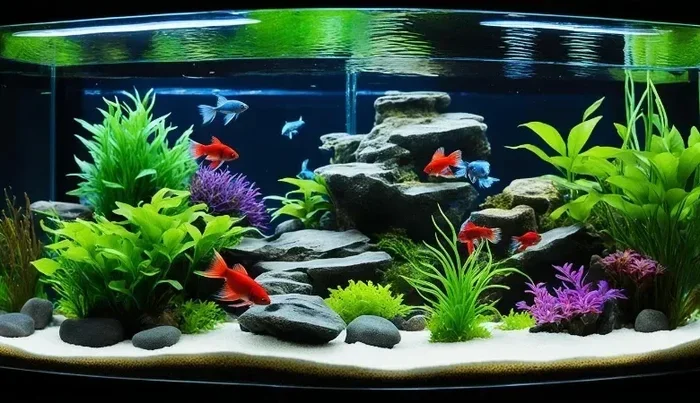
The foundation of great betta fish care starts with the right tank setup. Many people make the mistake of keeping bettas in tiny bowls. While bettas can survive in small spaces, they truly thrive when given room to move. A proper setup reduces stress and promotes natural behaviors.
Choosing the Right Tank Size
A 5-gallon tank is the minimum recommended size for a single betta. This gives your fish enough space to swim and explore. Larger tanks, such as 10 or 20 gallons, are even better because they provide more stable water conditions. Small bowls and vases are not ideal and can lead to health problems over time.
Essential Tank Equipment
Every betta tank needs a few key pieces of equipment:
- Filter: A gentle sponge filter works best. Bettas do not like strong currents, so avoid powerful hang-on-back filters without baffles.
- Heater: Bettas need warm water between 76 and 82 degrees Fahrenheit. An aquarium heater keeps the temperature stable.
- Thermometer: A simple stick-on thermometer lets you monitor the temperature daily.
- Lighting: Standard LED aquarium lights work well. Avoid direct sunlight, which can cause temperature spikes and algae blooms.
For decoration ideas, check out our guide on how to decorate your betta fish tank for creative and safe options.
Substrate and Décor
Soft substrates like fine gravel or sand are safe choices. Avoid rough gravel that can damage your betta’s delicate fins. Add live or silk plants for hiding spots and enrichment. Real plants also help with water quality by absorbing nitrates. Just make sure any décor has smooth edges to protect those beautiful fins.
Feeding Your Betta Fish
Feeding is one of the most important parts of how to take care of your pet betta fish. A proper diet keeps colors vibrant, energy levels high, and the immune system strong. Many fish owners overfeed their bettas, which leads to obesity and poor water quality.
What to Feed Your Betta
Betta fish are carnivores. They need a protein-rich diet. High-quality betta fish food pellets should form the staple of their meals. Look for pellets where the first ingredient is whole fish or fish meal. You can also offer frozen or live foods like brine shrimp, bloodworms, and daphnia as treats.
Variety is key. Just like humans, bettas do better with a balanced diet. Rotate between pellets and occasional treats to keep mealtime interesting and nutritious.
How Often and How Much to Feed
Feed your betta two small meals per day. A good rule of thumb is to offer only what your fish can eat in two minutes. Remove any uneaten food after feeding to keep the water clean. If you are planning a trip, learn how to feed your betta fish while on vacation so your fish stays healthy even when you are away.
Common Feeding Mistakes
- Overfeeding: This is the number one mistake. Excess food rots in the water and causes ammonia spikes.
- Feeding only flakes: Tropical flakes lack the protein bettas need. Stick to pellets or specialized betta diets.
- Skipping meals: Some owners think fasting is beneficial. While a light fast once a week can help digestion, regular skipping is not recommended.
Maintaining Water Quality
Water quality is the single most important factor in betta fish care. Poor water leads to stress, illness, and shortened lifespan. Keeping the water clean and stable should be your top priority as a betta owner.
Water Parameters for Betta Fish
Bettas prefer specific water conditions. Here are the ideal ranges:
- Temperature: 76 to 82 degrees Fahrenheit
- pH Level: 6.5 to 7.5
- Ammonia: 0 ppm
- Nitrite: 0 ppm
- Nitrate: Below 20 ppm
Use a liquid test kit to monitor these parameters regularly. Test strips are convenient but less accurate. Investing in a good kit pays off in the long run.
Water Changes and Maintenance
Perform a 25 to 30 percent water change every week. This removes built-up toxins and keeps the environment fresh. Use a gravel vacuum to clean the substrate during water changes. Always treat new water with a water conditioner to remove chlorine and chloramine before adding it to the tank.
For more detailed guidance on water management, read our article on how to take care of betta fish water. It covers essential water care practices in depth.
Filtration and Cycling
A cycled tank is a stable tank. The nitrogen cycle converts harmful ammonia into less toxic nitrates. Before adding your betta, make sure the tank has fully cycled. This process takes about four to six weeks. Using a filter media from an established tank can speed things up. Once the tank is cycled, maintain it with regular water changes and filter cleanings.
Keeping Your Betta Fish Healthy
Even with the best care, bettas can sometimes fall ill. Knowing the signs of common problems helps you act fast. Prevention is always better than cure, but early treatment makes a huge difference.
Common Betta Fish Illnesses
- Fin Rot: Frayed or discolored fins are often a sign of bacterial infection. Improve water quality and consider a mild treatment.
- Constipation: A swollen belly and lack of appetite can indicate overfeeding. Feed peas (with shells removed) as a natural remedy.
- Ich (White Spot Disease): White spots on the body and fins signal a parasitic infection. Raise the temperature slightly and use appropriate medication.
- Swim Bladder Disorder: Difficulty swimming or floating upside down often results from overfeeding or poor diet. Fasting for a day can help.
If your betta shows signs of illness, act quickly. Our article on how to care for sick betta fish provides detailed treatment steps for common conditions.
Prevention Tips
The best medicine is prevention. Keep the water clean, feed a balanced diet, and avoid sudden temperature changes. Quarantine any new fish before introducing them to your betta’s tank. Stress is the biggest trigger for illness, so a calm and stable environment is your best defense.
When to See a Vet
If your betta does not improve within a few days of home treatment, consider consulting a fish veterinarian or a knowledgeable aquarium specialist. Some conditions require prescription medications that over-the-counter treatments cannot address.
Common Mistakes to Avoid
Even experienced fish keepers make mistakes. Here are some common pitfalls to watch out for when caring for your pet betta fish.
Mistake 1: Keeping Your Betta in a Tiny Bowl
Small bowls restrict movement and make water quality nearly impossible to maintain. A 5-gallon tank is the bare minimum. Your betta will be happier, healthier, and more active in a larger space.
Mistake 2: Ignoring Water Temperature
Bettas are tropical fish. Cold water slows their metabolism and weakens their immune system. An aquarium heater is not optional. It is essential for long-term health.
Mistake 3: Overfeeding
It is easy to give in to those big, begging eyes. But overfeeding causes bloating, constipation, and dirty water. Stick to a consistent feeding schedule and portion size.
Mistake 4: Using Harsh Cleaning Products
Never use soap or chemical cleaners on your tank or decorations. Residue is deadly to fish. Rinse everything with plain water and use a dedicated aquarium scrubber if needed.
Mistake 5: Skipping Water Changes
Even with a filter, toxins build up over time. Regular water changes are non-negotiable for healthy betta fish care. Set a weekly reminder if you need to stay on track.
Conclusion
How to take care of your pet betta fish comes down to a few simple principles: the right tank, clean water, proper nutrition, and a watchful eye. These beautiful fish reward your effort with vibrant colors, playful behavior, and years of companionship.
Start with the basics and build from there. Every small improvement you make to your setup or routine will have a positive impact on your betta’s well-being. Remember that consistency matters more than perfection. Even experienced keepers learn new things every day.
Take pride in your role as a betta owner. Your fish depends on you for everything, and with the knowledge you have gained from this guide, you are well-equipped to give your pet a wonderful life. Enjoy the journey and watch your betta thrive.
Frequently Asked Questions
What size tank does a betta fish need?
A minimum of 5 gallons is recommended for a single betta fish. While bettas can survive in smaller containers, they thrive best in larger tanks that provide stable water conditions and room to swim. A 10-gallon tank is an excellent choice for a happy, healthy betta.
How often should I change my betta fish water?
Perform a 25 to 30 percent water change every week. This removes accumulated toxins and keeps the environment clean. Always use a water conditioner to treat tap water before adding it to the tank, and match the temperature of the new water to the existing tank water.
Can betta fish live with other fish?
Bettas can sometimes live with certain peaceful community fish, but they are best kept alone due to their territorial nature. Avoid keeping two male bettas together, as they will fight. If you want tank mates, choose calm, non-fin-nipping species and provide plenty of space.
What is the best food for betta fish?
High-quality betta pellets made from whole fish or fish meal are the best staple food. Supplement with frozen or live foods like brine shrimp and bloodworms for variety. Avoid feeding only tropical flakes, as they lack the protein bettas need.
Why is my betta fish not eating?
A loss of appetite can signal stress, poor water quality, or illness. Check your water parameters and temperature first. If the environment is stable, try offering different foods like live brine shrimp or soaking pellets to make them more appealing.
How can I tell if my betta fish is happy?
A happy betta will be active, curious, and display bright, vivid colors. They will build bubble nests, explore their tank, and respond to their owner. If your fish seems lethargic, hides frequently, or shows faded colors, something in their environment may need adjustment.