How to Take Careof a Betta Fish

Learning how to take care of a betta fish is easier than most people think. With the right tank setup, clean water, and a proper diet, your betta can live a happy and healthy life for up to five years. This guide covers everything you need to know, from choosing the perfect tank to spotting early signs of illness.
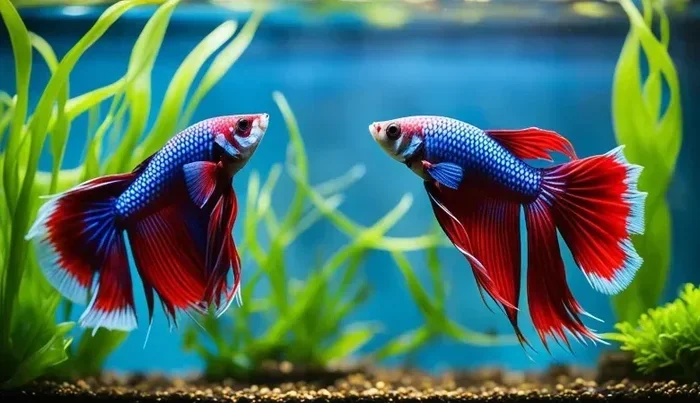
Keeping a betta fish can be one of the most rewarding experiences for a pet owner. These colorful creatures are known for their flowing fins and curious personalities. But many people underestimate what it takes to keep a betta truly healthy. Learning how to take care of a betta fish properly starts with understanding their basic needs.
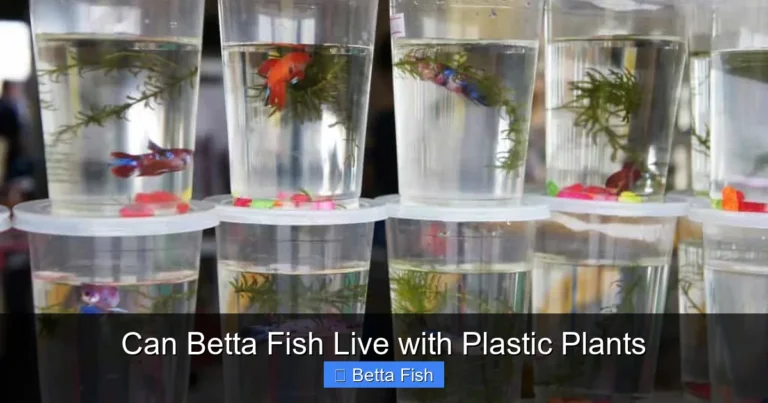
Bettas are often sold in small cups at pet stores. This gives the wrong impression that they can live in tiny spaces with little attention. The truth is quite different. A well-cared-for betta fish will display vibrant colors, active swimming, and engaging behavior. This guide walks you through every essential step to give your betta the best life possible.
Key Takeaways
- Tank Size Matters: A minimum 5-gallon tank gives your betta room to thrive and reduces stress.
- Water Quality Is Critical: Keep the temperature between 76-82°F and cycle the tank regularly to remove toxins.
- Feed Smart: Offer small amounts of high-quality food once or twice a day. Avoid overfeeding at all costs.
- Watch for Illness Signs: Faded colors, clamped fins, and lethargy are early warning signs that need attention.
- Bettas Need Enrichment: Plants, hiding spots, and gentle interaction help keep your betta mentally stimulated and happy.
- Consistency Wins: Regular maintenance routines prevent most common betta fish problems before they start.
📑 Table of Contents
Understanding Your Betta Fish
Before you set up a tank, it helps to understand what makes bettas unique. These fish originate from the warm, shallow waters of Southeast Asia. They are also called Siamese fighting fish because of their territorial nature. Males especially should never be housed together. They will fight aggressively and can injure or even kill each other.
What Makes Bettas Special
Bettas have a special organ called the labyrinth. This allows them to breathe atmospheric air at the surface. It is a survival trait from their natural habitat. Because of this, bettas can tolerate low-oxygen water better than many other fish. However, this does not mean they thrive in dirty or stagnant conditions.
The average betta fish lifespan ranges from three to five years. With excellent care, some bettas live even longer. Your commitment to proper husbandry directly affects how long and how well your fish lives. A neglected betta may only survive a year or two. A well-cared-for betta will be active and colorful for years.
Setting Up the Perfect Tank
The foundation of great betta care is the tank itself. Many beginners make the mistake of buying a tiny bowl. A small bowl limits your fish’s movement and makes water quality nearly impossible to maintain. Setting up a proper fish tank for betta fish is the single most important thing you can do.
Choosing the Right Tank Size
A minimum tank size of 5 gallons is strongly recommended for a single betta. A 10-gallon tank is even better. Larger water volumes are more stable. They dilute waste products and give your fish room to explore. A small bowl or vase may look cute, but it creates an unhealthy environment over time.
Here are some general tank size guidelines:
- 2.5 gallons: Absolute minimum. Not ideal but workable with frequent maintenance.
- 5 gallons: The sweet spot for most single bettas. Easy to manage and stable.
- 10 gallons or more: Best for long-term health. Allows for gentle filtration and heating.
Essential Equipment for Your Betta Tank
A few key pieces of equipment make a huge difference. First, you need a gentle filter. Bettas prefer calm water, so avoid strong hang-on-back filters. Sponge filters work great because they provide biological filtration without creating a strong current. Second, a small aquarium heater is essential. Bettas need warm water between 76 and 82 degrees Fahrenheit.
You should also include a few decorations and live or silk plants. These give your betta places to hide and explore. Bettas love having something to rest on near the surface. A broad-leafed plant or even a betta leaf hammock works perfectly. Avoid sharp plastic decorations that can tear their delicate fins.
If you are new to aquariums, check out our guide on how to set up a fish tank for betta fish for a step-by-step walkthrough of the entire process.
Water Quality and Temperature
Water quality is the backbone of betta fish health. Poor water conditions are the leading cause of illness in captive bettas. Keeping the water clean and stable is not optional. It is essential.
Testing and Maintaining Water Parameters
Bettas thrive in slightly warm, neutral to slightly acidic water. The ideal parameters are:
- Temperature: 76 to 82 degrees Fahrenheit
- pH Level: 6.5 to 7.5
- Ammonia: 0 ppm (parts per million)
- Nitrite: 0 ppm
- Nitrate: Below 20 ppm
You should test your water regularly using a liquid test kit. Test strips are convenient but less accurate. A liquid test kit gives you reliable readings every time. If ammonia or nitrite levels rise above zero, you have a water quality problem that needs immediate attention.
Water Changes and Cycling
A cycling tank establishes beneficial bacteria that break down toxic waste. This process takes about four to six weeks before adding your betta. Once the tank is cycled, perform a 25 to 30 percent water change every week. Use a gravel vacuum to remove debris from the substrate during water changes.
Always treat tap water with a water conditioner before adding it to the tank. Chlorine and chloramine found in tap water are harmful to fish. A good conditioner neutralizes these chemicals instantly. Never add untreated tap water directly into your aquarium.
For more detailed information on maintaining proper water conditions, visit our article on how to take care of betta fish water to learn about testing, changing, and treating your aquarium water.
Feeding Your Betta Fish
Feeding is one of the most straightforward parts of betta care, but it is also where many mistakes happen. Overfeeding is extremely common and can lead to serious health problems. Bettas have small stomachs, roughly the size of their eye.
What to Feed and How Often
A high-quality betta pellet should form the staple of your fish’s diet. Look for pellets with the first ingredient being whole fish or fish meal. Avoid pellets filled with fillers like corn or wheat. These offer little nutritional value and can cause bloating.
Feed your betta two to three pellets once or twice a day. Remove any uneaten food after a few minutes. Excess food decays in the water and pollutes the tank. A couple of fasting days per week can also benefit your betta’s digestive system. Many experienced keepers skip feeding on weekends as a simple routine.
You can also offer occasional treats like frozen or live bloodworms, brine shrimp, or daphnia. These should be given in small amounts as a supplement, not a replacement for a balanced diet. For a fun and healthy treat option, check out our guide on how to feed a pea to a betta fish for tips on using peas to aid digestion.
Common Feeding Mistakes
The most common mistake is overfeeding. Bettas will eagerly accept food even when they are full. This leads to constipation, bloating, and poor water quality. Another mistake is feeding only flakes designed for tropical community fish. These lack the protein content bettas need. A third mistake is feeding too infrequently. While bettas can survive short periods without food, regular feeding supports their metabolism and energy levels.
Keeping Your Betta Healthy
Even with the best care, bettas can sometimes fall ill. Knowing the signs of common health issues helps you act quickly. Early intervention often makes the difference between a full recovery and a declining fish.
Common Betta Fish Illnesses
Several health problems affect bettas regularly. Ich, also known as white spot disease, appears as tiny white dots on the body and fins. It is caused by a parasite and spreads quickly in stressed fish. Another common issue is fin rot, which causes the edges of the fins to look ragged or discolored. Fungal infections show as white cotton-like growths on the body.
If you notice any of these symptoms, isolate your betta in a quarantine tank if possible. Treat the water with appropriate medications. For a detailed guide on handling one of the most common illnesses, see our article on how to treat ich on a betta fish for step-by-step treatment instructions.
Signs of a Stressed or Unhealthy Betta
Watch for these warning signs:
- Faded or dull colors: A healthy betta should display vibrant hues.
- Clamped fins: Fins held close to the body signal discomfort or stress.
- Lethargy: Spending most of the time at the bottom or hiding.
- Loss of appetite: Refusing food for more than a day or two.
- Rapid breathing: Gasping at the surface or moving gills quickly.
- Scratching against objects: Indicates irritation from parasites or poor water quality.
Stress often comes from poor water conditions, incorrect temperatures, or aggressive tank mates. Addressing the root cause is more important than treating symptoms alone. A stable, clean environment prevents most health problems from developing in the first place.
Building a Bond with Your Betta Fish
One of the joys of keeping a betta is the connection you can build over time. Bettas are intelligent fish that can recognize their owners. With patience and gentle interaction, your betta will become more active and responsive around you.
Tips for Bonding with Your Betta
Start by spending time near the tank each day. Sit quietly and let your fish get used to your presence. Many bettas learn to recognize the person who feeds them and will swim to the front of the tank when you approach. Try feeding by hand once your betta is comfortable. This creates a unique and rewarding connection.
You can also try training your betta to follow your finger or swim through a hoop. Use food as motivation and keep training sessions short and positive. Bettas respond well to consistency and gentle handling. Never chase your fish or tap on the glass. These actions cause stress and can damage the trust you are building.
For more ideas on developing a deeper relationship with your pet, explore our guide on how to grow a bond with your betta fish for additional bonding activities and tips.
Enrichment and Mental Stimulation
Bettas need more than just a place to swim. They benefit from mental stimulation and environmental enrichment. Adding live plants creates natural hiding spots and exploration opportunities. Floating plants are especially great because bettas love to rest underneath them near the water surface.
Rearranging decorations occasionally can also spark curiosity and activity. Just be gentle and avoid disturbing the substrate too much, as this can release trapped debris. A stimulating environment leads to a happier, more active betta fish that displays its full range of natural behaviors.
Conclusion
Learning how to take care of a betta fish comes down to a few core principles. Provide a spacious tank with clean, warm water. Feed a balanced diet in appropriate amounts. Watch for early signs of illness and act quickly when needed. Give your betta enrichment and gentle interaction. These simple steps create the foundation for a thriving, colorful companion.
Betta fish are resilient creatures, but they depend on you for their well-being. The effort you invest in proper care pays off in vibrant colors, active swimming, and a fish that clearly enjoys its home. Start with the basics, stay consistent, and enjoy the journey of being a betta fish owner. Your fish will thank you with years of beauty and companionship.
Frequently Asked Questions
How often should I change the water in my betta fish tank?
Perform a 25 to 30 percent water change every week for a well-established tank. If your tank is smaller than 5 gallons, you may need to do partial changes twice a week. Always use treated water that matches the tank temperature to avoid shocking your fish.
Can a betta fish live in a bowl without a filter?
Technically yes, but it is not ideal. A bowl without filtration requires very frequent water changes and close monitoring. A 5-gallon tank with a gentle sponge filter is far better for your betta’s long-term health and makes maintenance much easier.
What is the best food for a betta fish?
High-quality betta pellets should be the staple food. Look for options with whole fish or fish meal as the first ingredient. Supplement with frozen or live foods like bloodworms and brine shrimp occasionally for variety and extra nutrition.
How can I tell if my betta fish is happy?
A happy betta displays vibrant colors, swims actively, and has open, flowing fins. They will explore the tank, show interest in food, and may even build bubble nests. Dull colors, clamped fins, and hiding constantly are signs of stress or illness.
Do betta fish need a heater?
Yes, bettas need a heater to maintain stable water temperatures between 76 and 82 degrees Fahrenheit. Room temperature water is usually too cool for bettas. A small adjustable heater designed for tanks of 5 gallons or more works perfectly.
Can I keep other fish with my betta?
It depends on the tank size and temperament. In a 10-gallon or larger tank, peaceful bottom-dwellers like corydoras or small snails can sometimes coexist. Avoid bright, flashy fish that may trigger aggression. Always monitor interactions closely when introducing new tank mates.