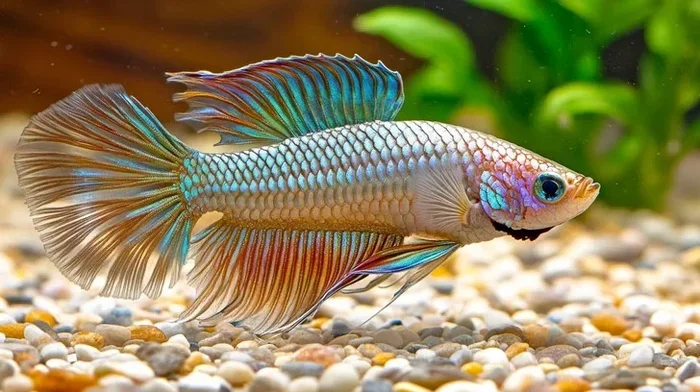
How to Take Care of a Betta Fish with Plant
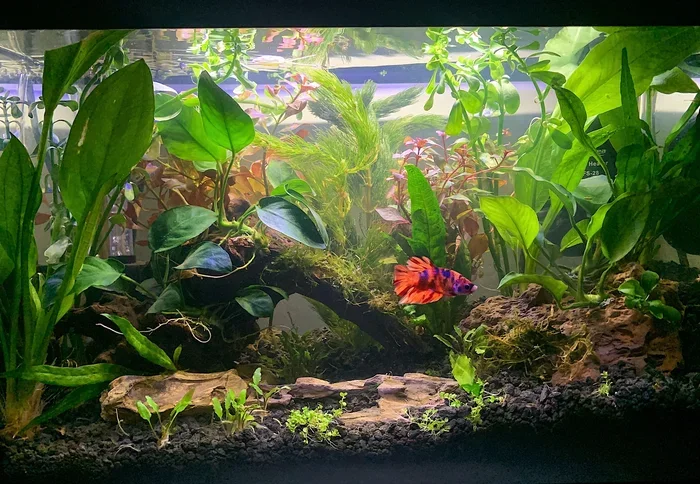
Taking care of a betta fish with plant life in the tank creates a healthier, more natural habitat for your fish. You will learn how to choose the right plants, set up the tank properly, maintain water quality, and keep both your betta and plants thriving together. This guide covers everything from plant selection to daily care routines that make the process simple and enjoyable.
Keeping a betta fish with plant life in your aquarium is one of the most rewarding things you can do as a fish owner. Not only do plants make your tank look beautiful, but they also improve water quality, provide hiding spots, and create a more natural environment for your betta. If you have been wondering how to care for your betta while keeping plants alive, you are in the right place.
Many people think that combining betta fish with live plants is difficult. The truth is, it is simpler than most beginners expect. With the right plant choices, proper tank setup, and a basic maintenance routine, you can build a stunning underwater world that keeps both your fish and plants healthy. This guide walks you through every step of the process in plain language.
Whether you are a complete beginner or someone looking to improve your current setup, you will find practical tips and real advice here. We will cover plant selection, tank preparation, water conditions, feeding habits, and common mistakes to avoid. By the end, you will feel confident about creating a beautiful planted tank for your betta.
Key Takeaways
- Choose the Right Plants: Live plants like java fern, anubias, and amazon sword create a safe and natural environment for betta fish.
- Proper Tank Setup Matters: A tank with plants needs the right size, lighting, and substrate to support both fish and plant health.
- Water Quality Is Critical: Regular water changes and monitoring keep your betta and plants happy and thriving.
- Feeding and Maintenance Go Hand in Hand: A consistent feeding schedule and routine tank cleaning prevent common problems.
- Watch for Signs of Stress: Knowing what a healthy betta looks like helps you catch issues early and respond quickly.
📑 Table of Contents
Why Add Plants to Your Betta Fish Tank
Plants do more than make your tank look pretty. They play a vital role in keeping your betta healthy and comfortable. When you add live plants to a betta tank, you are building a small ecosystem that works together. The plants absorb harmful chemicals like ammonia and nitrates, which means your fish stays in cleaner water longer.
Betta fish in the wild live among dense vegetation in warm, slow-moving waters. Adding plants to your tank mimics that natural habitat. Your betta will feel safer, less stressed, and more likely to show off its natural behaviors. Plants also give your fish places to rest, hide, and explore, which keeps them mentally stimulated.
Beyond the benefits for your fish, plants help stabilize the water parameters in your tank. They produce oxygen during daylight hours, which supports your betta’s breathing. They also host beneficial bacteria that help break down waste. This means less work for you when it comes to betta fish tank maintenance.
Best Live Plants for Betta Fish
Not all plants work well with bettas. You need plants that thrive in warm water, tolerate low to moderate light, and do not have sharp edges that could damage your betta’s long fins. Here are some of the best options:
- Java Fern: A hardy plant that grows in low light. It attaches to rocks and driftwood, so it does not need substrate.
- Anubias: Another low-maintenance plant with broad leaves that provide excellent hiding spots for bettas.
- Amazon Sword: A larger plant that makes a great centerpiece. It needs more light but grows beautifully in betta tanks.
- Java Moss: Great for carpeting the tank floor or attaching to decorations. It gives baby bettas places to hide.
- Water Wisteria: A fast-growing plant that helps absorb excess nutrients and keeps the water clean.
When you are choosing plants, make sure they are safe for freshwater aquariums and free of pesticides. Always rinse new plants before adding them to your tank to remove any chemicals or pests. If you are unsure about which plants to pick, check out this guide on can you put a live plant with betta fish for more helpful advice.
Setting Up a Betta Tank with Plants
Setting up a planted tank for your betta takes a little planning, but the results are worth it. The first thing you need to decide is the tank size. A tank of at least 5 gallons is recommended for a single betta. Larger tanks give you more room for plants and make it easier to maintain stable water conditions.
Next, think about the substrate. You can use specialized planted tank soil or simple gravel. If you are using live plants that need roots, a nutrient-rich substrate helps them grow strong. For plants like java fern and anubias that attach to surfaces, the substrate matters less.
Lighting is another important factor. Most plants for betta tanks do well with standard LED aquarium lights set on a timer for 8 to 10 hours a day. Too much light can cause algae to grow, so find a balance that works for both your plants and your fish.
Step-by-Step Tank Setup
- Rinse your substrate and add it to the bottom of the tank.
- Fill the tank with dechlorinated water at around 78 to 80 degrees Fahrenheit.
- Install your filter and heater, and let the tank cycle for at least two weeks before adding your betta.
- Arrange your plants, giving each one enough space to grow.
- Add decorations like driftwood or rocks to create hiding spots.
- Introduce your betta slowly and watch how it adjusts to the new environment.
If you want a simpler approach, you can also check out how to setup a betta fish bowl with a plant for smaller tank setups that still look great.
Water Conditions for a Planted Betta Tank
Water quality is the foundation of a healthy tank. Betta fish are tropical fish that need warm, clean water to thrive. The ideal temperature range is between 76 and 82 degrees Fahrenheit. Use a reliable heater and thermometer to keep the temperature stable.
pH levels should stay between 6.5 and 7.5. Plants naturally help regulate pH by absorbing carbon dioxide during the day, but you still need to test the water regularly. Ammonia and nitrite levels should always be at zero, and nitrates should stay below 20 parts per million.
Regular water changes are essential, especially in a planted tank. Aim for a 25 to 30 percent water change every week. When you change the water, use a siphon to remove debris from the substrate without disturbing your plants too much. If you are new to tank maintenance, you can learn more about proper water care in this guide on betta fish water care.
Quick Tips for Water Maintenance
- Always use a water conditioner to remove chlorine and chloramine from tap water.
- Test your water parameters at least once a week.
- Do not overfeed your betta, as leftover food fouls the water quickly.
- Trim dead or yellowing leaves from your plants to prevent decay.
- Keep the filter running but adjust the flow so it is gentle for your betta.
Feeding Your Betta in a Planted Tank
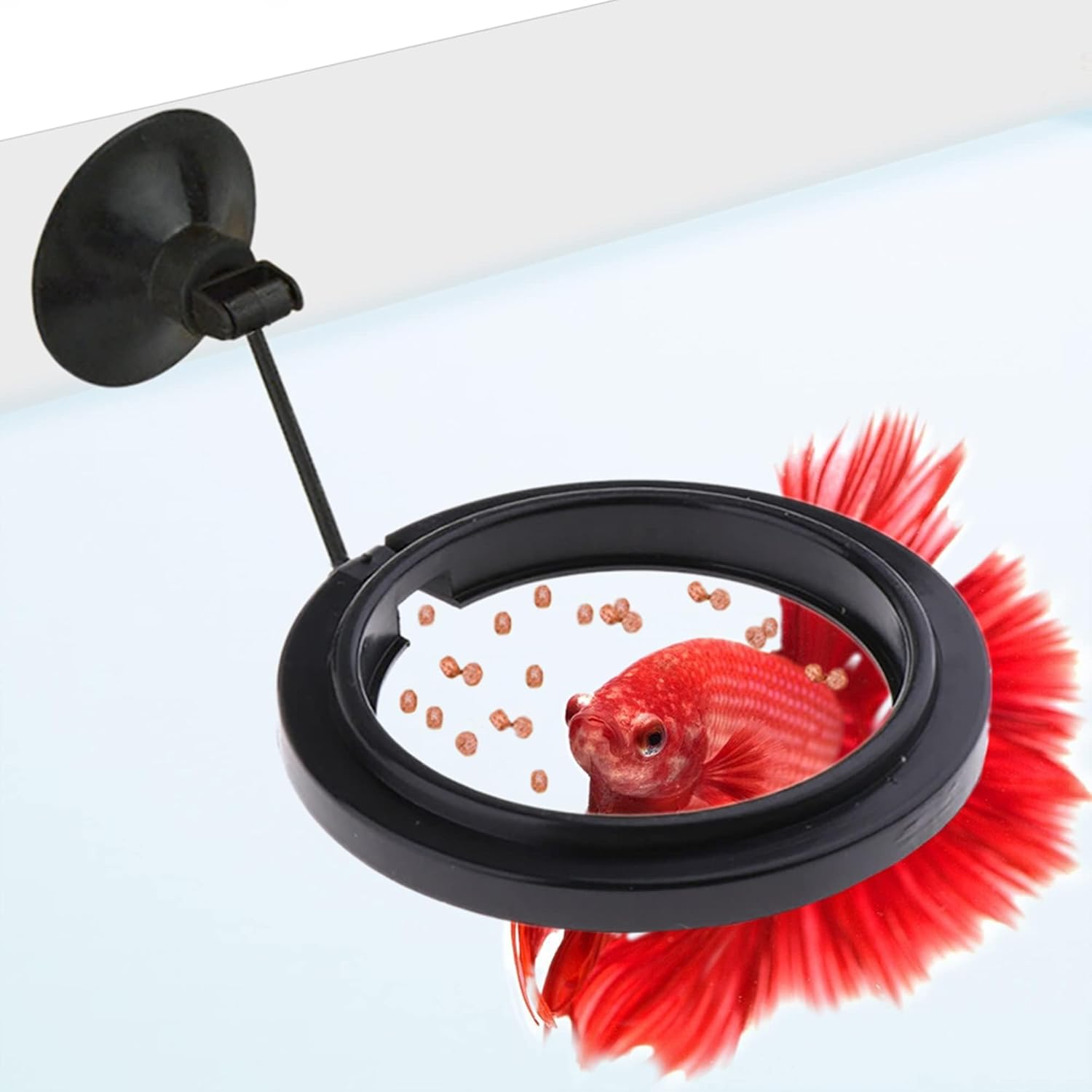
Feeding your betta the right way matters even more when you have plants in the tank. Uneaten food can decay quickly and mess up your water quality. Betta fish are carnivores, so they need a diet rich in protein. High-quality betta pellets should be the staple of their diet.
You can supplement pellets with frozen or live foods like brine shrimp, bloodworms, and daphnia. Feed your betta two small meals a day, about 2 to 3 pellets per meal. Watch your fish eat and remove any leftover food within a few minutes.
In a planted tank, your betta may also nibble on tiny organisms that live on the plants. This is perfectly normal and adds variety to their diet. Just make sure the plants themselves are not being uprooted or eaten by your fish. If your betta seems interested in chewing on your plants, it may be a sign of boredom or hunger, not a plant problem.
Common Mistakes to Avoid
Even experienced fish keepers make mistakes when combining bettas with plants. Here are some common errors you should watch out for:
- Choosing the wrong plants: Some plants need cool water or very bright light, which is not ideal for bettas. Stick to tropical freshwater plants that match your tank conditions.
- Overcrowding the tank: Too many plants or too many fish create waste and compete for resources. Keep your setup balanced.
- Skipping the nitrogen cycle: A new tank needs time to build beneficial bacteria before you add fish. Cycling your tank prevents ammonia spikes that can harm your betta.
- Using the wrong substrate: Some substrates can release chemicals that harm plants or fish. Choose aquarium-safe options.
- Neglecting plant care: Plants need trimming and occasional fertilization. Ignoring them leads to decay and poor water quality.
To learn more about avoiding common pitfalls, take a look at this resource on how to care for a betta fish for broader care tips that apply to planted tanks too.
Maintaining Your Planted Betta Tank
Once your tank is set up and your betta is settled in, maintenance becomes a simple weekly routine. The goal is to keep the water clean, the plants healthy, and the environment stable for your fish.
Start by testing your water parameters every week. Check the temperature, pH, ammonia, nitrite, and nitrate levels. Write down your readings so you can spot trends over time. If something looks off, you can adjust before it becomes a serious problem.
Trim your plants regularly to prevent them from taking over the tank. Remove any dead or decaying leaves promptly, as they release harmful compounds into the water. If you notice algae growing on your plant leaves, reduce the light duration slightly and check your nutrient levels.
Cleaning the tank with plants requires a gentle touch. Use a soft sponge or magnetic algae scraper on the glass. When vacuuming the substrate, be careful not to uproot your plants. For more detailed guidance on this topic, visit our article on how to clean a betta fish tank with live plants.
Weekly Maintenance Checklist
- Test water parameters and record the results.
- Perform a 25 to 30 percent water change.
- Trim dead or overgrown plant leaves.
- Check the heater and filter are working properly.
- Feed your betta the right amount and remove leftovers.
- Wipe down the tank glass to remove algae buildup.
- Observe your betta for any signs of stress or illness.
Signs Your Betta and Plants Are Thriving
A well-maintained planted betta tank is easy to read. When everything is working, you will notice your betta being active, colorful, and curious. It will explore the plants, build bubble nests near the surface, and eat eagerly during feeding time.
Your plants should show steady growth with vibrant green leaves. New shoots and leaves appearing regularly mean the plants are healthy and the tank conditions are right. If you see algae growing out of control or your plants turning brown, it is a sign that something needs adjusting, such as light duration, nutrient levels, or water changes.
Remember that building a beautiful planted betta tank takes time. Do not expect perfection overnight. Give your tank a few weeks to settle, and make small adjustments as needed. The effort you put in will pay off with a stunning, lively aquarium that both you and your betta will enjoy.
Final Thoughts
Taking care of a betta fish with plant life in the tank is a rewarding journey that brings nature into your home. By choosing the right plants, setting up the tank properly, maintaining good water quality, and following a consistent care routine, you create a thriving underwater world. Your betta will be healthier, happier, and more active in a well-planted environment.
Start small if you are new to this. Pick one or two easy plants, get your water conditions right, and build from there. As you gain confidence, you can expand your plant collection and try new setups. The most important thing is to enjoy the process and learn as you go. Your betta fish will thank you with vibrant colors and lively behavior every single day.
Frequently Asked Questions
Can betta fish live with live plants in a small tank?
Yes, betta fish can live with live plants in tanks as small as 5 gallons. Choose small, low-light plants like java fern or anubias that do not need a lot of space. Make sure the tank has a gentle filter and a heater to keep the water stable and comfortable for your betta.
What plants are safe for betta fish?
Safe plants for betta fish include java fern, anubias, amazon sword, java moss, and water wisteria. These plants thrive in warm freshwater tanks, do not have sharp edges, and help improve water quality. Avoid plants that require cool water or very intense lighting, as bettas prefer warm, moderately lit environments.
How often should I change the water in a planted betta tank?
Perform a 25 to 30 percent water change every week. This helps remove waste, excess nutrients, and chemicals that can build up over time. Plants help absorb some of these compounds, but regular water changes are still essential for keeping your betta healthy and your tank clean.
Do plants help keep betta fish healthy?
Yes, plants help keep betta fish healthy by absorbing harmful chemicals like ammonia and nitrates, producing oxygen, and providing natural hiding spots. A planted tank creates a more stable environment that reduces stress and supports your betta’s overall well-being.
Can too many plants harm my betta fish?
Too many plants can harm your betta if they block water flow, take up too much swimming space, or decay and release toxins. Keep a balance between plants and open swimming areas. Trim your plants regularly and remove any dead leaves to prevent water quality issues.
How do I know if my betta fish is stressed in a planted tank?
Signs of a stressed betta include faded colors, clamped fins, hiding constantly, not eating, and rapid breathing. If you notice these signs, check your water parameters, temperature, and tank setup. Make sure the plants are not trapping debris or creating strong currents that make your betta uncomfortable.