How to Take Care of a Betta Fish Videos
Taking care of a betta fish becomes easy when you follow the right steps. This guide walks you through essential betta fish care tips, from setting up the perfect tank to feeding and maintaining water quality. Whether you are a beginner or a seasoned fish keeper, you will find practical advice to keep your betta healthy and happy.
H2: Why Video Guides Are the Best Way to Learn Betta Fish Care
H3: Seeing Is Believing When It Comes to Betta Care
Watching how to take care of a betta fish videos is one of the smartest things you can do as a new fish owner. Videos let you see exactly how experts set up tanks, perform water changes, and spot early signs of illness. You get a clear visual guide that written articles sometimes miss.
When you watch someone demonstrate a task, it becomes much easier to replicate at home. Whether you are learning how to cycle a tank or how to feed your betta properly, video tutorials break everything down step by step. This makes the whole learning process feel less overwhelming.
H3: What You Will Learn From Betta Care Videos
Most quality videos cover the basics of betta fish care. Here is what you can typically expect to learn:
- How to set up a proper tank with the right equipment
- The best water temperature and parameters for bettas
- Feeding schedules and the right types of food
- How to perform regular maintenance and water changes
- Signs of a healthy versus a stressed betta fish
These topics form the foundation of good betta care. Once you understand them, you will feel much more confident managing your fish tank.
H2: Setting Up the Perfect Tank for Your Betta Fish
H3: Picking the Right Tank Size
Many beginners make the mistake of keeping their betta in a tiny bowl. While bettas can survive in small spaces, they truly thrive in larger environments. A 5-gallon tank is the minimum recommended size for a single betta.
A bigger tank gives your fish more room to swim and explore. It also makes it easier to maintain stable water conditions. Small bowls fluctuate in temperature and chemistry much faster, which can stress your fish out.
H3: Essential Equipment You Need
Every betta tank needs a few key pieces of equipment. Here is what you should have before bringing your fish home:
- A reliable heater to keep water between 76 and 82 degrees Fahrenheit
- A gentle filter that does not create too strong a current
- A thermometer to monitor temperature daily
- A light that supports any live plants you want to add
You can find many how to set up a fish tank for betta fish video guides that walk you through installing each piece of equipment. These visual demonstrations make the setup process much simpler.
H3: Adding Plants and Decorations
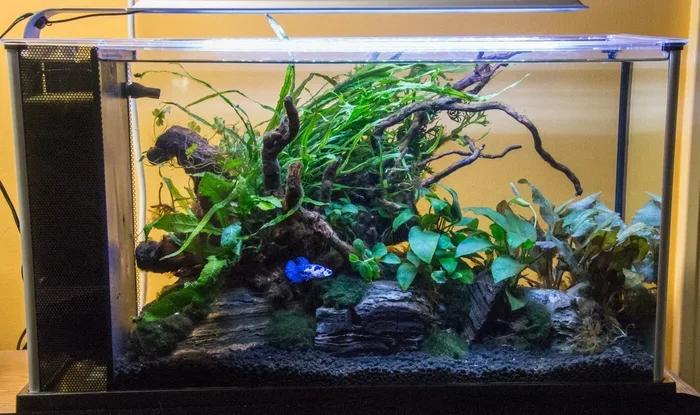
Live plants are excellent for betta tanks. They help filter the water naturally and provide hiding spots that make your fish feel safe. Bettas especially love plants with broad leaves where they can rest.
When choosing decorations, avoid anything sharp or rough. Bettas have delicate fins that can tear easily. Smooth rocks, soft substrate, and gentle plants create a beautiful and safe environment.
H2: Understanding Betta Fish Water Conditions
H3: Why Water Quality Matters So Much
Water quality is the single most important factor in betta fish health. Poor water conditions lead to stress, disease, and a shortened lifespan. Your betta depends entirely on you to keep its environment clean and safe.
The nitrogen cycle is the process that breaks down harmful waste in your tank. Understanding this cycle is essential for every fish owner. Without cycling your tank properly, ammonia and nitrite levels can spike and harm your fish.
H3: Testing and Maintaining Water Parameters
You should test your water regularly for ammonia, nitrite, nitrate, and pH levels. Here are the ideal ranges for bettas:
- Ammonia: 0 ppm
- Nitrite: 0 ppm
- Nitrate: Under 20 ppm
- pH: 6.5 to 7.5
Many how to take care of a betta fish water tutorials show you exactly how to test and adjust these parameters. Watching someone perform the test makes it much easier to understand the process.
H3: How Often to Change the Water
Regular water changes are crucial. For a 5-gallon tank, aim to change about 25 to 30 percent of the water every week. This removes built-up toxins and keeps the environment fresh.
Always use a water conditioner to remove chlorine and chloramine from tap water before adding it to your tank. These chemicals are harmful to fish and can damage your tank’s biological filter.
H2: Feeding Your Betta Fish the Right Way
H3: What to Feed Your Betta
A high-quality pellet diet forms the foundation of a healthy betta meal plan. Look for pellets that list fish or insect protein as the first ingredient. These provide the nutrients your betta needs to stay vibrant and active.
You can supplement pellets with occasional treats like frozen or live bloodworms, daphnia, or brine shrimp. These add variety and extra protein to your fish’s diet. Just remember that treats should only make up a small portion of their meals.
H3: How Much and How Often to Feed
Overfeeding is one of the most common mistakes new fish owners make. Feed your betta two to three small meals per day. Only give them what they can eat in about two minutes.
Uneaten food sinks to the bottom and decays, polluting the water. This creates a cycle of poor water quality that can quickly lead to health problems. Watching feeding videos helps you understand the right portion sizes for your fish.
H2: Keeping Your Betta Healthy and Happy
H3: Recognizing Signs of a Healthy Betta
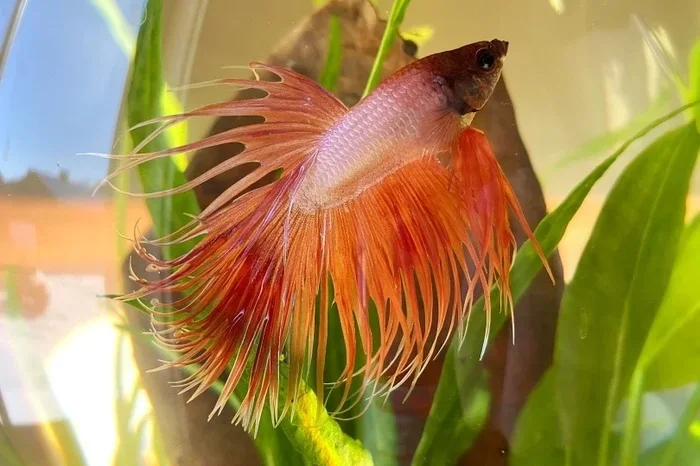
A healthy betta fish displays bright, vivid colors and flows fins gracefully. It should be active, curious, and eager to eat during feeding time. Its body should be smooth with no visible marks or bloating.
Clear eyes, a healthy appetite, and smooth scales are all positive signs. If your fish displays these traits consistently, you are doing a great job with its care.
H3: Spotting Common Health Problems Early
Even with the best care, bettas can sometimes fall ill. Here are some common health issues to watch for:
- Ich: White spots on the body and fins caused by a parasitic infection
- Fin Rot: Frayed or decaying fins often caused by poor water quality
- Swim Bladder Disease: Difficulty maintaining balance or swimming normally
- Bloating: A swollen abdomen that may indicate overfeeding or constipation
Catching these problems early gives you a much better chance of treating them successfully. Many how to treat ich on a betta fish and similar care videos show you exactly what to look for and how to respond.
H3: Preventing Stress in Your Betta
Stress weakens your betta’s immune system and makes it vulnerable to disease. Common causes of stress include poor water quality, aggressive tank mates, and sudden temperature changes.
Keep the environment stable and calm. Avoid placing the tank in high-traffic areas where vibrations and loud noises occur frequently. A peaceful setup helps your betta feel secure and thrive.
H2: Seasonal Care Tips for Betta Fish
H3: Adjusting Care for Winter Months
Cold weather can be tough on betta fish, especially if you do not have a reliable heater. During winter, room temperatures may drop below the safe range for your fish. This is when a good heater becomes absolutely essential.
If you ever need to warm your betta’s bowl without a heater, you can find helpful guides on how to keep my betta fish warm without a heater. These tips can be lifesavers during unexpected power outages or cold snaps.
H3: Summer Care and Temperature Management
Hot summer days can also pose challenges. If the room temperature rises above 82 degrees Fahrenheit, your betta may become stressed. Keep the tank away from direct sunlight and use a fan or aquarium chiller if needed.
Consistent temperature is the goal. Fluctuations are more dangerous than slightly higher or lower temperatures. Investing in a good thermometer helps you monitor conditions daily.
H2: Learning From Expert Betta Care Videos
H3: What Makes a Great Betta Care Video
Not all videos are created equal. The best how to take care of a betta fish videos come from experienced aquarists who share practical, tested advice. Look for creators who explain the science behind their methods.
A great video should be clear, well-lit, and organized. It should cover the topic from start to finish without skipping important steps. Watching multiple videos from different experts gives you a well-rounded understanding of betta care.
H3: How to Apply What You Learn
Watching videos is only half the battle. The real value comes from applying what you learn to your own tank. Start with the basics and build your skills over time.
Do not feel pressured to implement everything at once. Focus on mastering one area at a time, such as water changes or feeding routines. As you grow more comfortable, you can tackle more advanced topics like breeding or planted tanks.
H2: Common Mistakes to Avoid in Betta Fish Care
H3: Skipping the Nitrogen Cycle
One of the biggest mistakes beginners make is adding their betta to an uncycled tank. This means harmful ammonia has nowhere to go and can quickly reach toxic levels. Always cycle your tank before introducing your fish.
H3: Using the Wrong Tank Size
Some people believe bettas can live happily in a 1-gallon bowl. In reality, a small tank makes it nearly impossible to maintain stable water conditions. A 5-gallon tank or larger gives your fish the space and stability it needs.
H3: Overcrowding the Tank
Bettas are solitary fish and do not always get along with other fish. Adding too many tank mates creates stress and competition for resources. Stick to peaceful, compatible species if you want to add other fish to the tank.
H3: Neglecting Regular Maintenance
Even the best setup falls apart without regular maintenance. Skipping water changes, forgetting to test water parameters, and ignoring filter maintenance all lead to declining water quality. Set a schedule and stick to it.
H2: Final Thoughts on Betta Fish Care Videos
Learning how to take care of a betta fish through video guides is an incredibly effective approach. Videos give you a visual roadmap that makes complex topics easy to understand. From tank setup to daily feeding, watching an expert demonstrates each step builds your confidence.
Remember that every betta fish is unique. Pay attention to your own fish’s behavior and adjust your care routine accordingly. The more you learn and observe, the better equipped you will be to provide a happy, healthy home for your aquatic companion.
Start by bookmarking a few trusted video channels and commit to practicing one new skill each week. Over time, you will become a knowledgeable and confident betta fish owner. Your fish will thank you with vibrant colors, active behavior, and a long, healthy life.
Key Takeaways
- Choose the Right Tank Size: A minimum 5-gallon tank gives your betta enough space to thrive and stay active.
- Maintain Proper Water Conditions: Keep the temperature between 76-82°F and cycle your tank to remove harmful toxins.
- Feed a Balanced Diet: High-quality pellets and occasional treats like bloodworms keep your betta healthy and vibrant.
- Watch for Stress Signs: Recognizing early warning signs helps you prevent illness and extend your betta’s lifespan.
- Use Video Resources Wisely: Watching expert care videos helps you learn proper techniques and avoid common mistakes.
Frequently Asked Questions
What size tank is best for a betta fish?
A 5-gallon tank is the minimum recommended size for a single betta fish. Larger tanks provide more stable water conditions and give your fish room to swim and explore comfortably.
How often should I feed my betta fish?
Feed your betta two to three small meals per day. Only offer what your fish can eat within two minutes to prevent overfeeding and keep the water clean.
Can betta fish live with other fish?
Bettas are generally solitary and can be aggressive toward other fish. Some peaceful species like snails or certain bottom-dwellers may coexist, but always research compatibility carefully before adding tank mates.
What water temperature do betta fish need?
Betta fish thrive in water temperatures between 76 and 82 degrees Fahrenheit. Use a reliable heater and thermometer to maintain a consistent temperature in your tank.
How do I know if my betta fish is stressed?
Signs of stress include faded colors, clamped fins, loss of appetite, and lethargy. Poor water quality, sudden temperature changes, and loud noises are common causes of stress in bettas.
Are video guides better than written articles for learning betta care?
Both formats have their strengths. Videos provide visual demonstrations that make complex tasks easier to follow, while written articles offer detailed explanations you can reference anytime. Using both together gives you the best learning experience.
=== CONCLUSION ===
Taking care of a betta fish is a rewarding journey that starts with the right knowledge. By watching expert how to take care of a betta fish videos, you gain practical skills that make every aspect of care easier. From setting up the perfect tank to maintaining water quality and feeding a balanced diet, each step matters.
Remember to keep your water parameters stable, feed your fish appropriately, and watch for early signs of illness. With patience and consistent effort, you will create a thriving environment where your betta can live a long and healthy life. Trust your instincts, keep learning, and enjoy every moment with your beautiful fish.