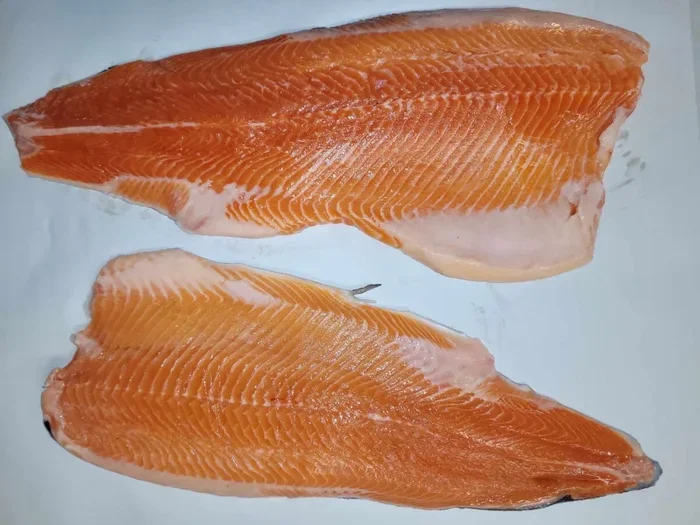
Is Fish Better Than Meat for Cholesterol

Is fish better than meat for cholesterol? The short answer is yes. Fish is generally better for cholesterol than most meats because it contains healthy omega-3 fats and less saturated fat. Choosing fish over red meat can help lower bad LDL cholesterol and raise good HDL cholesterol. This simple swap supports better heart health and overall wellness.
Is fish better than meat for cholesterol? If you care about your heart, this is a question worth asking. Millions of people worldwide struggle with high cholesterol every day. What you put on your plate plays a huge role in managing those numbers. And the debate between fish and meat has been going on for years.
The truth is, science gives us a pretty clear answer. Fish is generally better than meat for cholesterol — especially when you compare it to red meat. But the full picture is more interesting than a simple yes or no. Let us break it all down so you can make the best choice for your health.
Cholesterol is a waxy substance found in your blood. Your body needs it to build cells. But too much of it can cause serious problems. When cholesterol builds up in your arteries, it narrows the pathways. This makes your heart work harder. Over time, it can lead to heart disease or even a heart attack. The food you eat directly affects your cholesterol levels. That is why choosing the right protein sources matters so much.
Key Takeaways
- Fish lowers bad cholesterol: Omega-3 fatty acids in fish help reduce LDL cholesterol and triglycerides.
- Red meat raises cholesterol: Saturated fat in red meat can push LDL levels higher.
- Not all fish are equal: Fatty fish like salmon and mackerel offer the most cholesterol benefits.
- Preparation matters: How you cook fish or meat affects its impact on cholesterol.
- Balance is key: You don’t have to quit meat entirely — just make smarter choices more often.
📑 Table of Contents
- How Cholesterol Works in Your Body
- Why Fish Is Better Than Meat for Cholesterol
- Not All Meats Are Created Equal
- Best Fish Choices for Lowering Cholesterol
- How Cooking Methods Affect Cholesterol
- How Much Fish Should You Eat for Better Cholesterol?
- Common Mistakes People Make About Cholesterol and Diet
- Expert Insights on Fish Versus Meat for Heart Health
- Key Takeaways
- Conclusion
How Cholesterol Works in Your Body
Before we dive into the fish versus meat debate, let us understand what cholesterol actually does. Your liver makes all the cholesterol your body needs. But you also get cholesterol from food. There are two main types you should know about.
LDL Cholesterol: The Bad Guy
LDL stands for low-density lipoprotein. People call it bad cholesterol because it builds up in your artery walls. This buildup is called plaque. Over time, plaque hardens and narrows your arteries. This condition is called atherosclerosis. It raises your risk of heart attacks and strokes. Foods high in saturated fat tend to raise LDL levels. Red meat is a big source of saturated fat.
HDL Cholesterol: The Good Guy
HDL stands for high-density lipoprotein. This is the good cholesterol. It acts like a cleanup crew. HDL picks up excess cholesterol and carries it back to your liver. Your liver then removes it from your body. Higher HDL levels are better for your heart. Some foods can help boost HDL. Fish is one of those foods.
Triglycerides: The Third Player
Triglycerides are another type of fat in your blood. High triglyceride levels often go hand in hand with high cholesterol. They also increase your risk of heart disease. What you eat affects triglyceride levels too. Sugar and refined carbs raise them. But omega-3 fatty acids from fish can lower them significantly.
Why Fish Is Better Than Meat for Cholesterol
Now let us get to the heart of the matter. Why is fish better than meat for cholesterol? The answer comes down to fat types and nutrients.
The Omega-3 Advantage
Fish is rich in omega-3 fatty acids. These are healthy fats that your body cannot make on its own. Omega-3s do amazing things for your heart. They lower triglycerides. They reduce inflammation in your blood vessels. They can also slightly lower LDL cholesterol. More importantly, they raise HDL cholesterol. This double action makes fish a powerful cholesterol fighter.
Fatty fish are the best sources of omega-3s. Salmon, mackerel, sardines, and herring are top choices. Even canned tuna provides a good amount. The American Heart Association recommends eating fish at least twice a week. This simple habit can make a real difference in your cholesterol numbers.
Less Saturated Fat
One of the biggest reasons fish wins the cholesterol battle is its fat profile. Most fish is very low in saturated fat. Red meat, on the other hand, is loaded with it. Saturated fat is the dietary villain that raises LDL cholesterol the most. When you swap red meat for fish, you cut out a major source of bad fat.
Let us put this in perspective. A beef steak can contain around 5 to 8 grams of saturated fat per serving. A salmon fillet of the same size has less than 1 gram. That is a huge difference. Over weeks and months, those differences add up. Your cholesterol levels will reflect what you eat consistently.
Fish Protein Is Leaner
Fish is also a lean protein source. Protein is essential for your body. But the source of that protein matters. Lean protein helps you maintain muscle without adding excess saturated fat. Fish gives you the protein you need without the cholesterol-raising downsides of many meats. This makes it a smart choice for anyone watching their heart health.
If you are curious about other reasons fish beats meat, check out our article on why fish is better than meat for a deeper look at the overall health benefits.
Not All Meats Are Created Equal
Here is something important. Not all meat is the same when it comes to cholesterol. Grouping all meat together would be unfair and inaccurate. Let us look at how different meats stack up.
Red Meat and Cholesterol
Red meat includes beef, pork, and lamb. These meats tend to be high in saturated fat. They also contain dietary cholesterol, though dietary cholesterol has less impact on blood cholesterol than saturated fat does. Still, the saturated fat content in red meat is a real concern. Studies consistently show that people who eat a lot of red meat have higher LDL cholesterol. If you love red meat, you do not have to give it up completely. Just eat it less often and choose leaner cuts.
Poultry: A Middle Ground
Chicken and turkey are leaner than red meat. Skinless chicken breast is one of the leanest protein sources available. It has much less saturated fat than beef. Poultry can be a decent middle ground if you are not ready to switch to fish entirely. But fish still has the edge because of those omega-3s. Poultry does not provide the same heart-protective fats that fish does.
Processed Meats: The Worst Offender
Processed meats like bacon, sausage, and deli meats are the worst for cholesterol. They are high in saturated fat and sodium. They also contain preservatives that may harm heart health. If you are serious about lowering cholesterol, cutting processed meats is a great first step. Replace them with fish or other lean proteins whenever possible.
For a broader look at how different meats compare, read our piece on which is better, meat or fish for more detailed comparisons.
Best Fish Choices for Lowering Cholesterol
Not all fish are the same. Some are much better for cholesterol than others. Here is a guide to the best picks.
Fatty Fish: Your Best Friends
Fatty fish are packed with omega-3s. These are the fish that give you the most cholesterol-lowering benefits. Top choices include:
- Salmon: One of the richest sources of omega-3s. It is also delicious and versatile.
- Mackerel: Another omega-3 powerhouse. Great for heart health.
- Sardines: Small but mighty. They are also high in calcium and vitamin D.
- Herring: Similar to sardines in nutrition. Excellent for lowering triglycerides.
- Tuna: Convenient and widely available. Canned tuna is a budget-friendly option.
Lean White Fish: Good but Different
Lean white fish like cod, tilapia, and halibut are also good choices. They are low in fat and high in protein. However, they do not have as many omega-3s as fatty fish. They are still much better than red meat for cholesterol. Think of fatty fish as your top priority and lean white fish as a solid backup.
Wondering which fish to pick for your specific health goals? Our guide on which fish is better for you can help you decide based on your needs.
How Cooking Methods Affect Cholesterol
What you eat matters. But how you prepare it matters too. The cooking method can change how fish or meat affects your cholesterol.
Best Ways to Cook Fish
Grilling, baking, steaming, and poaching are the best methods. They do not add extra saturated fat. They let the natural flavors shine through. A simple grilled salmon with lemon and herbs is a heart-healthy winner. Baking fish with vegetables is another easy and nutritious option.
Worst Ways to Cook Fish and Meat
Deep frying is the worst method. It adds unhealthy fats and calories. It can also destroy the omega-3 benefits in fish. Breaded and fried fish is far from heart-healthy. Heavy butter or cream sauces are also bad news. They add saturated fat that can raise your cholesterol fast.
Quick Tips for Heart-Healthy Cooking
- Use olive oil instead of butter for cooking fish.
- Season with herbs and spices instead of heavy sauces.
- Grill or bake instead of frying.
- Remove skin from poultry before cooking to reduce saturated fat.
- Add vegetables to your plate to boost heart-healthy fiber.
How Much Fish Should You Eat for Better Cholesterol?
Now that you know fish is better than meat for cholesterol, you might wonder how much you should eat. The answer depends on your current health and goals.
The American Heart Association suggests eating at least two servings of fish per week. A serving is about 3.5 ounces cooked. That is roughly the size of a deck of cards. Fatty fish are the best choices for cholesterol management. Try to make at least one of your two weekly servings a fatty fish.
If you currently eat red meat every day, you do not need to go cold turkey. Start by replacing one or two meat meals per week with fish. Gradually increase from there. Small changes add up over time. Your cholesterol levels will thank you for the shift.
Remember that diet is only one piece of the puzzle. Exercise, sleep, and stress management also affect cholesterol. But choosing the right protein is a powerful and easy step you can take today.
Common Mistakes People Make About Cholesterol and Diet
There are a few mistakes that trip people up when trying to manage cholesterol through diet. Watch out for these.
Thinking All Fish Is Equal
Not all fish is created equal. A fried fish sandwich is not the same as a grilled salmon fillet. The preparation method changes everything. Always choose preparation methods that keep the fish lean and nutritious.
Ignoring Portion Sizes
Even healthy foods can cause problems if you eat too much. Fish is nutritious, but it still contains calories. Overeating any protein can lead to weight gain. And extra weight can worsen cholesterol levels. Stick to recommended portion sizes for the best results.
Relying Only on Diet
Diet matters a lot. But it is not the only factor. Genetics, exercise, and overall lifestyle all play a role. If your cholesterol is very high, diet alone may not be enough. Talk to your doctor about a complete plan that includes diet, exercise, and medication if needed.
Expert Insights on Fish Versus Meat for Heart Health
Nutrition experts consistently recommend fish over red meat for heart health. The omega-3 fatty acids in fish have been studied extensively. Research shows they reduce inflammation, lower triglycerides, and improve overall cholesterol ratios. Many cardiologists encourage patients to swap red meat for fish at least a few times a week.
The Mediterranean diet is a great example. This eating pattern emphasizes fish, healthy oils, vegetables, and whole grains. Studies on the Mediterranean diet show it significantly improves cholesterol levels. It also reduces the risk of heart disease. Fish is a cornerstone of this heart-healthy approach to eating.
Experts also point out that you do not need to become a vegetarian or give up meat entirely. The key is balance. Make fish your primary protein source and enjoy red meat in moderation. This approach is sustainable and enjoyable. It is much easier to stick with than an all-or-nothing mindset.
Key Takeaways
- Fish is generally better than meat for cholesterol: Its omega-3 fatty acids help lower LDL and raise HDL.
- Fatty fish are the top choice: Salmon, mackerel, sardines, and herring deliver the most benefits.
- Red meat raises LDL cholesterol: Its saturated fat content is the main culprit.
- Cooking method matters: Grilling, baking, and steaming are best; frying is worst.
- Two servings of fish per week is a solid goal: This aligns with heart health recommendations.
- Balance is more important than perfection: Swapping some meat for fish makes a real difference.
Conclusion
So, is fish better than meat for cholesterol? The evidence is clear. Fish is the better choice for managing cholesterol and protecting your heart. Its omega-3 fatty acids work in multiple ways to improve your cholesterol profile. Fish lowers bad LDL cholesterol and triglycerides while boosting good HDL cholesterol. It is also low in saturated fat, which is the dietary driver of high cholesterol.
You do not need to give up meat completely. But making fish a regular part of your meals is one of the smartest things you can do for your heart. Start with two fish meals per week. Choose fatty fish when possible. Cook it in a healthy way. These simple steps can lead to meaningful improvements in your cholesterol numbers over time.
Your heart works hard for you every single day. Returning the favor does not have to be complicated. A simple change on your plate can go a long way. Choose fish more often, enjoy the variety of flavors it offers, and give your cholesterol the support it needs. Your future self will thank you.
For more information on how different foods affect your cholesterol, check out our article on is fish oil better than flaxseed oil to understand the best sources of healthy fats for your heart.
Frequently Asked Questions
Can eating fish lower cholesterol quickly?
Fish can start to positively affect your cholesterol levels within a few weeks of regular consumption. Omega-3 fatty acids work gradually to lower triglycerides and improve your overall cholesterol ratio. However, individual results vary based on your diet, genetics, and lifestyle habits.
Is fried fish still good for cholesterol?
Fried fish is not ideal for cholesterol. The frying process adds saturated and trans fats that can raise LDL cholesterol. Grilling, baking, or steaming fish preserves its heart-healthy omega-3 benefits. Always choose cooking methods that avoid excess added fats.
What is the worst meat for cholesterol?
Processed meats like bacon, sausage, and deli meats are the worst for cholesterol. They are high in saturated fat and sodium. Red meat in large quantities is also problematic. If you want to protect your cholesterol, limit these and choose fish or lean poultry more often.
Can you eat too much fish for cholesterol management?
It is unlikely to eat too much fish for cholesterol purposes. However, some fish contain mercury, so variety is important. Eating a mix of fatty and lean fish keeps you safe. The recommended two servings per week is a solid and safe target for most people.
Does fish raise HDL cholesterol?
Yes, fish can help raise HDL cholesterol. The omega-3 fatty acids found in fatty fish support healthy HDL levels. Higher HDL is beneficial because it helps remove excess cholesterol from your bloodstream. This is one of the key reasons fish is superior to meat for heart health.
Is canned tuna good for cholesterol?
Canned tuna is a good option for cholesterol management. It is a lean protein source with some omega-3 content. Choose tuna packed in water rather than oil for the healthiest option. It is affordable, convenient, and easy to add to meals throughout the week.