Will Bettas Eat Other Fish

Will bettas eat other fish? In most cases, bettas are opportunistic feeders rather than true predators, but stress, hunger, and tank setup can push them to nip or even swallow smaller tank mates. Understanding their natural instincts and providing the right environment helps prevent unwanted drama and keeps everyone healthy.
Key Takeaways
- Nature of the bite: Bettas usually nip, not eat, larger fish unless the prey is tiny or very weak.
- Size matters: Anything smaller than the betta’s mouth—like fry, neon tetras, or small shrimp—can become a snack.
- Tank setup is critical: Plenty of hiding spots and visual barriers reduce aggression.
- Gender differences: Males are more territorial, but females can also be feisty when space is limited.
- Feeding schedule: Regular, high‑quality meals curb the urge to hunt.
- Compatible species: Choose slow‑moving, similarly sized or larger fish that can’t be swallowed.
- Monitor and adjust: Watch behavior daily; be ready to rehome if aggression spikes.
📑 Table of Contents
- Introduction: The Curious Case of Betta Predation
- 1. What Does a Betta Really Eat?
- 2. Factors That Influence Predatory Behavior
- 3. Common Tank Mates and Their Risk Levels
- 4. How to Set Up a Community Tank with a Betta
- 5. When Aggression Escalates: Signs and Solutions
- 6. Frequently Overlooked Questions
- Conclusion: Balancing Beauty and Safety
Introduction: The Curious Case of Betta Predation
If you’ve ever watched a betta flare its fins and wondered whether that flashy fighter might turn on its tank mates, you’re not alone. The question “will bettas eat other fish?” pops up in every beginner’s forum and often leads to mixed answers. Some owners swear their bettas have never harmed a companion, while others recount dramatic chases ending in missing fry.
Let’s cut through the hype. Bettas (Betta splendens) are native to the shallow, warm waters of Thailand, where they survived by being both territorial and opportunistic eaters. In a community aquarium, those wild instincts can surface in surprising ways. This guide walks you through the science, the warning signs, and practical steps to keep your betta—and any other fish—happy and safe.
1. What Does a Betta Really Eat?
Natural diet in the wild
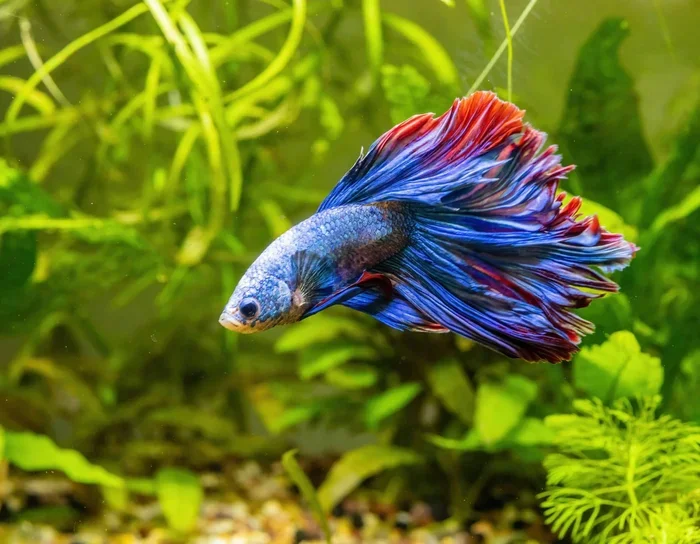
In their natural habitat, bettas feast on insects, larvae, and tiny crustaceans that drift near the surface. They are surface‑feeders, snapping up anything that fits in their small, up‑turned mouths. This diet explains why they often go after what will betta fish eat in a home tank: live or frozen brine shrimp, daphnia, and bloodworms are all irresistible.

Visual guide about Will Bettas Eat Other Fish
Image source: tcocdn.com
Captive feeding habits
In captivity, we provide pellet or flake foods that are nutritionally balanced. However, if a betta is under‑fed or bored, it may start exploring other options—like the fins of a slow‑moving tetra or the soft body of a tiny shrimp. This is where the question “will bettas eat other fish” becomes relevant.
2. Factors That Influence Predatory Behavior
Size of the potential prey
The most straightforward rule: if the other fish can fit through the betta’s mouth, it’s at risk. Fry, neon tetras, and even some guppies are small enough to be swallowed whole. Larger fish are usually only subject to nipping.

Visual guide about Will Bettas Eat Other Fish
Image source: syoruijimu.up.seesaa.net
Hunger and feeding schedule
A hungry betta is more likely to chase after anything that moves. Feeding twice a day with a mix of pellets and occasional live food satisfies its appetite and reduces the urge to hunt.
Tank size and environment
Cramped spaces amplify territorial aggression. A 5‑gallon tank for a single betta is fine, but adding other fish requires at least 10 gallons with plenty of plants, caves, and vertical dividers. Visual barriers break the line of sight, making the betta less likely to see a small fish as a snack.
Gender differences
Males are famously aggressive toward other males, but they also display stronger territorial instincts toward any intruder. Females can be just as feisty, especially when the tank is overcrowded. Both sexes can turn predatory if they feel threatened.
Stress and health
A stressed betta—due to poor water quality, sudden temperature changes, or loud vibrations—may act out aggressively. Regular water tests and a stable environment keep stress low.
3. Common Tank Mates and Their Risk Levels
Safe companions
Peaceful, bottom‑dwelling fish that stay out of the betta’s line of sight are the best bet. Examples include:

Visual guide about Will Bettas Eat Other Fish
Image source: st1.bollywoodlife.com
- Kuhli loaches
- Corydoras catfish
- Snails (see our article on will betta fish eat snails)
Conditional companions
Some mid‑level swimmers can coexist if the tank is heavily planted and the betta is not overly aggressive. Species such as:
- Harlequin rasboras
- Otocinclus catfish
These fish are fast enough to avoid a quick nip but not so tiny that they become a meal.
High‑risk tank mates
Any fish smaller than the betta’s mouth is a red flag:
- Neon tetras
- Guppies
- Fry of any species
Even if they look colorful, they are likely to disappear within days.
4. How to Set Up a Community Tank with a Betta
Choosing the right aquarium
Start with at least a 10‑gallon tank. Larger volumes dilute aggression and give each fish its own territory. Use a heater to maintain 76‑80°F (24‑27°C) and a gentle filter that creates low current—bettas dislike strong flows.
Landscape for peace
Plants (real or silk), driftwood, and rock caves create visual barriers. Arrange them so the betta can retreat if it feels threatened, and so smaller fish have hiding spots. A dense planting layout reduces the chance of a betta spotting a tiny fish and deciding to strike.
Introducing new fish
Acclimate slowly. Use a quarantine tank first, then perform a “slow‑release” introduction: place the new fish in a breeding box inside the main tank for 24‑48 hours. This lets the betta see the newcomer without direct contact. After a few days, gently release the fish into a planted area away from the betta’s main territory.
Feeding strategies to curb predation
Feed high‑quality betta pellets twice daily, and supplement with live or frozen foods 2‑3 times a week. A full stomach reduces the temptation to hunt. Also, distribute food in multiple spots so the betta doesn’t associate any one area with a food source that other fish might compete for.
5. When Aggression Escalates: Signs and Solutions
Warning signs
Watch for these behaviors that indicate the betta might try to eat another fish:
- Frequent surface chases
- Rapid fin flaring followed by a quick dart
- Missing fry or small fish after feeding times
- Visible injuries on tank mates (torn fins, ragged edges)
Immediate actions
If you notice a missing fish, isolate the betta in a separate tank or a breeding box within the main tank. This gives you time to assess whether the aggression is a one‑off incident or a pattern.
Long‑term solutions
Consider the following:
- Upgrade to a larger tank with more hiding places.
- Switch to a female betta if the male is overly territorial (but remember females can still be aggressive).
- Replace high‑risk tank mates with larger, faster swimmers.
- Introduce a second betta only if you have a 20‑gallon divided tank and know the personalities well.
6. Frequently Overlooked Questions
Do bettas eat fish eggs?
Yes. Betta fry and the eggs of other species are easy targets. If you’re breeding other fish, use a mesh lid or a separate breeding tank to keep the betta from snacking.
Can bettas eat goldfish?
Goldfish quickly outgrow a betta’s size and are too robust to be swallowed. However, a betta may nip at a goldfish’s fins, especially if the goldfish is slow or has long, flowing tails.
Will a betta eat a shrimp?
Many bettas will chase and eat small freshwater shrimp, especially if the shrimp are juveniles. Larger ghost shrimp tend to survive better, especially if they have plenty of hiding places.
Do bettas ever share food?
In a well‑fed tank, a betta may ignore other fish’s meals, but it’s not uncommon for a betta to snatch food dropped near the surface. Feeding at opposite ends of the tank can help distribute food more evenly.
Conclusion: Balancing Beauty and Safety
So, will bettas eat other fish? The short answer: they can, but only under certain conditions—primarily when the other fish are small enough to fit in their mouths or when the betta is stressed, hungry, or lacking proper hiding spots. By understanding their natural instincts, providing a spacious, well‑planted tank, and feeding them a balanced diet, you dramatically reduce the risk of unwanted predation.
Remember, every betta has a unique personality. Observe closely, start with compatible species, and be ready to adjust the community if needed. With the right approach, you can enjoy the dazzling colors of a betta alongside peaceful tank mates, creating a vibrant and harmonious aquarium that’s a joy to watch every day.
Frequently Asked Questions
Will bettas eat small fish like neon tetras?
Yes, neon tetras are often small enough to be swallowed, so they are not recommended tank mates for a betta.
Can a betta live peacefully with a snail?
Generally, yes. Bettas usually ignore snails, though some may nibble on the snail’s soft parts if hungry.
Do male bettas attack other male fish?
Male bettas are territorial and may attack similarly sized males, especially in smaller tanks.
How can I tell if my betta is trying to eat my fry?
Missing fry, broken fins, or a betta constantly hovering near the breeding box are strong indicators.
Is it safe to keep a betta with a Corydoras?
Corydoras are bottom‑dwelling and usually safe because they stay out of the betta’s line of sight.
What should I do if my betta starts nipping my other fish?
Separate the betta, reassess tank size and décor, and consider more suitable tank mates or a larger aquarium.