How to Take Care of a Betta Fish Properly
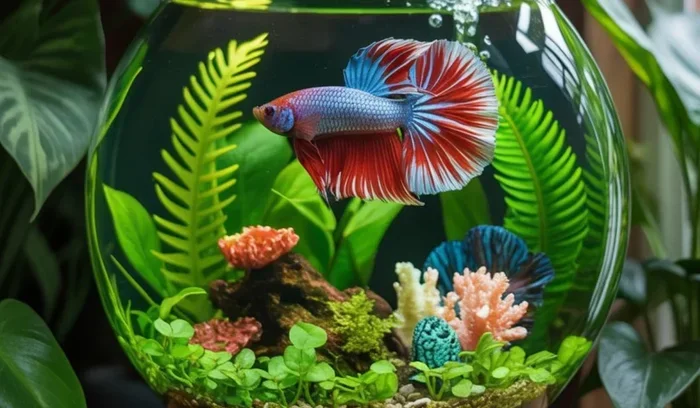
Taking care of a betta fish properly is easier than most people think, but it does require the right knowledge and consistent routine. This guide covers everything you need to know about betta fish care, from setting up the perfect tank and maintaining water quality to feeding the right diet and keeping your fish healthy. By following these practical steps, you can give your betta a long, happy, and vibrant life in your home aquarium.
Key Takeaways
- Tank Size Matters: A minimum 5-gallon tank gives your betta room to thrive and stay active.
- Water Quality Is Everything: Regular water changes and proper filtration keep your betta healthy and stress-free.
- Feed Smart, Not Too Much: Small, varied meals two times a day prevent overfeeding and common health issues.
- Watch for Warning Signs: Recognizing early symptoms of disease saves time, money, and your betta’s life.
- Avoid Common Mistakes: Overcrowding, wrong tank mates, and skipping maintenance are the top reasons bettas struggle.
📑 Table of Contents
Why Proper Betta Fish Care Matters
Betta fish are stunning creatures. Their flowing fins and bright colors make them a favorite among fish keepers. But many people underestimate what it takes to keep a betta truly healthy. How to take care of a betta fish properly is a question every new owner should ask before bringing one home.
In the wild, bettas live in warm, shallow waters in Southeast Asia. They have adapted to survive in tough conditions. But that does not mean they thrive in a tiny cup on a store shelf. A well-maintained aquarium makes all the difference. When you give your betta the right environment, food, and attention, you will see a fish that is active, colorful, and full of personality.
Proper betta fish care also saves you money. A healthy betta can live three to five years, sometimes even longer. Neglect, on the other hand, leads to stress, disease, and a much shorter life. The good news is that once you learn the basics, the daily routine becomes second nature.
betta fish care starts with understanding what this species needs. Unlike many tropical fish, bettas breathe air from the surface. They also prefer calm water and gentle filtration. These unique traits shape everything from tank setup to feeding habits. Let us walk through each part step by step.
Setting Up the Perfect Betta Fish Tank
Choose the Right Tank Size
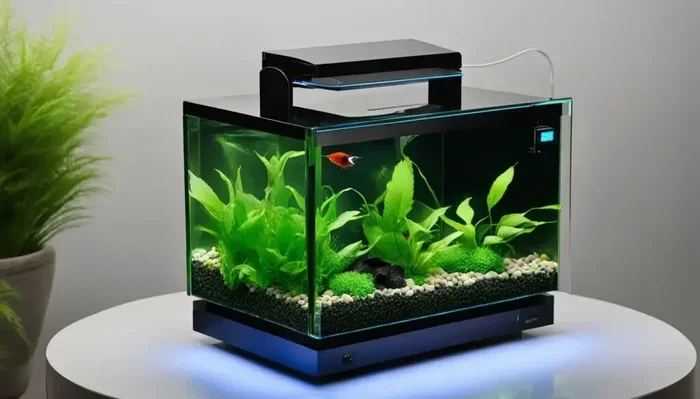
The single biggest mistake new betta owners make is using too small a tank. Many people buy a one-gallon bowl and call it good. A betta deserves far more space than that. A 5-gallon tank is the minimum recommended size for a single betta. This gives the fish room to swim, explore, and stay active.
Larger tanks, like 10 gallons, are even better. They are more stable in terms of temperature and water chemistry. A bigger tank also gives you room to add live plants and gentle decorations. These make your betta feel safe and mimic its natural habitat.
If you want to learn more about setting up the right home for your fish, check out our guide on how to set up a fish tank for betta fish.
Essential Equipment for Your Betta Tank
You do not need a lot of fancy gear, but a few key items are non-negotiable. Here is what every betta tank needs:
- Filter: A gentle sponge filter works best. Bettas do not like strong currents, so avoid power filters that create too much flow.
- Heater: Bettas need warm water between 76 and 82 degrees Fahrenheit. A small aquarium heater keeps the temperature steady.
- Thermometer: A simple stick-on thermometer helps you monitor the water temperature daily.
- Lighting: Standard LED aquarium lights are fine. They also help live plants grow if you decide to add some.
You do not need gravel vacuuming equipment right away, but it becomes helpful during water changes. Keep things simple at first and add more as you gain confidence.
Water Quality and Temperature: The Foundation of Betta Health
How to take care of a betta fish properly means paying close attention to water quality. Fish live in their water. If the water is dirty or the wrong temperature, your betta will get sick. Period. This is the most important part of betta fish care.
Maintain the Right Water Parameters
Bettas prefer slightly warm, soft water. Here are the ideal ranges:
- Temperature: 76 to 82 degrees Fahrenheit (24 to 28 degrees Celsius).
- pH Level: Between 6.5 and 7.5. Stable pH matters more than hitting a perfect number.
- Ammonia and Nitrite: Both should be at zero. Any level above zero is dangerous.
- Nitrate: Keep below 20 parts per million. Regular water changes help with this.
Test your water weekly with a liquid test kit. Test strips are okay for beginners, but liquid kits give more accurate readings. Once you know your numbers, you can adjust quickly.
Water Changes Made Simple
Doing regular water changes is the easiest way to keep your betta healthy. For a 5-gallon tank, change 25 to 30 percent of the water every week. For a 10-gallon tank, change 20 percent weekly. Use a gravel vacuum to pull out debris from the substrate while you change the water.
Always treat new water with a water conditioner before adding it to the tank. This removes chlorine and chloramine, which are harmful to fish. If you want more detailed guidance on water preparation, our article on how to take care of betta fish water covers this in depth.
Never replace all the water at once. A full water change shocks your betta and kills beneficial bacteria that keep the tank balanced. Gradual changes are always the way to go.
Why Temperature Stability Matters
Bettas are tropical fish and they hate temperature swings. A sudden drop in water temperature can cause stress, which leads to disease. A heater with a thermostat solves this problem. Just make sure the heater is rated for your tank size and placed near the filter output for even heat distribution.
If you ever wonder how to keep your betta warm during a power outage, a simple towel wrapped around the tank helps retain heat temporarily. Avoid using boiling water or direct heat sources, as these can be dangerous.
Feeding Your Betta Fish the Right Way
Feeding is one of the most enjoyable parts of betta fish care, but it is also where many people go wrong. Overfeeding is the number one cause of health problems in pet bettas.
What to Feed Your Betta
Bettas are carnivores. They need a diet high in protein. Here are the best food options:
- Betta Pellets: High-quality pellets formulated for bettas should be the staple of their diet. Look for pellets with fish meal as the first ingredient.
- Frozen or Freeze-Dried Bloodworms: These make great treats. Feed them once or twice a week.
- Brine Shrimp: Another excellent treat that bettas love. Live or frozen is best.
- Daphnia: A small crustacean that aids digestion and makes a good occasional meal.
Avoid feeding your betta flakes meant for tropical community fish. These lack the protein bettas need and can cause bloating and digestive issues.
How Much and How Often to Feed
Feed your betta two small meals per day. Each meal should be about the size of your betta’s eye. That sounds tiny, and that is the point. Bettas have small stomachs, and overfeeding leads to constipation, bloating, and poor water quality from uneaten food.
One day per week, skip feeding entirely. This gives the digestive system a break and helps prevent constipation. It also mimics the natural eating patterns wild bettas experience when food is scarce.
If your betta spits out its food, do not panic. Sometimes they just need a moment to adjust. Try soaking pellets for a few seconds before feeding to make them sink and soften.
Keeping Your Betta Fish Healthy
Prevention is always better than cure when it comes to betta fish care. A healthy betta is active, has bright colors, and eats eagerly. Any change in behavior or appearance is a signal that something is wrong.
Common Betta Fish Diseases and How to Spot Them
Here are the most common health issues bettas face and what to look for:
- Fin Rot: Frayed or discolored fins that look like they are melting away. Caused by poor water quality or bacterial infection. Improve water conditions and consider a mild aquarium salt treatment.
- Ich (White Spot Disease): Small white dots on the body and fins. Often caused by temperature fluctuations. Raise the temperature slowly to 82 degrees and treat with an appropriate medication.
- Bloating: A swollen belly that may indicate overfeeding or constipation. Feed a blanched pea (remove the skin) or skip a meal to help.
- Velvet Disease: A gold or rust-colored dusting on the skin. Caused by parasites. Treat with medication and dim the lights, as parasites that cause velvet are light-sensitive.
- Stress: Clamped fins, hiding, loss of color, and rapid breathing are all signs of stress. Check water parameters first, then look for aggressive tank mates or loud noises near the tank.
Keeping your tank clean and stable is the best defense against all of these problems. If you want tips on maintaining a clean environment, our guide on how to clean a betta fish tank properly walks you through the process step by step.
When to Quarantine a Sick Fish
If you notice signs of disease, isolate the sick betta in a separate quarantine tank. This prevents the illness from spreading to other fish. Treat the quarantine tank with appropriate medication and monitor water quality closely. A hospital tank does not need a filter or heater, but keeping the water clean and warm helps the fish recover faster.
The Importance of Tank Maintenance Routines
Consistency is the secret to successful betta fish care. Create a simple weekly routine:
- Check the temperature and make sure the heater is working.
- Test the water parameters with your liquid test kit.
- Perform a 25 percent water change and vacuum the gravel.
- Rinse filter media in old tank water (never tap water) to preserve beneficial bacteria.
- Feed your betta the right amount and remove any uneaten food after five minutes.
- Observe your betta for any changes in behavior or appearance.
Following this routine every week takes less than 30 minutes. It keeps your tank stable and your betta thriving for years.
Common Mistakes to Avoid in Betta Fish Care
Even well-meaning betta owners make mistakes. Here are the most common ones and how to avoid them:
Keeping a Betta in a Tiny Bowl
Bettas are often sold in tiny cups or bowls at pet stores. This is convenient for the store, but it is terrible for the fish. A bowl under 2 gallons is too small to maintain stable water conditions. Waste builds up fast, and toxins spike quickly. Always upgrade to at least a 5-gallon tank as soon as possible.
Overcrowding the Tank
Bettas are solitary fish by nature. They do not need tank mates, and many community fish will bother a betta’s long fins. If you want other fish, choose peaceful species that stay in the upper levels of the tank, like corydoras or small rasboras. But honestly, a single betta in a well-planted 5-gallon tank is perfectly happy on its own.
Using the Wrong Filter
Strong filters create currents that exhaust bettas. They spend energy fighting the flow instead of swimming and exploring. A sponge filter provides gentle mechanical and biological filtration without stressing your fish. If you must use a hang-on-back filter, baffle the outflow with a sponge or filter floss to reduce the flow.
Skipping Water Changes
Some people think that if they have a filter, they never need to change the water. Filters remove debris and house beneficial bacteria, but they do not remove dissolved waste like nitrates. Regular water changes are essential. Skipping them leads to a slow decline in water quality that your betta may not show obvious signs of until it is too late.
Overfeeding
This cannot be stressed enough. Betta fish will eat until they make themselves sick if you let them. Uneaten food rots in the tank and pollutes the water. Stick to small portions twice a day and skip one feeding day per week. Your betta will be healthier and your water cleaner.
Expert Insights on Betta Fish Care
Experienced betta keepers agree that the key to success is patience and consistency. Here are a few expert tips that make a real difference:
- Acclimate New Fish Slowly: When you bring home a new betta, float the bag in the tank for 15 to 20 minutes. Then slowly add small amounts of tank water to the bag over 30 minutes before gently releasing the fish.
- Add Live Plants: Plants like java fern, anubias, and live betta bulbs improve water quality and provide natural hiding spots. Bettas love resting on broad leaves like those of a sword plant.
- Observe Daily: Spend a minute each day watching your betta. You will notice subtle changes in behavior, appetite, or color that signal a problem early. Catching issues early makes treatment much easier.
- Keep a Log: Writing down water test results, feeding amounts, and any observations helps you spot patterns and catch problems before they become serious.
For more in-depth advice on maintaining proper care routines, you can also read our guide on how to properly care for betta fish for additional expert tips and best practices.
Final Thoughts
How to take care of a betta fish properly comes down to three simple principles: a clean tank, stable water, and a proper diet. When you get these three things right, everything else falls into place. Your betta will reward you with vibrant colors, curious behavior, and years of companionship.
Remember that every betta has its own personality. Some are bold and active, while others are calm and shy. Both are perfectly normal. The goal is not to force your betta to act a certain way, but to give it the best possible environment to be itself.
Start with the basics, stay consistent, and keep learning. The more you understand your betta, the more rewarding the experience becomes. Proper betta fish care is not complicated, but it does require attention and commitment. And trust us, the effort is worth every moment you spend watching your beautiful fish glide gracefully through its tank.
Take what you have learned here, put it into practice today, and enjoy the journey of being a great betta fish owner. Your fish will thank you for it.
Frequently Asked Questions
How often should I change my betta fish water?
For a 5-gallon tank, change 25 to 30 percent of the water every week. For larger tanks, a 20 percent weekly change works well. Consistent partial water changes are better than occasional full changes because they preserve beneficial bacteria that keep the tank healthy.
Can I keep a betta fish in a bowl without a filter?
You can, but a 5-gallon tank with a gentle sponge filter is much better for your betta’s health. A filter helps remove waste and maintain stable water parameters. Bowls without filters require more frequent water changes to keep the water clean and safe for your fish.
What is the best food for betta fish?
High-quality betta pellets should be the staple food. Supplement with frozen or freeze-dried bloodworms, brine shrimp, or daphnia as occasional treats. Avoid feeding tropical flakes meant for community fish, as they lack the protein bettas need and can cause digestive problems.
How can I tell if my betta fish is stressed?
Common signs of stress include clamped fins, hiding, loss of color, rapid breathing, and loss of appetite. Stress is often caused by poor water quality, incorrect temperature, or aggressive tank mates. Test your water parameters first and address any imbalances to help your betta relax.
Do betta fish need a heater?
Yes, bettas are tropical fish and need warm water between 76 and 82 degrees Fahrenheit. A small aquarium heater with a thermostat keeps the temperature stable. Temperature swings can stress your betta and make it more susceptible to illness, so a reliable heater is essential.
How long do betta fish live with proper care?
With proper care, bettas typically live three to five years, and some can even reach five to seven years in optimal conditions. The key factors that influence lifespan include water quality, diet, tank size, and stress levels. A well-maintained 5-gallon or larger tank with consistent care gives your betta the best chance at a long, healthy life.