How to Take Care of a Betta Fish Petco
Taking care of a betta fish from Petco starts with the right tank, clean water, and a proper feeding routine. This guide covers everything you need to know about betta fish care, from setting up the habitat to keeping your fish healthy and happy. You will learn practical tips that make betta fish ownership easy and enjoyable for beginners and experienced keepers alike.
Bringing home a betta fish from Petco is an exciting moment. These colorful fish with flowing fins look stunning in any home. But many new fish owners quickly realize that betta fish care requires more than just filling a bowl with water. Your betta needs the right tank, clean water, proper food, and attention to stay healthy and vibrant.
If you bought your betta from Petco or are planning to, this guide will walk you through every step of how to take care of a betta fish Petco style. We will cover tank setup, feeding, water maintenance, health tips, and bonding. By the end, you will feel confident and ready to give your betta the best life possible.
Key Takeaways
- Choose the right tank size: A minimum of 5 gallons gives your betta room to thrive and stay active.
- Maintain clean water: Regular water changes and proper filtration keep your betta healthy and stress-free.
- Feed wisely: A balanced diet of high-quality pellets and occasional treats prevents overfeeding and illness.
- Watch for health signs: Knowing the early symptoms of common betta diseases helps you act fast.
- Build a bond: Simple interactions and a calm environment make your betta fish more active and responsive.
- Set up properly from day one: A well-planned tank setup at Petco saves you time and money down the road.
📑 Table of Contents
Understanding Your Betta Fish From Petco
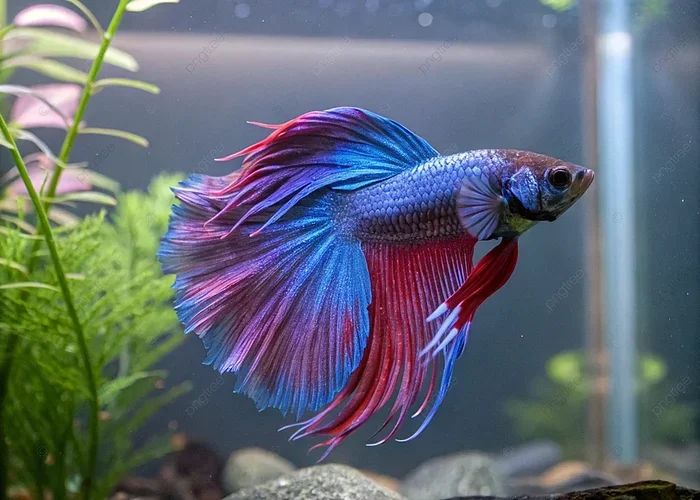
When you pick out a betta fish at Petco, you are choosing from a variety of bright colors and tail types. Veiltail, crowntail, and halfmoon bettas are some of the most popular. Each one has its own personality, but they all share the same basic needs. Understanding these needs is the first step toward successful betta fish ownership.
What to Look for When Buying
Before you bring your betta home, take a close look at its appearance. A healthy betta has vivid colors and smooth, flowing fins. The fish should move actively and respond to its surroundings. Avoid any betta that looks pale, has torn fins, or stays at the bottom of the tank. These can be signs of stress or illness.
Also, check the water conditions in the Petco display tank. Clean, clear water usually means the store is taking good care of its fish. Cloudy or dirty water can signal problems that might follow your new pet home.
Choosing the Right Betta for Your Home
Think about where you plan to keep your betta. A quiet spot away from direct sunlight and drafts works best. Betta fish can live 3 to 5 years with proper care, so this is a real commitment. Make sure you are ready to invest a little time each day in keeping your fish happy.
Setting Up the Perfect Betta Fish Tank
A common mistake new owners make is keeping their betta in a tiny bowl. While bettas can survive in small spaces, they thrive in larger ones. The right betta fish tank setup makes a huge difference in your fish’s health and lifespan.
Tank Size and Shape
Aim for at least a 5-gallon tank. This gives your betta enough room to swim and explore. Round bowls may look cute, but they limit movement and make it harder to maintain stable water conditions. A rectangular tank with a lid is the ideal choice. The lid also prevents your betta from jumping out, which they can do when startled.
If you are unsure about the setup, you can refer to our detailed guide on how to set up a fish tank for betta fish for step-by-step instructions.
Water Temperature and Filtration
Betta fish are tropical creatures. They need warm water between 76 and 82 degrees Fahrenheit. A small heater designed for aquariums works perfectly. Without a heater, your betta may become sluggish and prone to illness, especially in colder months.
A gentle filter is also important. Bettas do not like strong currents, so choose a filter with an adjustable flow or a sponge filter. This keeps the water clean without stressing your fish out.
Decorations and Plants
Add some live or silk plants to your tank. These give your betta places to hide and rest. Avoid sharp plastic decorations that can tear their delicate fins. A few smooth rocks or driftwood pieces add a natural look without any risk. You can learn more about creating a planted habitat in our guide on setting up a betta fish bowl with a plant.
Feeding Your Betta Fish the Right Way
Feeding is one of the most important parts of betta fish care. Many people overfeed their bettas, which leads to health problems and dirty water. A proper feeding routine keeps your fish energetic and your tank clean.
Best Foods for Betta Fish
High-quality betta pellets should be the foundation of your fish’s diet. Look for pellets that list fish meal or shrimp as the first ingredient. These provide the protein bettas need. You can also offer frozen or live foods like bloodworms and brine shrimp as treats. Just give these a couple of times a week, not every day.
Avoid feeding your betta generic tropical flakes. They do not have enough protein and can cause bloating. Always choose food specifically made for bettas.
Feeding Schedule and Portions
Feed your betta 2 to 3 pellets once or twice a day. That is it. Bettas have small stomachs, and overfeeding can lead to constipation and swim bladder issues. If you are unsure about portions, remember that a betta’s stomach is roughly the size of its eye.
Try to feed your fish at the same times each day. This builds a routine and helps you spot any changes in appetite early. If your betta stops eating, that is a warning sign you should not ignore.
Keeping Your Betta Fish Healthy
Even with the best care, bettas can get sick. Knowing the signs of common problems helps you act quickly and save your fish. Prevention is always better than treatment when it comes to betta fish health.
Common Health Issues
Some of the most common betta illnesses include ich, fin rot, and swim bladder disease. Ich shows up as white spots on the body and fins. Fin rot causes the edges of the fins to look ragged or discolored. Swim bladder disease makes it hard for your fish to stay upright.
If you notice any of these symptoms, do not panic. Early action makes a big difference. You can find detailed treatment steps in our article on how to treat ich on a betta fish.
Water Maintenance Routine
Clean water is the foundation of a healthy betta. You should do a 25 to 30 percent water change every week. Use a gravel vacuum to remove waste from the substrate. Always treat new water with a conditioner that removes chlorine and chloramine before adding it to the tank.
Test your water parameters regularly. The pH should stay between 6.5 and 7.5. Ammonia and nitrite levels should always be zero. Nitrate should stay below 20 parts per million. Keeping these levels in check prevents stress and disease.
For more detailed water care tips, check out our guide on how to take care of betta fish water.
Quick Tips for a Healthy Betta
- Always wash your hands before and after handling tank water.
- Never use soap or soap residue when cleaning tank items.
- Quarantine any new fish before adding them to your betta’s tank.
- Remove uneaten food within five minutes of feeding.
- Keep the tank away from direct sunlight and drafty windows.
Building a Bond with Your Betta Fish
One of the joys of owning a betta is the connection you can build over time. Bettas are smarter than people give them credit for. With patience and consistency, your betta can learn to recognize you and even respond to your presence.
Understanding Betta Behavior
A happy betta will swim actively and explore its tank. It will flare its fins occasionally, which is normal and not a sign of aggression. If your betta stays hidden all the time or sits at the bottom doing nothing, something may be wrong. Check the water temperature, cleanliness, and look for signs of illness.
Bettas also respond to feeding time with excitement. You may notice your fish swimming to the front of the tank when it is time to eat. This is a great sign that your betta feels safe and comfortable in its home.
Tips for Strengthening Your Bond
- Spend a few minutes each day sitting near the tank and talking softly.
- Feed your betta by hand once in a while to build trust.
- Keep the environment calm and avoid loud noises near the tank.
- Gently tap the glass to get your betta’s attention and watch it react.
- Rearrange plants occasionally to give your betta a fresh environment to explore.
For more ideas on strengthening your connection, our article on how to grow a bond with your betta fish has helpful tips.
Common Mistakes to Avoid
Even well-meaning owners can make mistakes that harm their betta. Learning from others’ errors saves you time, money, and heartbreak. Here are some of the most common pitfalls to watch out for.
- Keeping your betta in a bowl smaller than 3 gallons. This limits movement and makes water quality hard to maintain.
- Skipping water changes. Dirty water leads to stress, disease, and a shortened lifespan.
- Overfeeding your fish. Excess food rots in the tank and spikes ammonia levels.
- Using tap water without conditioner. Chlorine and chloramine in untreated tap water can damage your betta’s gills.
- Placing the tank in direct sunlight. This causes algae blooms and temperature swings that stress your fish.
- Adding tank mates without research. Not all fish are compatible with bettas. Some species will bully or nip at your betta’s long fins.
Avoiding these mistakes puts you ahead of most beginner betta owners. Your fish will thank you with vibrant colors and energetic behavior.
Final Thoughts on Betta Fish Care
Taking care of a betta fish from Petco is a rewarding experience that does not have to be complicated. The key is to start with a proper tank setup, keep the water clean, feed a balanced diet, and watch for any signs of trouble. When you get the basics right, your betta will thrive and bring beauty to your home for years to come.
Remember that every betta is an individual. Some are bold and curious, while others are shy and prefer to hide. Pay attention to your fish’s unique personality and adjust your care routine accordingly. The effort you put in will be repaid with a happy, healthy, and stunning companion.
Whether you are just getting started or looking to improve your current setup, the tips in this guide will help you succeed. Betta fish care is a journey, and every small step you take makes a real difference in your fish’s quality of life.
Frequently Asked Questions
How often should I clean my betta fish tank?
You should do a partial water change of 25 to 30 percent every week. This keeps ammonia and nitrite levels low without stressing your fish. A full tank cleaning should only be done once a month or when absolutely necessary.
Can betta fish live with other fish at Petco?
Some bettas can live with peaceful tank mates like snails or shrimp. However, male bettas should never be housed with other male bettas. Always research compatibility before adding any new fish to your tank to avoid fights and stress.
What temperature should my betta fish tank be at?
The ideal temperature range for a betta fish tank is 76 to 82 degrees Fahrenheit. Use a small aquarium heater to maintain a steady temperature. Sudden temperature drops can make your betta very sick, so a heater is essential in most homes.
How do I know if my betta fish is stressed?
Signs of a stressed betta include faded colors, clamped fins, staying at the bottom of the tank, and loss of appetite. Stress is often caused by poor water quality, wrong tank temperature, or aggressive tank mates. Fixing the underlying issue usually helps your betta recover within a few days.
What is the best food for a betta fish from Petco?
High-quality betta pellets should be the main part of your fish’s diet. Look for brands that list real fish or shrimp as the first ingredient. You can supplement with frozen bloodworms or brine shrimp a couple of times a week as a treat.
How long do betta fish live with proper care?
With proper care, betta fish typically live 3 to 5 years. Some well-cared-for bettas have even been known to reach 7 years. The key factors are clean water, a proper diet, a heated tank, and a stress-free environment.